
How Do Garage Door Openers Work
A garage door opener makes life easy. With one push of a button, a heavy door lifts smoothly. But have you ever wondered what is happening behind that quiet hum? Understanding how garage door openers work helps you maintain your door, fix small issues, or buy the right system for your home.
This guide breaks down the basics in simple English, with practical examples, clear data, and answers to common questions.
The Basic Idea: What Is A Garage Door Opener?
A garage door opener is a motorized device. It opens and closes your garage door automatically. Most systems use a remote control, wall switch, or even a smartphone. The opener connects to the door using a rail and a moving arm. Inside, sensors and safety systems make sure the door operates safely.
Key points:
- Motor powers the movement
- Remote or wall switch controls the opener
- Safety sensors prevent accidents
- Drive system pulls or pushes the door
This simple system saves time and effort. It also adds security to your home.
Main Parts Of A Garage Door Opener
To understand how the opener works, let’s look at its main parts:
- Motor Unit: The main engine that powers the system. Usually sits on the ceiling.
- Drive Mechanism: The method that moves the door. Common types are chain, belt, screw, and direct drive.
- Rail: A metal track guiding the moving arm.
- Trolley (Carriage): Connects the opener to the garage door.
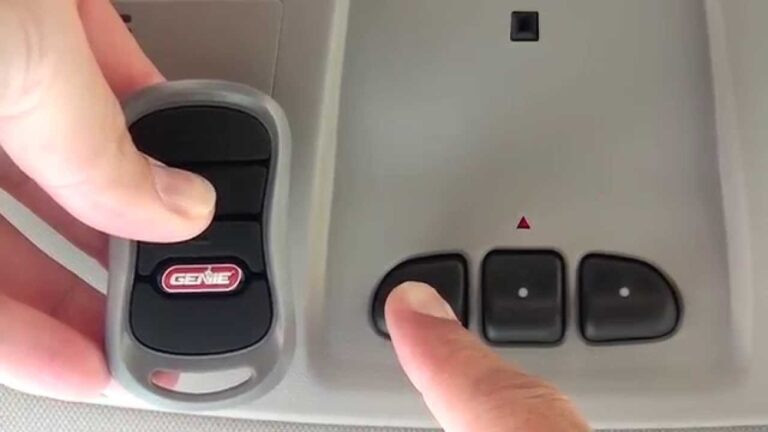
- Remote Controls: Wireless devices for opening/closing from a distance.
- Wall Switch: A button inside the garage.
- Safety Sensors: Infrared sensors that stop the door if something is in its path.
- Emergency Release Cord: Lets you disconnect the opener and move the door by hand.
Each part plays an important role. For example, the safety sensors protect pets and children, while the emergency release helps in power outages.
How The Motor And Drive System Work Together
When you press your remote or wall switch, the opener’s motor starts running. This motor doesn’t lift the door directly. Instead, it powers a drive system, which does the heavy lifting.
Here’s a step-by-step look at what happens:
- Signal sent: You press a button. The opener receives a signal.
- Motor starts: Electricity powers the motor.
- Drive moves: The motor turns a chain, belt, screw, or gear.
- Trolley travels: The drive pulls the trolley along the rail.
- Door moves: The trolley lifts or lowers the garage door.
- Safety checks: Sensors check for obstacles.
- Stops at limits: The opener stops at the top or bottom.
The process is fast and smooth—usually 10–15 seconds for one full open or close.
Types Of Garage Door Opener Drives
The drive system decides how the opener moves the door. Each type has pros and cons.
Here’s a quick comparison:
| Drive Type | How It Works | Noise Level | Maintenance | Typical Lifespan |
|---|---|---|---|---|
| Chain Drive | Uses a metal chain to pull the door | Loud | Needs oiling | 15+ years |
| Belt Drive | Uses a rubber belt | Quiet | Low | 10–15 years |
| Screw Drive | Rotates a threaded rod | Medium | Some oiling | 10–15 years |
| Direct Drive | Motor moves along rail | Very quiet | Very low | 15+ years |
Chain drives are strong and cheap but noisy. Belt drives are quiet and good for attached garages. Screw drives need less moving parts, and direct drive is the quietest and often lasts the longest.
The Role Of Springs And Balance
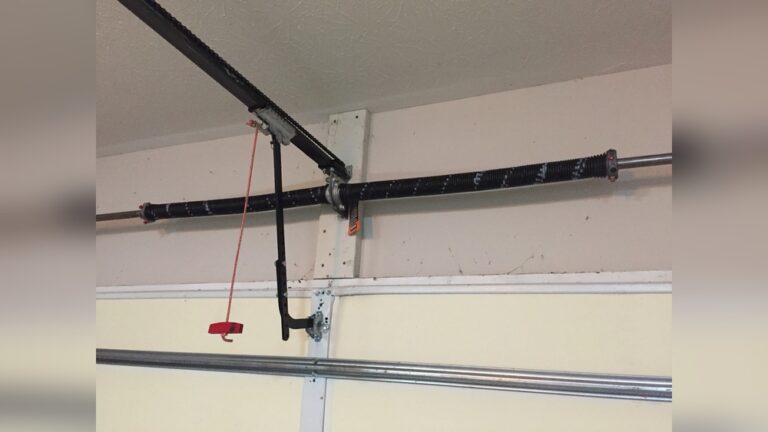
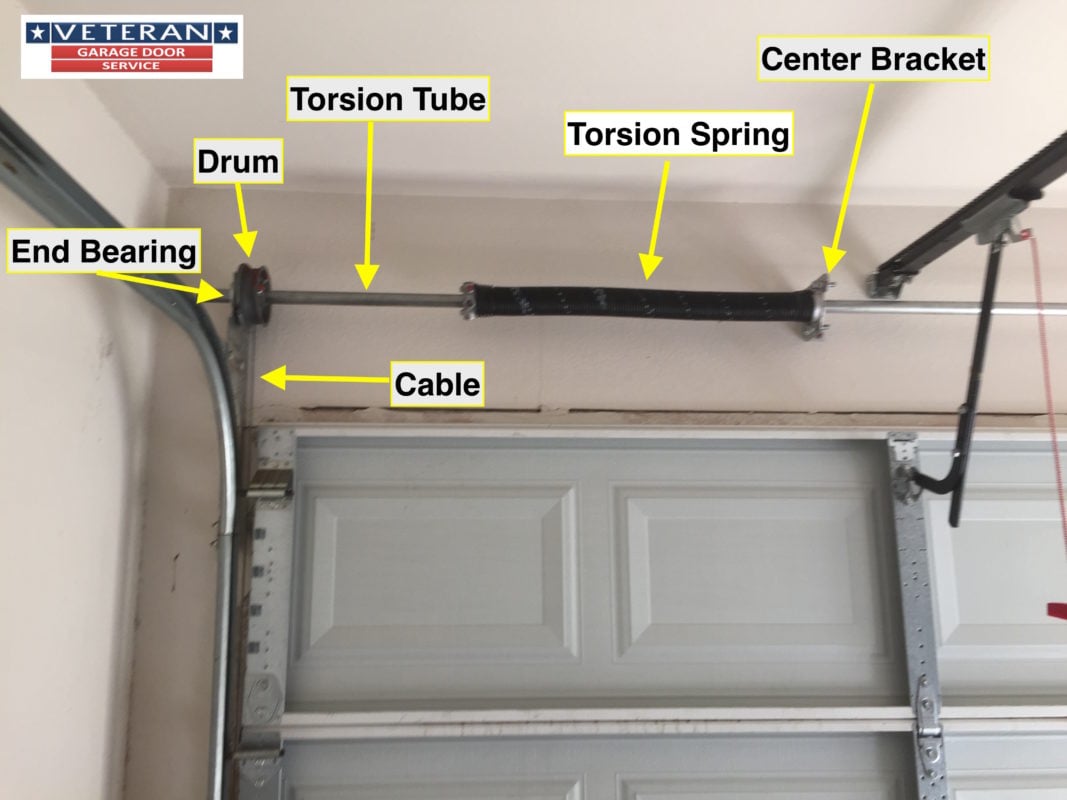
Garage doors are heavy—sometimes over 200 pounds (90 kg). The opener’s motor is not strong enough to lift all that weight alone. The real work is done by torsion springs or extension springs.
- Torsion springs sit above the door and twist to store energy.
- Extension springs stretch along the sides.
These springs balance the door. When the opener pulls, the springs help lift. When closing, they slow the door down. If your springs break, the opener will struggle—or stop working.
A well-balanced door:
- Stays in place if you lift it halfway by hand
- Moves up and down smoothly
If your door feels heavy, the springs may need adjustment.
Safety Features You Should Know
Modern garage door openers include important safety features. These are not just for convenience—they save lives.
Key safety systems:
- Photoelectric Sensors: Two small boxes near the floor. If anything breaks the beam, the door stops or goes up.
- Auto-Reverse: If the door hits an object, it reverses direction.
- Manual Release: A red handle lets you open the door by hand in an emergency.
- Rolling Code Technology: Each time you use the remote, the code changes. This keeps hackers out.
According to the U. S. Consumer Product Safety Commission, these features have reduced garage door injuries by more than 60% since 1993.
Credit: veterangaragedoor.com
Remote Controls And Smart Technology
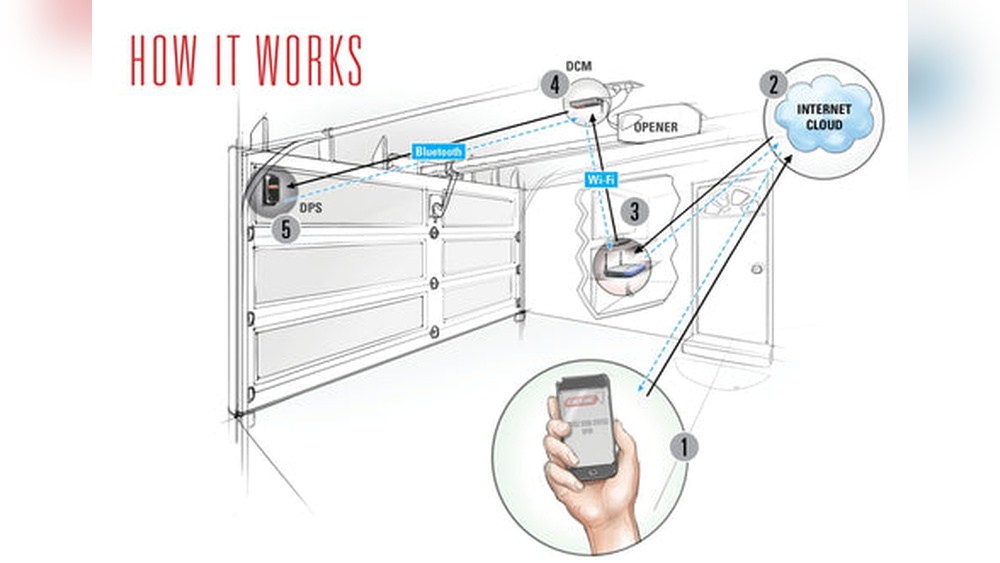
Most people use a remote to open their garage door. Today’s openers also offer smart features. You can use your phone, set schedules, or get alerts if the door is left open.
- Remote Controls: Small keychain or visor devices. Use radio waves to talk to the opener.
- Keypads: Mounted outside, let you enter a code.
- Smartphone Apps: Control the door from anywhere. Some send notifications or work with smart home systems like Alexa or Google Home.
Here’s a quick comparison of control options:
| Control Method | Range | Security | Ease of Use |
|---|---|---|---|
| Remote Control | 100–150 feet | Medium | Very easy |
| Keypad | At the door | High (PIN protected) | Easy |
| Smartphone App | Anywhere | Very high | Easy |
One thing beginners often miss: pairing a new remote can require pressing a “learn” button on the motor unit. This keeps your system secure from unauthorized remotes.
Power Source And Backup Systems
Most garage door openers use standard AC power—just plug into a ceiling outlet. Power outages can be a problem. Many modern systems include a battery backup. This runs the opener a few times even if the lights go out.
A typical backup battery will:
- Last for 24–48 hours
- Open and close the door 10–20 times
Without backup, you must use the manual release to open the door during a blackout.

Credit: allsecurityequipment.com
Maintenance Tips For Long Life
A garage door opener is a big investment. Simple maintenance keeps it running for years. Here are easy steps:
- Lubricate moving parts every 6 months (chains, rollers, hinges)
- Check safety sensors for dirt or misalignment
- Test the auto-reverse feature monthly (place a roll of paper towel under the door)
- Tighten bolts and screws on the opener and the door
- Replace remote batteries yearly
If the opener makes new noises, slows down, or the door feels heavy, check the springs or call a pro.
Common Problems And Quick Fixes
Even the best openers can have issues. Here are some examples and solutions:
- Door won’t open/close: Check the power source and remote batteries first.
- Remote not working: Try re-pairing it with the opener. Replace batteries.
- Door reverses before closing: Clean the safety sensors.
- Loud noises: Lubricate the chain or check for loose parts.
- Opener runs but door doesn’t move: The emergency release may be disengaged.
If these steps don’t help, call a garage door technician.
Buying The Right Garage Door Opener
Choosing the best opener depends on your garage and needs. Here’s what to consider:
- Door size and weight: Heavier doors need stronger openers (look for 1/2 HP or higher for double doors).
- Noise level: Belt and direct drives are quietest.
- Smart features: If you want phone control, check compatibility.
- Safety: Make sure auto-reverse and sensors are included.
- Backup battery: Useful if you have frequent power outages.
Mistake to avoid: Don’t buy the cheapest model if you have a heavy or tall door. It may wear out quickly.
Real-world Example
Let’s look at a practical example. The LiftMaster 8500W is a popular wall-mounted opener:
- Uses direct drive (very quiet)
- Includes battery backup and Wi-Fi
- Supports Amazon Key (in-garage delivery)
- Price: About $400–$500
This model is ideal for attached garages where noise matters and smart features are wanted.

Credit: localgaragedoors.co
Environmental Impact
Most modern openers use efficient motors. Older models use more power even when idle. Upgrading to a newer opener can lower your electricity bill and carbon footprint.
Some smart openers also help you track usage, so you know if the door is left open by mistake—saving energy.
When To Replace Your Garage Door Opener
Most openers last 10–15 years. Consider replacing if:
- It lacks safety sensors
- It makes loud grinding noises
- You want smart features (Wi-Fi, phone app)
- It’s slower than before
A new opener adds value, safety, and convenience to your home.
For more in-depth technical details, check the Wikipedia page on garage door openers.
Frequently Asked Questions
How Much Electricity Does A Garage Door Opener Use?
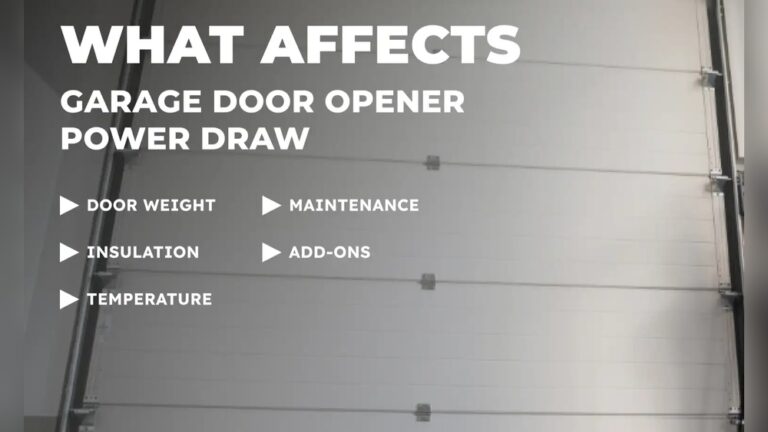
Most openers use about 3–5 watts when idle and 100–200 watts during operation. Over a year, the cost is usually less than $10, depending on usage and local rates.
Can I Install A Garage Door Opener Myself?
Yes, if you’re comfortable with basic tools. Most kits include instructions. However, dealing with garage door springs can be dangerous. If you’re unsure, hire a professional.
What Should I Do If My Garage Door Opener Is Stuck?
First, check for power or remote issues. If the motor runs but the door doesn’t move, pull the emergency release cord and try moving the door by hand. If it’s still stuck, the springs or tracks may need repair.
How Can I Make My Garage Door Opener Quieter?
Switch to a belt drive or direct drive system. Lubricate moving parts. Make sure the door is balanced—an unbalanced door makes more noise.
Are Smart Garage Door Openers Secure?
Yes, modern smart openers use encrypted signals and rolling codes. Choose models from well-known brands and use strong passwords for your accounts. Always enable two-factor authentication if available.
A garage door opener brings safety, comfort, and smart features to your home. Understanding how it works lets you fix small issues, choose the right system, and enjoy trouble-free operation for years.