
Iron Trap Garage: Inside The World Of Classic Car Restoration
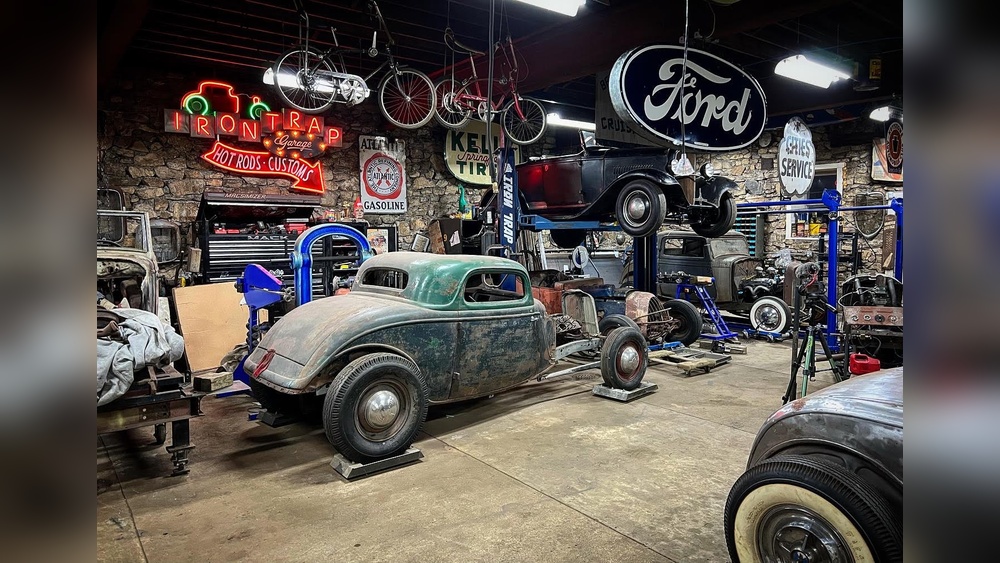
If you love classic cars or are curious about old vehicles, you may have heard about Iron Trap Garage. This YouTube channel and workshop has become popular for showing real-life car restoration, focusing on vintage American cars. Iron Trap Garage combines history, hands-on work, and practical advice, making it a favorite for car fans and beginners. Let’s explore what makes Iron Trap Garage special, how it operates, and why it’s a great resource for anyone interested in classic cars.
What Is Iron Trap Garage?
Iron Trap Garage is a well-known YouTube channel and workshop based in Pennsylvania, USA. The channel was started by Matt, a passionate car restorer, and his partner Kate. They show the process of finding, restoring, and sometimes driving classic American cars from the 1920s to the 1960s.
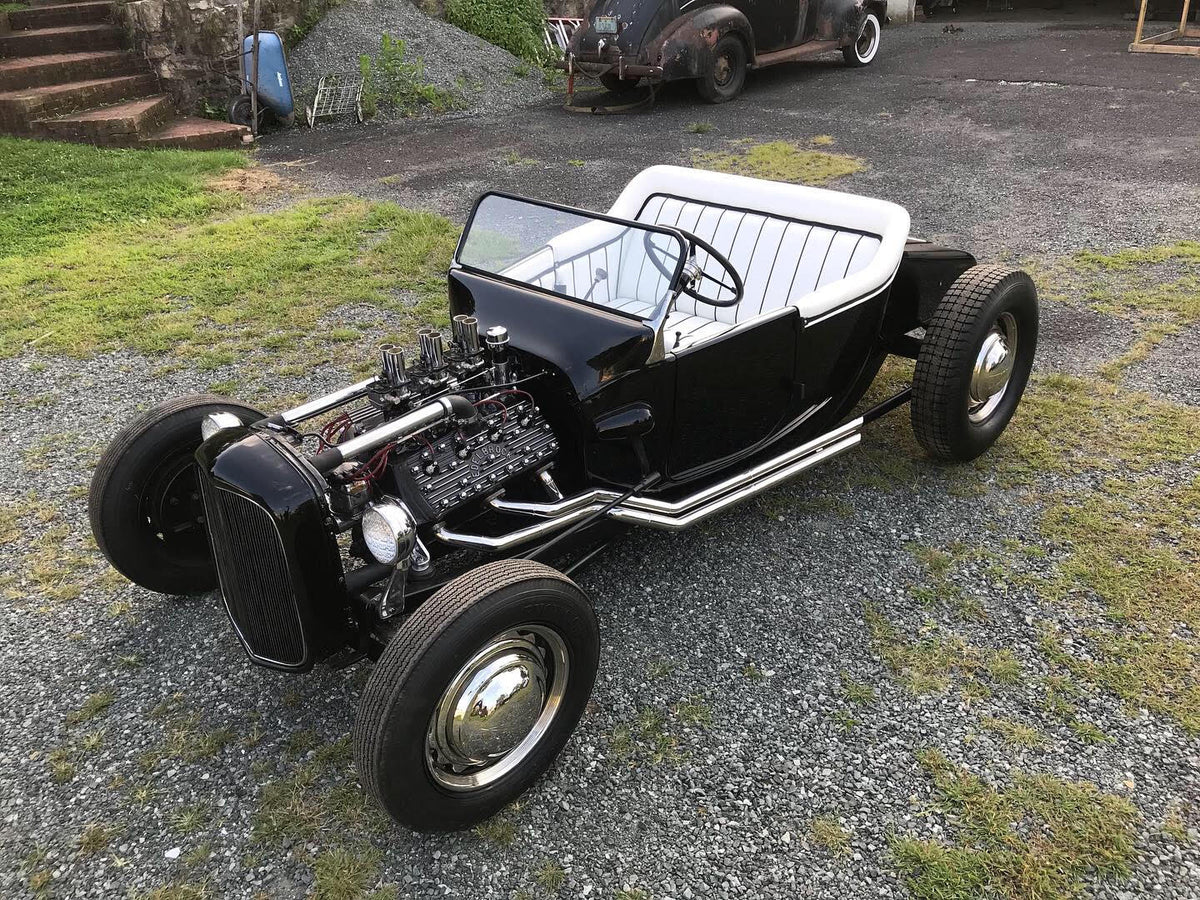
- Focuses on hot rods, barn finds, and vintage cars
- Shows step-by-step restorations, including welding, bodywork, and engine rebuilding
- Offers tips for beginners and experienced restorers
- Shares stories about car history and culture
Unlike many channels, Iron Trap Garage keeps the content real and unpolished. You see the challenges, mistakes, and successes. This honest approach helps viewers learn and avoid common errors.
How Iron Trap Garage Started
Matt’s love for cars began early. He started collecting and restoring old vehicles in his teens. After seeing many car channels online, he noticed most skipped the hard parts and focused only on finished cars. Matt wanted to show the real journey — including the messy garage, failed attempts, and true costs.
Iron Trap Garage launched in 2016. The first videos were simple, but they quickly attracted viewers who wanted honest, beginner-friendly guidance. Today, the channel has more than 300,000 subscribers and millions of views.
Main Types Of Projects
Iron Trap Garage covers many car projects. Here are some main types:
- Barn Find Restorations
- Matt and Kate visit old barns and sheds to find forgotten cars
- They explain how to check for rust, missing parts, and hidden damage
- Viewers see the full restoration process, from towing to driving
- Hot Rod Builds
- Focuses on building custom hot rods using vintage bodies and modern parts
- Shows welding, frame building, and engine swaps step by step
- Survivor Cars
- Restores cars with original paint, parts, and history
- Teaches how to maintain old finishes and avoid over-restoration
- Parts Hunting
- Shares trips to swap meets, junkyards, and auctions
- Offers tips for finding rare parts and negotiating prices
Typical Restoration Process
Restoring a classic car can be overwhelming. Iron Trap Garage breaks it down into clear steps:
- Assessment: Check the car’s condition, list needed repairs, estimate costs
- Disassembly: Remove parts carefully, organize and label everything
- Bodywork: Fix rust, dents, and holes using welding and metalwork
- Mechanical Repair: Rebuild or replace engines, transmissions, brakes
- Paint and Finish: Prep surfaces, apply paint, polish, and add details
- Reassembly: Put everything back together, test drive, adjust
Iron Trap Garage often shows mistakes and fixes, which helps beginners learn faster.
Key Tools And Equipment
You don’t need a huge workshop to start car restoration. Iron Trap Garage uses both basic and advanced tools. Here’s a comparison:
| Basic Tools | Advanced Tools |
|---|---|
| Socket sets | MIG welder |
| Screwdrivers | Plasma cutter |
| Jack and stands | Sandblaster |
| Wrenches | Paint spray gun |
| Hammer | Engine hoist |
Beginners can start with basic tools. As projects grow, you may need advanced equipment for welding, painting, or heavy lifting.
Common Challenges In Restoration
Restoring old cars is not always easy. Iron Trap Garage shows common problems:
- Rust and corrosion: Most vintage cars have rust, especially on floors and frames
- Missing parts: Some parts are hard to find and expensive
- Wiring issues: Old wiring can cause electrical problems
- Budget overruns: Costs often rise as hidden damage is discovered
Matt advises beginners to plan for surprises, keep a repair log, and ask for help in online forums.

Credit: www.youtube.com
Real Costs: What Does Restoration Cost?
Many beginners underestimate the costs of restoring a car. Iron Trap Garage shares real numbers:
- Initial purchase: $1,500–$10,000 depending on car and condition
- Parts: $2,000–$8,000 for engines, brakes, interior
- Paint and body: $2,000–$5,000 for materials and labor
- Tools: $500–$3,000 if buying new equipment
- Total average: $6,000–$25,000 for most projects
Matt often finds ways to save money, like buying used parts or trading with other restorers.
Iron Trap Garage Community
The channel has built a strong community:
- Subscribers ask questions and share their own projects
- Live Q&A sessions help beginners get answers
- Social media groups connect fans and restorers
Iron Trap Garage encourages beginners to share their progress, learn together, and avoid feeling overwhelmed.
Practical Tips For Beginners
If you want to start restoring cars, Iron Trap Garage offers these key tips:
- Start small: Choose a simple car or project first
- Learn basics: Watch videos about tools, safety, and car parts
- Document everything: Take photos and notes during every step
- Ask for help: Join online groups, attend swap meets, or visit local workshops
- Be patient: Restoration takes time and effort
Matt recommends learning welding and basic electrical skills, as these are common tasks in most projects.
Example Project: 1930 Ford Model A
One famous Iron Trap Garage build was a 1930 Ford Model A. Here’s how the project unfolded:
- Found in a barn, covered in dust and rust
- Disassembled carefully, noting every part and bolt
- Repaired frame and body using welding and patch panels
- Rebuilt original engine with new gaskets and rings
- Painted in original color, keeping survivor look
- Reassembled and test drove after several months
This project showed how patience, planning, and basic skills could turn an old junk car into a drivable classic.

Credit: www.youtube.com
Data Table: Most Restored Car Models
Iron Trap Garage often features these models:
| Car Model | Years Featured | Popularity |
|---|---|---|
| Ford Model A | 1928–1931 | High |
| Chevrolet Bel Air | 1955–1957 | Medium |
| Ford F-100 | 1953–1956 | Medium |
| Plymouth Fury | 1957–1959 | Low |
| Mercury Eight | 1949–1951 | Medium |
Beginners often choose the Ford Model A or Chevrolet Bel Air because parts are easier to find and guides are available.
Iron Trap Garage Vs Other Car Channels
Iron Trap Garage stands out compared to other car restoration channels. Here’s a comparison:
| Feature | Iron Trap Garage | Other Channels |
|---|---|---|
| Project detail | Shows full process | Often skips steps |
| Beginner focus | Very beginner-friendly | Assumes some experience |
| Honest mistakes | Shares failures and fixes | Rarely shows errors |
| Community support | Active Q&A | Limited interaction |
| Car history | Explains history | Focuses on mechanics |
Beginners benefit from Iron Trap Garage because it explains everything step by step, without hiding the hard parts.
Credit: irontrapgarage.com
Two Non-obvious Insights For Beginners
1. Documentation Is Priceless
Many beginners think taking notes is boring, but Matt shows that documenting every step helps when you reassemble, order parts, or fix mistakes. Missing bolts or wires are a common issue; clear photos and notes prevent this.
2. Networking Saves Money And Time
Iron Trap Garage often trades parts or gets advice from other restorers. Beginners can join local car clubs, attend swap meets, or connect online. This helps find rare parts, learn new skills, and avoid costly errors.
Where To Find Iron Trap Garage Content
- YouTube channel: Main videos, project updates, and live Q&A
- Instagram and Facebook: Photos, tips, event announcements
- Website: Blog, merch, and restoration guides
If you want more details, visit the official Iron Trap Garage site or follow their social media for updates.
Safety And Legal Considerations
Restoring cars can be fun, but safety is important. Iron Trap Garage reminds viewers:
- Always wear protective gear: Gloves, eye protection, masks
- Use proper lifting equipment for heavy parts
- Work in well-ventilated areas
- Follow local laws for vehicle registration and modifications
Matt sometimes discusses legal steps, like getting titles for barn finds or registering rebuilt cars.
Learning From Mistakes
Iron Trap Garage’s honest approach helps beginners understand that mistakes are normal:
- If you break a bolt, learn how to extract it safely
- If paint fails, sand and retry rather than cover up errors
- Don’t rush — many problems happen when working too fast
Matt’s videos show that every car restorer learns through trial and error.
Why Iron Trap Garage Is Beginner Friendly
- Clear explanations and step-by-step guides
- Shows basic and advanced techniques
- Community support and Q&A
- Focus on common challenges and solutions
- Encourages patience and realistic planning
If you’re just starting, Iron Trap Garage is one of the best resources for learning classic car restoration from scratch.
Frequently Asked Questions
What Cars Does Iron Trap Garage Restore?
Iron Trap Garage mainly restores American cars from the 1920s–1960s. Examples include Ford Model A, Mercury Eight, and Chevrolet Bel Air. They also work on hot rods and barn finds.
How Much Does It Cost To Restore A Car?
Most projects cost between $6,000 and $25,000, depending on the car and condition. Costs include parts, tools, paint, and labor. Beginners should budget for surprises and extra repairs.
Do I Need Special Skills To Start?
No, beginners can start with basic tools and skills. Iron Trap Garage teaches welding, bodywork, and engine repair step by step. Watching videos and asking questions helps you learn faster.
Where Can I Find Rare Parts?
Iron Trap Garage suggests searching swap meets, junkyards, online forums, and car clubs. Networking with other restorers often leads to rare finds and better prices.
Is Iron Trap Garage Content Available Outside Youtube?
Yes, Iron Trap Garage shares updates on Instagram, Facebook, and their official website. For more information, visit Wikipedia.
Iron Trap Garage shows that anyone can start restoring classic cars with patience, planning, and the right guidance. Whether you are a beginner or a car lover, their honest content and supportive community make learning enjoyable and practical.