
If your Linear garage door opener is not working, it can feel frustrating and confusing. Many homeowners face issues like the door not opening, the remote not responding, or strange noises during operation. The good news is that most problems with Linear garage door openers are easy to diagnose and fix, even for beginners. With the right steps, you can often solve these issues yourself and avoid an expensive repair bill.
This guide explains common Linear garage door opener problems, their causes, and clear troubleshooting steps. Each section uses simple language and examples. Whether you have a chain-drive or belt-drive model, these methods apply to most Linear openers found in homes today.
How A Linear Garage Door Opener Works
Before fixing problems, it helps to understand the basics of how your garage door opener works. A typical Linear system includes:
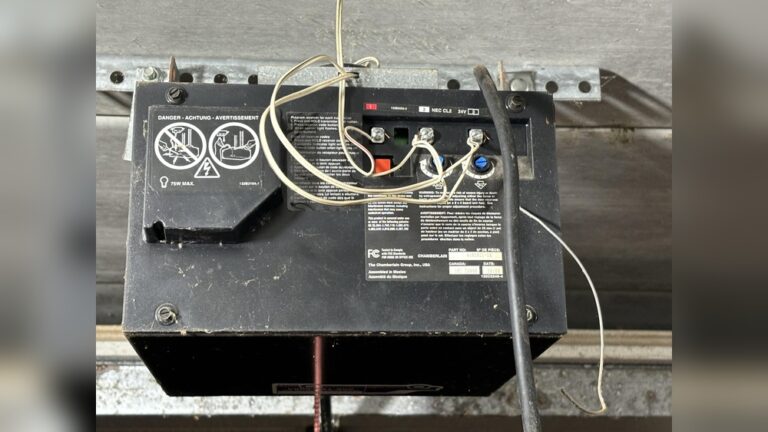
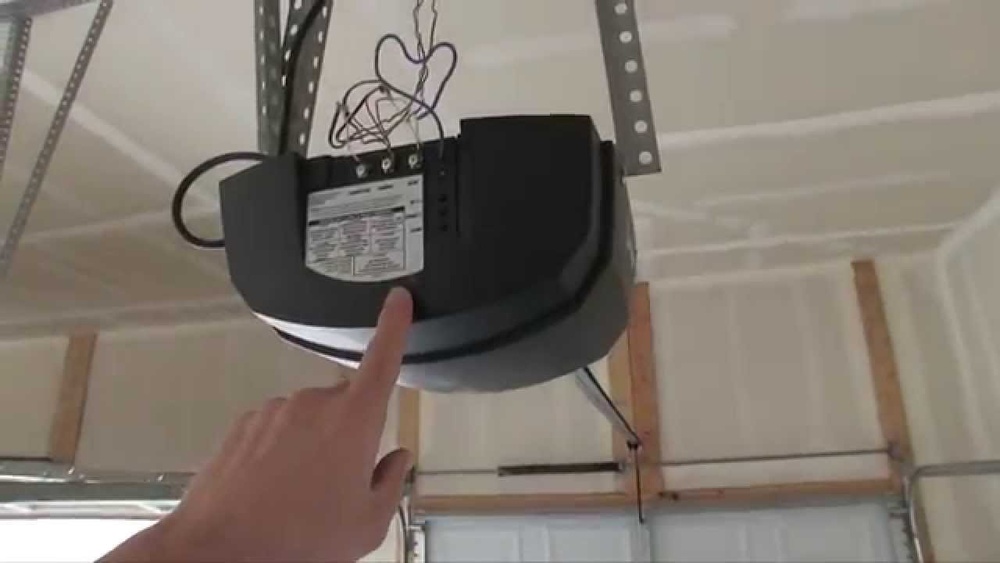
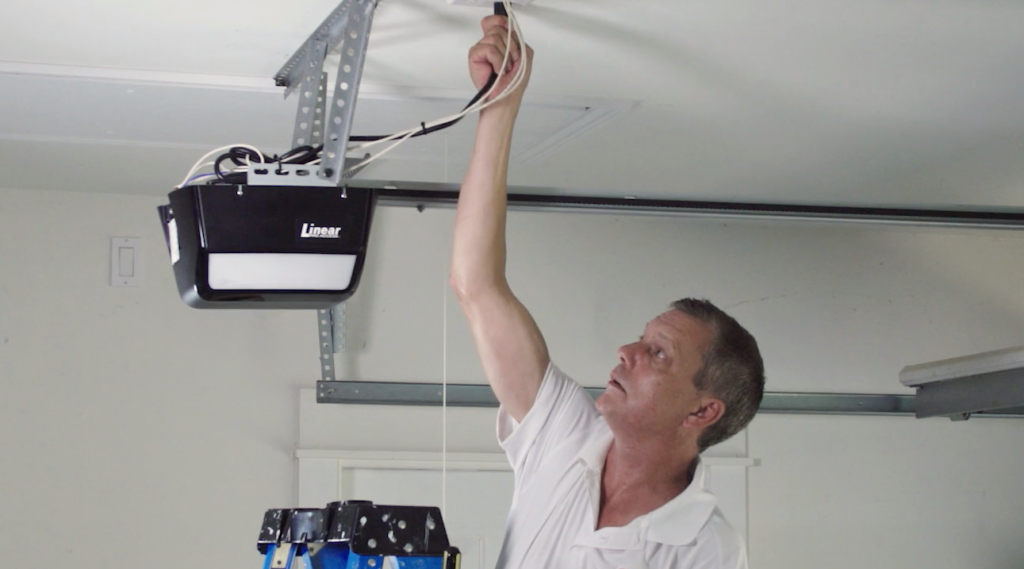
- Motor unit: Powers the opener, usually mounted on the garage ceiling.
- Rail and trolley: Moves the door up and down along a rail.
- Remote controls: Wireless devices for opening or closing the door.
- Wall switch: Fixed button inside the garage.
- Safety sensors: Two small units near the floor, one on each side of the door.
When you press the remote or wall switch, the motor turns on. This moves the trolley, which pulls or pushes the door along the rail. The safety sensors stop the door if something is in the way.
Common Problems And Quick Checks
Many issues with Linear garage door openers fall into a few categories. Here are some of the most frequent problems and how to check for them:
- Door will not open or close
- Check power supply to the opener.
- Test the wall switch and remote.
- Listen for any motor sounds.
- Remote control not working
- Try replacing the battery.
- Make sure you are in range (usually 20–50 feet).
- Reprogram the remote if needed.
- Door reverses before closing
- Look for blocked or misaligned safety sensors.
- Clear any objects from the sensor path.
- Opener makes noise but door does not move
- The trolley may be disengaged.
- Drive gears or chain may be broken.
- Door moves slowly or jerks
- Lubricate metal parts.
- Check for bent tracks or worn rollers.
Credit: linear-solutions.com
Step-by-step Troubleshooting Guide
1. Check Power And Connections
Many garage door opener problems start with a simple power issue.
- Make sure the opener is plugged into a working outlet.
- Test the outlet with another device (like a lamp).
- Check the home’s circuit breaker—sometimes it has tripped.
- Inspect the opener’s power cord for damage.
If the opener has power but does not work, look for a blown fuse or a tripped GFCI outlet.
2. Inspect The Remote And Wall Switch
If the door does not respond to the remote or wall switch, try these steps:
- Replace the remote battery (most use standard coin batteries).
- Check for corrosion on the battery contacts.
- Stand closer to the garage and try again.
- If the wall switch works but the remote does not, you may need to reprogram the remote. Follow your model’s instructions for syncing remotes.
3. Examine The Safety Sensors
Linear openers use infrared safety sensors to prevent accidents.
- Each sensor has a small LED light. Both should be lit.
- If one or both lights are off or blinking, the sensors are not aligned.
- Gently clean the sensor lenses with a soft cloth.
- Adjust the sensors until both lights stay solid.
- Remove any dirt, cobwebs, or objects blocking the sensor path.
Safety sensors are a common source of problems, especially if the door closes partway and then reverses.
4. Test The Door’s Balance
An unbalanced garage door puts strain on the opener.
- Pull the emergency release cord (usually a red handle).
- Lift the door halfway by hand. If it stays in place, the balance is good.
- If the door falls or rises quickly, the springs may need adjustment by a professional.
A well-balanced door makes the opener’s job easier and prevents damage.
5. Listen For Unusual Noises
Strange sounds often mean something needs attention:
- Grinding or squeaking: Lubricate the chain, rollers, or hinges.
- Clunking or banging: Check for loose bolts or brackets.
- Buzzing but no movement: The motor or gears may be jammed.
Identifying the type of noise helps you find the problem faster.
6. Check The Trolley And Drive System
If the motor runs but the door does not move:
- Look at the trolley (the part that connects to the door arm).
- If the emergency release is pulled, the trolley may be disengaged. Reconnect it by moving the door until it clicks back in place.
- For chain- or belt-drive openers, check for loose or broken parts. Tighten the chain or belt if needed.
Here is a quick comparison of common drive systems found in Linear openers:
| Drive Type | Noise Level | Maintenance Needed | Common Problems |
|---|---|---|---|
| Chain Drive | Loud | Lubricate chain | Chain loosens, noise |
| Belt Drive | Quiet | Check belt tension | Belt wears out |
| Screw Drive | Moderate | Grease screw | Screw dry, jams |
7. Adjust Force And Limit Settings
Linear openers let you set how far the door opens and closes (limit settings), and how much force is used.
- Find the adjustment screws on the motor unit.
- If the door stops before closing, increase the down limit.
- If the door reverses, decrease the force setting.
- Make small adjustments, and test after each change.
Here is a sample chart of typical limit and force settings:
| Problem | Adjustment Needed | Result |
|---|---|---|
| Door stops short | Increase down limit | Door closes fully |
| Door reverses | Decrease down force | Door closes safely |
| Door won’t open fully | Increase up limit | Full opening |
Always follow the manual for your specific model when making these changes.
8. Reprogram The Opener
If remotes or keypads suddenly stop working, the opener may need to be reset.
- Press and hold the “learn” button on the opener until the indicator light flashes (usually 6–10 seconds).
- Reprogram each remote by pressing the remote button near the opener.
- Test each remote to make sure it works.
Be aware that power surges or electrical storms can sometimes erase opener memory, requiring a reset.
When To Call A Professional
Some garage door opener problems require professional help:
- Broken springs: These are dangerous to replace yourself.
- Motor failure: If the motor hums but will not turn, it may need repair or replacement.
- Wiring issues: If you suspect a wiring problem, call an electrician or garage door specialist.
Never try to fix high-tension springs or open the motor unit unless you know what you are doing.
Credit: support.garagedoorzone.com
Maintenance Tips For Long Life
Regular maintenance prevents most problems and extends the life of your Linear opener.
- Lubricate metal parts with garage door lubricant (not WD-40) every 6 months.
- Tighten loose bolts, nuts, and screws.
- Clean the safety sensor lenses often.
- Test the door balance and auto-reverse feature monthly.
- Replace remote batteries once a year.
A little maintenance saves money and avoids big repairs later.
Real-world Example: Solving A Common Issue
Imagine your Linear garage door opener starts to close, but always reverses before hitting the ground. Here is how you would troubleshoot:
- Look at the safety sensors—one light is off.
- Clean the sensor lenses.
- Adjust the sensors so both lights are solid.
- Test the door. It closes all the way now.
This simple fix often solves the problem without tools or replacement parts.

Credit: www.youtube.com
Data: Most Frequent Linear Opener Problems
Here are the most common issues based on repair statistics:
| Problem | % of Cases | Typical Fix |
|---|---|---|
| Sensor misalignment | 35% | Align sensors |
| Remote issues | 25% | Replace battery, reprogram |
| Power loss | 15% | Check outlet or breaker |
| Track/roller problems | 10% | Lubricate, replace parts |
| Limit/force settings | 8% | Adjust settings |
| Motor failure | 7% | Repair or replace |
This data shows that most problems have simple solutions that do not require new parts.
Two Insights Beginners Often Miss
- Sensor Alignment Is Delicate: Even a bump or vibration can move the sensors out of line. Check them first if the door reverses.
- Remote Programming Issues: Many people forget that power outages or electrical surges can erase remote settings. Reprogramming is an easy fix.
Resources For Further Help
If you need more detailed instructions, the official Linear support website and YouTube tutorials are useful. The Linear user manual for your model gives step-by-step diagrams. You can also find professional troubleshooting advice at Home Depot.
Frequently Asked Questions
How Do I Know If My Linear Garage Door Opener Needs A New Battery?
If your remote control only works sometimes or only when you are very close to the door, the battery is probably weak. Replace it with a new one, usually a CR2032 or similar coin cell.
What Does A Blinking Sensor Light Mean?
A blinking sensor light means the safety sensors are not aligned or something is blocking the sensor path. Clean the lenses and gently adjust the sensors until both lights are solid.
Why Does The Door Open But Not Close From The Remote?
This often happens when the safety sensors are dirty, misaligned, or blocked. The wall switch may still work, but the remote will not close the door if the opener senses a problem.
How Often Should I Lubricate My Garage Door Opener?
Lubricate the chain, rollers, and hinges every 6 months. Do not use WD-40—choose a garage door-specific lubricant for best results.
Can I Fix A Broken Garage Door Spring Myself?
No, you should never try to fix or replace a broken spring yourself. Springs are under high tension and can cause serious injury. Always call a trained professional for spring issues.
Solving problems with your Linear garage door opener does not have to be difficult. With these troubleshooting steps, you can fix most issues quickly and keep your garage safe and secure. Regular maintenance and checking the most common trouble spots can save you time and stress.
If you ever feel unsure, do not hesitate to contact a professional for help.