
If you ever find yourself standing outside your garage during a power outage, you might feel stuck. Many people worry when their garage door won’t open because the electric opener isn’t working. But the truth is, most garage doors have a simple way to open them manually. This guide will show you, step by step, how to open your garage door without power. You’ll also learn about safety, common mistakes, and what to do after you get inside. Even if you’ve never done it before, you’ll find clear, easy-to-follow advice here.
Understanding Your Garage Door System
Before you begin, it helps to know a little about how garage doors work. Most doors have two main parts:
- The door itself (usually made of metal, wood, or composite)
- The automatic opener, which uses a motor to move the door
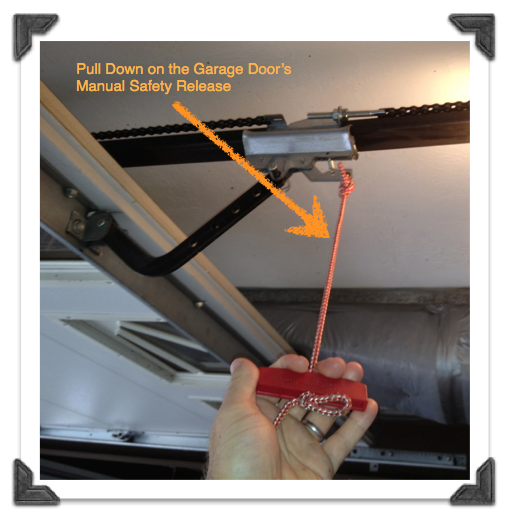
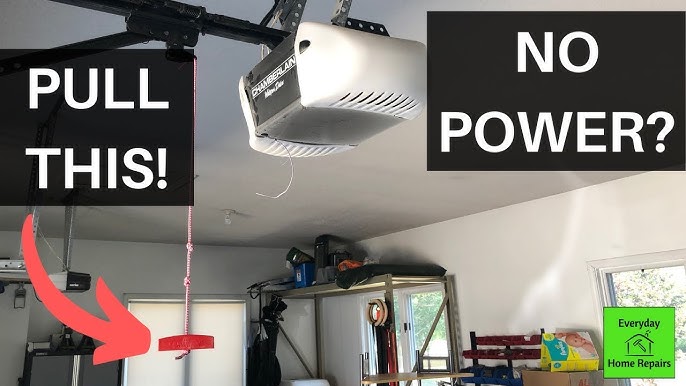
When the power is off, the motor won’t move. But the door can still be opened by hand if you disconnect it from the motor. This is usually done with a release mechanism—a red cord or lever hanging from the opener rail.
Manual Release Mechanism
- Usually a red cord with a handle.
- Located near the center of the garage ceiling.
- Pulling this cord disconnects the door from the opener.
If you’re not sure where this is, look up at the track where the opener pulls the door.
Types Of Garage Doors
Garage doors come in several styles. Here’s a quick comparison:
| Type | Common Material | Manual Release Location | Ease of Manual Opening |
|---|---|---|---|
| Sectional | Steel/Aluminum | Center rail, ceiling | Easy |
| Single panel | Wood | Near top, inside | Moderate |
| Roll-up | Steel | End of rail, ceiling | Easy |
Most residential garages use sectional doors. If you have a different type, the manual release might be in a slightly different spot.
Step-by-step: Opening Your Garage Door Without Power
Follow these steps to safely open your garage door manually. Each step is designed for beginners, even if you have never tried this before.
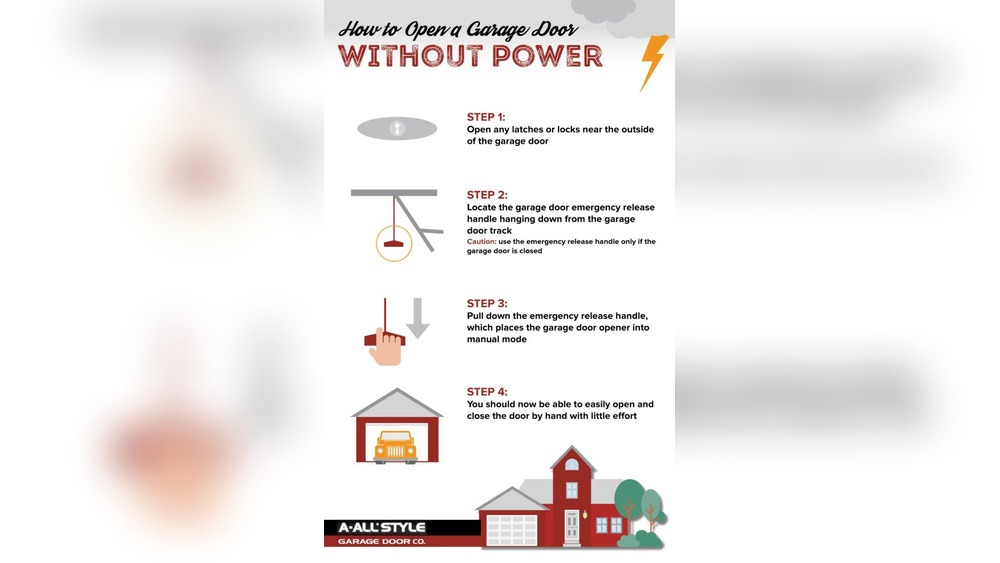
1. Find The Manual Release Cord
- Look for a red cord hanging from the garage door opener rail.
- If you’re outside and cannot enter the garage, skip to “Opening from Outside” below.
2. Ensure The Door Is Closed
- The door should be fully closed before you pull the cord.
- This prevents sudden movement and keeps you safe.
3. Pull The Release Cord
- Firmly pull down the red cord.
- You’ll hear a click—this means the door is now disconnected from the motor.
4. Lift The Door
- Grab the handle at the bottom of the door.
- Lift smoothly. If the door feels heavy or stuck, stop and check for lock or latch.
5. Secure The Door
- Once open, prop the door with a stick or lock it in place.
- Don’t let it drop suddenly, as this can cause injury.
Opening From Outside
If you cannot access the garage from inside, some doors have an emergency release kit. This usually looks like a small lock in the center of the door.
- Insert the key, turn, and pull out the lock.
- A cable will be attached—pull it to disconnect the opener.
- Then lift the door as above.
Quick Data: Manual Release Kits
| Feature | Benefit | Cost (Estimate) |
|---|---|---|
| Emergency release lock | Allows outside access during outage | $20–$40 |
| Weatherproof construction | Lasts longer | $25–$45 |
| Universal fit | Works with most doors | $20–$50 |
Many people don’t realize they can install these locks themselves. They’re useful for emergencies.
Safety Tips And Common Mistakes
Opening your garage door manually is simple, but safety is important. Here are some tips and mistakes to avoid:
- Check for locks: If your door is locked, unlocking it first prevents damage.
- Don’t force the door: If it won’t move, something may be wrong. Forcing can break springs.
- Watch your fingers: Garage doors are heavy. Use handles, not edges.
- Keep children clear: Don’t let kids stand under the door while opening.
Common Beginner Mistakes
- Pulling the release cord when the door is open.
- This can cause the door to drop fast.
- Forgetting to relock the door after manual opening.
- Unlocked doors are easy targets for thieves.
- Not checking the springs.
- Broken springs make manual lifting difficult and unsafe.
What To Do After Opening
Once you’ve opened the door, you may want to close it again. Here’s what to do:
- Close the door by hand, making sure it’s fully down.
- Reconnect the opener by pulling the cord toward the door or running the motor.
- Check the alignment—the opener should “catch” the door again.
If power returns, test the opener before regular use. If anything feels wrong, call a professional.

Credit: www.olympusgaragedoorrepairmd.com
Troubleshooting Problems
Sometimes, manual opening doesn’t work as planned. Here are a few common issues and how to handle them:
Door Won’t Move
- Check for broken springs or cables.
- Look for obstructions on the tracks.
- Try lubricating moving parts.
Emergency Release Won’t Work
- The mechanism may be stuck or rusty.
- Spray a little WD-40, then gently pull again.
- If still stuck, call a garage door technician.
Door Feels Too Heavy
- Springs may be broken. Do not force it.
- Call for repair—heavy doors are dangerous.
Example: Real-life Scenario
Imagine a storm knocks out power in your neighborhood. Your car is trapped inside the garage, and you need to leave for work. Here’s what you do:
- Enter the garage through a side door.
- Make sure the garage door is fully closed.
- Pull the red emergency cord.
- Lift the door manually, using the handle.
- Drive your car out.
- Close the door by hand, then secure it.
Many homeowners report that the first time they do this, it feels intimidating. But with clear steps, most people can open the door in less than five minutes.
When To Call A Professional
While most doors can be opened manually, there are times when you should call for help:
- Broken springs or cables
- Door is off its track
- Emergency release is stuck or damaged
- You don’t feel comfortable doing it yourself
Garage doors can weigh up to 300 pounds. If anything feels unsafe, get expert help.
Preventing Future Problems
You can make manual opening easier in the future by:
- Regularly testing the emergency release.
- Keeping tracks and moving parts clean and lubricated.
- Installing an emergency release kit if you don’t have one.
- Checking for worn springs and cables.
Many people forget to test the manual release until they need it. Make it part of your yearly home maintenance.
Credit: www.garagedoorspokane.com
Comparing Manual Vs Automatic Opening
Here’s a quick look at how manual opening compares to automatic opening:
| Opening Method | Speed | Safety | Effort |
|---|---|---|---|
| Automatic | Fast (5–10 seconds) | High (built-in sensors) | None |
| Manual | Moderate (1–2 minutes) | Depends on user | Physical (lifting) |
Manual opening is slower and requires some effort, but it’s reliable during power outages.
Expert Insights: What Beginners Miss
Two common things beginners overlook:
- Testing the release cord regularly: It can get stuck if not used often.
- Knowing how to reconnect: After manual opening, reconnecting the opener is important. If you don’t, the door won’t work with the motor.
Also, some people forget that emergency release kits are available for outside access. These can be installed by most homeowners.
Useful Resources
If you want more details or visual guides, check out official information from the Family Handyman website. They offer step-by-step photos and safety tips.
Frequently Asked Questions
How Do I Open My Garage Door From Outside During A Power Outage?
You need an emergency release kit. Insert the key into the lock in the center of the garage door, turn, and pull out the cable to disconnect the opener. You can then lift the door manually.
Is It Safe To Open A Garage Door Manually?
Usually, yes—if you follow safety steps. Make sure the door is closed before pulling the release cord, use handles, and don’t force the door. If the door is too heavy, stop and call a professional.
What If My Garage Door Is Locked?
Unlock the door first before trying to open it manually. Some doors have extra locks or latches that must be released inside or outside.
How Do I Reconnect The Garage Door Opener After Manual Opening?
Pull the release cord toward the door or run the automatic opener once power returns. It will “catch” the door and reconnect. Always check the alignment.
Can I Install An Emergency Release Kit Myself?
Yes. Most kits come with clear instructions and cost $20–$50. You’ll need a drill and screwdriver. Make sure the lock is weatherproof and fits your door.
Opening your garage door without power is simple if you know the steps. With practice, you’ll feel confident handling any outage. Always check safety and consider adding an emergency release kit if you don’t have one. This way, you’re ready for any situation—no matter what happens.
Credit: www.youtube.com