

What Is Garage Hoist
If you have a garage, you probably know how quickly it can fill up with tools, bikes, boxes, and other stuff. Sometimes, there’s not enough space to park your car or move around. One simple solution is a garage hoist. But what is a garage hoist, and how can it help you? This guide explains everything beginners need to know, from how garage hoists work to choosing the right one for your needs.
Understanding Garage Hoists
A garage hoist is a lifting device made to move, raise, or store heavy objects in a garage. It usually hangs from the ceiling or mounts to a wall. With a garage hoist, you can lift things like bikes, kayaks, engines, or storage bins off the floor. This frees up space and keeps your garage more organized.
Garage hoists come in different types and sizes, but all share a simple purpose: help you lift heavy things safely and easily. Many beginners confuse a hoist with a pulley or a winch. While they all involve lifting, a garage hoist is designed for vertical movement and storage, not pulling horizontally.
Common Uses
- Storing bikes
- Hanging kayaks or canoes
- Lifting car engines
- Raising storage bins
- Moving heavy tools
Garage hoists make it possible for one person to lift items that would normally require two or more people. This saves time, prevents injuries, and maximizes garage space.
Types Of Garage Hoists
There are several kinds of garage hoists. Picking the right one depends on what you need to lift and your garage’s layout. Here’s a quick look at the most common types:
| Type | How It Works | Best For |
|---|---|---|
| Manual Rope Hoist | Uses ropes and pulleys to lift items by hand | Bikes, light equipment |
| Electric Hoist | Powered by a motor, lifts heavier loads with a button | Engines, large items |
| Ceiling-Mounted Hoist | Attaches to the ceiling, saves floor space | Kayaks, storage bins |
| Wall-Mounted Hoist | Fixes to a wall, ideal for smaller garages | Tools, bikes |
Manual Rope Hoists
Manual rope hoists use a simple system of pulleys and ropes. You pull a rope to lift your item. They are affordable and easy to install. However, they require physical effort and are best for lighter loads.
Electric Hoists
Electric hoists use a motor to do the lifting. Just press a button or flip a switch. These are more expensive but allow you to lift heavier objects like car engines or big storage boxes. They are great for frequent use and save a lot of time.
Ceiling-mounted Hoists
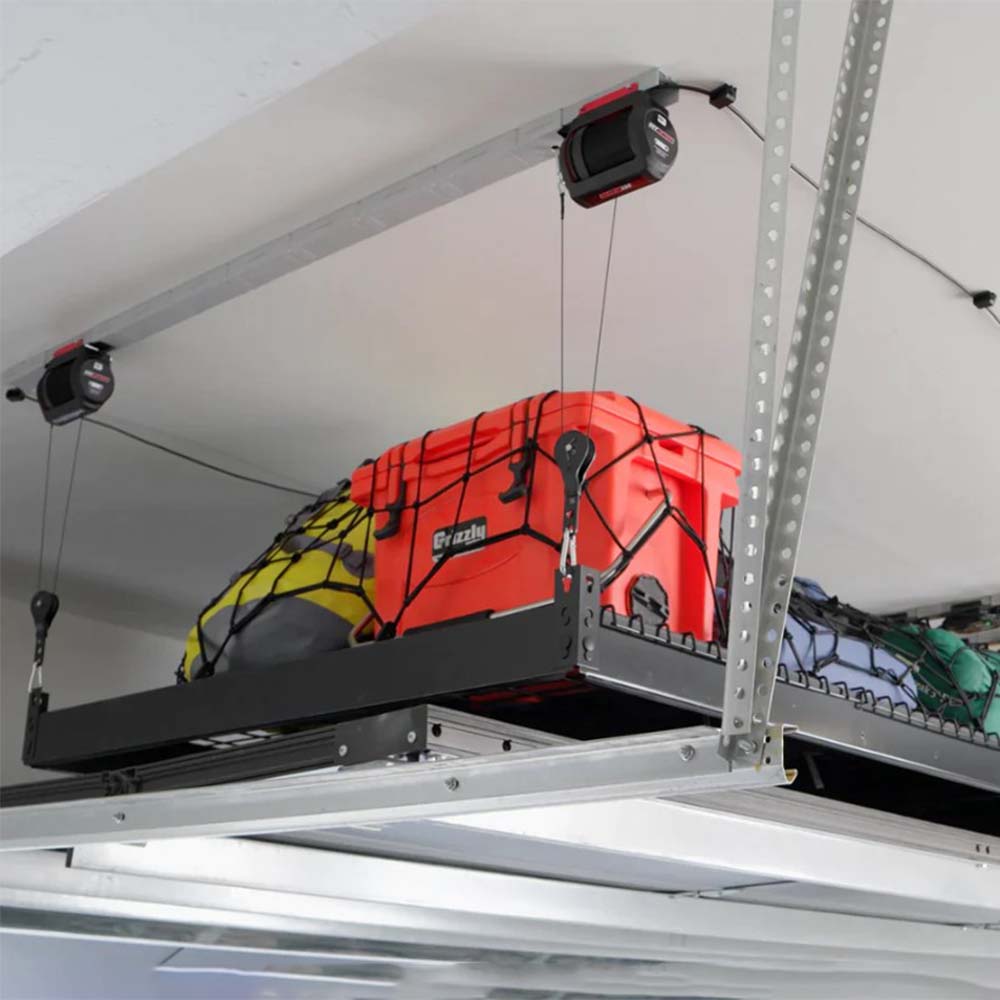
These hoists hang from the ceiling. They are perfect for storing large items overhead, such as bikes or kayaks. Ceiling-mounted hoists free up floor space but require strong ceiling beams for safe installation.
Wall-mounted Hoists
Wall-mounted hoists attach to the wall. They don’t lift items as high as ceiling hoists but are easier to install in garages with low ceilings. They work well for smaller items and tools.
Key Features To Look For
When choosing a garage hoist, pay attention to these important features:
- Weight capacity: The maximum load the hoist can lift. Typical home hoists range from 50 lbs to over 400 lbs.
- Lift height: How high the hoist can raise an item. Some can lift up to 10 feet or more.
- Ease of installation: Some hoists require drilling and tools, while others are easier to set up.
- Safety mechanisms: Look for automatic locks, strong cables, and reliable brakes.
- Type of operation: Manual or electric. Electric is easier for heavy or frequent lifting.
Here’s a comparison of popular garage hoist brands:
| Brand | Weight Capacity | Lift Type | Price Range |
|---|---|---|---|
| RAD Cycle Products | 100 lbs | Manual Rope | $30-$40 |
| Harken Hoister | 200 lbs | Manual Rope | $90-$130 |
| XtremepowerUS | 440 lbs | Electric | $100-$160 |
| Goplus | 220 lbs | Electric | $120-$200 |
Installing A Garage Hoist
Installing a garage hoist is not difficult, but you must follow safety steps. Here’s a basic guide:
- Check your ceiling or wall: Make sure it’s strong enough to hold the weight you plan to lift. Wood beams are best.
- Choose the right spot: Pick a location with enough clearance for your item to hang safely.
- Gather tools: You may need a drill, screws, wrench, and ladder.
- Follow instructions: Most hoists come with a manual. Read it carefully.
- Secure the hoist: Attach mounting brackets tightly. Double-check all bolts and screws.
- Test the hoist: Before lifting a heavy item, test with a light load.
Example: Bike Hoist Installation
- Locate a strong ceiling beam.
- Mark the mounting spots.
- Attach the brackets using screws.
- Hang the pulley system.
- Test by lifting an empty bike.
Many beginners forget to check the ceiling’s strength. This can lead to accidents. Always use a stud finder and never install a hoist into drywall alone.

Credit: www.youtube.com
Safety Tips And Common Mistakes
Safety is key when using a garage hoist. Here are practical tips:
- Never overload: Always check the weight limit before lifting.
- Inspect cables and ropes: Look for signs of wear or damage.
- Keep children away: Don’t let kids operate the hoist.
- Lift slowly: Fast lifting can cause items to swing or drop.
- Secure items: Use straps or nets for loose objects.
Common Mistakes
- Ignoring weight limits: This can cause the hoist to fail.
- Poor installation: Not securing the hoist properly leads to falling items.
- Lifting uneven loads: Always balance your item before lifting.
- Skipping maintenance: Check your hoist regularly for safety.
Benefits Of Using A Garage Hoist
Garage hoists offer many advantages:
- Saves space: Items hang from the ceiling or wall, freeing up floor space.
- Prevents injuries: Lifting heavy things by hand can cause back pain or accidents.
- Makes storage easier: You can store seasonal items overhead and access them easily.
- Improves organization: Keeps your garage neat and tidy.
Real-life Example
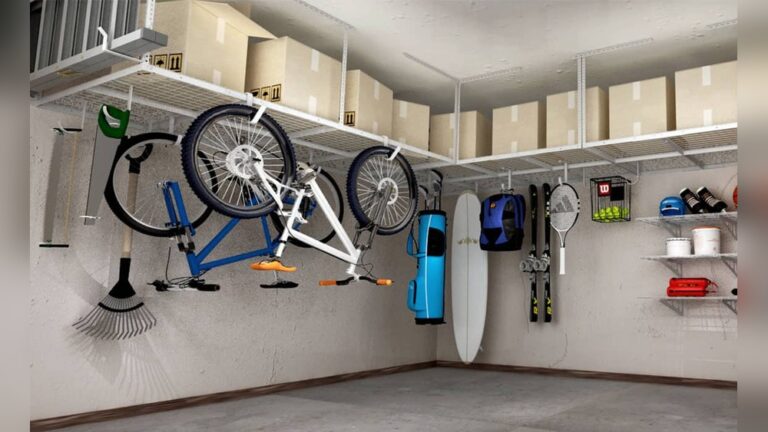
A family in Chicago used a ceiling hoist to store two bikes and a kayak. Before, their garage was cluttered and hard to move around. After installing the hoist, they gained enough space to park their car and found items quickly.
This shows how a simple hoist can transform your garage.

Credit: www.amazon.com
Garage Hoist Vs Other Storage Solutions
Many people wonder how a garage hoist compares to shelves, racks, or cabinets. Here’s a simple comparison:
| Storage Solution | Space Efficiency | Cost | Best For |
|---|---|---|---|
| Garage Hoist | High | Low to Medium | Large, heavy items |
| Shelves | Medium | Low | Boxes, small tools |
| Wall Racks | Medium | Low | Bikes, tools |
| Cabinets | Low | Medium to High | Chemicals, valuables |
A garage hoist is unique because it lets you use overhead space that shelves or cabinets can’t reach. It’s ideal for storing things you don’t use daily but want to keep accessible.
How To Choose The Right Garage Hoist
Choosing a garage hoist can feel confusing. Here’s what matters most:
- Know your needs: What items do you want to lift? Measure their weight and size.
- Check your garage layout: High ceilings work best for ceiling hoists.
- Set your budget: Manual hoists are cheaper, electric hoists cost more.
- Safety first: Don’t compromise on safety features.
- Read reviews: See what other users say about reliability and performance.
Non-obvious Insights
- Many beginners overlook lift height. Make sure your hoist can raise items high enough so they don’t block movement.
- Electric hoists are great for frequent use, but manual hoists can be more reliable as they have fewer parts that break.
If you’re unsure, start with a manual hoist for lighter items. Upgrade to an electric hoist later as your needs grow.
Credit: inventivegarage.com
Maintenance Tips For Garage Hoists
A garage hoist will last longer and stay safe if you follow basic maintenance:
- Check cables/ropes monthly: Look for fraying or damage.
- Lubricate moving parts: Oil pulleys and gears every 6 months.
- Tighten bolts: Inspect mounting hardware for looseness.
- Clean after use: Dust and dirt can cause jams.
- Replace worn parts: Don’t wait for something to break.
Regular maintenance prevents accidents and keeps your hoist working smoothly.
Where To Buy Garage Hoists
Garage hoists are sold at home improvement stores, online retailers, and specialty shops. Popular brands include RAD Cycle, Harken, and Goplus. Compare prices and check product ratings before buying. For more details about different types and brands, you can visit Wikipedia’s hoist page.
Frequently Asked Questions
What Is The Difference Between A Garage Hoist And A Pulley?
A garage hoist is a complete lifting system for raising heavy items vertically. A pulley is just a wheel for guiding a rope. Hoists use pulleys, but also include straps, hooks, and sometimes motors.
How Much Weight Can A Typical Garage Hoist Lift?
Most home garage hoists can lift between 50 lbs and 400 lbs. Always check the product’s weight rating before use.
Is It Safe To Install A Garage Hoist Myself?
Yes, if you follow instructions and check your ceiling or wall strength. Always use proper mounting hardware and never overload the hoist.
Can I Use A Garage Hoist For Lifting Engines?
Yes, but you need a heavy-duty electric hoist with a high weight limit (at least 400 lbs). Check for safety locks and strong cables.
How Often Should I Inspect My Garage Hoist?
Inspect your hoist monthly. Look for wear, loose bolts, and cable damage. Replace any worn parts immediately.
A garage hoist is a practical tool for anyone wanting to maximize garage space and make lifting heavy items easier. By understanding the types, installation steps, and safety tips, you can choose the right hoist for your needs and keep your garage organized.
For beginners, starting small and learning proper maintenance will ensure your garage hoist is safe and useful for years to come.