
A pulley system for garage use is one of the smartest ways to manage heavy lifting, save space, and make your daily routine easier. Many homeowners face the same challenge: their garage is packed with bikes, tools, boxes, and even kayaks. Getting things off the floor and up to the ceiling can free up space and reduce clutter. But how do you do this safely and efficiently? The answer is a good pulley system.
Let’s break down how pulley systems work, the different types available, and how to pick the best one for your garage. You’ll also find setup advice, real-life examples, and tips to avoid common mistakes. Whether you’re a DIY beginner or just want a simpler garage, you’ll find practical solutions here.
What Is A Pulley System For Garage Use?
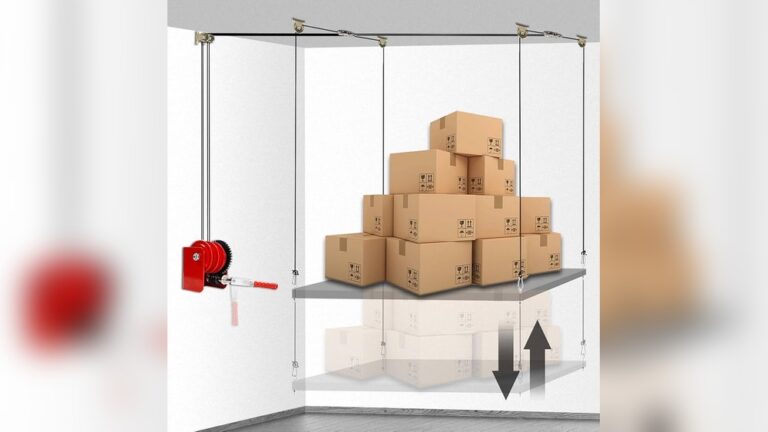
A pulley system is a simple machine that uses wheels and ropes or cables to lift or move heavy items with less effort. In garages, pulley systems are often used to store items overhead, like bikes, ladders, or storage bins. This takes advantage of unused ceiling space.
How does it work?
- You attach a rope or cable to the item you want to lift.
- The rope loops over one or more wheels (pulleys) attached to the ceiling.
- Pulling the rope lowers or raises your item, often with much less force than lifting by hand.
Benefits for garage storage:
- Frees up valuable floor space
- Makes it easy to access heavy or awkward items
- Reduces the risk of injury from lifting
- Keeps items safe from water or pests
For example, many people use a ceiling-mounted pulley system to store bikes. Instead of propping the bike against a wall, you pull a rope and the bike lifts up and out of the way.
Types Of Pulley Systems For Garages
There are several types of pulley systems. The best type depends on what you need to lift, how often, and your ceiling height.
| Pulley System Type | Best For | Typical Load Capacity | Complexity |
|---|---|---|---|
| Single Pulley | Light items, basic lifting | 30-50 lbs | Very Easy |
| Double Pulley (Block & Tackle) | Medium loads, bikes | 75-120 lbs | Easy |
| Multiple Pulley (Compound) | Heavy items, kayaks | 150-300 lbs | Medium |
| Electric Hoist | Very heavy, frequent use | 400+ lbs | Moderate to Complex |
Non-obvious insight: Many beginners think more pulleys always mean easier lifting. This is mostly true, but more pulleys also mean more rope length needed. With a complex system, you may need double or triple the ceiling-to-floor distance for the rope to fully lower an item.

Credit: www.amazon.com
Common Uses For Pulley Systems In Garages
The garage is a versatile space, so pulley systems have many uses:
- Bike storage: The most popular use. Keeps bikes safe, out of the way, and easy to lower for rides.
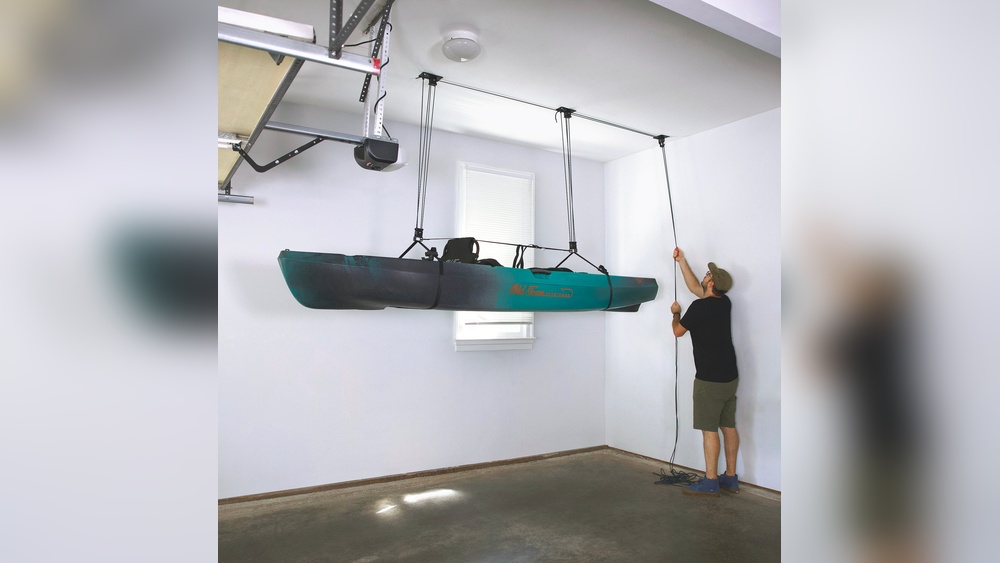
- Kayak or canoe storage: Large, awkward boats hang safely from the ceiling.
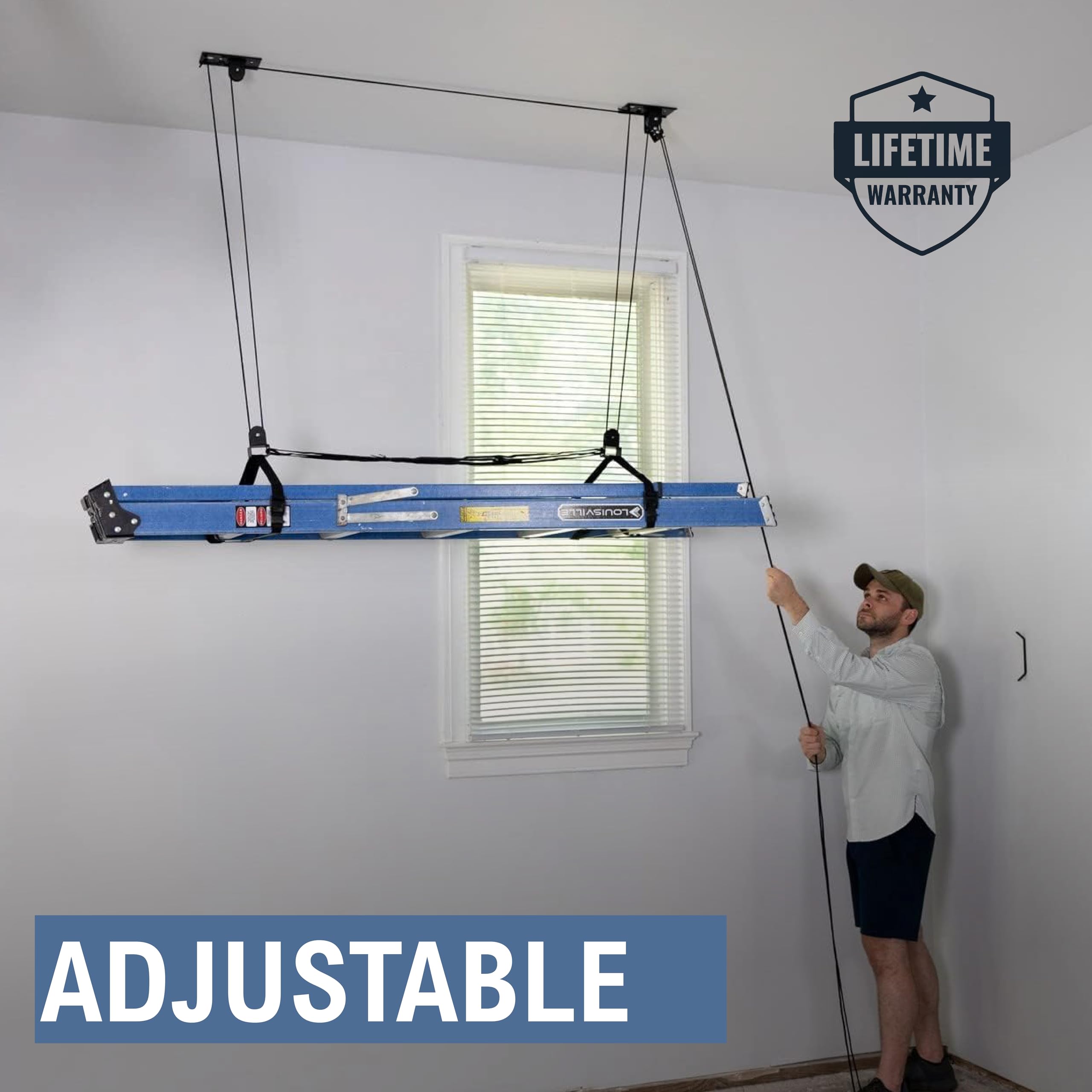
- Ladder hoist: Ladders are long but light; pulleys keep them off the floor.
- Seasonal decorations: Get boxes of lights or decor out of reach until you need them.
- Roof box or cargo carrier: If you use a car roof box, pulleys let you store and install it easily.
- Sports equipment: Hoist up golf bags, skis, or surfboards.
Example: John, a homeowner in Texas, used a double pulley system to lift his 70-pound kayak. Before, it took two people to get it down. Now, he does it alone in minutes.
Key Factors When Choosing A Garage Pulley System
Picking the right pulley system for your garage is crucial. Consider these main points:
- Weight capacity: Always choose a system that supports more than the maximum weight you want to lift. For example, if your heaviest item is 80 lbs, pick a 100+ lb system for safety.
- Ceiling height: Measure from the floor to the ceiling. Some systems need more rope or cable if your ceiling is high.
- Installation difficulty: Some kits are DIY-friendly, while others need drilling or anchoring to ceiling joists.
- Frequency of use: If you’ll use it daily (like for a bike), pick a smooth, reliable system.
- Budget: Basic systems start at $20–$40. Heavy-duty or electric hoists can cost $100–$300 or more.
Pro tip: Always check your garage ceiling structure. Only mount pulleys to strong beams or joists, not just drywall.
Step-by-step Guide: Installing A Basic Bike Pulley System
Let’s walk through a practical example—installing a ceiling bike pulley. Most beginner kits include everything you need.
What You Need
- Bike pulley kit (with hooks, pulleys, rope, mounting hardware)
- Drill with appropriate bits
- Stud finder
- Ladder
- Screwdriver
- Safety glasses
Installation Steps
- Locate ceiling joists: Use a stud finder to find strong beams.
- Mark mounting points: The two pulleys should be spaced to fit your bike’s length.
- Drill pilot holes: This prevents wood from splitting.
- Install pulleys: Screw pulleys into the joists securely.
- Thread the rope: Follow kit instructions to loop the rope through both pulleys.
- Attach hooks: Hooks hold the bike under the seat and handlebars.
- Test the system: Pull the rope to lift your bike. Make sure it moves smoothly.
- Secure the rope: Tie off or use a cleat to prevent slipping.
Time required: About 30–45 minutes for most beginners.
Safety tip: Double-check all connections before lifting your bike fully.
Comparing Popular Garage Pulley Systems
To help you make a confident choice, see how three popular systems compare:
| Model | Max Weight | Ceiling Height | Price Range | Best For |
|---|---|---|---|---|
| Racor PHL-1R | 250 lbs | Up to 12 ft | $120–$160 | Large bins, heavy items |
| RAD Sportz Bike Hoist | 100 lbs | Up to 12 ft | $25–$40 | Bikes, ladders |
| Harken Hoister 4-Point | 145 lbs | Up to 10 ft | $120–$200 | Kayaks, roof boxes |
Non-obvious insight: Some pulley kits include built-in safety locks. These prevent your item from falling if you lose grip on the rope—an important feature for beginners.
Common Mistakes To Avoid
Even easy systems can lead to problems if used incorrectly. Here are the most common mistakes:
- Ignoring ceiling strength: Never screw pulleys into drywall alone. Use a stud finder to locate strong wood or concrete.
- Underestimating weight: Always check the true weight of your item. Don’t guess—use a scale.
- Wrong rope length: Too short, and you can’t reach; too long, and it tangles.
- Poor rope quality: Thin, cheap ropes can fray or snap. Use the rope provided in the kit or upgrade to braided nylon.
- Not testing before full use: Always test the system with something lighter first.
Practical tip: Label your pulley ropes if you have more than one system. This avoids confusion and accidents.
How To Maintain Your Pulley System
A well-installed system can last for years with simple maintenance:
- Check hardware: Every few months, inspect screws, hooks, and pulleys for rust or loosening.
- Lubricate moving parts: Use a silicone spray for smooth operation.
- Replace worn ropes: If you see fraying or stiffness, replace the rope immediately.
- Clean pulleys: Dust and debris can slow the system. Wipe parts with a dry cloth.
Safety Tips For Garage Pulley Systems
Safety is always important, especially when lifting heavy items overhead.
- Never exceed rated weight: Check your system’s label for max weight.
- Keep children and pets away: Ropes can be tempting for kids, but can be dangerous.
- Use safety locks if possible: Some systems have a locking mechanism—engage it every time.
- Wear gloves: Protect your hands from rope burns.
- Lift slowly: Move items up and down slowly to prevent swinging or dropping.
Example: The Harken Hoister features an auto-lock, which holds your load in place even if you let go of the rope.
Real-life Example: Transforming A Small Garage
Anna, who lives in a city with a one-car garage, struggled with limited space. She installed two bike pulley systems and a kayak hoist. Her tips:
- Measure everything twice before drilling.
- Start with the simplest system (bike hoist) to build confidence.
- Use painter’s tape to mark where bikes will hang—this helps visualize spacing.
After installing the pulleys, Anna gained enough floor space to park her car and organize her tools. Her stress about garage clutter dropped, and everything became easier to find.

Credit: tealtriangle.com
Cost Breakdown And Value
How much does it cost to set up a pulley system in your garage? Prices vary:
- Basic bike hoist: $20–$40
- Mid-level kayak hoist: $70–$150
- Heavy-duty storage lift: $120–$300
- Electric hoist: $200–$400+
Installation: DIY is often free if you have tools. Professional installation can add $100–$200.
Value: For most, a $30 bike pulley can free up as much as 15–20 square feet of floor space. Compare this to renting a storage unit—pulley systems pay for themselves quickly.
Pro tip: Buy kits with all hardware included. Buying parts separately often costs more and can lead to compatibility problems.
Frequently Asked Questions
How Much Weight Can A Garage Pulley System Hold?
Most basic garage pulley systems can hold between 50 and 150 lbs. Heavy-duty or electric systems can handle up to 400 lbs or more. Always check the product specifications and never exceed the stated max weight.
Is It Safe To Install A Pulley System Myself?
Yes, most pulley systems are DIY-friendly if you follow instructions carefully. Always attach hardware to strong ceiling joists, not just drywall, and test your installation with a lighter item first.
Can Pulley Systems Be Used In Any Garage?
Nearly all garages with a finished ceiling and strong beams can use a pulley system. If your ceiling is unfinished or has exposed joists, installation is even easier. Measure your ceiling height before buying a kit.
What Is The Best Rope For A Garage Pulley?
Braided nylon rope is strong, smooth, and durable. It resists stretching and fraying. Most reputable kits include the right rope, but you can upgrade if lifting very heavy items.
Where Can I Learn More About Pulley Mechanics And Safety?
For more on how pulleys work and their safety, see the Wikipedia Pulley Page.
A pulley system for garage use is a simple investment that can transform your space, make daily life easier, and keep your belongings safe. With the right system, you’ll enjoy less clutter, more room, and a safer, more organized garage. Take a careful look at your needs, measure your space, and start with a beginner-friendly kit. Your garage can become one of the most efficient spaces in your home.
Credit: www.amazon.com