
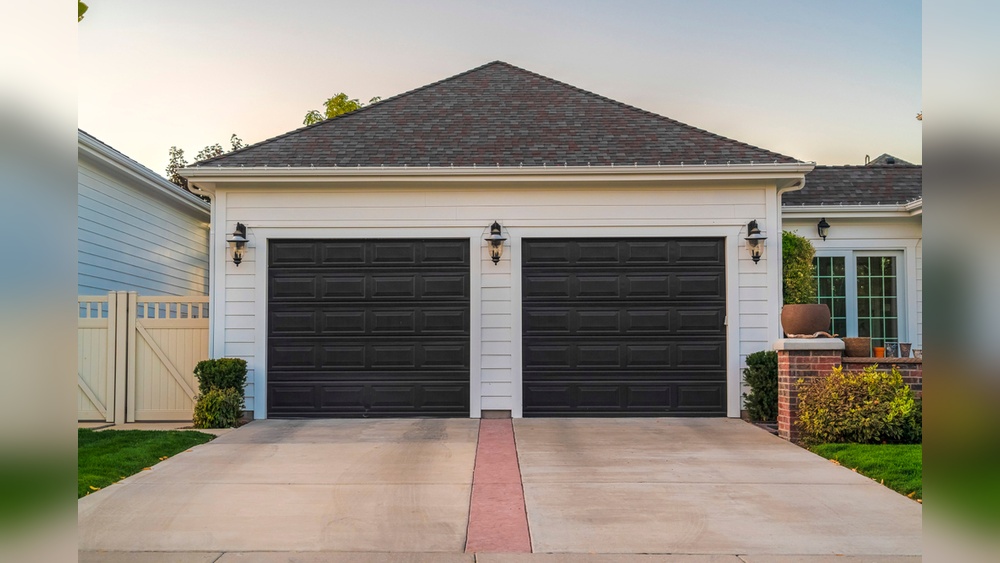
A 2 car garage door is one of the most common choices for homes with a double garage. If you’re new to this topic, you might wonder about sizes, materials, costs, and how to pick the best door for your needs. This article will guide you step by step. You’ll learn practical details, see easy comparisons, and discover what really matters before buying or installing a 2 car garage door.
What Is A 2 Car Garage Door?
A 2 car garage door is a wide door designed to fit two vehicles side by side in a garage. You’ll often see these doors in suburban homes, townhouses, and new constructions.
- Standard width: Usually 16 feet (about 4.9 meters)
- Standard height: Usually 7 feet (about 2.1 meters), but 8 feet is common for newer homes
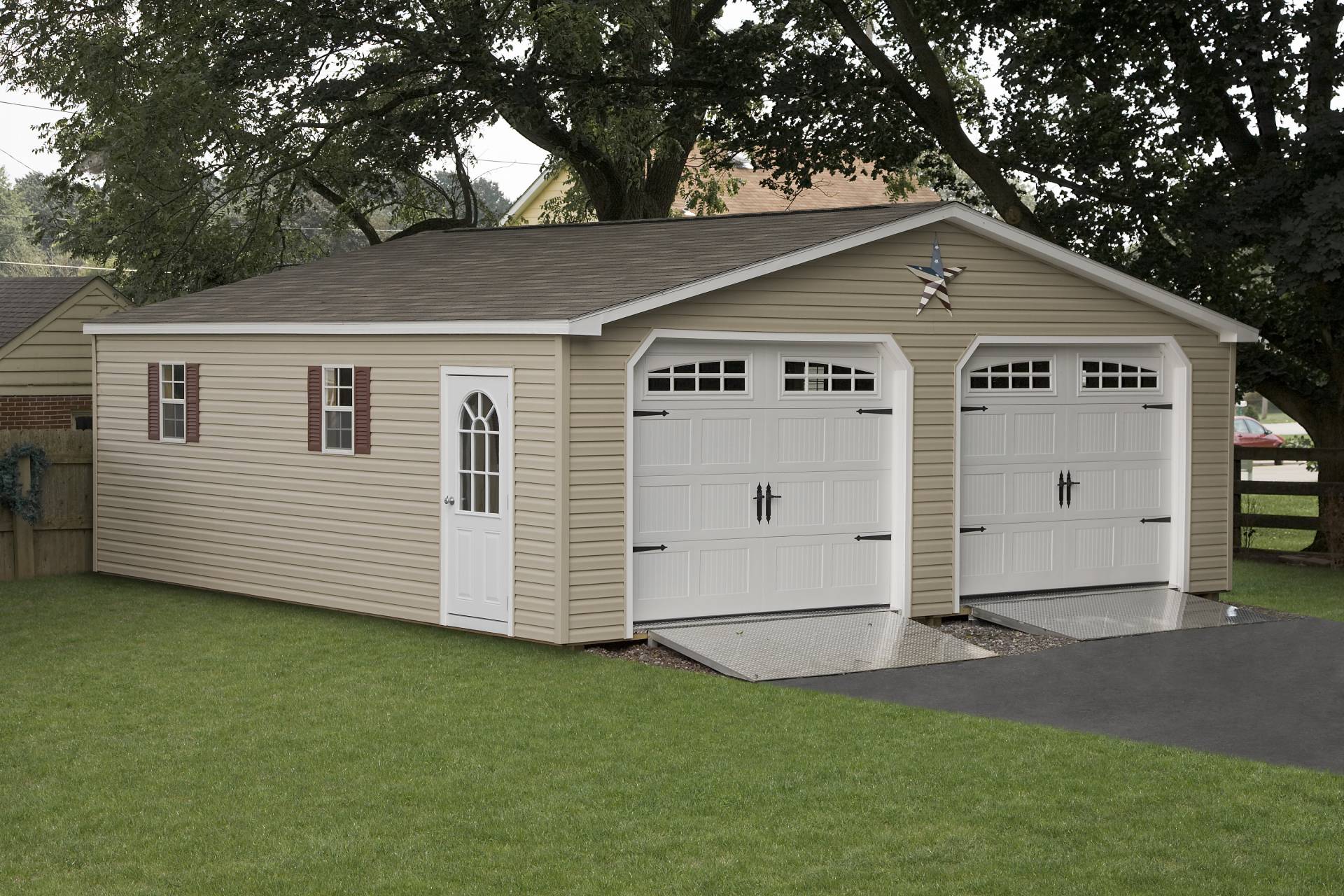
- One large door vs. two single doors: Many garages use one big door for both cars, but some use two separate doors
Non-obvious insight: A single, wide door can make parking easier, especially if your garage is tight or you own bigger vehicles like SUVs or trucks.
Common Sizes And Measurements
Understanding sizes is important. The wrong size can cause problems with parking, insulation, or even safety.
| Door Type | Width (ft) | Height (ft) | Typical Use |
|---|---|---|---|
| 2 Car Garage Door | 16 | 7-8 | Most homes, fits two cars |
| Single Garage Door | 8-9 | 7-8 | Fits one car |
| Oversized 2 Car Door | 18 | 8 | Bigger vehicles, extra storage |
Tip: Measure your garage opening carefully before ordering. Some older homes may have non-standard sizes.
Materials: Pros And Cons
Choosing the right material affects durability, price, and maintenance. Here’s a quick look at popular options:
| Material | Strength | Cost | Maintenance |
|---|---|---|---|
| Steel | High | Medium | Low |
| Wood | Medium | High | High |
| Aluminum | Medium | Low | Low |
| Fiberglass | Medium | Medium | Low |
- Steel: Strong, resists dents, good for security. Can rust if not coated.
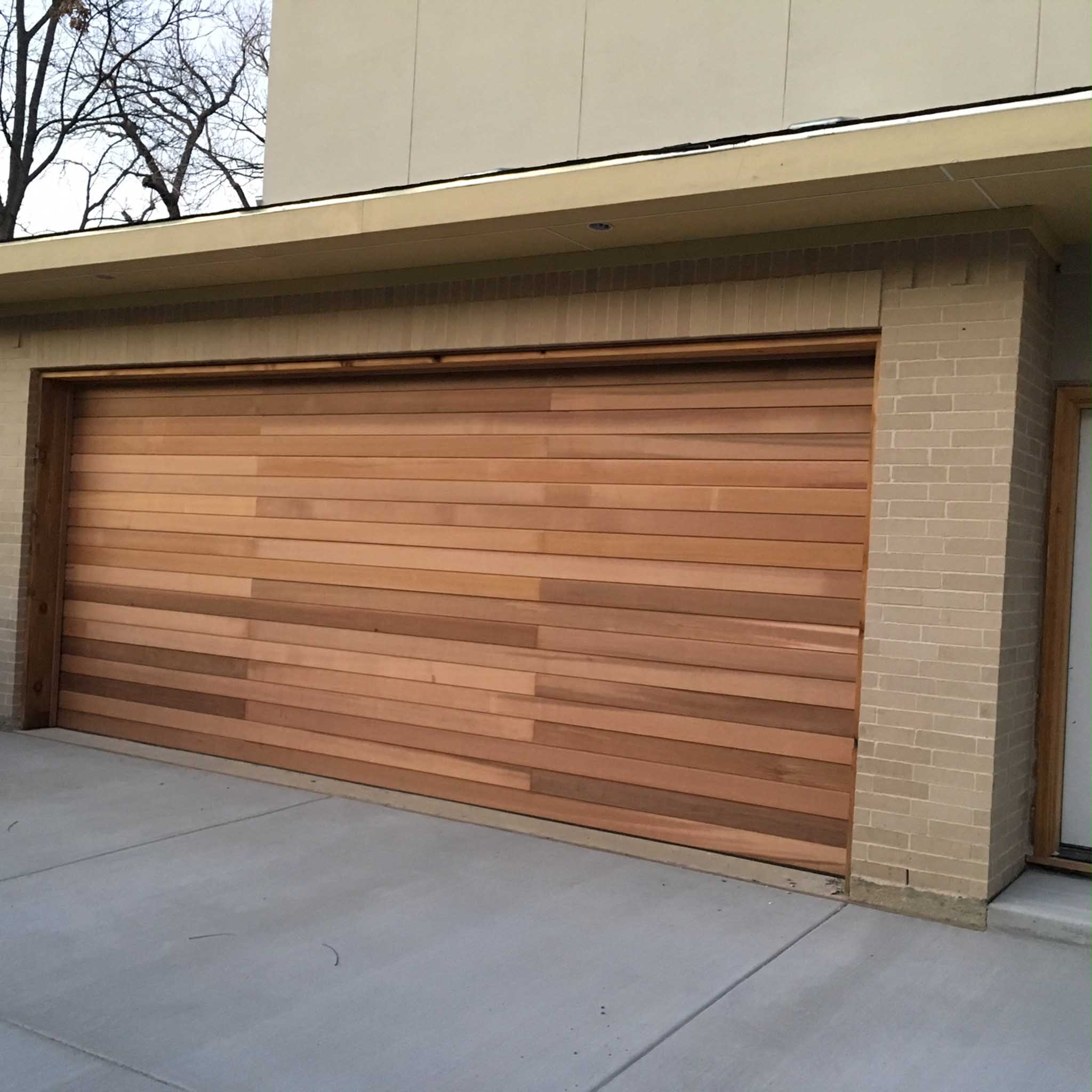
- Wood: Classic look, can be painted, but needs regular care. Prone to rot in wet areas.
- Aluminum: Light, easy to lift, doesn’t rust. Can dent easily.
- Fiberglass: Good for coastal areas, resists corrosion, but not as strong as steel.
Non-obvious insight: Wood doors are heavier and often need stronger openers. If your opener is weak, steel or aluminum may be better.
Insulation: Why It Matters
Many buyers skip insulation, thinking it’s not important. But insulation has real benefits:
- Keeps garage warmer in winter, cooler in summer
- Saves energy if your garage is connected to your home
- Reduces noise from outside
- Protects your car’s battery and fluids from extreme temperatures
R-value is the measure of insulation. Higher R-value means better insulation.
- Basic doors: R-value of 1-2 (almost no insulation)
- Insulated doors: R-value of 7-10 (good for mild climates)
- Premium doors: R-value of 12-18 (best for cold or hot areas)
Example: If you live in Michigan or Texas, an insulated 2 car garage door can reduce your energy bill by up to 15%, according to home improvement studies.
Credit: www.distribudoors.com
Styles And Designs
Your garage door is a big part of your home’s look. Here are the main styles:
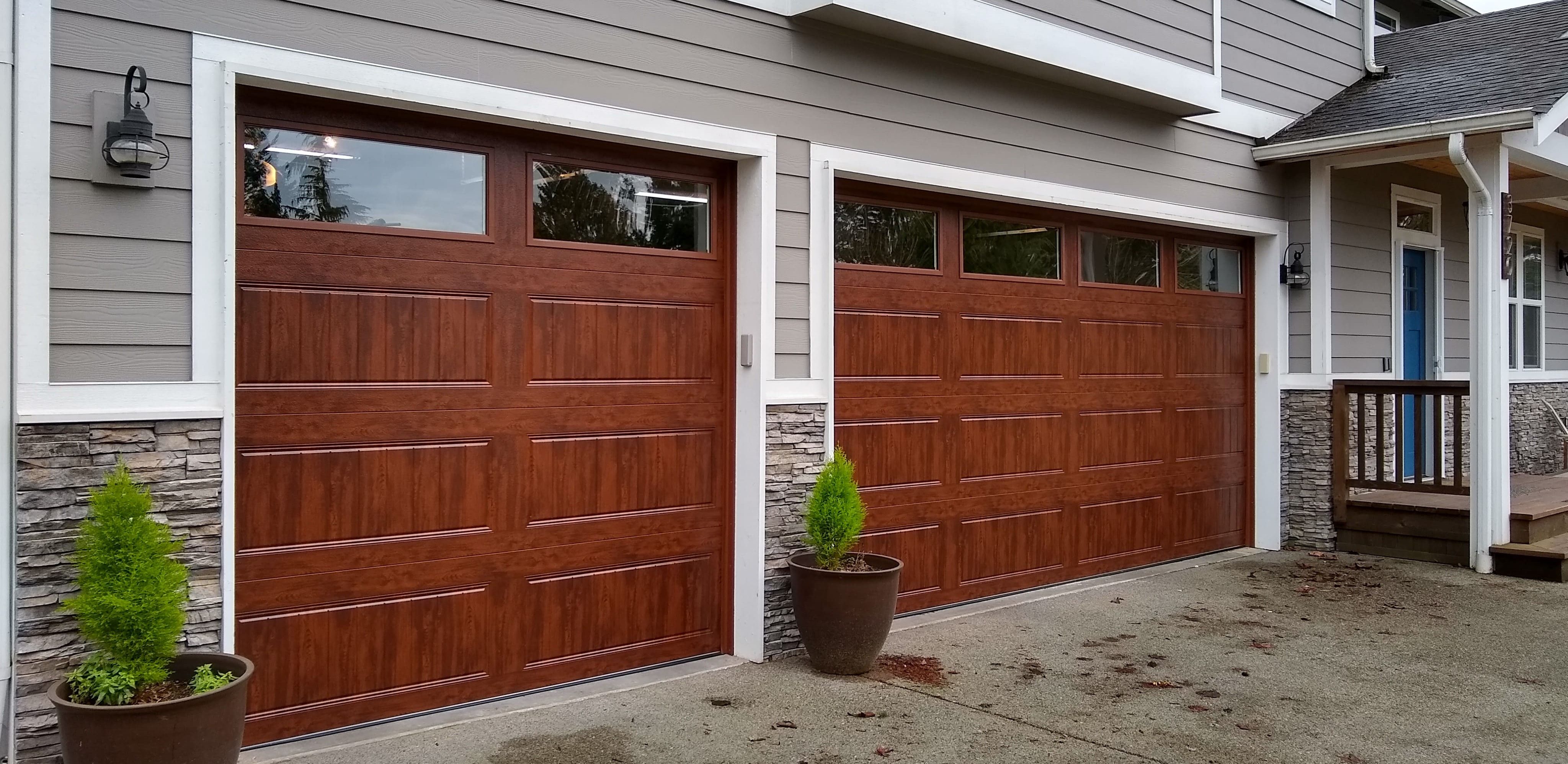
- Traditional raised panel: Most common, fits almost any house
- Carriage house: Looks like old barn doors, adds charm
- Modern: Smooth, flat panels, sleek hardware
- Glass panel: Lets in light, good for modern homes
Tip: Choose a color that matches your home’s trim or front door for a unified look.
Automatic Openers: Features And Choices
Almost all 2 car garage doors use automatic openers. Picking the right opener is important for convenience and safety.
Main Types
- Chain drive: Affordable, strong, but noisy
- Belt drive: Quieter, good for garages under bedrooms
- Screw drive: Fewer moving parts, needs less maintenance
Features To Look For
- Horsepower: ½ HP is enough for most doors, but heavy wood doors may need ¾ HP
- Smart controls: Remote apps, Wi-Fi, voice commands
- Safety sensors: Stops door if something is in the way
Example: If you plan to use your garage as a workshop, a quiet belt drive opener can make it easier to work without loud noise.
Credit: www.amishbackyardstructures.com
Cost Breakdown
Price depends on size, material, insulation, and installation.
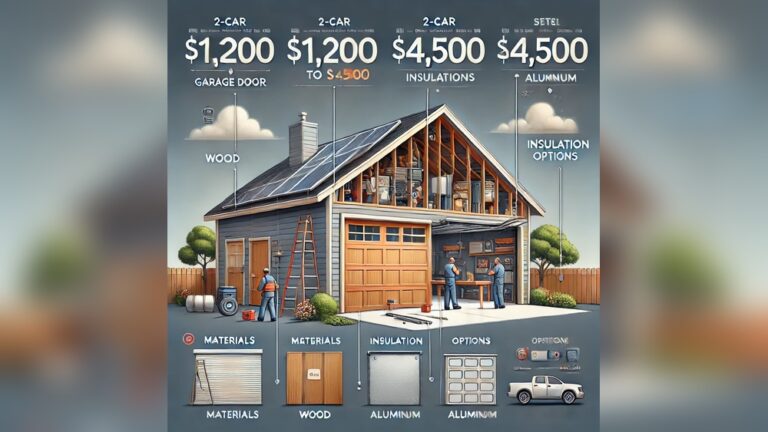
- Basic steel door: $800–$1200 (including installation)
- Insulated steel door: $1300–$1800
- Wood door: $2000–$4000
- Aluminum door: $1000–$1500
Automatic opener: Add $250–$600 for a good opener and installation.
Non-obvious insight: Many sellers quote door price only. Always ask about installation, opener, and removal of your old door.
Installation: Diy Or Professional?
Installing a 2 car garage door is complex. It’s heavy, needs careful balancing, and mistakes can be dangerous.
Professional Installation
- Takes 3–5 hours
- Includes removal of old door
- Warranty on parts and labor
Diy Installation
- Save $300–$500
- Needs tools and helpers
- Risk of injury if springs or cables are mishandled
Tip: For beginners, professional installation is safer and more reliable.
Maintenance Tips
A garage door lasts 15–30 years with proper care. Simple maintenance keeps it running smoothly:
- Lubricate moving parts every 6 months
- Check balance and tension once a year
- Inspect weather seals for cracks
- Tighten bolts and screws regularly
- Clean tracks to prevent jams
Example: A $10 can of silicone spray can prevent squeaks and wear, saving you hundreds in repairs over time.
Security And Safety
Garage doors are a common entry point for burglars. Take these steps to boost security:
- Choose doors with reinforced panels
- Install a smart opener with rolling code technology
- Add a deadbolt or manual lock for extra protection
- Cover windows to block view inside garage
Safety tip: Always test your automatic reverse sensor monthly. Place an object in the door’s path and make sure it stops.
Repair: Common Issues And Solutions
Even the best doors can develop problems. Here are frequent issues and easy fixes:
- Door won’t open: Check power, remote battery, or opener settings
- Door is noisy: Lubricate rollers and tracks
- Door is uneven: Inspect springs and cables, call a pro if damaged
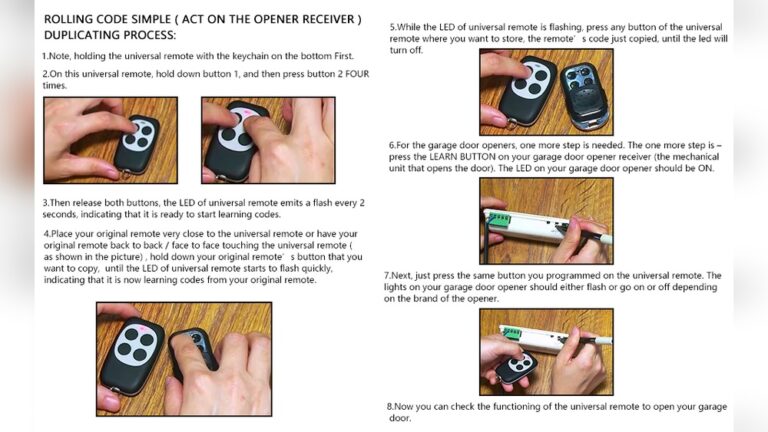
- Remote doesn’t work: Reprogram or replace batteries
Non-obvious insight: Springs are under high tension. Never try to fix broken springs yourself; always call a professional.
Comparing 2 Car Vs. 2 Single Garage Doors
Some homeowners wonder if they should choose one big door or two single doors. Here’s a practical comparison:
| Feature | 2 Car Door | 2 Single Doors |
|---|---|---|
| Ease of parking | Better for large vehicles | Can be tight for wide cars |
| Cost | Usually lower | Higher (two openers needed) |
| Convenience | One remote, one opener | Two remotes, more parts |
| Appearance | Modern, unified look | Classic, symmetrical |
| Failure risk | If broken, both cars blocked | One side can still open |
Tip: If you worry about mechanical failure, two single doors offer backup if one opener breaks.
Credit: www.doorvana.com
Environmental Impact
More homeowners care about eco-friendly options. Consider these points:
- Insulated doors save energy, reduce carbon footprint
- Recycled steel and aluminum doors are widely available
- Paints and finishes can be low-VOC (less toxic)
Non-obvious insight: Upgrading from an old, uninsulated door to a modern insulated model can cut your annual heating and cooling costs by $100–$300, based on regional averages.
Common Buyer Mistakes
Many beginners make errors when buying a 2 car garage door:
- Ignoring insulation: Leads to higher energy bills and uncomfortable garages
- Not measuring opening correctly: Causes fit problems and extra cost
- Choosing low-quality openers: Results in noise or frequent repairs
- Skipping professional installation: Can lead to safety risks
- Overlooking maintenance: Shortens door life
Tip: Always double-check measurements, read reviews, and ask about warranties.
Example Scenario
Let’s look at a real-life example:
Sarah owns a 2 car garage in Dallas. Her garage faces west, so it gets hot in summer. She chooses an insulated steel door with an R-value of 15. After installation, her garage temperature drops by 12°F (about 6°C), and her energy bill lowers by 10%. She also installs a smart opener with Wi-Fi, so she can check the door from her phone. This improves security and makes life easier.
Where To Find More Information
For detailed technical standards and more data about garage doors, visit the International Door Association. This site offers guides, safety tips, and industry news.
Frequently Asked Questions
What Is The Standard Size For A 2 Car Garage Door?
A standard 2 car garage door is 16 feet wide and 7 or 8 feet tall. Some homes may use 18-foot doors for larger vehicles.
How Much Does A 2 Car Garage Door Cost?
Prices range from $800 to $4000, depending on material, insulation, and installation. Most homeowners spend around $1500–$2000 including opener and installation.
Should I Choose An Insulated Garage Door?
If your garage is attached to your home, or you live in extreme climates, an insulated door is recommended. It saves energy and keeps your garage comfortable.
Can I Install A 2 Car Garage Door Myself?
Installation is possible but risky for beginners. The door is heavy, and springs are dangerous. Professional installation is safer and usually comes with a warranty.
What Is The Best Material For A 2 Car Garage Door?
Steel is the most popular due to its strength and low maintenance. Wood is beautiful but needs more care. Aluminum and fiberglass are good for specific climates.
Final Thoughts
A 2 car garage door is more than just a home upgrade—it affects your comfort, security, and energy bills. Choosing the right size, material, and features makes daily life easier. Take time to measure, compare options, and ask for professional help when needed. With these practical tips, you can find a garage door that fits your home and budget for years to come.