
If you’re thinking about building or buying a home with a 3 car garage, you’re not alone. Many families today want extra space for vehicles, storage, and hobbies. But what size should a 3 car garage be? Getting the dimensions right is important. The right garage size keeps your cars safe, gives you room to move, and adds value to your property. Let’s look at the most common 3 car garage dimensions, what each size offers, and how to decide which is best for you.
Why Garage Dimensions Matter
Choosing the right garage dimensions is more than just picking a number. The size affects:
- How easily you can park and open car doors
- Space for storage or a workshop
- Future resale value of your home
A garage that’s too small causes daily frustration. If it’s too big, you may waste money and yard space. That’s why it’s worth understanding the different standard sizes for a 3 car garage.
The Three Most Common 3 Car Garage Dimensions
When people say “3 car garage,” they usually mean one of these three sizes:
- Small 3 Car Garage: 28 feet wide x 20 feet deep
- Standard 3 Car Garage: 32 feet wide x 22 feet deep
- Large 3 Car Garage: 36 feet wide x 24 feet deep
Each of these sizes fits three vehicles, but the extra space and comfort level vary. Let’s look at each one in detail.
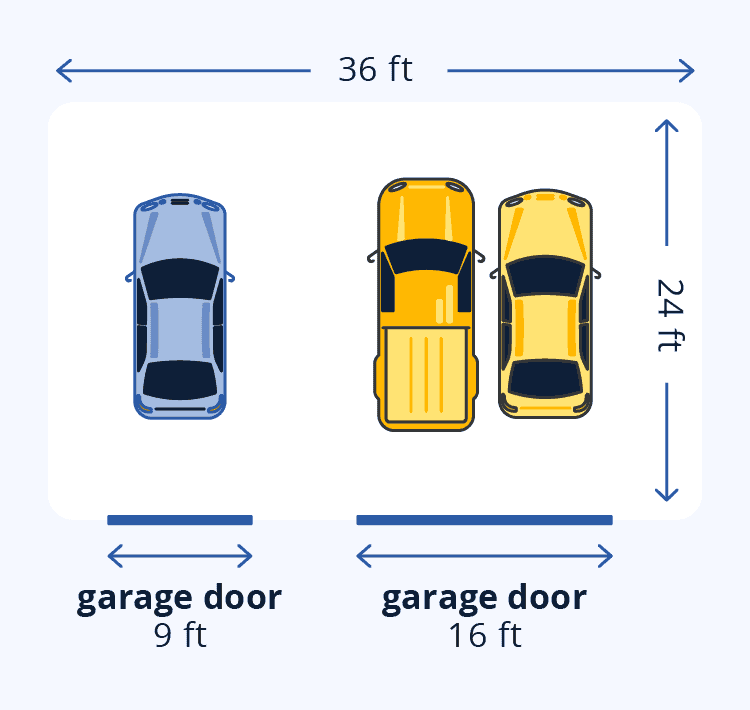
Credit: alansfactoryoutlet.com
1. Small 3 Car Garage (28×20 Feet)
A small 3 car garage is the tightest option. It measures about 28 feet wide and 20 feet deep. This is the minimum size to fit three compact cars side by side.
Pros
- Uses less land: Good for small lots.
- Lower cost: Less building material and smaller foundation.
- Easier to heat/cool: Smaller space means less energy use.
Cons
- Tight fit: Opening doors or trunk may be difficult.
- Little storage: Not much room for bikes, tools, or boxes.
- Not for large vehicles: Pickups, SUVs, or vans may not fit well.
Real-world Example
Suppose you own three compact sedans like a Honda Civic or Toyota Corolla. Each car is about 6 feet wide. Three cars need 18 feet, which leaves just 10 feet for walking space and garage doors. With only 20 feet of depth, you can park the cars but won’t have much space in front or behind them.
Small 3 Car Garage Quick Facts
- Best for: Compact cars, homeowners with limited space
- Typical garage doors: Three single 8-foot doors or one double + one single door
- Storage: Very limited
2. Standard 3 Car Garage (32×22 Feet)
The standard 3 car garage is 32 feet wide and 22 feet deep. This is the most popular size for new homes in the U.S. It balances parking and storage.
Pros
- Fits most vehicles: Works for sedans, small SUVs, and crossovers.
- Some storage: Room for shelves, bikes, or a workbench.
- More comfortable: Easier to open doors and walk around.
Cons
- Still tight for big trucks: Long pickups may stick out.
- Shared space: If you add lots of storage, parking gets tighter.
Example Scenario
Imagine you have two mid-size SUVs and one compact car. Each SUV is about 6.5 feet wide and 16 feet long. You’ll have space to park, open doors, and maybe store a lawnmower or bikes at the back.
Standard 3 Car Garage Quick Facts
- Best for: Small families, average vehicles
- Typical garage doors: Three single doors or a mix of double and single
- Storage: Room for some shelving or cabinets
3. Large 3 Car Garage (36×24 Feet)
A large 3 car garage measures 36 feet wide and 24 feet deep. This size is for maximum comfort and flexibility.
Pros
- Fits large vehicles: Pickups, full-size SUVs, and vans fit easily.
- Ample storage: Extra space for tools, bikes, freezers, or even a small workshop.
- Future-proof: Easier to adapt if you change vehicles or use the garage for other purposes.
Cons
- More expensive: Costs more to build and maintain.
- Takes more space: May not suit smaller lots.
Practical Example
Suppose your family owns a pickup truck, a full-size SUV, and a minivan. Each is around 7 feet wide and 18 feet long. With a 36×24 garage, you can park all three and still have space for a workbench, bicycles, and storage shelves.
Large 3 Car Garage Quick Facts
- Best for: Large vehicles, hobbyists, and extra storage needs
- Typical garage doors: Three 9-foot doors, or one 18-foot double plus one single door
- Storage: Plenty of room
Comparison Of 3 Car Garage Dimensions
Here’s a side-by-side comparison to help you see the differences:
| Garage Size | Width | Depth | Fits Large Vehicles? | Storage Space |
|---|---|---|---|---|
| Small | 28 ft | 20 ft | No | Very limited |
| Standard | 32 ft | 22 ft | Some | Moderate |
| Large | 36 ft | 24 ft | Yes | Ample |
What Else Affects Garage Size?
Choosing your 3 car garage dimension isn’t just about width and depth. Consider these key factors:
Door Configuration
- Single doors (8-9 feet wide) are easier for small cars.
- Double doors (16-18 feet wide) are better for larger vehicles or when you want more flexibility.
- Some garages use one double and one single door.
Ceiling Height
Most garages have an 8-foot ceiling. If you need a car lift, tall shelves, or a loft, consider a 10- or 12-foot ceiling.
Driveway And Access
Make sure the garage doors line up with your driveway. Turning space is important, especially for large vehicles.
Climate And Insulation
In cold or hot climates, a well-insulated garage protects your cars and stored items.
Common Mistakes When Choosing Garage Size
Many people regret their garage size later. Here are common mistakes:
- Focusing only on cars: Forgetting about storage, bikes, or tools.
- Ignoring vehicle changes: Buying a garage that fits today’s cars, but not future ones.
- Overlooking door sizes: Choosing doors that are too narrow or low.
- Not measuring driveway space: Making parking awkward or difficult.
- Skipping local codes: Some neighborhoods have rules about garage size or style.
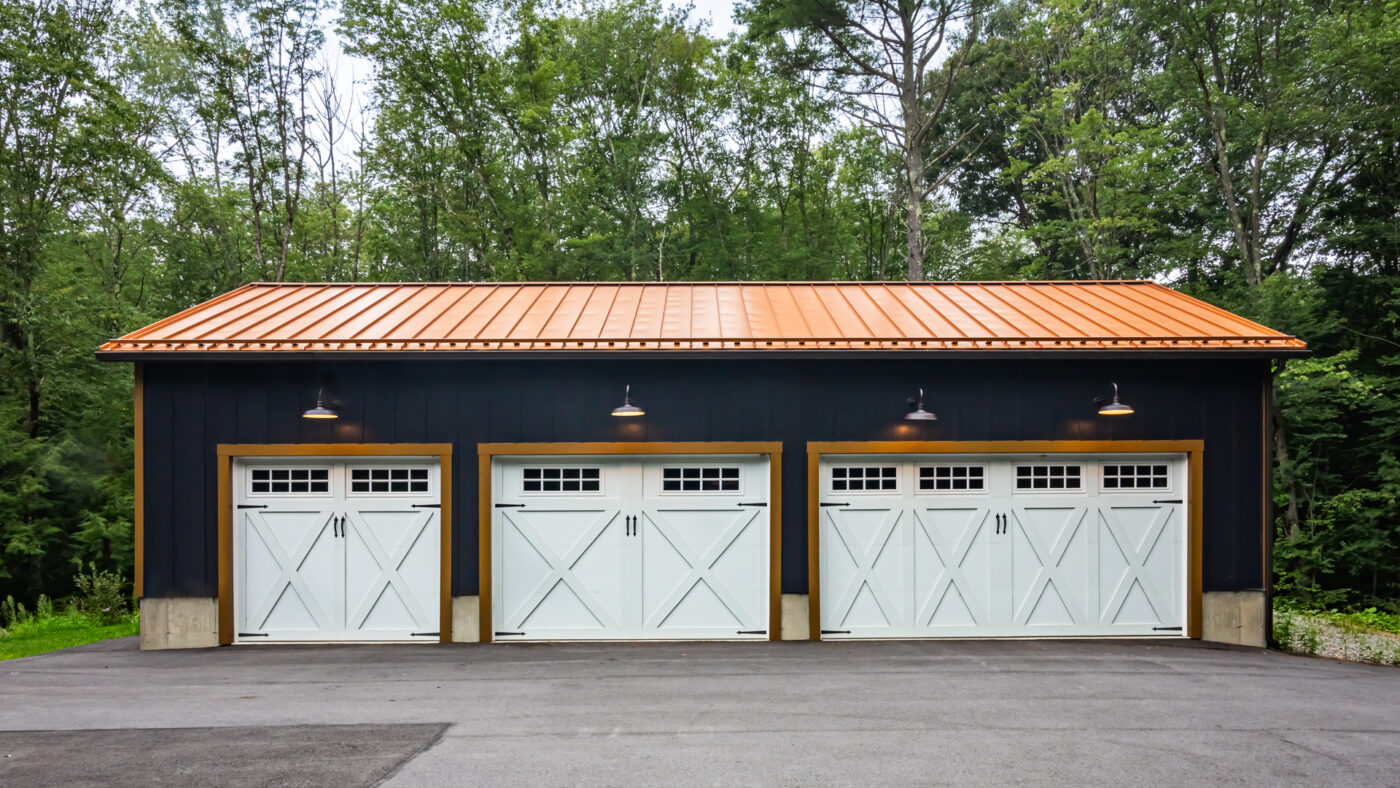
Credit: shedsunlimited.net
Real-world Data: Car And Garage Sizes
To help you decide, let’s compare average car and garage sizes:
| Vehicle Type | Average Width | Average Length |
|---|---|---|
| Compact Car | 6 ft | 14 ft |
| Mid-size SUV | 6.5 ft | 16 ft |
| Full-size Pickup | 7 ft | 18 ft |
Garage planners recommend at least 2 feet of space on each side of a parked car for easy entry and exit.
How To Choose The Best 3 Car Garage Size
Here’s how to make a smart choice:
- List your vehicles: Measure each one’s width and length.
- Add space for walking: Leave at least 2 feet between cars and walls.
- Plan for storage: Shelves, bikes, and tools need space.
- Think about the future: Will you get a bigger car, boat, or trailer?
- Check local codes: Some places limit garage size or require certain setbacks.
If you’re unsure, mark out the size in your driveway with tape or cones. Park your cars and see how much space feels comfortable.
Cost Differences: Small Vs. Large 3 Car Garage
Building a bigger garage costs more, but how much more? On average:
- Small 3 car garage: $25,000–$35,000
- Standard 3 car garage: $35,000–$50,000
- Large 3 car garage: $50,000–$70,000
Prices vary by location, materials, and if you add insulation or heating. Remember, the extra cost may add value to your home when you sell.
Storage And Organization Tips
No matter which size you pick, smart storage makes life easier:
- Wall shelves save floor space.
- Ceiling racks hold seasonal items.
- Pegboards organize tools.
- Corner cabinets use awkward spaces.
- Bike hooks keep bikes off the ground.
If you plan ahead, you can fit more than just cars in your garage.
Table: Sample Layout For A 36×24 3 Car Garage
Here’s a simple way you could organize a large 3 car garage:
| Area | Size (ft) | Purpose |
|---|---|---|
| Parking Bays (3) | 21 x 24 | Vehicles |
| Side Storage | 4 x 24 | Shelves, bikes |
| Back Wall | 11 x 3 | Workbench, tools |
A clear plan helps you use every inch efficiently.
Non-obvious Insights For Beginners
- Garage door width matters as much as garage size. Many people build a wide garage, but choose doors that are too narrow. Go for at least 9-foot wide doors for large vehicles.
- Depth is often more valuable than width. A few extra feet at the back lets you store bikes or create a work area—even in a small garage.
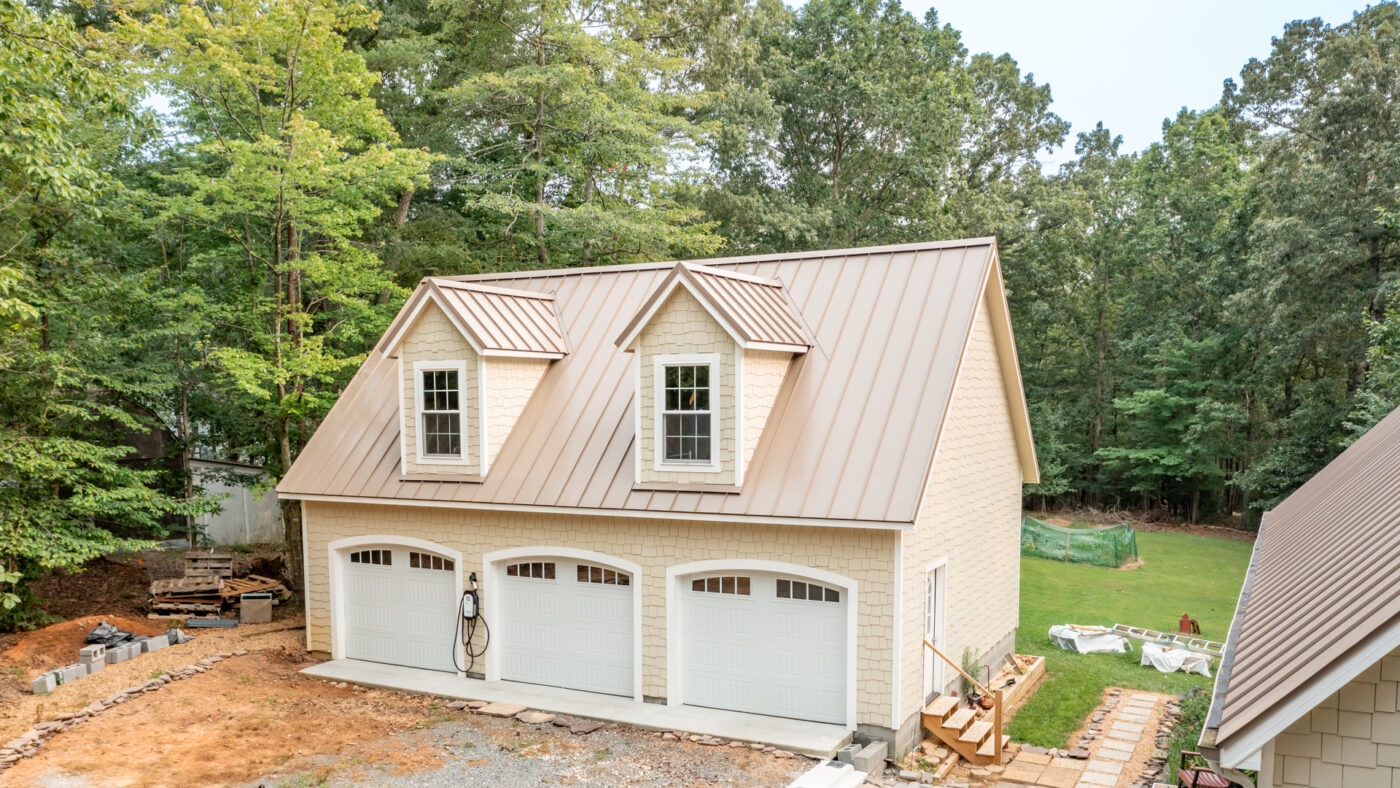
Credit: shedsunlimited.net
Where To Find More Information
If you want more detailed guides or local building codes, check the Wikipedia Garage Article for a good starting point.
Frequently Asked Questions
What Is The Minimum Size For A 3 Car Garage?
The smallest practical 3 car garage is about 28 feet wide by 20 feet deep. This fits three compact cars side by side, but leaves little space for storage or large vehicles.
Can I Park Three Trucks In A Standard 3 Car Garage?
A standard 32×22 foot garage is usually too tight for three full-size trucks. You may need a 36×24 foot garage to park them comfortably and open the doors easily.
How Tall Should My Garage Ceiling Be?
Most garages have 8-foot ceilings, which fit standard cars and SUVs. For tall vehicles or if you want to install a car lift, consider a 10- or 12-foot ceiling.
Does A Bigger Garage Add Value To My Home?
Yes, a larger 3 car garage can increase home value, especially in areas where people own large vehicles or need storage. But, the garage should match the size and style of the house.
What Is The Best Door Configuration For A 3 Car Garage?
The best setup is often three single 8- or 9-foot doors or one 16-foot double door plus one single door. This gives flexibility and makes parking easier for different car sizes.
Designing the right 3 car garage takes planning, but the payoff is huge. With the right dimensions, your garage will be comfortable, practical, and a valuable part of your home for years to come.