
A bird flying into your garage can quickly turn from a small surprise into a stressful problem. The open space, bright lights, and shelter can attract birds. But once inside, they often panic and can’t find the way out. If you want to know how to get a bird out of your garage safely and quickly, you’re not alone. Many homeowners face this issue, especially in spring and summer. Acting calmly and using the right steps is important for both your peace and the bird’s safety.
This guide covers practical steps, common mistakes, and tips that most beginners miss. You’ll learn exactly what to do, how to avoid hurting the bird, and how to keep birds from returning. By the end, you’ll feel confident handling this situation and know how to make your garage less inviting to feathered visitors.
Why Birds Enter Garages
Birds don’t fly into garages for fun. Common reasons include:
- Searching for food: Some garages store pet food, seeds, or trash.
- Seeking shelter: Garages offer protection from weather and predators.
- Confusion: Bright lights or windows can trick birds into thinking your garage is outside.
- Nesting: In spring, birds look for safe places to build nests.
Understanding these reasons helps you prevent future visits. For example, closing your garage door quickly or removing food can make a big difference.
Immediate Actions: Stay Calm And Assess
When you see a bird trapped in your garage:
- Stay calm. Birds are very sensitive to noise and movement. Fast actions can scare them, making it harder to guide them out.
- Keep pets and children away. Curious pets or kids may frighten the bird, causing it to fly higher or hide.
- Turn off fans and machinery. Spinning objects or loud noises can injure or stress the bird.
Many people rush or try to catch the bird right away. This often pushes the bird further into the garage or causes injury. Observing the bird’s behavior for a minute gives you clues on how to help it exit.

Credit: www.reddit.com
Create A Clear Exit Path
Birds usually fly toward light. Use this natural instinct to your advantage:
- Open all doors and windows leading outside. The bigger the opening, the easier for the bird to see the way out.
- Turn off inside lights and cover or dim windows that do not lead outside.
- Remove obstacles near the exit, like boxes or tools.
Most birds will head toward the brightest exit. If possible, stand quietly away from the path to avoid scaring the bird back inside.
Use Gentle Encouragement
If the bird does not leave right away, try these gentle methods:
- Stay quiet and patient. Give the bird several minutes to calm down.
- Use a broom or stick (with caution). Hold it high—not close to the bird—and gently guide the bird toward the exit. Never swing or poke.
- Play outdoor bird sounds near the open door. This can attract the bird toward the exit.
- Create a light trail. Place a flashlight or lamp near the exit to increase brightness.
Avoid direct contact. Most birds are fragile, and even small touches can injure them.
What To Do If The Bird Hides
Sometimes, birds hide on rafters, shelves, or behind items in your garage. Here’s how to help:
- Wait quietly. Birds often come down when they feel safe.
- Remove or lower stored items. If safe to do so, create a clear line for the bird to fly out.
- Use a ladder only if you are comfortable and can do so safely.
- Don’t throw objects or try to catch the bird with your hands.
If the bird seems stuck or injured, call a local wildlife rescue for help.
Common Mistakes To Avoid
Many beginners make errors that can make the problem worse. Watch out for these mistakes:
- Chasing the bird: This causes panic and can lead to injuries.
- Closing the exit too soon: Wait until you are sure the bird has left.
- Loud noises or sudden movements: These scare the bird deeper into hiding.
- Trying to grab with bare hands: Birds can bite, scratch, or carry diseases. They are also easily injured.
How Long Will It Take?
Most birds leave within 10–30 minutes if given a clear path and quiet space. However, some may take up to a few hours, especially if they are scared or tired.
Below is a simple table showing average escape times based on bird size:
| Bird Size | Average Escape Time |
|---|---|
| Small (sparrow, wren) | 10–30 minutes |
| Medium (robin, starling) | 15–45 minutes |
| Large (pigeon, dove) | 30–60 minutes |
If the bird does not leave after an hour, try changing the exit or asking for professional help.
When To Call For Help
Sometimes, you need expert help. Call your local animal control or a wildlife rescue if:
- The bird is injured or cannot fly.
- It’s a protected or rare species (e.g., hawk, owl, swallow).
- The bird is in a dangerous spot (e.g., tangled in wires, behind machinery).
- You feel unsafe using a ladder or tools.
Wildlife professionals have the right tools and experience to handle the situation safely.

Credit: freedomwildlifesolutions.com
How To Prevent Birds From Entering Again
Prevention is often easier than removal. To stop birds from returning:
- Close garage doors quickly, especially in the morning and evening.
- Check for holes or gaps in walls, roofs, or eaves. Patch or seal them.
- Install mesh screens over vents and windows.
- Remove food sources like seeds, pet food, or open trash.
- Hang visual deterrents such as shiny tape, streamers, or a plastic owl.
Here’s a quick comparison of prevention methods and their effectiveness:
| Method | Effectiveness | Cost |
|---|---|---|
| Closing doors quickly | High | Free |
| Mesh screens | High | Low–Medium |
| Visual deterrents | Medium | Low |
| Removing food | High | Free |
Regular checks can help you spot problems before birds do.
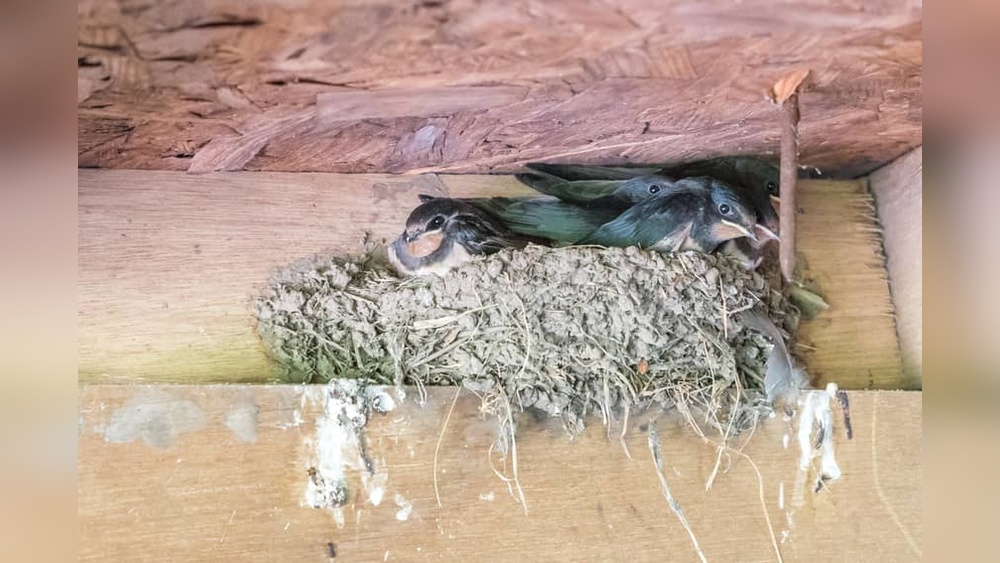
Special Cases: Nests And Baby Birds
Sometimes, birds enter garages to build nests. If you find a nest:
- Do not remove eggs or chicks yourself. In many areas, this is illegal without a permit.
- Wait for the nest to empty. Most songbirds fledge in 2–3 weeks.
- Block access after the birds leave to prevent new nests.
If you must move a nest for safety, call a wildlife expert first. Removing nests can harm bird populations and break local laws.
What Beginners Often Miss
Here are two key insights that most first-timers overlook:
- Birds use memory and habit. If a bird leaves your garage but finds food or shelter, it may come back. Remove all attractants after you free the bird.
- Birds can become dehydrated quickly. If a bird is trapped for hours, look for signs like weakness or quiet chirping. Opening the exit quickly is important for their health.
Safety Tips For You And The Bird
Keeping both you and the bird safe is the top priority:
- Wear gloves if you must handle any objects near the bird.
- Use a mask if you clean up droppings afterward; bird droppings can carry disease.
- Wash your hands well after any contact.
If the bird has bitten or scratched you, clean the area and call your doctor. Most birds in North America are not dangerous, but it’s better to be cautious.
What If The Bird Is Not Leaving?
If the bird seems exhausted or cannot find the way out even after an hour:
- Place a shallow container of water near the exit.
- Dim all lights except near the open door.
- Try leaving the garage for 15–30 minutes. Birds sometimes leave when they sense no humans nearby.
Below is a quick reference on what to do based on bird behavior:
| Bird Behavior | Best Action |
|---|---|
| Flying near ceiling | Open higher windows/doors, wait quietly |
| Hiding on shelves | Remove items, clear path to exit |
| Sitting still, appears tired | Offer water, call wildlife rescue if no movement |
Patience helps. Most birds will leave when they feel safe and see a clear way out.
Real-world Example
Last summer, a family in Ohio found a small sparrow trapped in their garage. They opened the main garage door and turned off all inside lights. At first, the bird flew in circles, confused by a bright side window. After covering the window with cardboard and placing a lamp near the open door, the sparrow found the exit in less than 20 minutes.
This example shows the value of using light and patience rather than panic or force.
Additional Resources
For more detailed advice or if you need to identify a bird species, the Cornell Lab of Ornithology offers helpful guides and tools. Visit their website at All About Birds.
Frequently Asked Questions
How Can I Keep Birds From Entering My Garage In The Future?
Keep doors closed when not in use. Seal gaps or holes in walls and roofs. Remove food sources and use mesh screens over vents and windows.
What If The Bird Builds A Nest In My Garage?
Wait for the birds to finish nesting (usually 2–3 weeks). After they leave, remove the nest and block entry points. Contact wildlife experts if you must remove a nest with eggs or chicks.
Is It Okay To Touch Or Catch The Bird?
Avoid touching or catching the bird. Birds are easily injured, and some can carry diseases. Only handle if it’s in immediate danger, and wear gloves.
The Bird Won’t Leave Even With The Door Open. What Should I Do?
Try making the exit brighter than the rest of the garage. Play outdoor bird sounds near the exit. If the bird is still trapped after an hour, call animal control or a wildlife rescue.
Are All Birds Protected By Law?
Many birds, especially songbirds and migratory species, are protected by law. It’s illegal to harm or remove nests in many cases. Check local rules or call a wildlife expert before taking action.
Getting a bird out of your garage doesn’t have to be stressful. With a calm approach, patience, and the right steps, you can safely guide the bird back outside. Prevention is key—keep your garage secure and make it less inviting to avoid repeat visits.
If you’re ever unsure, don’t hesitate to ask professionals for help. This way, you protect both your home and your feathered visitors.

Credit: 3sonsplus1.blogspot.com