
Opening The Garage Door: A Beginner-friendly Guide
Most people use their garage door every day, but few stop to think about how it works—or what to do when it suddenly won’t open. Whether you use a remote, a keypad, or a good old-fashioned handle, knowing how to open the garage door safely and quickly is important for home security and convenience.
This guide will show you the safest and easiest ways to open different types of garage doors, explain common problems, and help you avoid mistakes that can cost time and money.
How Garage Doors Work
Garage doors seem simple, but there’s a lot going on behind the scenes. Most garage doors use a spring system to balance the heavy weight of the door. This makes it possible to lift the door by hand or with a small motor.
There are two main types of spring systems:
- Torsion springs (usually above the door)
- Extension springs (run along the tracks)
Most modern homes use an automatic garage door opener with a motor that moves the door up and down. The opener connects to the door with a metal arm and uses a chain, belt, or screw drive to move it.
Common types of garage doors:
- Sectional doors: Made of panels that bend as the door opens.
- One-piece doors: Swing out or up as a single panel.
Knowing the type of door and opener you have will make it easier to troubleshoot problems.
Manual Garage Doors: Opening And Safety
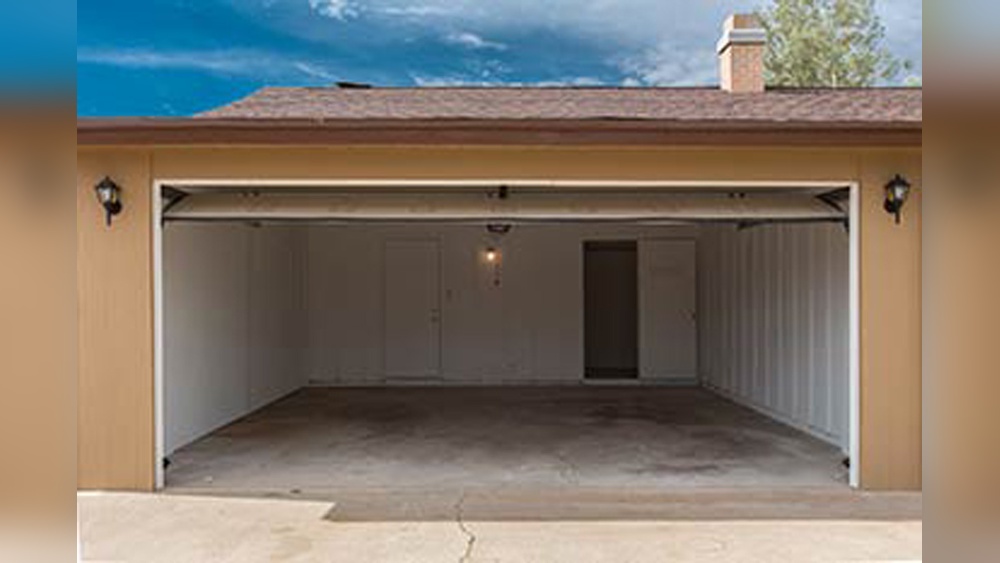
Manual garage doors do not use a motor. You open and close them by hand, usually with a handle at the bottom.
How to open a manual garage door:
- Stand facing the inside of the door.
- Unlock the handle if it’s locked.
- Grip the handle firmly.
- Lift the door slowly, using your legs, not your back.
- Make sure the door stays open on its own. If it falls down, the springs may be broken.
Safety tips:
- Never force a door that won’t move. This can break the springs or tracks.
- Watch your fingers and keep children away from the door.
- If the door is heavy or noisy, call a professional for maintenance.
Manual doors are simple, but their springs can be dangerous if damaged. If you hear a loud bang or the door becomes hard to lift, get expert help.
:max_bytes(150000):strip_icc()/GettyImages-184660076-5840ee375f9b5851e52d893e.jpg)
Credit: www.thespruce.com
Opening An Automatic Garage Door
Most homes now have automatic garage door openers. You can open the door with:
- A remote control
- A keypad mounted outside
- A wall button inside the garage
Basic steps for opening:
- Press the button on your remote, keypad, or wall.
- Wait for the door to move fully up.
- Do not drive in or out until the door is completely open.
If the opener doesn’t work:
- Check the batteries in your remote.
- Make sure the opener is plugged in.
- Confirm the safety sensors near the floor are aligned and free of dust.
- If there’s a power outage, use the emergency release cord.
Emergency release:
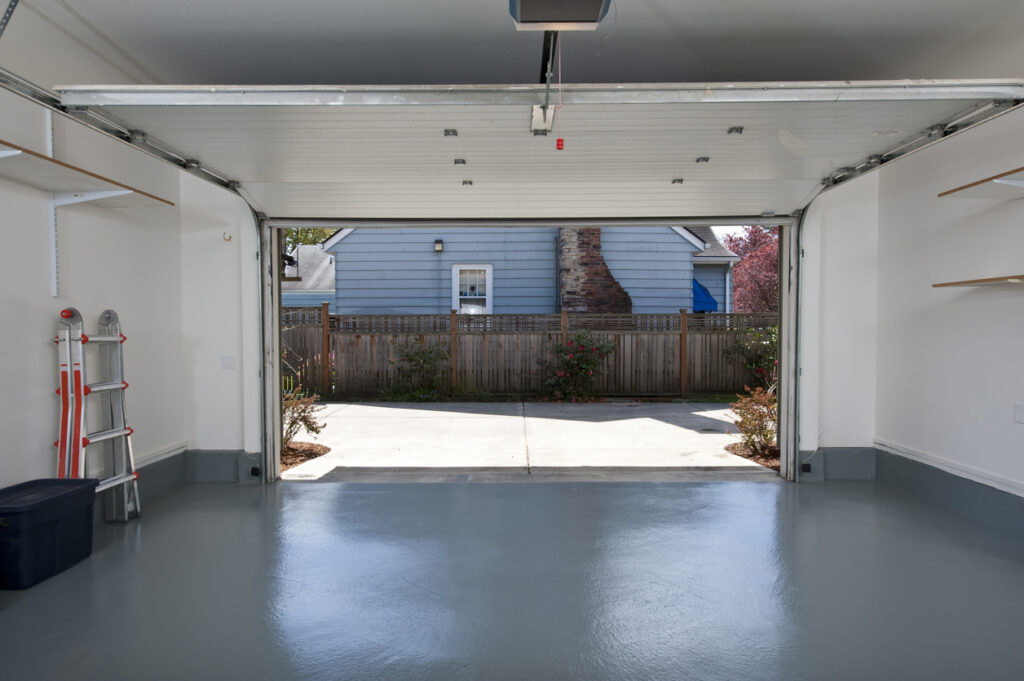
Every automatic opener has a red cord hanging from the track. Pull this cord to disconnect the door from the opener. You can now lift the door by hand.
Important: Only use the emergency release when the door is fully closed, if possible. If the door is open and you pull the cord, it could slam shut suddenly.
Common Problems And How To Fix Them
Even the best garage doors have problems. Here are some common issues and how to solve them:
1. Remote Control Doesn’t Work
- Replace the batteries.
- Stand closer to the door.
- Check for signal interference from nearby electronics.
2. Door Won’t Move
- Make sure the opener has power.
- Look for broken springs or cables.
- Check if the door is locked.
3. Door Reverses Before Closing
- Clean the safety sensors.
- Move objects out of the sensor’s path.
- Adjust the sensor alignment.
4. Noisy Operation
- Lubricate the rollers and hinges with garage door spray.
- Tighten any loose bolts.
If problems continue, contact a licensed technician. Attempting to fix springs or cables yourself can be dangerous.
Credit: www.clopaydoor.com
Comparing Manual Vs. Automatic Garage Doors
Choosing between manual and automatic garage doors depends on your needs, budget, and safety concerns. Here’s a quick look at the differences:
| Feature | Manual Door | Automatic Door |
|---|---|---|
| Ease of Use | Requires lifting by hand | Opens with button or remote |
| Maintenance | Lower, but springs still need care | Needs motor, remote, and sensors checked |
| Safety | Fewer electronic parts to fail | Auto-reverse sensors protect against accidents |
| Cost | Cheaper to install | Higher upfront and repair costs |
Most families prefer automatic garage doors for convenience, but manual doors still work well for small garages or where power is unreliable.
Upgrading To A Smart Garage Door Opener
Smart technology is changing how we use garage doors. A smart garage door opener connects to your home Wi-Fi and lets you control your door from your phone, tablet, or even voice assistant.
Benefits of a smart opener:
- Open and close your door from anywhere
- Get alerts if the door is left open
- Share access with family or delivery services
Popular smart opener features:
- Integration with Amazon Alexa or Google Assistant
- Scheduling automatic closing at night
- Camera for monitoring deliveries
Example: The Chamberlain MyQ is a top-rated smart opener that works with most brands. It sends notifications and lets you check door status anytime.
Data point: According to a 2023 consumer report, over 60% of new garage door openers sold in the US are smart-enabled.
Upgrading usually costs $100–$250, plus installation. If you already have a working motor, you may only need a smart controller.
Opening Your Garage Door During A Power Outage
Losing power is stressful, but you don’t have to be trapped. Here’s how to get out safely:
- Make sure the door is closed before starting.
- Pull the emergency release cord (red handle).
- Lift the door slowly—garage doors are heavy!
- Drive your car out.
- Close the door manually and lock it if possible.
After power returns, reconnect the opener by pushing the door toward the motor until you hear a click. Always check the manual for your specific opener model.
Tip: Never try to lift a door that feels stuck or too heavy. This can mean a spring is broken, which is dangerous.
How To Improve Garage Door Security
Garage doors are a common entry point for burglars. Improving security protects your family and property.
Simple steps for better security:
- Always close the door when not in use.
- Add a deadbolt or padlock to manual doors.
- Use a rolling code remote (changes the code every use).
- Cover windows to hide valuables inside.
- Install a smart opener for remote monitoring.
- Never leave the remote in your car if parked outside.
Data: The FBI reports that 9% of home break-ins start with the garage. Taking small steps can reduce your risk.
Routine Maintenance Tips For Garage Doors
Regular maintenance keeps your garage door working smoothly and extends its life.
Monthly checks:
- Listen for new noises when opening or closing.
- Test the balance: Disconnect the opener and lift the door halfway. It should stay in place. If not, the springs need adjustment.
- Wipe safety sensors with a clean cloth.
- Check rollers for wear and lubricate moving parts.
Yearly tasks:
- Tighten all bolts and screws.
- Replace worn weather-stripping at the bottom of the door.
- Inspect cables for fraying.
If you find a problem you can’t fix, call a professional. Don’t ignore small issues—they can lead to expensive repairs.
Emergency Situations: What To Do
Sometimes, the garage door refuses to open at the worst moment—during a storm, when you’re late, or if the door is damaged.
Immediate steps:
- Check if there’s an obvious blockage or ice.
- Try the emergency release.
- If you need to get your car out quickly, ask a neighbor for help lifting.
- If the door is off its tracks or bent, do not force it.
Safety advice: Never try to repair broken springs or cables yourself. These parts are under high tension and can cause injury.
If you are locked out and can’t open the door, call a certified garage door repair service. Many offer 24/7 emergency help.
Credit: www.overheaddoorftwayne.com
Comparing Different Garage Door Materials
Garage doors come in several materials, each with its own strengths. Here’s a quick comparison:
| Material | Durability | Maintenance | Security |
|---|---|---|---|
| Steel | High | Low (may rust) | Strong |
| Wood | Medium | High (needs painting) | Moderate |
| Aluminum | Medium | Low | Moderate |
| Fiberglass | Low–Medium | Low | Lower |
Most new garage doors are made of steel for strength and low care. Wood doors are stylish but need more maintenance.
Environmental And Energy Efficiency Considerations
A well-insulated garage door can save money on heating and cooling, especially if your garage is attached to your home.
Key factors:
- Look for doors with a high R-value (insulation rating).
- Weather stripping helps block drafts.
- Light-colored doors reflect heat better in hot climates.
Example: Upgrading to an insulated door can cut garage energy loss by up to 70%, according to the US Department of Energy.
If you use your garage as a workshop or laundry room, this upgrade is especially valuable.
Frequently Asked Questions
How Do I Open The Garage Door If The Remote Is Lost?
If you lose your remote, try using the wall button inside the garage. If you’re locked out, many doors have a key-operated lock to disconnect the opener. For more security, contact your opener manufacturer for a replacement remote.
Why Won’t My Garage Door Open Even Though The Motor Runs?
This often means the door is disconnected from the opener (emergency release pulled) or there’s a broken part like a spring or chain. Inspect the connection and call a professional if you see damage.
Can I Open The Garage Door With My Phone?
Yes, if you have a smart garage door opener installed. These devices connect to Wi-Fi and let you use an app to open, close, and monitor your door from anywhere. Some popular brands include Chamberlain and Genie.
Is It Safe To Repair Garage Door Springs Myself?
No. Garage door springs are under very high tension and can cause serious injury. Always hire a trained technician for spring or cable repairs. Your safety is worth the cost.
What Should I Do If My Garage Door Gets Stuck Halfway?
First, check for visible blockages or objects blocking the tracks. Try the emergency release to move the door by hand. If it’s still stuck or crooked, call a professional to avoid further damage.
Opening the garage door should be easy and safe. By understanding how your door works, performing simple checks, and knowing when to call for help, you can avoid stress and keep your home secure. For more details on garage door safety and maintenance, visit the Centers for Disease Control and Prevention. Make garage door care part of your regular routine, and you’ll enjoy smooth operation for years to come.