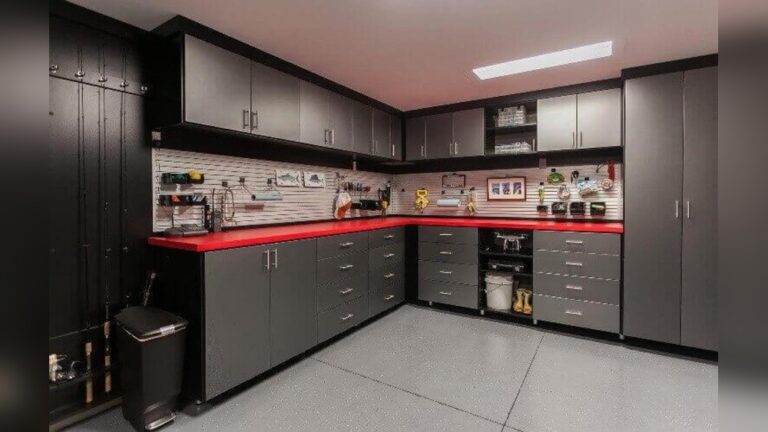

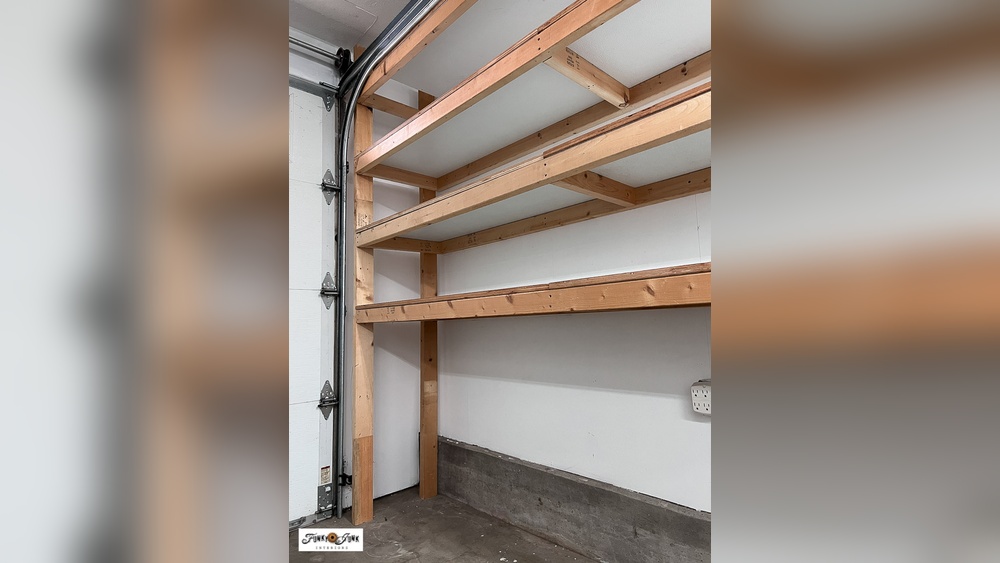
Finding the right garage shelving ideas can turn a messy space into a well-organized area. Many people struggle with clutter, lost tools, or lack of floor space. If you want a garage that’s easy to use and keeps your items safe, smart shelving solutions can make a huge difference.
This guide will show you beginner-friendly ways to choose and build garage shelves, with clear examples, practical data, and tips that help you avoid common mistakes. You’ll learn which shelving types suit your needs, how to compare materials, and how to install shelves with confidence.
Why Garage Shelving Matters
Many garages are used for storage, but most are not organized well. According to a recent survey, over 60% of homeowners say their garage is the most cluttered area in their home. Without good shelving, you risk:
- Losing tools and supplies
- Wasting valuable floor space
- Damaging items due to poor storage
Smart shelving helps you:
- Find things quickly
- Protect your belongings
- Make the garage safer and easier to clean
Popular Garage Shelving Types
There are several types of shelves you can use in your garage. Each has unique benefits. Let’s look at the most common options:
1. Wall-mounted Shelves
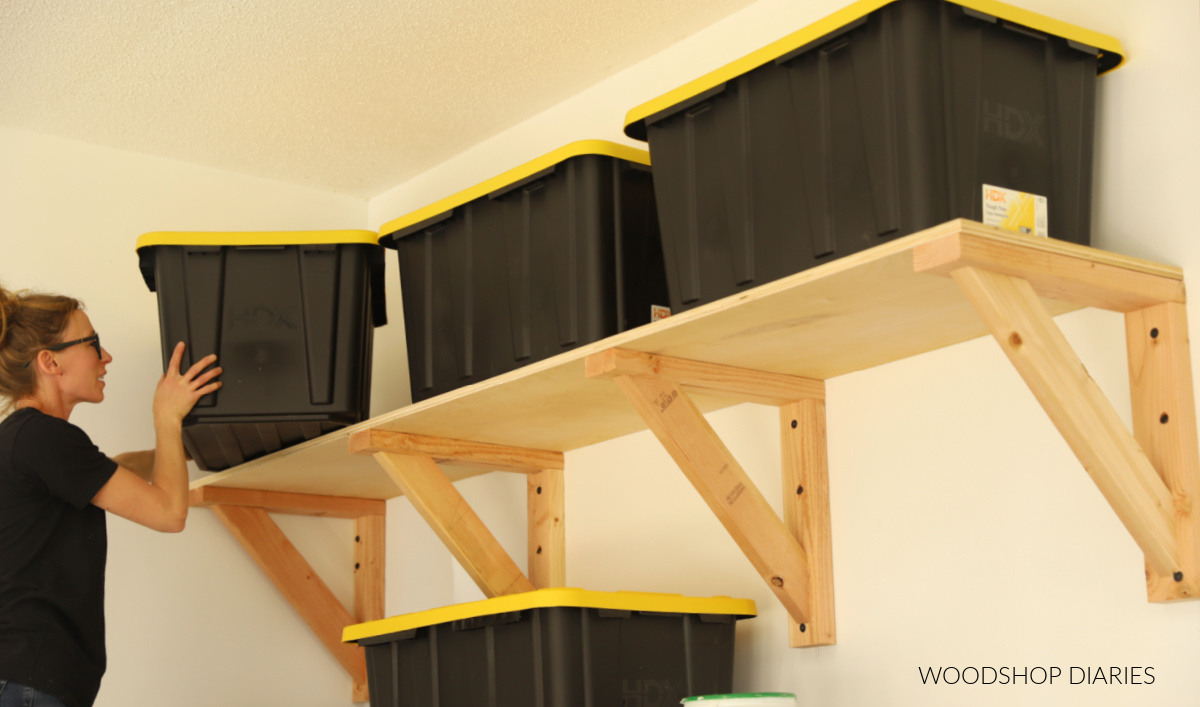
Wall-mounted shelves attach directly to the wall. They are perfect for storing items off the floor. Common materials include wood, metal, and plastic.
- Great for tools, paint cans, and small boxes
- Easy to install with basic tools
- Saves floor space
2. Freestanding Shelving Units
Freestanding shelves stand on their own. You can move them around, which is good for renters or people who change layouts often.
- Can hold heavy items like bins or power tools
- No need to drill into walls
- Comes in many sizes
3. Ceiling-mounted Shelves
Ceiling shelves hang from the garage ceiling. This is useful for items you don’t need often, like seasonal decorations.
- Uses unused overhead space
- Keeps floor clear
- Must be installed carefully for safety
4. Modular Shelving Systems
Modular shelves can be adjusted or expanded. If your storage needs change, you can add more shelves or move parts around.
- Flexible for growing families
- Often made from strong metal
- More expensive than basic shelves
5. Wire Shelving
Wire shelves are lightweight and allow air flow. They are good for preventing moisture buildup.
- Easy to clean
- Not ideal for very small items (they can fall through)
- Affordable price
Comparing Garage Shelving Materials
Choosing the right material is important for durability, cost, and safety. Here’s a quick comparison of popular materials:
| Material | Strength | Cost | Best Use |
|---|---|---|---|
| Metal | Very strong | Medium to high | Heavy tools, large bins |
| Wood | Strong | Medium | General storage |
| Plastic | Moderate | Low | Light items, seasonal gear |
| Wire | Moderate | Low | Cans, cleaning supplies |
Metal shelves last longer and hold more weight. Wood is easier to cut to size. Plastic resists moisture but can bend under heavy loads. Wire is good for airflow but not for heavy items.
Planning Your Garage Shelving
Before buying or building shelves, make a plan. Here’s how to start:
- Measure your garage space, including walls and ceiling height
- List the items you want to store (tools, bins, sports gear)
- Group items by size and weight
- Decide which items you need easy access to
A simple example: If you have heavy toolboxes, choose strong metal shelves. For light holiday decorations, ceiling shelves work well. Planning helps avoid buying the wrong size or type.
Step-by-step: Installing Wall-mounted Garage Shelves
Many beginners worry about installing shelves. Here’s a simple guide:
- Find studs in the wall (use a stud finder for safety)
- Mark shelf height with a pencil
- Drill pilot holes for brackets
- Attach brackets to the wall with screws
- Place shelf boards on brackets
- Check shelves are level and secure
Tip: Use at least two brackets for every shelf. For longer shelves, add extra brackets in the middle.
Garage Shelving Safety Tips
Safety is key. Here are practical tips:
- Do not overload shelves. Check weight limits (most metal shelves hold 200–800 lbs per shelf)
- Keep heavy items on lower shelves
- Anchor freestanding units to the wall to prevent tipping
- Use corner shelves for extra stability
Many beginners forget to check weight limits. Overloading shelves can cause collapse and damage. Always read manufacturer guidelines.

Credit: penniesforafortune.com
Maximizing Storage With Smart Shelving Ideas
To make the most of your garage, try these ideas:
- Use adjustable shelves so you can change heights for different items
- Install corner shelves in unused spaces
- Add bin storage on lower shelves for sports gear or gardening tools
- Use hooks and pegboards above shelves for hanging items
Another smart tip: Label bins and boxes. This makes finding items easier and keeps your system organized.
Garage Shelving For Small Spaces
If your garage is small, you need clever solutions. Here are proven ideas:
- Go vertical: Install shelves up high to use wall space
- Use slim shelving units (less than 12 inches deep)
- Combine shelving with storage hooks for bikes or ladders
- Store rarely used items on ceiling shelves
A real-world example: In a 10×12 foot garage, using wall shelves and ceiling racks can free up enough floor space for a car and a workbench.
Custom Vs. Ready-made Shelving
Should you build your own shelves or buy ready-made units? Here’s a simple comparison:
| Option | Pros | Cons |
|---|---|---|
| Custom | Fits exact space, personal design, strong materials | More work, higher skill needed, can cost more |
| Ready-Made | Quick to set up, less skill needed, often cheaper | Limited sizes, may not match garage perfectly |
If you’re a beginner, ready-made shelves are easier. Custom shelves are better if you need special sizes or want a unique look.
Common Garage Shelving Mistakes (and How To Avoid Them)
Many beginners make mistakes when setting up shelves. Here are the most frequent problems:
- Buying shelves too small or too weak for your items
- Ignoring wall studs, leading to unsafe installation
- Not measuring space correctly
- Storing heavy items up high (dangerous if they fall)
How to avoid: Always measure, check weight limits, and follow safety steps. Install shelves at easy-to-reach heights.
Cost Data: Garage Shelving Options
Garage shelving prices vary. Here are typical costs:
- Wire shelves: $40–$80 per unit
- Metal shelves: $100–$250 per unit
- Plastic shelves: $30–$60 per unit
- Wood shelves: $50–$120 per unit
DIY shelves can be cheaper if you have tools and skills. Ready-made units are faster to install. According to the National Association of Home Builders, investing in garage organization can increase home value by up to $2,000.
Real-life Example: Beginner Garage Shelving Success
John, a beginner homeowner, had a cluttered garage. He measured his space, bought two metal shelving units, and installed wall-mounted shelves for small tools. Using labeled bins, he organized sports gear and gardening supplies. In one weekend, John transformed his garage and found he could park his car and locate items easily.
The key was planning, using strong shelves, and labeling everything. Beginners often skip these steps, leading to messy results.

Credit: frillsanddrills.com
Expert Tips For Choosing Garage Shelving
Here are two insights most beginners miss:
- Humidity matters: If your garage is damp, metal or plastic shelves last longer than wood, which can warp.
- Future needs: Plan for changes—kids, hobbies, or new tools. Choose shelves you can adjust or expand.
Always think ahead. It’s better to buy shelves you can grow into than replace them every few years.
Garage Shelving Maintenance
Shelves need care to last. Here’s how:
- Clean shelves every season
- Check for rust or damage (metal and wire shelves)
- Tighten screws and brackets
- Replace damaged boards or supports
Well-maintained shelves can last 10+ years. Neglect causes early failure and safety hazards.
Credit: www.woodshopdiaries.com
Environmentally Friendly Garage Shelving
If you care about the environment, look for shelves made from recycled materials or wood certified by the Forest Stewardship Council (FSC). Using recycled metal or plastic reduces waste.
Some brands offer shelves with minimal packaging or eco-friendly coatings. This is a smart choice for people who want sustainability.
For more info on green materials, visit the EPA Sustainable Materials Management site.
Frequently Asked Questions
What Is The Best Garage Shelving For Heavy Tools?
Metal shelves are best for heavy tools. They hold the most weight and resist bending. Always check the manufacturer’s weight rating before buying.
How Do I Install Shelves In A Concrete Garage?
Use masonry anchors and screws designed for concrete. Drill holes with a masonry bit, then attach brackets. Avoid regular screws—they won’t hold in concrete.
Can I Use Garage Shelving For Outdoor Storage?
Some garage shelves are suitable outdoors, but you need weather-resistant materials. Metal with powder coating or plastic works best. Wood shelves may rot or warp outside.
How Deep Should Garage Shelves Be?
For most items, 12–18 inches deep is enough. For large bins or tools, go up to 24 inches. Shallower shelves (6–8 inches) work well for small items like cans.
Are Wire Shelves Strong Enough For Garages?
Wire shelves are strong enough for light to medium items. For heavy tools, choose metal or wood. Wire shelves prevent moisture buildup but can bend under heavy loads.
A well-designed garage shelving system can make life easier, safer, and more organized. With the right planning, materials, and installation, even beginners can succeed. Choose shelves that match your needs, keep safety in mind, and maintain them regularly for years of use.
Your garage will become a space you enjoy—not just a storage area.