
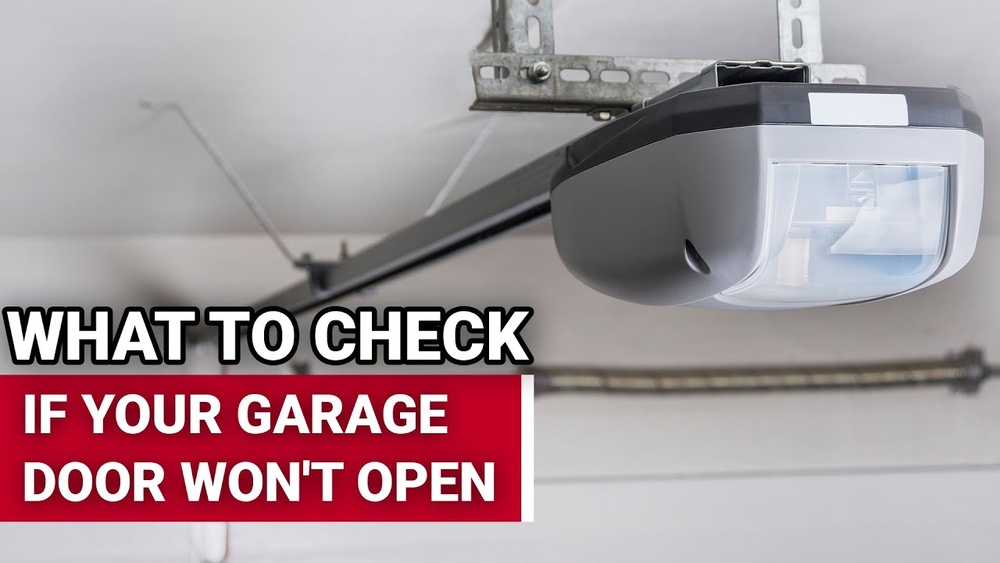
If you press your garage door remote and nothing happens, it can be confusing and even stressful. Many people rely on their garage doors for quick access to their homes and cars. When your garage door won’t open, it can disrupt your day and put your belongings at risk. But before you call for a repair service, there are several reasons why this problem happens, and many you can check yourself. This guide will help you understand the most common causes, how to troubleshoot, and when to call an expert. You’ll also find practical tips and clear explanations, even if you’re not a technical person.
Common Reasons Your Garage Door Won’t Open
A garage door is a simple system, but small issues can stop it from working. Here are the main causes:
- Power Problems: If there’s no power, the opener won’t work.
- Remote Control Issues: Sometimes, the remote or wall switch fails.
- Track or Roller Problems: Debris or damage can block movement.
- Broken Springs or Cables: These are key for lifting the door.
- Sensor Problems: Safety sensors can stop the door from closing or opening.
- Lock Feature Activated: Some openers have a “lock” mode.
- Manual Release Pulled: If the door is disconnected from the opener.
Let’s look at each reason more closely.
Checking For Power And Electrical Problems
Garage door openers need electricity. If the opener does not have power, nothing will happen when you press the button.
- Check if the garage door opener is plugged in.
- Make sure the outlet works by plugging in another device.
- Look for a tripped circuit breaker in your main panel. If the breaker is off, reset it.
- Some openers have a small reset button. Try pressing it.
Example
If your garage lights and outlets are off, but the rest of your house has power, the garage circuit may be overloaded. Unplug some devices and reset the breaker.
Remote Controls And Wall Switches
Many garage doors use a remote or a wall switch. If neither works, the problem may be with the opener or power. If only the remote fails, check:
- Battery: Replace the remote’s battery.
- Range: Stand closer to the door.
- Reprogramming: Sometimes the remote loses its code. Follow your opener’s manual to reprogram.
- Wall switch: If the wall switch works but not the remote, the remote is likely the problem.
Practical Tip
Try using the wall switch inside your garage. If the door works with the switch but not the remote, you likely only need a new battery or to reprogram the remote.
Track And Roller Problems
The garage door moves along metal tracks. If these are dirty, bent, or blocked, the door may get stuck.
- Clear debris: Clean out leaves, stones, or dirt.
- Check for damage: Look for bent tracks or worn rollers.
- Lubricate: Use a silicone-based spray on tracks and rollers.
Example
If your door starts to open but then stops, or makes loud noises, the tracks may be blocked or need oil.
Broken Springs Or Cables
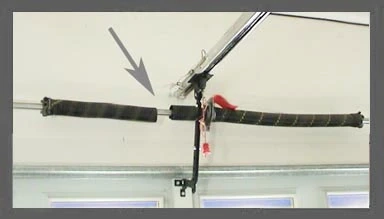
Garage doors use torsion springs or extension springs to help lift the heavy door. If a spring breaks, the opener may not lift the door, or the door may be crooked.
- Visual check: Look above the door for a gap in the spring.
- Loud bang: Sometimes, a spring breaks with a loud sound.
- Manual test: If the door is hard to lift by hand, the spring is likely broken.
Warning: Never try to fix springs yourself. They are under high tension and can be dangerous.
Example
If your opener sounds like it’s working, but the door does not move, or only moves a few inches, a broken spring or cable may be the cause.
Sensor Problems
Modern garage doors have photoelectric sensors near the bottom of the tracks. These sensors stop the door from closing on objects or people.
- Check alignment: Both sensors should face each other with no obstruction.
- Clean lenses: Dust or spider webs can block the sensor.
- Indicator lights: Most sensors have a small light. If the light is off or blinking, there’s a problem.
Practical Tip
Gently adjust the sensors until the lights are steady. Clean them with a dry cloth.
Lock Feature And Manual Release
Some garage door openers have a “lock” feature. This stops remotes from working, usually for security.
- Check if your wall unit has a “lock” or “vacation” button.
- Hold the button for a few seconds to turn off the lock.
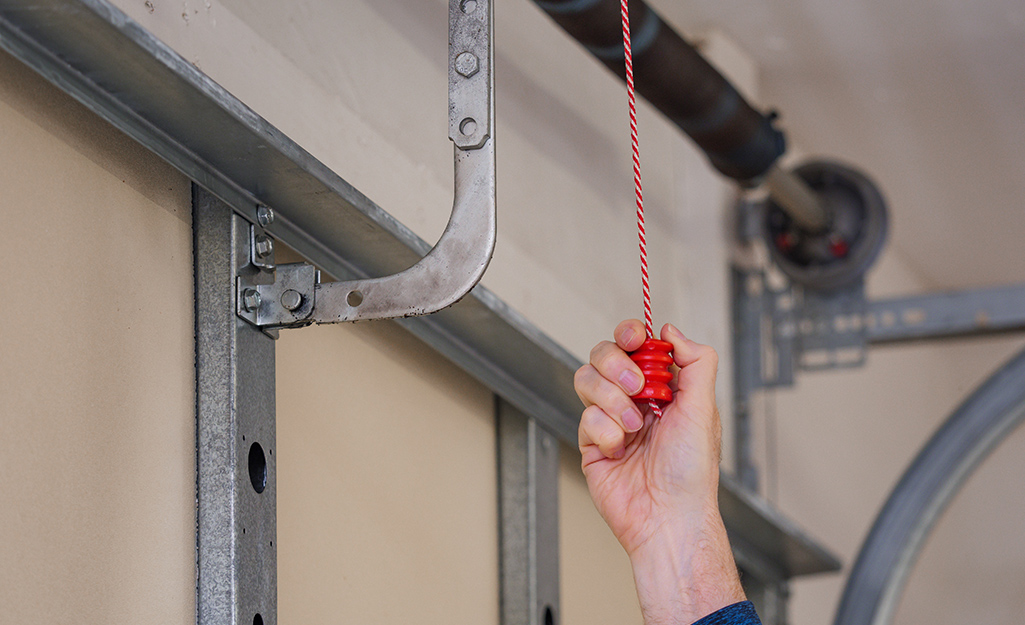
Garage doors also have a manual release cord (usually red). If it’s pulled, the door disconnects from the opener.
- Check the cord. If it’s hanging down, reattach the opener carriage by moving the door until it clicks back in.
Weather And Environmental Issues
Cold, heat, or moisture can affect how your garage door works.
- Frozen parts: In winter, ice can freeze the door to the ground.
- Swelling: Wood doors may swell in humid weather.
- Rust: Humidity can cause metal parts to rust or stick.
Example
If your door won’t open after a snowstorm, check the bottom for ice. Use warm water to melt it.
When To Call A Professional
Some garage door problems are easy to fix. Others are dangerous or need special tools. Call an expert if:
- The springs or cables are broken.
- The door is off its tracks.
- You hear grinding or screeching sounds.
- The opener motor runs but the door doesn’t move.
Most repairs cost between $100 and $400 in the US, depending on the problem.
Simple Troubleshooting Steps
Here is a step-by-step way to check your garage door:
- Check power to the opener.
- Test the remote and wall switch.
- Look for obstacles in the tracks.
- Inspect springs and cables (do not touch).
- Check the sensors for alignment and dirt.
- Try manual operation by pulling the red release cord.
If you find a clear problem and it’s safe, try to fix it. If not, call a professional.
Credit: www.precisiondoor.net
Comparing Diy Vs Professional Repair
Some jobs you can do yourself. Others are better for trained technicians.
| Problem | DIY Possible? | Professional Recommended? | Estimated Cost (USD) |
|---|---|---|---|
| Replace remote battery | Yes | No | $2 – $10 |
| Sensor alignment | Yes | No | $0 |
| Spring replacement | No | Yes | $150 – $350 |
| Track repair | Sometimes | Yes | $125 – $300 |
Data: Most Common Garage Door Problems
Understanding what usually goes wrong helps you decide where to start.
| Cause | Percent of Cases | DIY Fix? |
|---|---|---|
| Remote/Battery Issues | 35% | Yes |
| Sensor Misalignment | 25% | Yes |
| Broken Springs/Cables | 20% | No |
| Track Blockage | 10% | Yes |
| Power Supply Problems | 10% | Yes |
Cost To Repair Garage Door Won’t Open
Knowing the cost helps you plan and avoid surprises.
| Repair Type | Average Cost (USD) | Time to Fix |
|---|---|---|
| Remote/Keypad Replacement | $30 – $60 | 15-30 minutes |
| Spring Replacement | $150 – $350 | 1-2 hours |
| Track Repair | $125 – $300 | 1-2 hours |
| Sensor Adjustment | $50 – $75 | 15-30 minutes |
Preventing Future Problems
You can avoid many garage door issues with simple care:
- Lubricate moving parts every 6 months.
- Check sensors for dirt or misalignment.
- Change remote batteries yearly.
- Inspect tracks for damage and clear debris.
- Listen for strange sounds when operating the door.
Non-obvious Tips
- Test the balance of your garage door every few months. Disconnect the opener and lift the door by hand. It should stay up when half open. If not, springs may be wearing out.
- Check the weather seal at the bottom of the door. If it’s cracked or missing, water and pests can cause damage.
Real-world Example
Maria, a homeowner in Ohio, found her garage door would not open on a cold morning. She checked the remote, and it was fine. The wall switch also didn’t work. She noticed her garage lights were off. After checking the breaker panel, she found the garage circuit had tripped.
Resetting it fixed the problem—no service call needed.
When Your Door Opens Partway Then Stops
Sometimes, the garage door starts to move, then stops or reverses. Main causes include:
- Sensors: Something is blocking or misaligning the safety sensors.
- Springs: A weak or broken spring can cause uneven movement.
- Obstructions: Objects or damage in the tracks.
Fixing these issues usually involves cleaning, adjusting, or professional help for springs.
How To Open Your Garage Door Manually
If you need to get your car out, you can open the door by hand:
- Pull the red emergency release cord (usually hangs from the opener).
- Lift the door carefully. It may be heavy if springs are broken.
- Close the door gently and lock it if possible.
Important: Do not try to lift a heavy or jammed door alone, as it can fall and cause injury.
Why Maintenance Matters
Many people forget garage doors need care. Regular checks catch small issues before they become big problems. Well-maintained doors last longer, work quietly, and keep your home secure.
Credit: www.wessexgaragedoors.co.uk
When Replacing Is Better Than Repairing
If your garage door is old (over 15 years), or repairs cost more than half the price of a new door, replacement may be smarter. New doors are safer, quieter, and use less energy.
Where To Find More Help
For more advanced guides or safety information, visit the official HomeAdvisor Garage Door Repair page.
Credit: www.homedepot.com
Frequently Asked Questions
Why Does My Garage Door Opener Make Noise But Not Open The Door?
The most common reason is a broken spring or disconnected opener carriage. The motor runs, but without spring help, it can’t lift the door.
How Often Should I Service My Garage Door?
You should do a quick check every 3-6 months. Have a professional service it once a year, especially if you hear strange sounds.
Can I Fix A Garage Door Spring Myself?
No. Springs are dangerous under tension. Only trained professionals should replace or adjust them.
What If My Garage Door Opens By Itself?
This can be caused by signal interference, faulty wiring, or a stuck remote button. Try changing the remote code and check for stuck buttons.
Is It Safe To Disconnect My Garage Door Opener?
Yes, but only if the door is closed or you need to open it manually during a power outage. Make sure the door is supported to prevent sudden movement.
If your garage door won’t open, start with simple checks before calling for help. Understanding the basics can save you time, money, and stress. Regular care and quick action prevent bigger problems down the road.