
A squeaky garage door is a common household problem that can turn a peaceful morning into a noisy headache. If you hear that high-pitched noise every time you open or close your garage, you are not alone. Many homeowners notice squeaking sounds as their garage doors get older, especially during changes in weather or after years of use.
The good news? Most squeaky garage doors can be fixed quickly, even if you have no experience with home repairs.
Understanding why your garage door squeaks, how to fix it, and how to keep it quiet in the future will save you time, money, and frustration. This guide explains everything you need to know in simple steps, with beginner-friendly tips and clear answers to common questions.
Why Does My Garage Door Squeak?
A squeaky garage door usually means some part needs attention. The sound is often a sign of friction—when metal parts rub against each other or when a part is out of alignment. Here are the most common reasons:
- Dry hinges or rollers: Garage doors have several hinges and rollers. If they dry out, they squeak.
- Loose hardware: Screws, bolts, or nuts can loosen over time, causing parts to move and squeak.
- Worn parts: Old or damaged rollers, hinges, or springs make noise as they wear down.
- Dirty tracks: Dirt, dust, or debris in the tracks causes friction.
- Poor lubrication: Lack of proper oil or grease leads to squeaking.
Real-life example: Sarah noticed her door was getting louder every week. After checking, she found the rollers were almost dry, and a few hinges were loose. A simple cleaning, tightening, and oiling made her door quiet again.
The Parts That Make Noise
Knowing which parts of your garage door are likely to squeak helps you fix the problem faster. Here’s a quick overview:
| Part Name | Common Squeak Cause | How to Fix |
|---|---|---|
| Hinges | Lack of lubrication | Apply garage door lubricant |
| Rollers | Worn or dirty | Clean or replace rollers |
| Tracks | Debris buildup | Clean with a cloth |
| Springs | Rust or dryness | Lubricate, call a pro for repairs |
| Bolts/Screws | Loose hardware | Tighten with a wrench |
Most squeaks come from hinges and rollers, but always check the full door.

Credit: smartgarage.ca
How To Fix A Squeaky Garage Door
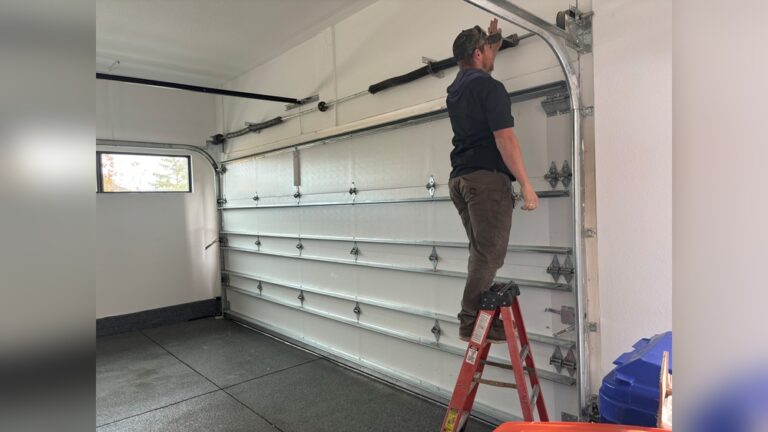
You don’t need special skills to silence a noisy garage door. Follow these steps for a quieter door in less than an hour.
1. Stay Safe
- Unplug the garage door opener.
- Wear gloves and safety glasses.
- If your door has torsion springs, avoid touching them. They can be dangerous.
2. Inspect The Door
- Open and close the door slowly. Listen for where the squeak is loudest.
- Check all hinges, rollers, and tracks for damage or wear.
3. Clean The Tracks
- Wipe the inside of the tracks with a damp cloth.
- Remove any dirt or debris.
- Never use grease on the tracks. This attracts more dirt.
4. Tighten Loose Hardware
- Use a wrench or socket set to tighten all nuts and bolts.
- Check hinges, brackets, and roller mounts.
5. Lubricate Moving Parts
- Use a garage door lubricant (not WD-40—it’s not designed for this job).
- Spray or apply lubricant to:
- Hinges
- Rollers (metal rollers only, not nylon)
- Springs
- Bearing plates
- Open and close the door a few times to spread the lubricant.
6. Replace Worn Parts
- If a hinge or roller is cracked or very worn, replace it.
- Most hardware stores sell garage door parts.
- For spring repairs, always call a professional.
Practical tip: Lubricate your door every 6 months to keep it quiet. Don’t wait for squeaks to start.
What Lubricant Is Best For Garage Doors?
Not all lubricants work well for garage doors. The wrong choice can make things worse.
| Lubricant Type | Best For | Why Use It? |
|---|---|---|
| Silicone spray | Hinges, tracks, rollers | Doesn’t attract dust; long-lasting |
| White lithium grease | Metal parts | Thick and stays in place |
| WD-40 (regular) | Not recommended | It’s a cleaner, not a real lubricant |
For most homes, silicone spray or white lithium grease is best. They reduce friction without attracting dirt.
Beginner insight: Many people use WD-40, but it can actually wash away good grease. Always choose the product labeled for garage doors.
When To Call A Professional
Some garage door problems are not safe for beginners. If you notice these, call a technician:
- Broken or stretched springs
- Severely bent tracks
- Loud bangs or sudden drops
- Door won’t open or close at all
Torsion springs are under high pressure and can cause injury. Never try to adjust them yourself.
Preventing Future Squeaks
A quiet garage door is easier to keep than to fix. Simple maintenance will prevent most noises.
- Lubricate hinges, rollers, and springs twice a year.
- Check for loose screws and bolts every few months.
- Clean the tracks with a dry cloth.
- Watch for early signs of wear—replace parts before they fail.
Non-obvious tip: Changes in weather (cold, heat, humidity) can affect your garage door. Lubricate more often during extreme seasons.
How Much Does It Cost To Fix A Squeaky Garage Door?
The cost depends on what’s wrong. Most fixes are cheap if you do them yourself.
| Repair Type | DIY Cost | Pro Cost |
|---|---|---|
| Lubrication | $10-$20 | $50-$80 |
| Replace rollers | $20-$40 | $80-$150 |
| Replace hinges | $5-$15 each | $80-$120 |
| Spring repair | Not recommended | $100-$200 |
If your door is older than 10-15 years, you might want to budget for a professional inspection.
Common Beginner Mistakes
Many first-time homeowners make the same errors when fixing a squeaky garage door:
- Using the wrong lubricant (like WD-40).
- Over-lubricating, which makes a mess and attracts dirt.
- Ignoring worn parts instead of replacing them.
- Not checking for loose hardware.
- Trying to fix springs or cables alone (dangerous).
Experience tip: Take your time. Listen carefully and test the door after each step. Small changes often fix the noise.

Credit: www.youtube.com
Real-world Example
Mike’s garage door squeaked every morning. He tried spraying regular oil, but it got worse. After reading a guide, he:
- Cleaned the tracks with a rag.
- Tightened all the bolts.
- Used silicone spray on hinges and rollers.
The noise stopped, and he realized he had been using the wrong product. Mike now lubricates his door every spring and fall.
How Squeaky Garage Doors Affect Home Value
A noisy garage door is more than just annoying. It can affect your home’s value and security:
- Potential buyers may think the door is old or broken.
- Squeaks can signal poor maintenance.
- Small problems can grow into bigger, costly repairs.
Keeping your garage door quiet is a small way to protect your investment.

Credit: raynor.com
When Squeaking Means A Bigger Problem
Sometimes, a squeak is a warning sign of a bigger issue. Watch for:
- Grinding or scraping noises (could mean alignment problems).
- Jerky movement or door sticking.
- Large gaps in the tracks or frame.
If you notice these, get a professional to inspect your door.
Frequently Asked Questions
Why Is My Garage Door Still Squeaking After Lubrication?
If your garage door is still noisy after using a proper lubricant, check for worn or damaged parts like hinges, rollers, or springs. Lubrication helps with friction, but broken parts need to be replaced.
How Often Should I Lubricate My Garage Door?
Lubricate your garage door every six months. If you live in a wet or dusty area, you might need to do it more often, especially before winter and summer.
Can I Use Wd-40 On My Garage Door?
No, regular WD-40 is not the best choice. It’s a cleaner, not a long-term lubricant. Use silicone spray or white lithium grease made for garage doors for best results.
Is A Squeaky Garage Door Dangerous?
A squeak by itself is not dangerous, but it can be a sign of worn or failing parts. If you hear loud bangs, see broken springs, or the door won’t move smoothly, call a professional right away.
How Do I Know If My Rollers Or Hinges Need Replacing?
Check for cracks, rust, or flat spots on rollers. If hinges or rollers look damaged or still squeak after lubrication, it’s time to replace them. Most hardware stores carry replacements.
Keeping your garage door quiet is simple with regular maintenance and the right tools. Listen for new noises and act early to avoid bigger problems. A quiet garage door makes your home more comfortable and shows you care for your property.
For more on garage door maintenance and safety, you can visit the Family Handyman Garage Door Guide.