
Thinking about turning your garage into a living space? You’re not alone. Many homeowners are finding new ways to use their space, and a garage conversion is one of the smartest options. Whether you want a home office, guest room, or rental unit, a garage can quickly become something valuable. But before you start, you need to know the real costs and what affects the garage conversion price.
This guide explains the price factors, gives examples, and helps you understand what to expect. The goal is to help you plan your project with confidence, even if you’re new to home improvement or building costs.
What Is A Garage Conversion?
A garage conversion means changing your garage into a room you can live or work in. It might become:
- An extra bedroom
- A small apartment (ADU)
- An office or studio
- A gym or playroom
Instead of building a new addition to your house, you use what you already have. This can save money, but it still requires smart planning and budgeting.
Average Garage Conversion Price In The Us
The price to convert a garage depends on size, design, and location. In 2024, the average cost is:
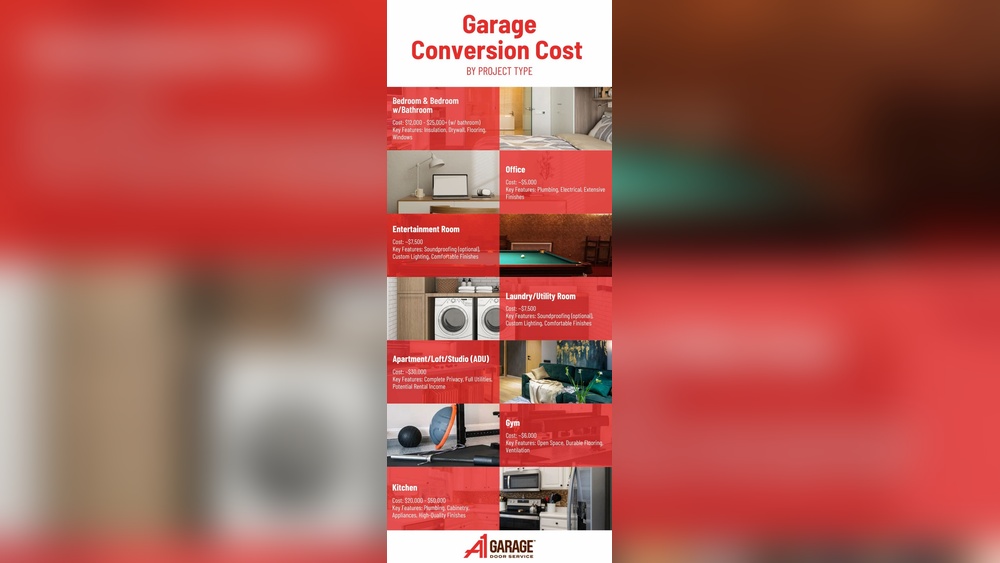
- $10,000 to $30,000 for a simple conversion (basic bedroom or office)
- $30,000 to $80,000 for a full apartment with kitchen and bathroom
Here’s a typical cost breakdown:
| Conversion Type | Low-End Cost | High-End Cost |
|---|---|---|
| Simple Room (bedroom, office) | $10,000 | $20,000 |
| Studio Apartment | $20,000 | $50,000 |
| Full ADU (kitchen & bath) | $35,000 | $80,000 |
Key insight: The more you add (like a bathroom or kitchen), the higher your costs will climb. Always start with a clear plan of what you want.
Major Cost Factors For Garage Conversion
Several things can change the final garage conversion price. Here’s what you need to know:
1. Size Of The Garage
- Single-car garage: 200–350 sq. Ft. — cheaper, less material needed
- Double garage: 400–700 sq. Ft. — more space, higher cost
A larger garage means more flooring, drywall, and labor.
2. Level Of Finish
- Basic finish: Paint, simple floor, basic lighting
- Mid-range: Insulation, new windows, heating/cooling
- High-end: Custom cabinetry, plumbing, high-end fixtures
The more features you add, the higher the price.
3. Plumbing And Electrical Work
If your new room needs a bathroom or kitchen, you’ll pay for:
- New plumbing lines ($3,000–$7,000)
- Upgrading electrical panel and outlets ($1,500–$4,000)
Adding these systems is often the biggest extra cost.
4. Insulation And Climate Control
Most garages aren’t built for living comfort. You’ll likely need to add:
- Insulation in walls and ceiling
- Heating and cooling (mini-split AC, new vents, etc.)
Plan for $2,000–$6,000 depending on your climate.
5. Permits And Inspections
Local rules may require:
- Building permits ($500–$2,000)
- Architectural plans ($800–$2,500)
- Final inspections before you can use the space
Skipping permits is risky. It can lower your home’s value or cause legal problems later.
6. Windows And Doors
Bringing in more natural light and creating an entry:
- New windows: $500–$1,500 each
- French or sliding doors: $1,000–$3,000
You may also need to change the old garage door to a wall.
7. Flooring
Most garage floors are concrete and may need upgrades:
- Basic carpet or laminate: $2–$4 per sq. Ft.
- Luxury vinyl or tile: $5–$10 per sq. Ft.
Tip: Check for moisture problems before installing new floors.
8. Labor Costs
Labor can be 30–50% of your project’s price. Costs vary by region and how much work you do yourself.
Example Garage Conversion Scenarios
It helps to see real numbers. Here are three examples:
Basic Home Office
- Single-car garage (250 sq. Ft.)
- Insulation, drywall, paint, carpet
- Simple lighting and outlets
- No plumbing
Estimated price: $12,000–$18,000
Guest Suite With Bathroom
- Double garage (450 sq. Ft.)
- Bedroom area, small bathroom (shower, toilet, sink)
- Insulation, HVAC, laminate floor
- New window, closet
Estimated price: $30,000–$45,000
Full Apartment (adu)
- Double garage (600 sq. Ft.)
- Bedroom, living area, kitchen, full bath
- High-end finishes, new windows/doors, insulation, HVAC
- Separate entry
Estimated price: $60,000–$80,000
Garage Conversion Vs. Home Addition: Cost Comparison
Many homeowners wonder if they should convert their garage or build a new room. Here’s a quick comparison:
| Feature | Garage Conversion | Home Addition |
|---|---|---|
| Average Cost | $10,000–$80,000 | $40,000–$150,000 |
| Timeline | 2–6 weeks | 3–6 months |
| Uses Existing Structure | Yes | No |
| Permits Needed | Yes | Yes |
| Best For | Quick, lower-cost space | Large, custom space |
Insight: If you need space fast and want to spend less, a garage conversion is usually the better choice.
Steps In A Garage Conversion Project
Turning a garage into living space has clear steps. Here’s what to expect:
- Plan and Design
- Decide on the room’s purpose
- Sketch the layout
- Hire an architect for complex jobs
- Check Permits and Rules
- Visit your city or county office
- Learn about zoning, parking, and building codes
- Budget and Financing
- Add up all costs (materials, labor, permits)
- Leave 10–15% extra for surprises
- Hire Contractors
- Get quotes from 2–3 licensed pros
- Ask for references
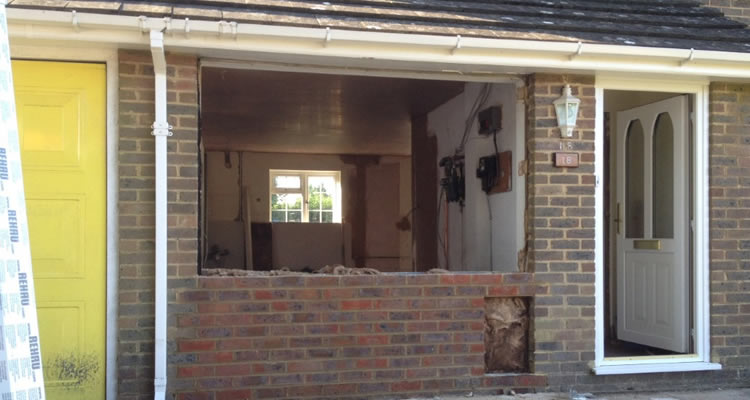
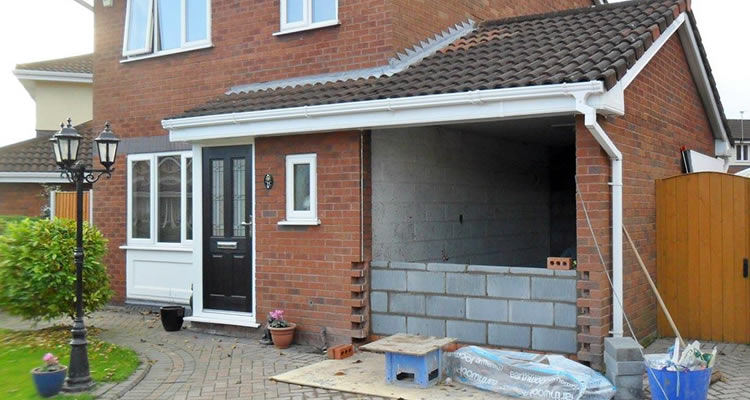
- Start Construction
- Demolition (if needed)
- Framing, insulation, windows, electrical, and plumbing
- Finish Work
- Drywall, paint, flooring, lighting
- Final touches (trim, fixtures)
- Inspections and Move-In
- Pass all required inspections
- Enjoy your new space
Tip: Even small jobs can take 4–8 weeks from start to finish.
Credit: www.myjobquote.co.uk
Common Mistakes To Avoid
Many beginners make simple errors that cost time and money. Watch out for these:
- Skipping permits: This can cause legal issues and lower resale value
- Underestimating costs: Prices often go up during the project
- Ignoring insulation: Skipping this makes the room uncomfortable year-round
- Poor layout: Not planning for outlets, lighting, or furniture makes the space less useful
- Moisture problems: Garages can have dampness; fix this before you finish the room
Bonus tip: Talk to a local real estate agent before starting. They can tell you how a conversion might affect your home’s value.
Ways To Save Money On Garage Conversion
If you’re on a tight budget, you can still get great results. Try these ideas:
- Do some work yourself (painting, demo, finishing)
- Use budget-friendly materials (laminate instead of hardwood)
- Keep plumbing near existing water lines
- Skip high-end fixtures and custom cabinets
- Reuse existing windows or doors if possible
Even small choices, like simple flooring or LED lighting, can lower costs without sacrificing quality.

Credit: adara.co.uk
Real-world Example: Basic Office Conversion
Let’s say you want to turn a single-car garage (about 250 sq. ft.) into a small office. Here’s how the budget might look:
| Item | Estimated Cost |
|---|---|
| Design/Permit Fees | $1,500 |
| Insulation & Drywall | $3,000 |
| Flooring | $1,000 |
| Electrical Upgrades | $2,000 |
| Lighting & Paint | $1,200 |
| Windows & Door | $2,000 |
| Labor | $5,000 |
| Total | $15,700 |
This example shows you can create useful space without breaking the bank.
Hidden Costs Beginners Often Miss
When planning your garage conversion price, it’s easy to forget a few things:
- Upgrading the main electrical panel: If your home’s system is old, adding outlets or AC may require a bigger panel ($2,000+)
- Foundation repairs: Cracks or moisture must be fixed before finishing ($1,000–$5,000)
- Parking requirements: Some cities require you to keep a certain number of parking spots. Losing your garage may mean adding a driveway or carport.
- Resale value impact: In some areas, losing a garage can lower home value. In others, a new living space adds value.
Check with local pros or building offices to avoid surprises.
Credit: www.myjobquote.co.uk
Financing Your Garage Conversion
How will you pay for your project? Here are common options:
- Cash savings: The simplest way, no interest
- Home equity loan: Borrow against your home, often lower rates
- Personal loan: Fast approval, but higher rates
- Credit cards: Not recommended for big projects due to high interest
Some states offer energy-efficiency grants if you add insulation, new windows, or efficient heating.
Does Garage Conversion Add Value To Your Home?
A well-done garage conversion can increase your home’s value—sometimes by 10–20%. But results depend on your area and how well the project is finished.
Key factors:
- Quality of work and materials
- If the space is permitted and legal
- How much parking buyers want in your neighborhood
Before you start, talk to a local real estate agent. They can help you decide if it’s the right move for your market.
For more on home value and remodeling, check out this National Association of Realtors report.
Frequently Asked Questions
How Long Does A Garage Conversion Take?
Most projects take 4 to 8 weeks from start to finish. Simple rooms can be done in 2–3 weeks, while complex ADUs with kitchens or bathrooms may take 2–3 months.
Do I Need A Permit For Garage Conversion?
Yes, almost all cities and counties require permits for garage conversions. Permits ensure the work is safe and legal. Skipping permits can cause problems when you sell your home.
Can I Do A Garage Conversion Myself?
Some tasks (like painting or demo) are DIY-friendly. But for plumbing, electrical, or structural work, it’s best to hire licensed professionals. This keeps your project safe and up to code.
Will Converting My Garage Lower My Home Value?
In some neighborhoods, losing a garage can lower value—especially if parking is limited. But in areas where extra living space is valuable, conversions can raise your home’s price. Always check local trends before starting.
What Is The Cheapest Way To Convert A Garage?
The lowest-cost conversions skip plumbing and fancy finishes. Use basic materials, keep the layout simple, and do some work yourself. A basic office or bedroom is much cheaper than a full apartment.
Turning your garage into a living space can be a smart, cost-effective way to expand your home. With the right plan and understanding of the garage conversion price, you can avoid surprises and get the space you need—without overspending.