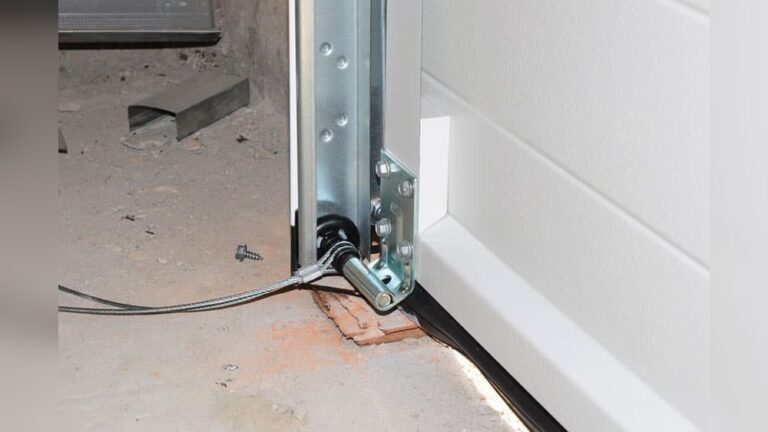

Lock Garage Door: Complete Beginner’s Guide To A Safer Home
For many people, the garage door is the main entry to their home. It’s where you park your car, store tools, and sometimes use as a workspace. But did you know that an unlocked garage is one of the easiest ways for thieves to break in? Securing your garage door is just as important as locking your front door. This guide explains everything you need to know about how to lock your garage door and keep your home safer.
Why Garage Door Security Matters
Many homeowners focus on their front and back doors, but forget about the garage. Here’s why garage door security is crucial:
- 70% of burglars enter homes through unlocked doors, including garages.
- Garages often store valuable items like bikes, tools, and vehicles.
- Garage doors can provide direct access into your house.
Even the best neighborhoods are not 100% safe. A weak or unlocked garage door puts your entire home at risk.
Common Types Of Garage Doors And Their Locks
Before you can secure your garage, you need to know what type of door and lock you have. Garage doors come in several types, and each has different security options.
| Garage Door Type | Main Material | Common Lock Type | Security Level |
|---|---|---|---|
| Roll-Up | Steel/Aluminum | Sliding bar lock | Medium |
| Sectional | Steel | T-handle lock | High |
| Side-Hinged | Wood/Steel | Deadbolt/Padlock | High |
| Up-and-Over | Steel/Aluminum | Central locking handle | Medium |
Key insight: Some older garage doors have only a simple latch or no lock at all. Upgrading these can greatly improve security.
Types Of Garage Door Locks
There are several ways to lock a garage door, from basic to advanced. Here are the most common options:
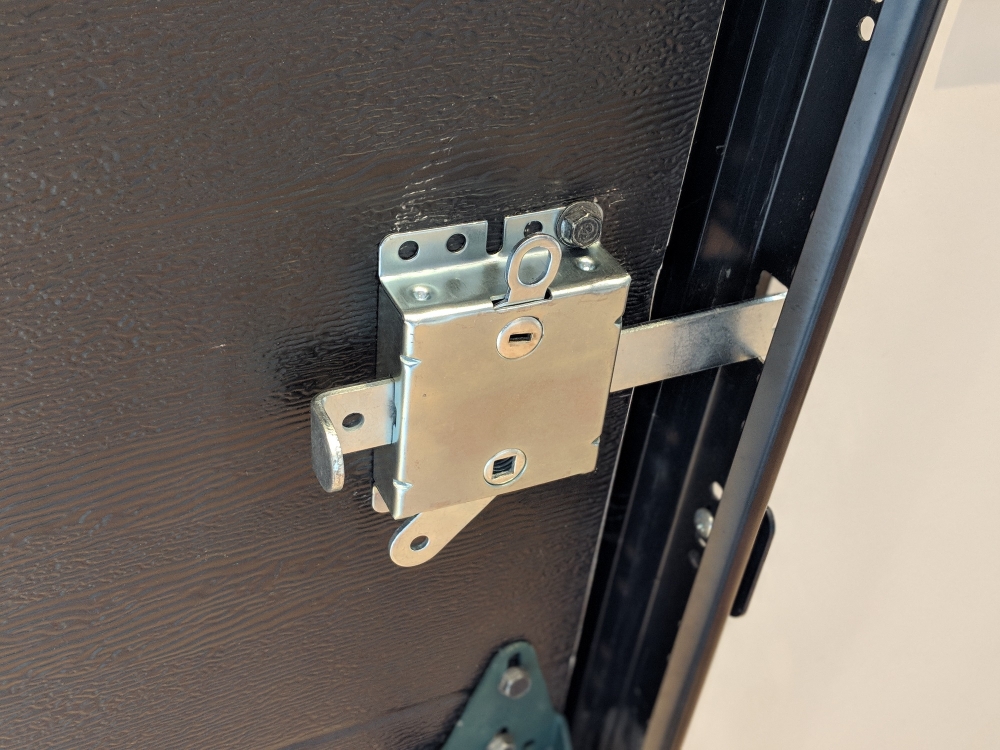
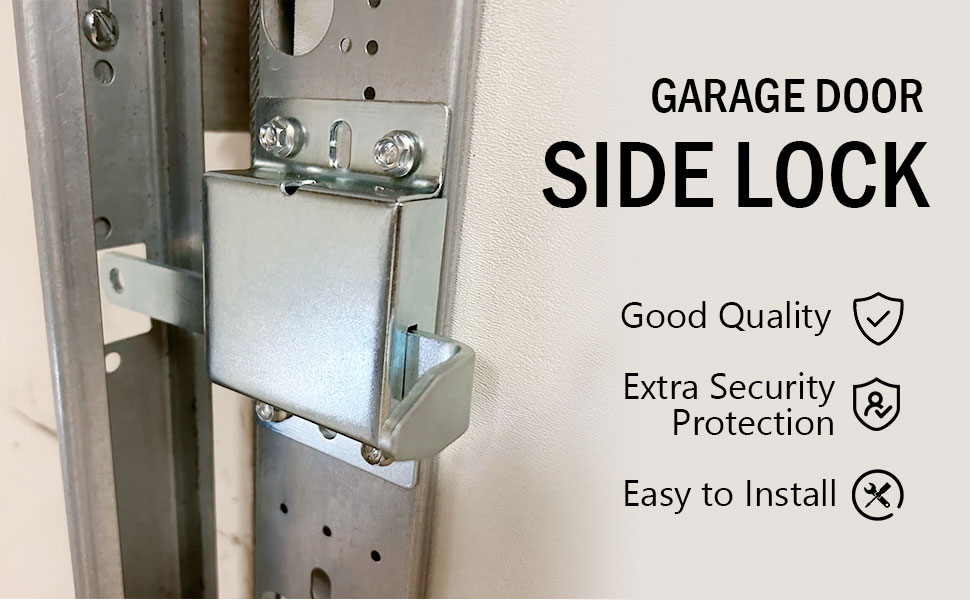
1. Slide Bolt Lock
A metal bar slides into a hole in the door track. Easy to install and use.
2. T-handle Lock
Common on sectional doors. Uses a key to turn a T-shaped handle, which moves bars inside the door.
3. Deadbolt Lock
Works like a front door deadbolt. Very strong. Often used on side-hinged doors.
4. Padlock
Simple and cheap. Used to secure a hasp or latch.
5. Smart Lock
Electronic locks that use codes, fingerprints, or a phone app. Offers keyless entry and remote control.
6. Garage Door Defender
Sits in front of the door on the ground. Prevents the door from opening, even if the lock is broken.
Comparison Of Lock Types
Let’s compare the most popular lock types for beginners:
| Lock Type | Cost | Installation Difficulty | Best For |
|---|---|---|---|
| Slide Bolt | Low | Easy | Manual doors |
| T-Handle | Medium | Medium | Sectional doors |
| Padlock | Low | Very Easy | Side doors |
| Smart Lock | High | Medium-Hard | Tech-savvy users |
| Deadbolt | Medium | Medium | Side-hinged doors |
Non-obvious tip: Not all locks fit every door. Always check your door type before buying a lock.
How To Lock A Garage Door: Step-by-step
Locking your garage door can be simple. Here’s a step-by-step guide for beginners:
1. Identify Your Garage Door Type
- Look at how the door opens.
- Check the material (steel, wood, etc. ).
- See if there is a lock already installed.
2. Choose The Right Lock
- For roll-up and sectional doors, a slide bolt or T-handle lock is common.
- For side-hinged doors, use a deadbolt or padlock.
- For modern homes, consider a smart lock for more features.
3. Gather Tools And Materials
- The lock set (with screws and keys)
- Drill and bits
- Screwdriver
- Tape measure
- Pencil or marker
4. Install The Lock
- For a slide bolt, line up the bar with the door track. Mark and drill holes, then screw the lock in place.
- For a T-handle, remove the old handle. Insert the new lock through the hole, attach the inside bars, and screw it tight.
- For a deadbolt, drill a hole in the door edge. Insert the lock and secure with screws.
- For a padlock, install a hasp or latch, then attach the padlock.
5. Test The Lock
- Close the door and try to move it.
- Check that the lock engages fully.
- Make sure the door does not open without the key.
Beginner’s mistake: Some people install the lock but forget to test it. Always check before considering the job finished.
Upgrading Garage Door Security: Practical Tips
Locking the door is the first step, but you can do more to keep your garage safe:
- Install motion-sensor lights outside the garage. Thieves hate being seen.
- Frost or cover windows so people cannot look inside.
- Reinforce the door with a metal bar or garage defender.
- Add a security camera for extra peace of mind.
- Never leave remote openers in your car if parked outside.
Extra insight: Many break-ins happen during the day, when people are at work. Don’t assume your garage is safe just because it’s daylight.
Manual Vs. Automatic Garage Doors: Security Differences
Manual and automatic garage doors have different risks and solutions.
Manual Garage Doors
- Rely on physical locks (slide bolts, padlocks, etc. ).
- Simple to use, but must be locked by hand every time.
- If you forget, the door is easy to open.
Automatic Garage Doors
- Use a motor and remote control.
- Can be hacked if the code is weak.
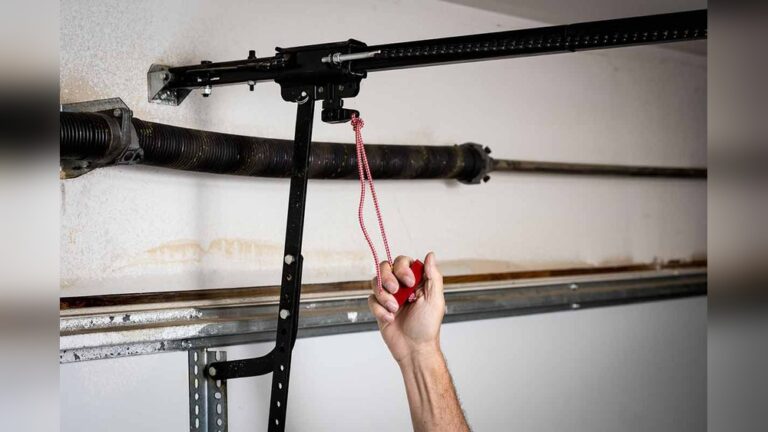
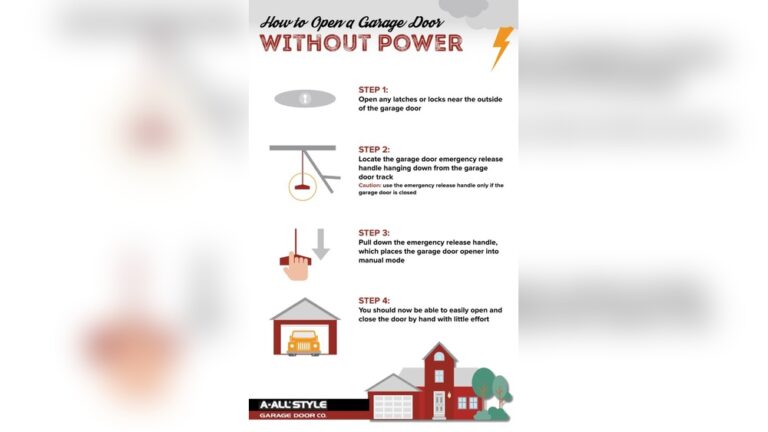
- Many have a manual release inside—thieves sometimes use a coat hanger to pull this and unlock the door.
How to improve:
Add a zip tie to the manual release handle, but make sure you can still break it in an emergency. For extra safety, unplug the opener or use a smart system that alerts you if the door is left open.
Smart Locks And Modern Security Solutions
Smart locks are growing in popularity for garage doors. They offer:
- Keyless entry using a code, fingerprint, or phone.
- Alerts to your phone if the door is left open.
- Remote locking and unlocking from anywhere.
Downside:
Smart locks cost more and need Wi-Fi or Bluetooth. They are not immune to hacking, but are safer than simple locks if you use strong passwords and update the app.
Pro tip:
Change default passwords and enable two-factor authentication if your smart lock app allows it.
Common Mistakes When Locking Garage Doors
Even with a good lock, mistakes can happen. Here are some things to avoid:
- Not locking every time: An unlocked door is an open invitation.
- Using cheap locks: Low-quality locks break easily or rust fast.
- Hiding keys in obvious places: Thieves know to check under mats or flowerpots.
- Ignoring windows: Windows make it easy for thieves to see what’s inside.
- Forgetting the side door: Many garages have a side or back door that also needs a lock.
Beginner’s insight: The best lock is only as strong as the door and the frame. Reinforce weak doors for better security.
Signs You Need To Upgrade Your Garage Door Lock
Not sure if your garage lock is good enough? Look for these warning signs:
- The lock is loose or hard to turn.
- The door rattles or feels weak.
- You lost the only key.
- The lock is rusty or old.
- You want to control your garage remotely.
If you notice any of these, it’s time to install a better lock.
Cost Of Locking A Garage Door
Prices vary, but here’s a rough guide:
- Slide bolt lock: $10–$30
- T-handle lock: $20–$60
- Deadbolt lock: $25–$75
- Smart lock: $80–$250
- Garage defender: $40–$120
Installation:
You can often install simple locks yourself. For smart locks or heavy doors, consider a professional. Labor costs are usually $50–$150.
Money-saving tip:
Combine a strong manual lock with a simple alarm for good security on a budget.
How To Keep Your Garage Door Locked When On Vacation
If you’re going away:
- Unplug the automatic opener.
- Use a manual slide bolt or padlock, even if you have an automatic system.
- Tell a trusted neighbor to check the garage regularly.
- Remove the remote opener from your car.
Extra insight:
Some smart garage locks let you check and control the door from your phone while traveling.
Real-world Example
Sarah, a homeowner in Texas, used to leave her garage unlocked. One day, her bike and tools were stolen. She installed a T-handle lock and a motion-sensor light. Since then, she’s had no problems. Even a simple upgrade made a big difference.
Fact:
According to the FBI, homes without security measures are up to 300% more likely to be broken into.

Credit: hofequipment.com
Frequently Asked Questions
What Is The Safest Type Of Garage Door Lock?
The safest lock is usually a deadbolt or a high-quality T-handle lock. For top security, combine a physical lock with a smart lock system. Make sure your lock matches your door type.
Credit: www.idealinc.com
Can I Add A Second Lock To My Garage Door?
Yes. Many people use both a slide bolt and a padlock or defender. Two locks make it much harder for thieves to break in. Just be sure both are easy for you to unlock in an emergency.
How Can I Lock My Garage Door From The Outside?
Install a T-handle lock or a padlock with a hasp. These can be locked and unlocked from the outside with a key. Some smart locks also allow you to control the door remotely.
Credit: www.amazon.com
Is A Smart Garage Lock Worth It?
For many, yes. A smart garage lock lets you check and control the door from anywhere. It’s great for busy families or people who forget to lock up. Always use strong passwords and update your app for safety. For more details, see this Wikipedia article on smart locks.
How Often Should I Check My Garage Door Lock?
Test your garage door lock at least once a month. Check for rust, loose screws, or any sign of tampering. Replace any weak or old locks right away.
Final Thoughts
Locking your garage door is one of the best ways to protect your home and valuables. Whether you use a simple slide bolt or a high-tech smart lock, making this a daily habit will keep your family safer. Remember, security is about layers: use good locks, lights, cameras, and smart habits together. Even small upgrades can make a big difference.
Don’t wait for a break-in to happen—secure your garage door today for greater peace of mind.