
Every homeowner or builder asks about standard garage size when planning a new house or renovation. Picking the right garage size is important. It affects your home’s value, parking comfort, and storage options. Many beginners think all garages are the same. But the truth is, garage sizes can be very different based on your needs and the space you have.
A garage is more than a place to park a car. It’s often a workshop, a storage room, or even a home gym. Choosing the right size helps you avoid daily problems—like doors hitting walls, not enough room for bikes, or struggling to open your car door.
This guide explains all the important facts about standard garage sizes, using simple words and clear examples to help you make smart decisions.
What Is A Standard Garage Size?
When people say “standard garage size,” they mean the most common measurements for garages that fit one, two, or three cars. These sizes are not random. Builders use them because they work for most cars and common storage needs.
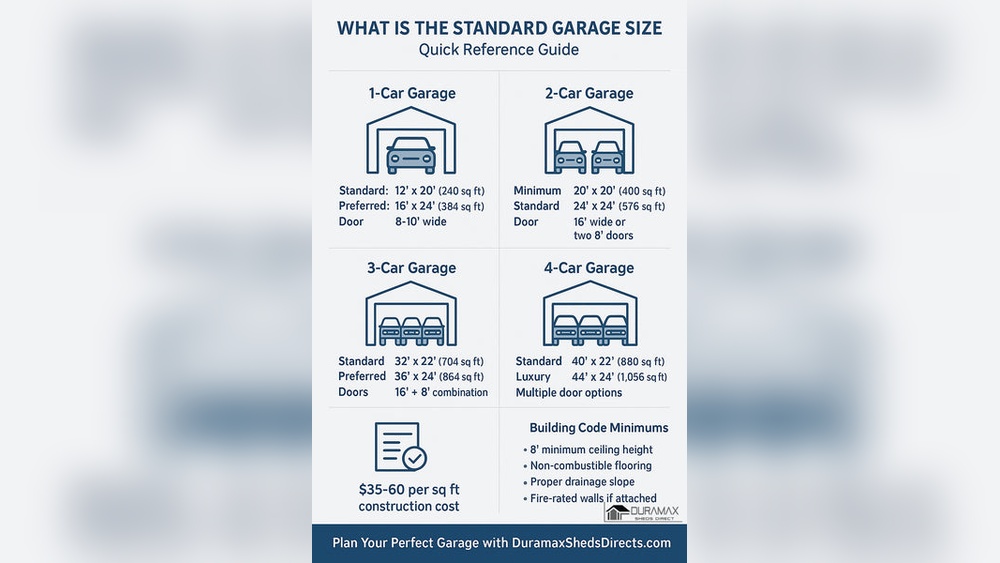
- Single-car garage: Usually 12 feet wide by 20 or 24 feet deep
- Two-car garage: Commonly 20 feet wide by 20 or 24 feet deep
- Three-car garage: Often 30 feet wide by 20 or 24 feet deep
But these numbers are just a starting point. You should always think about your own needs, like if you drive a truck, need extra storage, or want to use your garage for hobbies.
Why Garage Size Matters
Choosing the right garage size is more than just fitting your car inside. Here’s why it matters:
- Ease of Parking: Small garages make it hard to park and get in or out of your car.
- Storage Space: Larger garages give you room for bikes, tools, and other items.
- Future-Proofing: Cars are getting bigger. A garage that fits today’s car may be too small in 10 years.
- Home Value: Homes with good garages often sell faster and for more money.
Many homeowners regret building a garage that’s too small. A little extra space now saves you stress later.
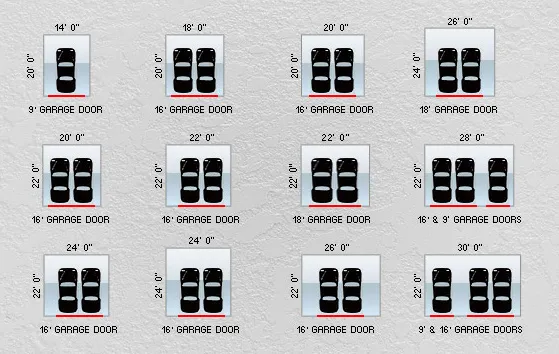
Credit: www.garaga.com
Standard Sizes For Different Garage Types
Let’s look at the most common garage types and their typical dimensions.
Single-car Garage
A standard single-car garage fits one regular-sized car. Here are common sizes:
- 12 feet x 20 feet: Minimum for small cars or tight spaces
- 14 feet x 22 feet: More comfortable for sedans and small SUVs
- 16 feet x 24 feet: Plenty of space for large vehicles plus storage
Tip: If you want a workbench or storage shelves, go for at least 14 feet by 22 feet.
Two-car Garage
A two-car garage is the most popular choice for American homes. Usual sizes are:
- 20 feet x 20 feet: Good for two small cars (tight fit)
- 22 feet x 22 feet: Fits most family cars with a bit more room
- 24 feet x 24 feet: Very comfortable, fits SUVs and storage
Non-obvious insight: Many people forget to measure the width of their cars with doors open. Always add 2–3 feet on each side for comfort.
Three-car Garage
If you have a big family or plan to store more, a three-car garage offers space and flexibility:
- 30 feet x 20 feet: Fits three compact cars side by side
- 32 feet x 24 feet: Fits three SUVs or trucks with storage along the walls
You can also design a three-car garage with two cars in one bay and a single car in a separate bay.
Rv Or Oversized Garage
Some people need more space for RVs, boats, or large trucks. Common sizes:
- 16 feet x 40 feet: Long enough for many RVs
- 18 feet x 50 feet: Fits very large vehicles or boats
Practical example: If you want to park a pickup truck and still open its doors fully, you need at least 14 feet width.
Data Table: Standard Garage Sizes
Here’s a quick comparison of the most common garage sizes.
| Garage Type | Width (feet) | Depth (feet) | Fits |
|---|---|---|---|
| Single-Car | 12–16 | 20–24 | 1 car + storage |
| Two-Car | 20–24 | 20–24 | 2 cars + storage |
| Three-Car | 30–36 | 20–24 | 3 cars + storage |
| RV/Oversized | 16–18 | 40–50 | RV/large vehicle |
Factors That Affect Garage Size Choice
Not every garage fits every family. Here are the main things to consider:
- Vehicle size: Measure your car, SUV, or truck. Add space for mirrors and opening doors.
- Number of vehicles: Think about now and the future. Will you buy another car?
- Storage needs: Do you have bikes, tools, or sports gear to store?
- Work space: Want a workshop or laundry in the garage?
- Lot size: Sometimes your land sets the limit.
Beginner mistake: Forgetting to include walking paths around parked cars. Leave at least 2–3 feet on all sides for comfort.
Common Garage Door Sizes
The garage door size is as important as the garage itself. Here are standard options:
- Single-car door: 8 or 9 feet wide, 7 or 8 feet high
- Double-car door: 16 feet wide, 7 or 8 feet high
- RV door: 10 to 12 feet wide, 12 to 14 feet high
Tip: Always check your vehicle height, especially for SUVs with roof racks.
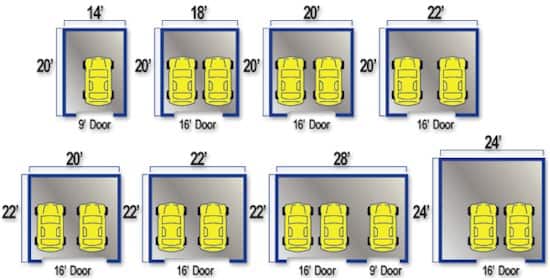
Credit: primosgaragedoors.com
How Much Space Do You Really Need?
Let’s make it practical. If you have a sedan (like a Toyota Camry), it’s about 6 feet wide and 16 feet long. For a pickup truck (like a Ford F-150), it’s closer to 7 feet wide and 20 feet long.
Here’s a sample calculation:
- Your truck: 7 feet wide + 2 feet on each side (opening doors) = 11 feet minimum
- Add a few inches for wall clearance: 12 feet width is the minimum, but 14 feet is better
For two vehicles, repeat the math:
- 7 feet (car) + 7 feet (SUV) + 2 feet (space in between) + 2 feet on each outer side = 20 feet minimum
- 22 feet is more comfortable
Non-obvious insight: If you want to add built-in cabinets, add another 2 feet to the depth.
Garage Size And Home Resale Value
A well-sized garage can increase your home’s value. Real estate studies say:
- Homes with a two-car garage sell for about 13% more than homes with a single-car garage.
- In many US suburbs, buyers expect at least a two-car garage.
If you plan to sell your home, build the largest garage your lot and budget allow. It’s a smart investment.
Practical Tips For Choosing A Garage Size
- Measure your vehicles before designing your garage.
- Plan for storage: Shelves, bikes, and tools need more space.
- Think long-term: Your needs may change. Leave room for bigger cars or more stuff.
- Check local building codes: Some towns have minimum or maximum garage sizes.
- Talk to a builder: They can suggest the best size for your property.
Data Table: Common Car Sizes
To help, here’s a table with average sizes for popular vehicles.
| Vehicle Type | Width (feet) | Length (feet) | Height (feet) |
|---|---|---|---|
| Sedan | 6–6.5 | 15–16 | 4.5–5 |
| SUV | 6.5–7 | 16–18 | 5.5–6.5 |
| Pickup Truck | 7 | 19–21 | 6–6.5 |
| Minivan | 6.5–7 | 17–18 | 5.5–6 |
Tip: Always leave at least 2 feet more than your car’s length and width for comfort.
Mistakes To Avoid When Planning Garage Size
- Ignoring future needs: Your family might get a bigger vehicle or need more storage.
- Cutting corners on size: Saving a few feet can make your garage hard to use.
- Not planning storage: Cabinets and shelves need extra depth and width.
- Forgetting about stairs: If your garage has steps into the house, add extra space.
- Overlooking door swing: Garage doors and car doors both need room to open.
Practical example: If you park too close to a side wall, you might not open the driver’s door fully. Add 2–3 feet extra for easy entry and exit.
Custom Vs. Standard Garage Sizes
While standard sizes fit most needs, you can choose a custom garage. Here’s when custom makes sense:
- You own a large truck, van, or RV.
- You want a workshop or gym inside the garage.
- Your lot is an unusual shape.
Custom garages cost more but fit your lifestyle perfectly.
Beginners often miss: Even if your lot is small, adding a few extra feet makes daily life easier.

Credit: www.dimensions.com
Data Table: Standard Vs. Custom Garage Costs
Here’s a look at average costs for different garage sizes.
| Garage Type | Size (feet) | Average Cost (USD) |
|---|---|---|
| Single-Car (Standard) | 12 x 20 | $13,000–$18,000 |
| Two-Car (Standard) | 22 x 22 | $18,000–$27,000 |
| Three-Car (Standard) | 32 x 24 | $28,000–$40,000 |
| Custom | Varies | $40,000+ |
Note: Costs change based on location, materials, and features like insulation or windows.
For more details about garage sizes and building codes, visit the National Association of Home Builders.
Frequently Asked Questions
What Is The Most Common Garage Size In The Us?
The two-car garage is the most common, usually measuring 20–24 feet wide and 20–24 feet deep. This size fits two cars comfortably and allows space for storage.
How Much Space Should I Leave Around My Car In The Garage?
Leave at least 2–3 feet of space on each side of your car and at the front and back. This makes it easy to open doors, walk around, and store items.
Can I Fit An Suv In A Standard Single-car Garage?
Many standard single-car garages (12 x 20 feet) are tight for large SUVs. If you own a big SUV, look for a garage at least 14 x 22 feet to avoid problems opening doors or storing gear.
Does A Bigger Garage Increase My Home’s Value?
Yes, homes with a two-car or larger garage usually sell for more and attract more buyers. A larger garage adds practical value and makes your home stand out.
Are There Building Code Rules For Garage Size?
Most US towns have building codes for minimum garage size and safety features. Always check with your local building department before starting construction.
Planning your garage is about more than just parking your car. Think ahead about your needs, measure carefully, and ask for advice if you’re not sure. A well-sized garage makes daily life easier and adds value to your home for years to come.