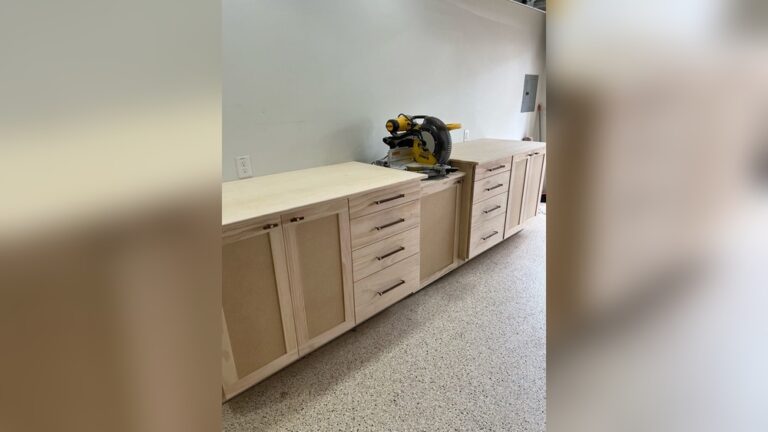

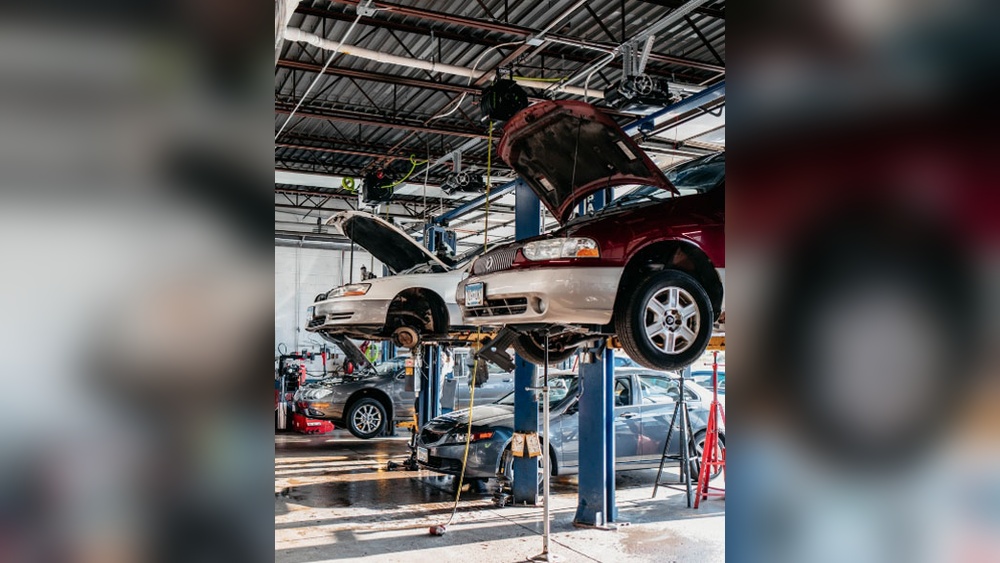
A garage is much more than just a space for parking your car. For millions of people, a garage is a place where cars repair. This simple idea is powerful. When a car stops working or needs maintenance, the garage is often the first place people think of. But why is this? What really happens inside a garage? And why is it essential for both car owners and the vehicles themselves? Let’s explore the world of garages, focusing on clear explanations and useful tips for beginners.
What Is A Garage?
A garage is a covered space where cars are kept safe from weather, theft, and damage. But its role goes far beyond storage:
- Garages are workshops for car repairs.
- Many garages have tools, equipment, and space for working on vehicles.
- Some are part of homes (private garages); others are businesses (auto repair shops).
Most people see garages as problem-solving places. If your car has a flat tire, engine trouble, or needs an oil change, the garage is usually where the solution happens.
Why Do Cars Need Repairs?
Cars are complex machines with many moving parts. Over time, these parts can wear out or break. Here are common reasons cars need to visit the garage:
- Regular maintenance (like oil changes or brake checks)
- Accidents or collisions
- Engine issues
- Electrical problems
- Flat tires
- Rust or body damage
Even the best cars will need repairs one day. Ignoring small issues can lead to bigger, more expensive problems. That’s why it’s smart to fix things early.
Credit: www.minneapolisfed.org
Types Of Garages
Not all garages are the same. Understanding the differences can help you choose where to repair your car.
| Type of Garage | Main Purpose | Common Users |
|---|---|---|
| Home Garage | Private car storage and small repairs | Car owners |
| Professional Auto Shop | Full repairs and maintenance | Anyone needing repairs |
| Dealership Garage | Brand-specific repairs, warranty work | New car buyers |
| Specialty Garage | Focus on certain repairs (tires, brakes, etc.) | People with specific issues |
Key Insights For Beginners
- Home garages can handle simple tasks like changing oil or replacing wiper blades.
- Complex repairs often need professional tools and trained mechanics.
- Some garages offer 24-hour emergency services; others work only during business hours.
What Happens Inside A Garage?
A garage is a place of action. Here’s what usually happens when you bring your car in for repair:
- Inspection: Mechanics check the car to find the problem.
- Diagnosis: They may use computers or special tools to identify issues.
- Estimate: You get a price for the repairs.
- Repair: The work begins—parts are replaced or fixed.
- Testing: The car is tested to make sure the repair worked.
- Pickup: You pay and drive your car home.
This process is similar in most garages, but the time and cost can vary depending on the problem.

Credit: lifehacker.com
Common Garage Repairs
Most garages see a lot of the same issues. Here are some of the most common repairs:
- Oil and filter changes: Keeps the engine running smoothly.
- Brake repairs: Worn brakes can be dangerous.
- Tire changes and rotation: Prevents blowouts and helps tires last longer.
- Battery replacement: Old batteries can leave you stranded.
- Engine tune-ups: Improves performance and fuel economy.
- Air conditioning fixes: Keeps you comfortable in hot weather.
Some repairs are quick (30 minutes or less), while others might take a whole day or longer.
Tools And Equipment In A Garage
Garages are full of tools. Some are simple, others are advanced. Here’s a look at what you might find:
- Wrenches and screwdrivers: For basic repairs.
- Car lift: Raises the car so mechanics can work underneath.
- Diagnostic computers: Find hidden problems in modern cars.
- Tire changer and balancer: For quick, safe tire work.
- Oil drains and recycling tanks: Keeps the shop clean and eco-friendly.
- Welding machines: For fixing or replacing metal parts.
| Tool | Use | Who Uses It |
|---|---|---|
| Socket Set | Tightening/loosening bolts | Home & pro mechanics |
| OBD Scanner | Reads car computer codes | Pro mechanics |
| Hydraulic Jack | Lifts part of the car | DIY & pros |
| Impact Wrench | Removes tight bolts fast | Pro mechanics |
Non-obvious Tips
- Garages with advanced tools can fix newer cars faster and more accurately.
- Some tools, like diagnostic computers, save money by finding problems quickly.
The Role Of Mechanics
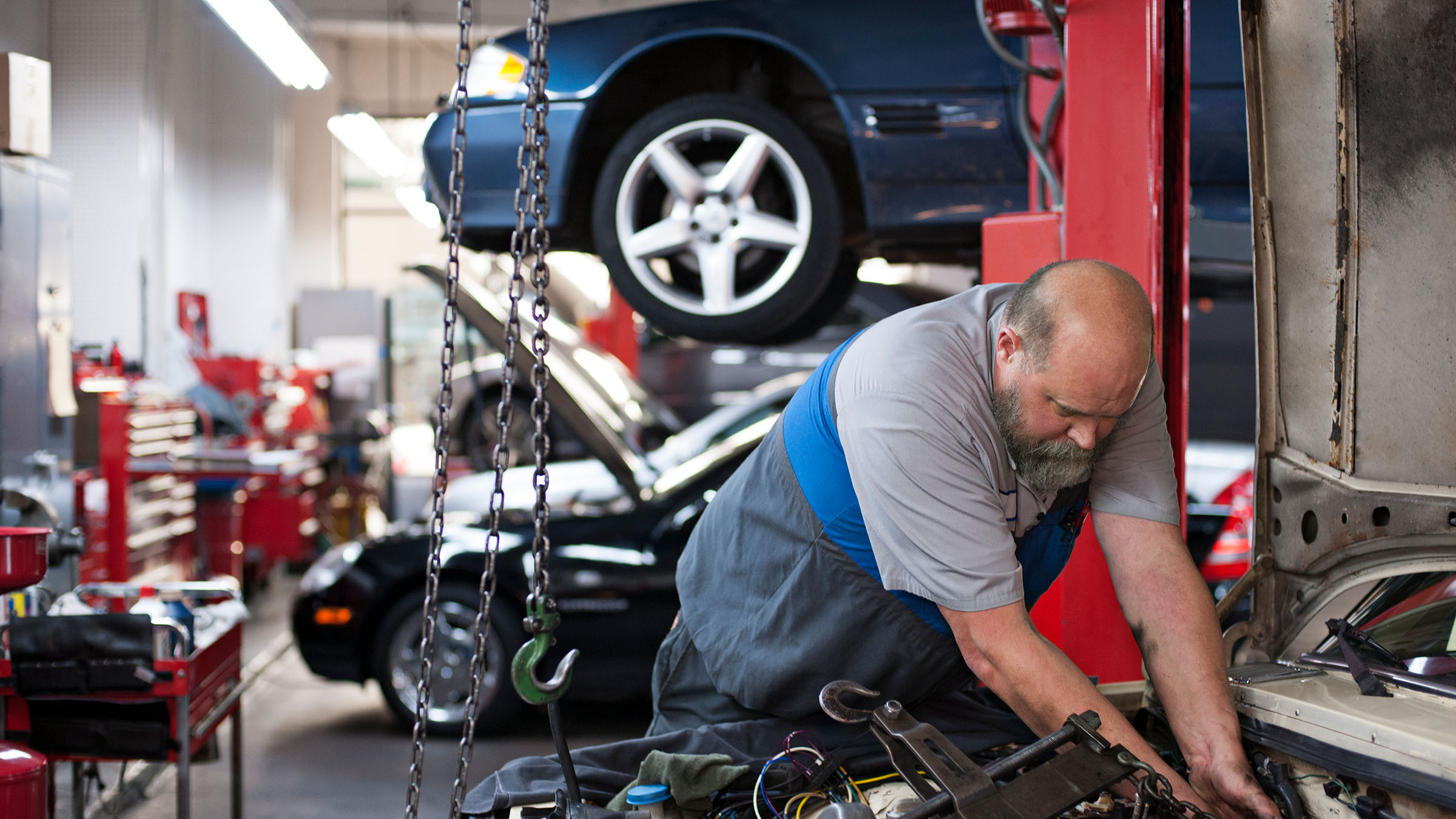
A garage is only as good as its mechanics. These skilled workers do the hands-on repairs:
- Certified mechanics have special training and licenses.
- Many mechanics specialize in certain types of repairs (engines, transmissions, etc. ).
- Good mechanics explain repairs in simple language and show you the old parts.
Mechanics often work in teams, especially in large garages. They share knowledge and tools to solve tough problems.
How To Choose The Right Garage
Not all garages are equal. Picking the wrong one can cost you money and time. Here’s how to choose wisely:
- Check Reviews: Look for honest feedback from other customers.
- Ask About Certification: Certified garages follow quality standards.
- Compare Prices: Get estimates from two or three garages if possible.
- Visit in Person: Is the shop clean? Are the staff friendly?
- Warranty Offered: Good garages guarantee their work.
Common Mistakes
- Choosing only by price (the cheapest is not always best).
- Ignoring bad reviews or poor communication.
- Not asking for a written estimate before repairs begin.
Costs Of Car Repairs
Repair prices depend on the car, the problem, and the garage. Here’s a general idea:
| Repair Type | Average Cost (USD) | Time Needed |
|---|---|---|
| Oil Change | $35 – $75 | 30 minutes |
| Brake Pad Replacement | $150 – $300 | 1-2 hours |
| Battery Replacement | $70 – $250 | 30 minutes |
| Engine Repair | $500 – $4,000 | 1 day or more |
Non-obvious Insights
- Labor costs can be 50% or more of the total bill.
- Some garages offer payment plans for expensive repairs.
Safety And Environmental Practices
Modern garages care about safety and the environment:
- Mechanics wear protective gear (gloves, goggles).
- Used oil and fluids are recycled or disposed of safely.
- Many garages use eco-friendly products when possible.
This is important for your safety and the health of your community.
Diy Repairs Vs. Professional Service
Should you try fixing your car in your own garage or go to a pro? Here are the pros and cons:
DIY Repairs:
- Save money on labor costs.
- Learn new skills.
- Good for simple jobs (changing oil, replacing bulbs).
Professional Service:
- Access to advanced tools.
- Expert knowledge.
- Safer for complex or risky repairs.
When To Avoid Diy
- If you’re not sure about a repair, it’s safer to call a pro.
- Mistakes can make problems worse and cost more to fix.
How Garages Have Changed Over Time
Garages have come a long way. In the past, most repairs were done by hand. Today’s garages use technology:
- Computer diagnostics find problems that humans can’t see.
- Electric and hybrid cars need special tools and training.
- Online booking lets you schedule repairs without calling.
This means faster, more accurate repairs for everyone.

Credit: en.comparis.ch
Real-world Example: A Day In A Garage
Imagine Maria, a car owner. Her car will not start. She calls a local garage. Here’s what happens:
- The garage sends a tow truck to pick up her car.
- A mechanic uses a diagnostic tool and finds a dead battery.
- Maria gets a price estimate and agrees to the work.
- The battery is replaced in 30 minutes.
- The mechanic checks the charging system to make sure everything works.
- Maria pays and drives home safely.
This simple story shows how garages help people every day.
How To Keep Your Car Out Of The Garage
Prevention is better than cure. Here’s how to avoid unnecessary repairs:
- Follow your car’s maintenance schedule.
- Check fluids and tire pressure regularly.
- Listen for strange noises or warning lights.
- Drive carefully to avoid accidents.
Regular care can save you hundreds or even thousands of dollars.
The Importance Of A Good Garage Relationship
Having a trusted garage means:
- Faster service when you need help.
- Better prices for repeat customers.
- Peace of mind knowing your car is in good hands.
Building a relationship takes time, but it’s worth it.
Additional Resources
If you want to learn more about car repairs or find certified garages, the Automotive Service Excellence (ASE) organization offers helpful information: ASE Official Site.
Frequently Asked Questions
Why Is A Garage Important For Car Repairs?
A garage provides a safe, controlled space for fixing cars. It has tools, equipment, and trained mechanics needed for proper repairs. Without a garage, many repairs would be unsafe or impossible, especially in bad weather.
What Should I Bring To The Garage For A Repair?
Bring your car registration, insurance papers, and a list of symptoms or problems. If you have service records, bring those too. This helps the mechanic diagnose issues faster.
How Do I Know If A Garage Is Trustworthy?
Look for certifications, read online reviews, and ask friends for recommendations. A clean, organized garage and clear communication are also good signs of a reliable shop.
Can I Watch My Car Being Repaired?
Some garages allow this, especially for simple repairs. However, for safety reasons, many shops have waiting areas separate from the work zone. Always ask the staff about their policy.
How Often Should I Take My Car To The Garage?
Most cars need a checkup every 5,000 to 10,000 miles (8,000–16,000 km) or at least once a year. Follow your owner’s manual for the best advice.
A garage is more than just a building—it’s a key part of keeping your car running well and staying safe on the road. Whether you’re fixing a small problem or dealing with a major breakdown, knowing how garages work can save you time, money, and stress.
By choosing the right garage and following good car care habits, you’ll enjoy smoother driving and fewer surprises.