
Every day, millions of people use their garage doors. Yet, many forget to close them or do not realize the importance of doing so. A garage door is not just an entrance for your car; it’s a crucial part of your home’s security and energy efficiency.
Forgetting to close the garage door can lead to theft, higher energy bills, and even accidents. In this article, you’ll discover why closing your garage door matters, how to do it safely, and practical tips for beginners to avoid common mistakes.
Why You Should Always Close The Garage Door
Leaving the garage door open seems harmless, but it brings real risks. Here’s why you should always make sure your garage door is closed:
- Home security: An open garage is an open invitation for thieves. The garage often connects directly to your house. According to the FBI, over 9% of home burglaries happen through the garage.
- Animal entry: Small animals like raccoons, rats, or even stray cats can enter and cause damage.
- Weather protection: An open door exposes your garage to rain, snow, or strong winds, which can damage items inside.
- Energy loss: If your garage is attached to your home, heat or cool air escapes, making your energy bill higher.
Example: Sarah left her garage door open overnight. In the morning, she found her bicycle missing and her pet food scattered by raccoons. Simply closing the garage door could have avoided both problems.
Understanding Different Types Of Garage Doors
Not all garage doors are the same. Knowing your type helps you operate and maintain it better.
| Type | How It Works | Common Features |
|---|---|---|
| Sectional | Opens upward in sections, tracks overhead | Popular, easy to automate |
| Roll-Up | Rolls up into a coil above door | Best for small spaces |
| Side-Hinged | Swings open from sides like barn doors | Traditional look, easy manual use |
| Tilt-Up | Tilts up as a single piece | Simple, fewer parts |
Insight: Sectional and roll-up doors are the most common in modern homes. These are usually automated with remotes, making them easy for beginners.
Credit: www.compliancesigns.com
How To Properly Close The Garage Door
Closing your garage door seems simple, but there are steps to do it safely and correctly. Here’s a beginner-friendly guide:
- Check the door area: Make sure people, pets, or items are clear of the door’s path.
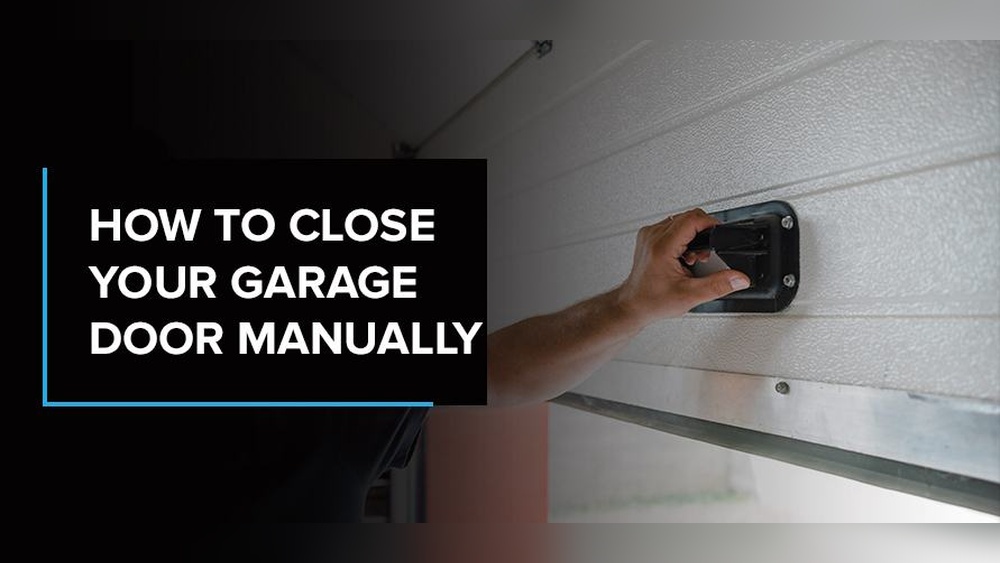
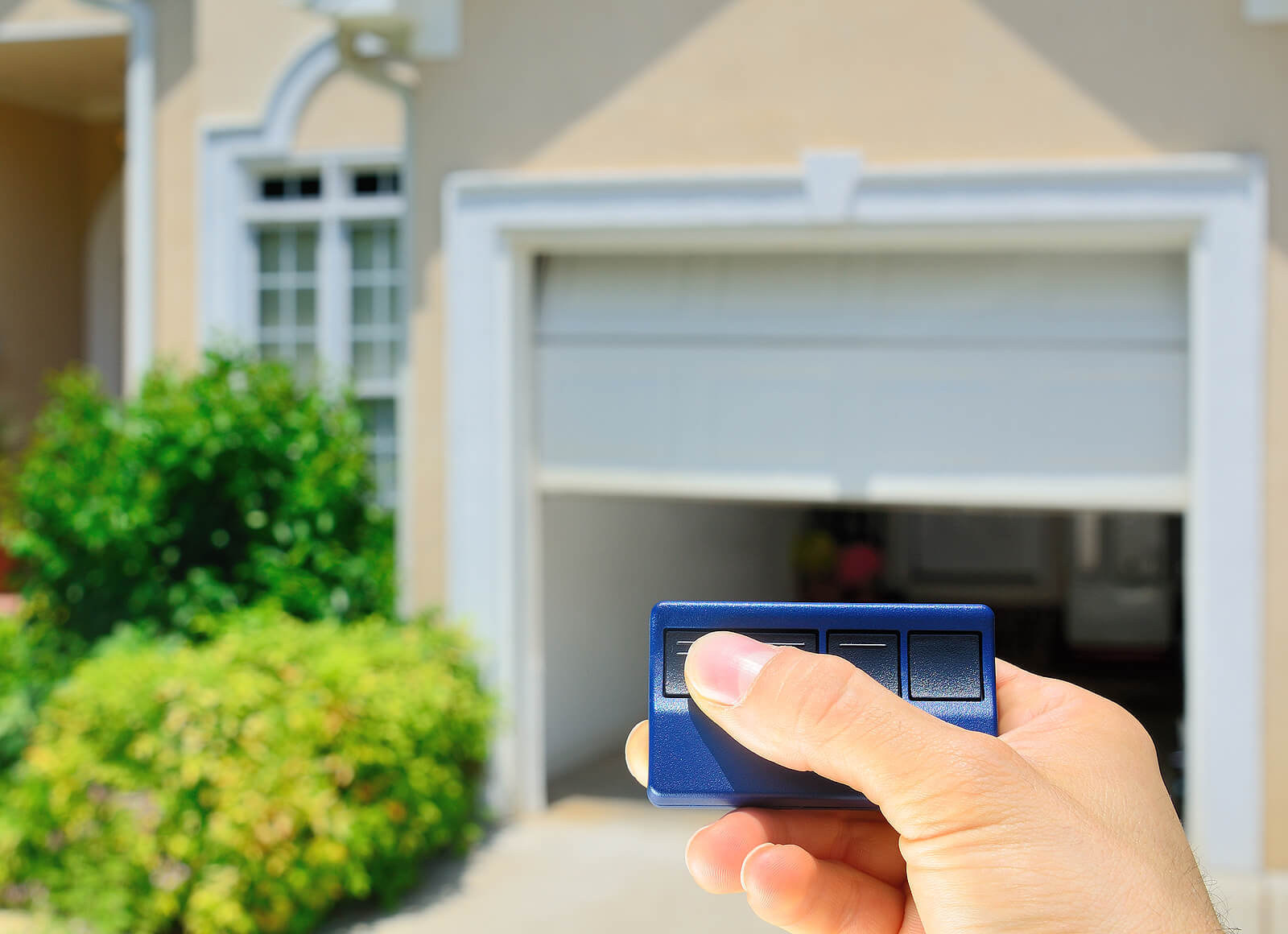
- Use the remote or wall switch: For automatic doors, press the button once. Do not hold it down—one press is enough.
- Watch the door: Stay until the door fully closes. This ensures nothing blocks the path and the door closes completely.
- Listen for unusual sounds: Grinding, squeaking, or banging sounds mean something is wrong.
- Lock manual doors: If your door does not have an automatic lock, use the interior lock for extra security.
Common mistake: Many people press the button and walk away. If something blocks the sensors, the door may open again. Always wait and watch.
Automatic Garage Door Closers: The Modern Solution
Technology can help you never forget to close your garage door again. Automatic garage door closers are devices that close your door after a set time or let you control it with your smartphone.
How Automatic Closers Work
- Timer-based: Closes the door after a few minutes if left open.
- Remote control: Lets you close the door from inside your car or home.
- Smartphone apps: Some models connect to Wi-Fi, so you can check and close your door from anywhere.
Example: If you drive away and forget to close the door, you can use your phone to shut it.
Comparison: Manual Vs. Automatic Closing
Here’s a quick look at the differences:
| Feature | Manual Closing | Automatic Closing |
|---|---|---|
| Convenience | Needs human action | Hands-free, remote or app |
| Security | Relies on memory | Closes even if forgotten |
| Cost | Low | Medium to high |
| Setup | None | May need professional |
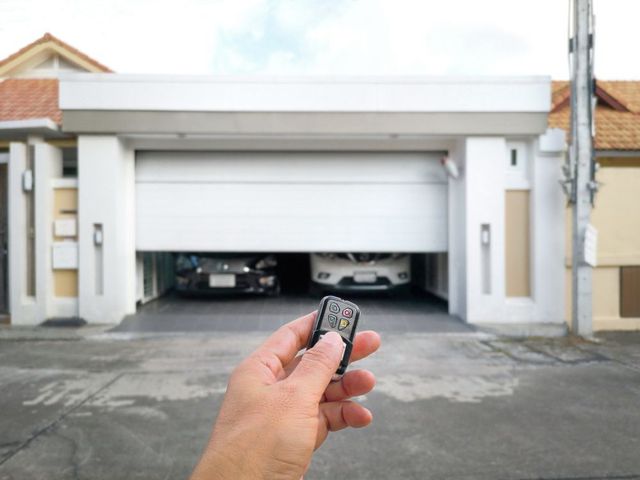
Credit: www.upliftgarage.com
Safety Features To Check Before Closing
Modern garage doors have built-in safety features. Make sure yours has these before closing:
- Photo-eye sensors: Small boxes near the floor on both sides. If something crosses the beam, the door stops or reverses.
- Auto-reverse mechanism: If the door hits an object, it should go back up automatically.
- Manual release handle: Lets you open the door by hand during a power failure.
Beginner tip: Test your safety sensors every month. Place a roll of paper towels under the door and close it. The door should reverse when it touches the roll.
Energy Efficiency And The Garage Door
Keeping the garage door closed helps with energy savings. This is important if your garage is attached to your home.
- Less air exchange: Cold or hot air can enter your home when the garage is open.
- Protects insulation: Many garages have insulated doors or walls. Open doors make insulation less effective.
Practical data: The US Department of Energy says a well-insulated and closed garage can reduce heating and cooling costs by 10–20%.
Common Problems When Closing The Garage Door
Sometimes, the garage door doesn’t close as it should. Here are the most common issues and what to do:
- Obstructed sensors: Dirt or objects block the photo-eyes. Clean them gently with a soft cloth.
- Broken springs or cables: The door feels heavy or won’t move. Call a professional—don’t try to fix it yourself.
- Remote control issues: Check the batteries or reprogram the remote.
- Misaligned tracks: The door sticks or is uneven. Look for gaps or bends in the metal tracks.
- Weather conditions: Ice or snow can block the door’s path. Clear away before closing.
Non-obvious insight: Sometimes sunlight can interfere with photo-eye sensors, especially in the afternoon. If your door won’t close, try shading the sensors.
How To Remember To Close The Garage Door
Even with all the right tools, human memory isn’t perfect. Here are practical ways to help you remember:
- Put a sticker on your dashboard: “Did you close the garage?”
- Set a reminder on your phone: Use daily alarms if you often forget.
- Use smart home systems: Connect your garage door to Alexa or Google Assistant for voice checks.
- Garage door monitors: Devices that beep or light up if the door is left open.
Personal example: John used to forget every week. After adding a garage monitor with a red light, he hasn’t forgotten once.
Safety Tips For Families And Children
Garage doors can be dangerous if used incorrectly, especially for kids. Teach your family these safety rules:
- Never play near the garage door: Moving parts can pinch or trap fingers.
- Keep remotes out of reach: Store them in a high place.
- Explain the dangers: Show children why the door should not be treated like a toy.
Data point: The US Consumer Product Safety Commission reports over 10,000 injuries per year from garage doors, mostly involving children.
What To Do If The Garage Door Won’t Close
You press the button, but the door stays open. Here’s a quick checklist for troubleshooting:
- Check the sensors: Clean them and make sure nothing blocks the path.
- Listen for beeping or flashing lights: Some openers signal errors with sounds or lights.
- Try the wall switch: If the remote fails but the wall switch works, replace the remote batteries.
- Inspect for damage: Look for broken springs, cables, or visible damage.
- Reset the opener: Unplug for 30 seconds, then plug in again.
If these steps don’t work, call a professional. Garage doors are heavy and can be dangerous to fix on your own.
Credit: www.mesagaragedoors.com
Comparing Garage Door Brands And Features
Choosing the right garage door opener makes closing easier and safer. Here’s a look at popular brands and their features:
| Brand | Key Features | Average Price |
|---|---|---|
| Chamberlain | Wi-Fi enabled, quiet motor | $200–$350 |
| LiftMaster | Smartphone control, battery backup | $250–$400 |
| Genie | Basic models, reliable performance | $150–$300 |
| Craftsman | Keypad entry, budget-friendly | $130–$250 |
Non-obvious insight: Battery backup is a key feature. If your power goes out, your door still works. This is especially important in areas with storms or unreliable electricity.
The Role Of Garage Door Maintenance
Regular maintenance keeps your garage door working well and safe to use. Here are simple tasks for beginners:
- Lubricate moving parts: Use garage door lubricant on rollers, hinges, and tracks every 6 months.
- Check for loose bolts: Tighten any that look loose.
- Test the balance: Disconnect the opener and lift the door halfway. If it stays, it’s balanced. If it falls, call a professional.
- Inspect weatherstripping: Replace if cracked or worn out.
Practical tip: Mark your calendar for spring and fall garage door checks. This helps prevent problems before they start.
Smart Home Integration: Next-level Control
Modern homes use smart technology for everything, including the garage door. Here’s how smart integration helps:
- Remote access: Open or close your garage from anywhere using your phone.
- Voice control: Use Alexa, Google Assistant, or Siri for hands-free operation.
- Notifications: Get alerts if your door is left open.
- Integration with security systems: Some garage door openers connect to full home security setups.
For more on smart garage technology, see the CNET guide to smart garage door openers.
Frequently Asked Questions
Why Does My Garage Door Reverse After Touching The Ground?
This usually means the safety sensors are misaligned or the auto-reverse system is too sensitive. Check for dirt or blockages. Adjust the sensors so they face each other and are clean. If the problem continues, call a technician.
How Can I Close My Garage Door From Far Away?
If you have a smart garage door opener, use the mobile app. You can also use some newer remotes with extended range. For older systems, consider upgrading to a model with Wi-Fi or smart features.
What Should I Do If The Garage Door Won’t Close In Cold Weather?
Cold weather can cause parts to contract or freeze. Check for ice or snow blocking the door. Lubricate moving parts with special garage door lubricant designed for low temperatures. If the door still does not close, sensors or springs may need attention.
Is It Safe To Close The Garage Door When Children Are Nearby?
No, always make sure children and pets are clear before closing the door. Use doors with photo-eye sensors and never let kids play with remote controls or wall switches.
How Often Should I Check My Garage Door For Problems?
A quick monthly test is best. Inspect the safety sensors, auto-reverse system, and balance. Also, lubricate moving parts twice a year. Regular checks keep your door safe and reliable.
Closing your garage door may seem simple, but it’s a key part of home safety and comfort. With the right tools, knowledge, and habits, you’ll protect your home, save energy, and prevent accidents. Even small changes, like adding a reminder sticker or using smart technology, make a big difference.
Start today—close the garage door every time, and enjoy peace of mind.