
If your garage door won’t close automatically, you’re not alone. Many homeowners face this problem, especially during power outages or when the opener malfunctions. Learning how to close your garage door manually is important for security and safety. You don’t need special tools or advanced skills—just a clear guide and a bit of patience. This article will help you step-by-step, using simple words and clear instructions. Whether your garage door is stuck open or you just want to secure it, these practical tips will help even beginners feel confident.
Understanding Garage Door Mechanisms
Before closing a garage door manually, it’s helpful to know how the garage door system works.
- Most garage doors use an electric opener powered by a motor.
- The opener connects to the door using a trolley and rail system.
- Safety features like sensors and emergency releases are built in.
There are two main types:
- Sectional garage doors (most common in the US): Made of panels that bend as the door opens or closes.
- One-piece garage doors: Older style, swings up in one piece.
Knowing your door type helps with manual operation. If unsure, look for the panels—sectional doors have them, one-piece doors do not.
Reasons You Might Need To Close The Door Manually
Garage doors can fail to close automatically for several reasons:
- Power outage: The motor won’t work without electricity.
- Opener malfunction: Remote, wall switch, or opener fails.
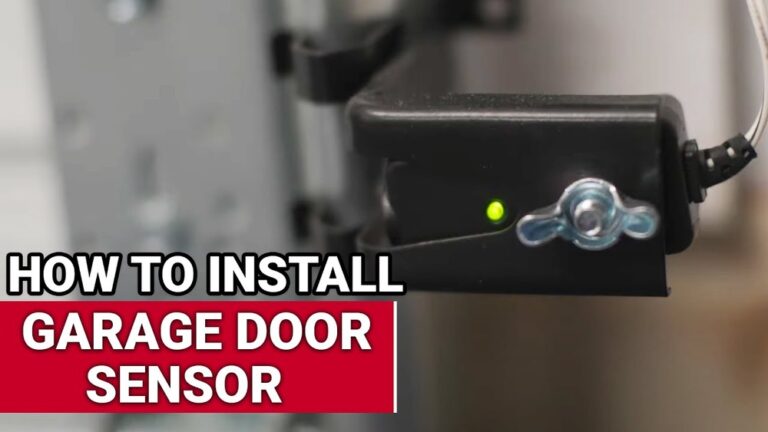
- Sensor problems: Misaligned or dirty sensors prevent closing.
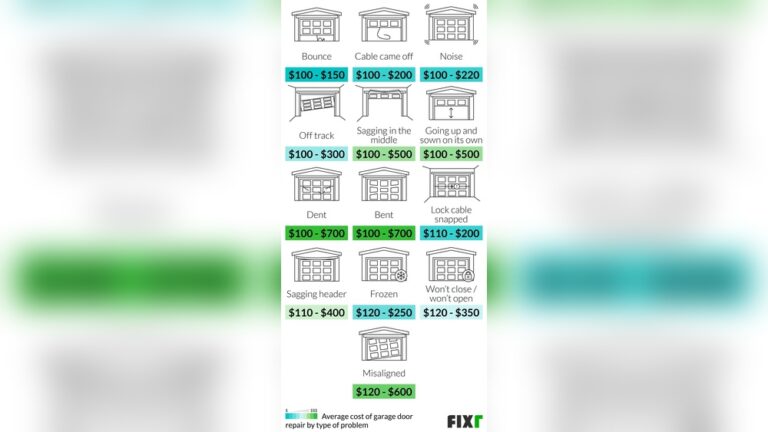
- Broken spring or cable: Mechanical damage stops movement.
If your door won’t close and you want to secure your garage, manual closing is your best option.

Credit: www.youtube.com
Safety Precautions Before You Start
Garage doors are heavy and can be dangerous. Follow these safety steps:
- Disconnect power: Unplug the opener to avoid accidental movement.
- Check for damage: Look for broken springs, cables, or panels.
- Remove obstacles: Make sure nothing blocks the door’s path.
- Keep children and pets away: Only adults should handle manual closing.
- Wear gloves: Protect your hands from sharp edges or debris.
Never force a door with obvious damage; call a professional instead.
Step-by-step Guide To Closing Garage Door Manually
Follow these clear steps to close a typical sectional garage door manually.
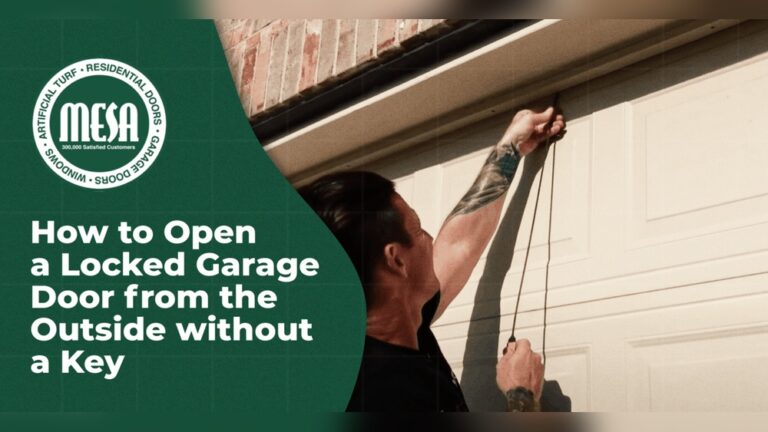
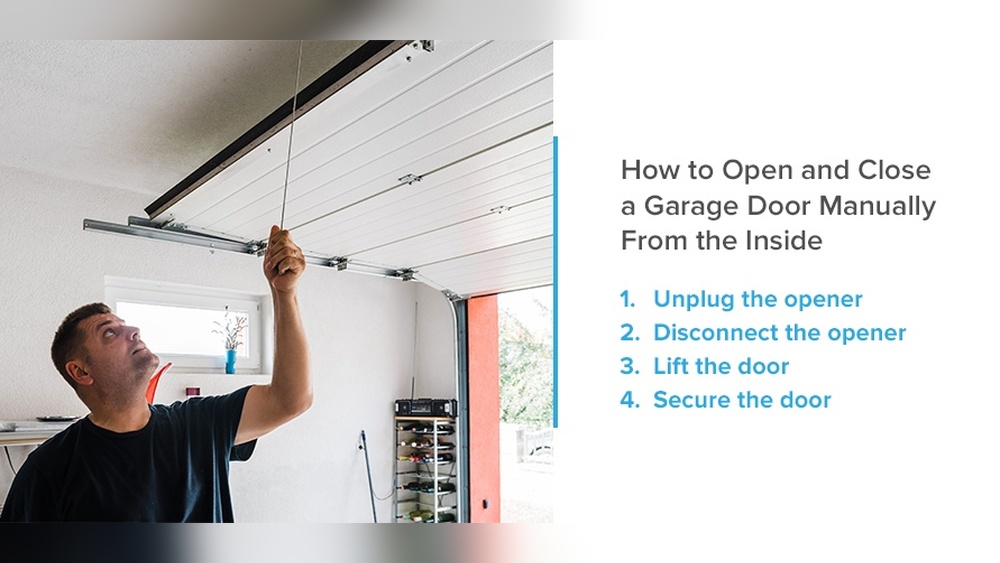
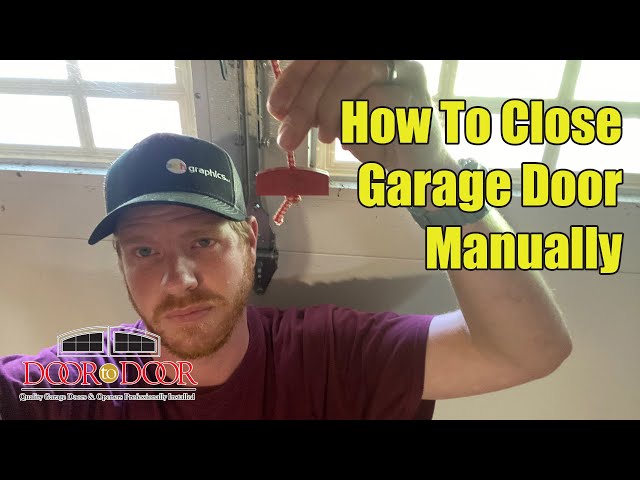
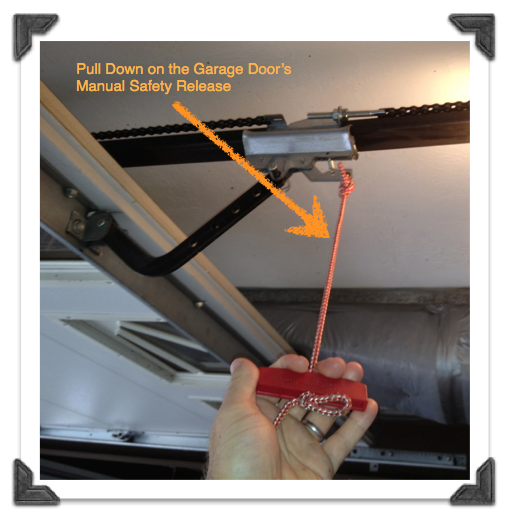
Step 1: Locate The Emergency Release Cord
- Find the red cord hanging from the opener rail (usually near the door).
- The cord connects to the trolley—pulling it releases the opener.
Step 2: Pull The Emergency Release Cord
- Firmly pull the red cord down and away from the door.
- This disconnects the door from the opener, so you can move it by hand.
Step 3: Check Door Balance
- Try lifting or lowering the door a few inches.
- If the door is balanced, it should move easily and stay in place.
- If the door feels heavy or drops quickly, the spring may be broken.
Step 4: Lower The Door Slowly
- Stand on one side, grip the door handle or panel edge.
- Gently pull the door down—never let it drop.
- Keep your feet and hands clear of the moving parts.
Step 5: Secure The Door
- Once closed, check if the door locks automatically (some models do).
- If not, use the built-in manual lock or slide bolt.
- If your door has no lock, place a clamp or padlock on the track.
Step 6: Reconnect The Opener (optional)
- After power returns or repairs are finished, pull the emergency cord again (toward the door).
- Run the opener once to reconnect the trolley.
Example: Closing During Power Outage
Imagine a storm knocks out your power. You need to secure your home overnight.
- Unplug the opener for safety.
- Pull the emergency release cord.
- Lower the sectional door carefully.
- Lock the door with the manual bolt.
- When power returns, reconnect the opener and check operation.
Most homeowners can complete these steps in under 10 minutes.
Common Problems And Solutions
Manual closing isn’t always smooth. Here are typical issues and how to fix them:
- Door won’t move easily: Check for rust, debris, or blocked tracks.
- Door feels too heavy: Broken spring—do not force; call a technician.
- Lock doesn’t work: Use a clamp or padlock on the track.
- Door won’t reconnect: Try running the opener while pulling the cord; check manual.
If your garage door is old or damaged, consider a professional inspection.
Tools And Materials You Might Need
Most doors can be closed manually without tools. Sometimes, you may need:
- Gloves: For safety.
- Flashlight: For dark garages.
- Clamp or padlock: To secure the door.
- Screwdriver: If you need to adjust the lock.
Always keep these items handy in your garage toolbox.
Garage Door Types Comparison
To help you understand differences, here’s a quick comparison:
| Type | Manual Closing | Common Issues |
|---|---|---|
| Sectional | Easy, emergency cord releases opener | Broken spring, misaligned sensors |
| One-piece | Heavier, may need extra force | Loose hinges, heavy panels |
| Roll-up | Smooth, but small handle | Track blockage, worn rollers |
Most modern homes use sectional doors, so instructions focus on this type.
Credit: www.youtube.com
Data: Garage Door Weight And Safety
Garage doors are heavier than most people expect. Here are typical weights:
| Door Size | Weight (Approx.) | Spring Needed |
|---|---|---|
| Single (8’x7′) | 80–120 lbs | Yes |
| Double (16’x7′) | 150–250 lbs | Yes |
| One-piece | Up to 300 lbs | Yes |
If your door feels much heavier than these numbers, the spring may be broken. Never try to lift a heavy door alone.
Practical Tips For Beginners
- Practice when power is on: Try manual closing with electricity available so you understand the process.
- Keep emergency cord visible: Don’t block it with storage or tools.
- Lubricate tracks and rollers: Twice a year, use garage door lubricant for smoother movement.
- Inspect locks: Check manual locks regularly for rust or damage.
- Learn your opener model: Read the manual—each brand has small differences.
A common mistake is forgetting to disconnect power before manual operation. This prevents accidental movement.
Quick Troubleshooting Table
If you run into problems, use this guide:
| Problem | Possible Cause | What To Do |
|---|---|---|
| Door won’t close | Obstruction, broken spring | Remove debris, call technician if heavy |
| Door unlocks easily | Old lock, loose bolt | Replace lock, add padlock |
| Door reconnects poorly | Trolley not aligned | Run opener, check manual |
When To Call A Professional
Some problems need expert help:
- Broken or damaged springs
- Frayed or snapped cables
- Door off track
- Severe panel damage
Attempting to fix these yourself can be dangerous. Professionals have the right tools and training. The National Association of Home Builders recommends regular garage door maintenance for safety (NAHB).
Extra Security Tips After Manual Closing
If you must leave your door closed manually for a longer period:
- Use a padlock or clamp on the inside track.
- Install a garage door defender for extra security.
- Cover windows to prevent outsiders from seeing inside.
- Inform family members about manual operation.
Most burglars target unlocked doors—secure yours even during short power outages.
Frequently Asked Questions
What Is The Emergency Release Cord?
The emergency release cord is a red rope or handle hanging from the opener rail. Pulling it disconnects the door from the motor, allowing manual movement.
Can I Close The Door Manually If The Spring Is Broken?
You should not. A broken spring makes the door very heavy. Forcing it can cause injury or damage. Contact a garage door technician.
How Do I Lock The Garage Door After Closing It Manually?
Most doors have a manual lock or slide bolt. If not, use a clamp or padlock on the track to prevent opening from outside.
Why Does My Door Feel Heavy When Closing Manually?
If your door feels much heavier than expected, the spring or cable may be damaged. Stop and call a professional.
Will Manual Closing Damage My Garage Door Opener?
Manual closing won’t damage the opener if you properly use the emergency release cord. Always reconnect the opener as instructed in your manual.
Closing your garage door manually is a useful skill for every homeowner. With the right steps, you can secure your property quickly and safely, even when technology fails. Practice the process, keep safety in mind, and know when to call for help.
Your garage—and your peace of mind—will thank you.
Credit: www.garagedoorspokane.com