
If your garage feels like a messy storage room, you are not alone. Many people use the garage for everything—cars, bikes, tools, sports gear, old boxes, and more. But a cluttered garage wastes space and makes it hard to find things.
Organizing your garage can save time, reduce stress, and even add value to your home. This guide will show you simple steps to create a neat, useful garage, even if you are a beginner. You will learn how to sort, store, and keep your garage clean in the long run.
Why Organize Your Garage?
A well-organized garage makes daily life easier. Here are some benefits:
- More space: You can fit your car and still have room for storage.
- Safety: Fewer accidents from tripping over items or falling tools.
- Saves money: You stop buying things you already own but cannot find.
- Faster access: You find what you need quickly, whether it is a screwdriver or holiday lights.
- Higher home value: Organized garages appeal to home buyers.
According to a survey by the National Association of Professional Organizers, 50% of homeowners named the garage as the most disorganized place in the house. Yet, with simple planning and regular upkeep, you can transform this space.
Step 1: Set Your Goal And Make A Plan
Before touching anything, know your purpose. What do you want from your garage? A car park, a workshop, a storage spot, or all three? Write down your main goals on paper. This helps you decide what to keep and what to remove.
Example Goals
- Park two cars and store sports gear.
- Create a small workbench area.
- Store seasonal items (like snow shovels) neatly.
Next, measure your garage. Take note of:
- The size of the space (length, width, height)
- Doorways and windows
- Electric outlets
This information helps you decide on storage units, shelves, and where to put things.
Step 2: Empty And Sort Everything
Take everything out of your garage. Put items on the driveway or yard. This step lets you see how much you have and what is hiding in corners.
Sorting Categories
Use four basic groups:
- Keep: Useful items you use often.
- Donate/Sell: Items in good condition but not used.
- Recycle/Dispose: Broken, expired, or useless items.
- Store elsewhere: Items that do not belong in the garage.
As you sort, ask:
- When did I last use this?
- Do I have duplicates?
- Is this item still working or safe?
Many people find they can remove 30–40% of items during this phase.
Step 3: Deep Clean The Garage
With everything out, clean the entire space. Sweep the floor, remove cobwebs, and wipe surfaces. Check for oil stains, mold, or signs of pests. Clean garages are easier to organize and keep tidy.
Cleaning Tips
- Use a broom and dustpan to remove dirt.
- For oil stains, sprinkle baking soda, scrub with a brush, and rinse.
- Check walls for damage or water leaks.
Step 4: Plan Your Storage Zones
Think of your garage in zones, just like a supermarket. Each area has a purpose.
Common Garage Zones
- Car parking
- Tool storage
- Sports and outdoor gear
- Seasonal decor
- Garden supplies
- Household storage
Place items you use often near the door. Store less-used things (like holiday decorations) higher or farther away. Creating zones saves time and makes cleaning easier.
Step 5: Choose The Right Storage Solutions
The right storage makes a big difference. You have many options, from simple shelves to fancy cabinets. The best choice depends on your budget, space, and needs.
Popular Storage Options
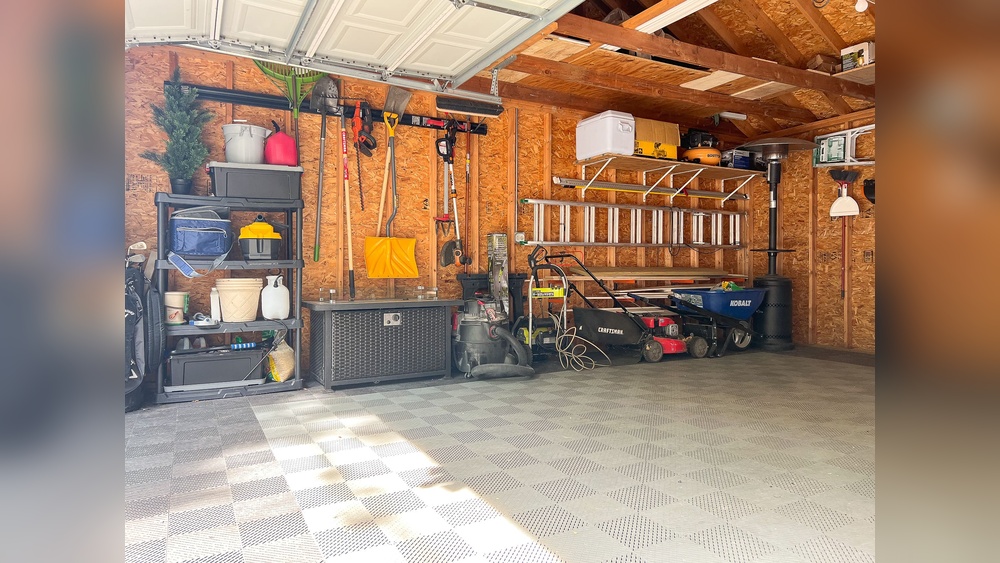
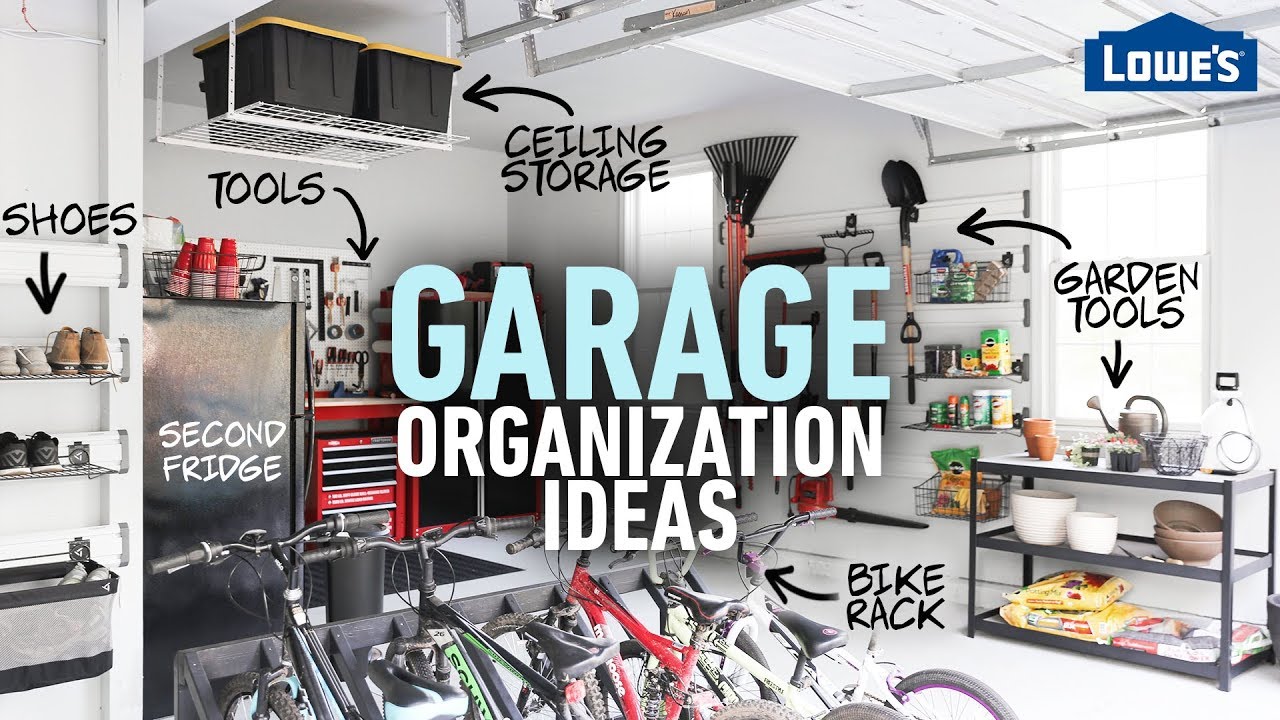
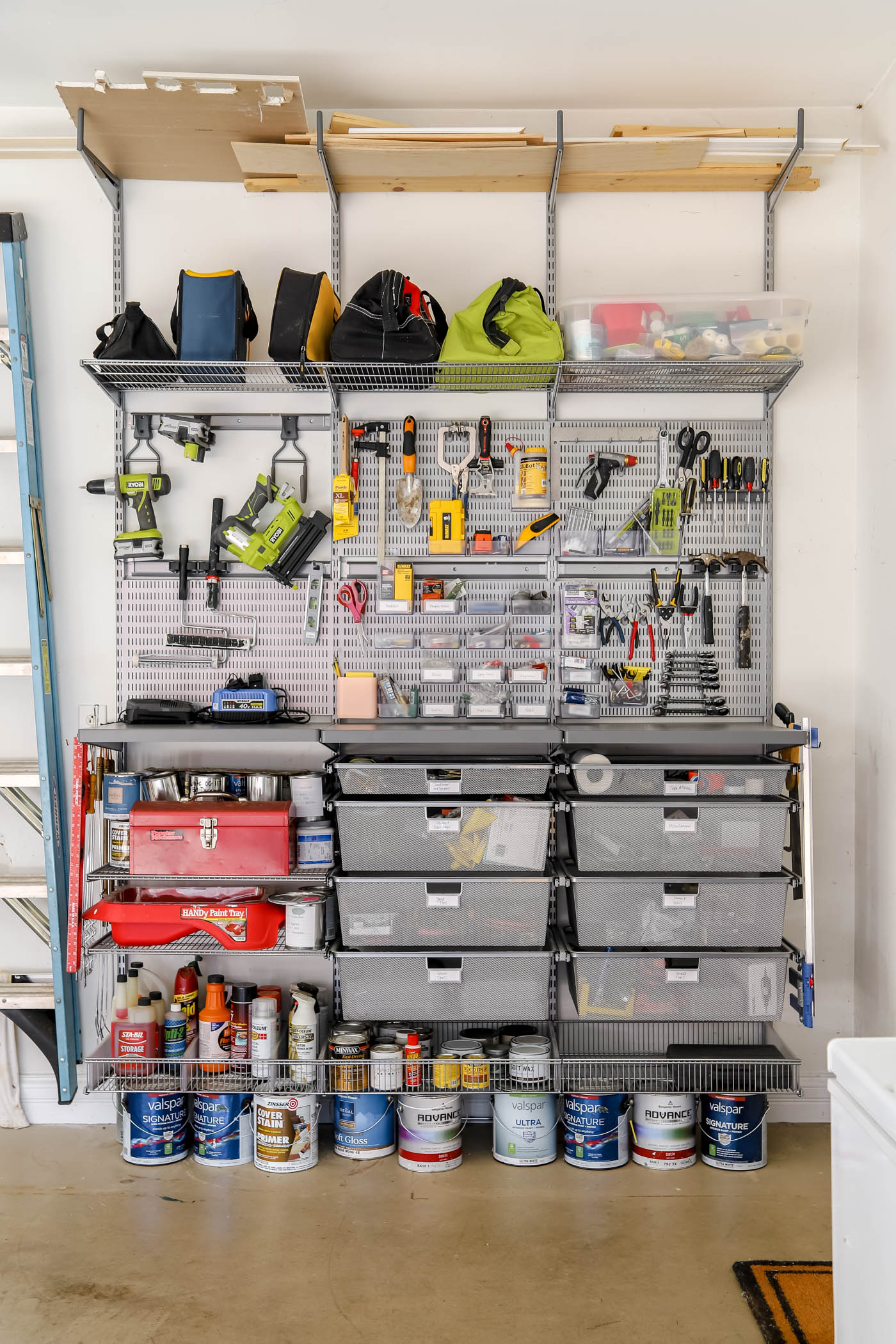
- Shelving units: Metal or plastic shelves hold bins, boxes, and tools.
- Wall hooks and pegboards: Hang bikes, tools, and cords.
- Overhead racks: Store long-term items like luggage or camping gear.
- Cabinets: Lock away chemicals or sharp objects.
- Clear bins: Easy to see contents; great for small items.
Below is a comparison of common garage storage types:
| Storage Type | Best For | Cost Range | Pros | Cons |
|---|---|---|---|---|
| Shelves | Boxes, bins, tools | $30–$200 | Simple, cheap, flexible | Open to dust |
| Pegboards | Hand tools, cords | $20–$100 | Easy to reach, saves wall space | Limited weight |
| Overhead racks | Seasonal storage | $50–$300 | Uses ceiling space, high capacity | Hard to reach |
| Cabinets | Chemicals, valuables | $100–$500 | Safe, lockable | Costly, takes space |
Non-obvious tip: Shelves with adjustable heights adapt as your needs change. Choose flexible systems if your storage needs may grow.
Step 6: Organize And Store Items
Now, place your items back in the garage according to your zones and new storage solutions.
Key Organizing Ideas
- Label everything: Use a label maker or masking tape to mark bins and shelves.
- Group similar items: Keep all sports gear together, all tools together, etc.
- Store vertically: Use walls for hooks, shelves, and racks.
- Heavy items on the bottom: Prevents accidents and makes access safer.
Here is an example of how to organize common garage items:
| Item Type | Best Storage Method | Zone |
|---|---|---|
| Sports gear | Wall hooks, bins | Sports area |
| Power tools | Pegboard, shelves | Workshop corner |
| Holiday décor | Clear bins, overhead rack | Seasonal storage |
| Car care items | Small shelf or bin | Near garage door |
Beginner mistake: Storing everything in cardboard boxes. These attract pests and break down over time. Choose plastic bins for long-term storage.
Step 7: Deal With Hazardous Materials
Many garages hold hazardous items like paint, fuel, pesticides, or cleaners. Store these safely:
- Use locked cabinets, away from children and pets.
- Do not keep old paint or chemicals you will not use.
- Know your local laws for disposal—never pour chemicals down the drain.
According to the EPA, improper storage causes thousands of accidents each year. Always read labels and follow safety advice.
Credit: www.youtube.com
Step 8: Create A Maintenance Routine
An organized garage does not stay neat by itself. Plan a quick check every few months. Spend 10–15 minutes to:
- Return items to their place.
- Sweep the floor.
- Check for unused or broken items to remove.
A yearly deep clean keeps your garage fresh. Add it to your spring or fall cleaning list.
Common Garage Organizing Mistakes To Avoid
- Storing everything on the floor: This wastes vertical space and makes cleaning hard.
- Not labeling: Unmarked boxes lead to confusion.
- Ignoring safety: Mixing chemicals or blocking exits is dangerous.
- Overcrowding: Leave space for your car and walking.
- Forgetting lighting: A dark garage hides hazards. Add bright LED lights for safety.
Real-world Example: A 2-car Garage Makeover
Let’s see how the steps above work in practice. Amy, a busy parent, had a packed 2-car garage. Bikes, tools, boxes, and toys covered every surface. She wanted to park two cars and store sports gear.
Steps she followed:
- Measured her garage (20 x 20 feet).
- Sorted out 10 bags of donations and 6 bags of trash.
- Bought two metal shelves ($70 each), a pegboard ($25), and four large bins ($10 each).
- Used wall hooks for bikes and labeled bins for sports gear.
- Created zones: Parking, sports, tools, and holiday storage.
Results: Amy now parks both cars easily. Her kids grab sports gear in seconds. The whole project took two weekends and less than $250. Amy’s advice: “Start small and keep going. It feels great to have space again.”
Cost And Time Needed For Garage Organization
Most people can organize a standard 2-car garage in one or two weekends. Costs depend on what storage you buy. Here is a quick look:
| Item | Estimated Cost | Time Needed |
|---|---|---|
| Shelves (2–3 units) | $100–$300 | 1–2 hours |
| Pegboard + hooks | $30–$60 | 1 hour |
| Plastic bins (4–8) | $40–$100 | 1 hour (labeling) |
| Wall hooks (bike, tools) | $20–$50 | 30 minutes |
Many people spend $200–$500 for a neat, organized garage. If you already have shelves or bins, costs can be much lower.
:strip_icc()/organized-garage-bins-paint-strips-3CKIk-xWK53B6sOjGjz5f--2000-c24c1b0d5e9c43edadb38ec109fefde1.jpg)
Credit: www.bhg.com
Environmental Tips For Garage Organization
- Recycle metal, glass, and plastic items.
- Donate working items to local charities.
- Use eco-friendly cleaners when scrubbing your garage.
- Store hazardous materials safely to avoid leaks or spills.
Non-obvious tip: Check local recycling events—many towns have special days to drop off paint, batteries, or chemicals.
For more safe storage and recycling tips, see the EPA’s recycling resources.
Frequently Asked Questions
How Do I Keep My Garage Organized Long-term?
Stick to a simple routine. Spend a few minutes each week putting items back in their place. Do a full check every season for unused or broken items. Labeling and creating clear zones help everyone in the family keep the system going.
What Should Never Be Stored In The Garage?
Avoid storing important papers, photos, or food in the garage. Temperature changes and pests can damage them. Also, do not keep propane tanks or gasoline inside—store these outside in a safe, dry spot.
How Can I Maximize A Small Garage?
Use vertical space. Install wall shelves, hooks, and overhead racks. Choose stackable bins and foldable workbenches. Keep only items you really need. Small garages need smart, space-saving solutions.
What Is The Cheapest Way To Organize A Garage?
Start by decluttering—removing things costs nothing. Use old shelves, crates, or recycled bins before buying new ones. Pegboards and hooks are low-cost and make a big difference. Invest only in what you need most.
How Do I Organize Garage Tools?
Hang frequently used tools on a pegboard for easy access. Store less-used tools in labeled bins or drawers. Group similar tools (all screwdrivers together, all wrenches together). Clean tools before storing to make them last longer.
Organizing your garage is a big project, but it is possible for anyone. With smart planning, the right storage, and regular care, your garage can become a useful, safe, and tidy part of your home.
Credit: theturquoisehome.com