
Garage Door Panel Replacement: A Beginner’s Guide
A damaged garage door can quickly become a headache. Whether it’s a dent, a crack, or rust, a broken panel can make your garage look old and unsafe. Fixing a garage door panel isn’t just about looks. It’s also about keeping your home secure, making your garage door work smoothly, and saving money compared to replacing the whole door.
Many homeowners think panel replacement is complicated, but it doesn’t have to be. In this guide, you’ll find simple steps, real examples, and practical advice for replacing garage door panels—even if you’re new to DIY projects.
Why Replace Garage Door Panels?
Garage door panels are the sections that make up the door. When one or more panels are damaged, your door can lose strength, insulation, and safety. Here are some common reasons to replace panels:
- Visible damage: Dents, cracks, holes, or rust spots.
- Malfunction: Door won’t open or close smoothly.
- Security issues: Weak spots make it easy for intruders.
- Energy loss: Damaged panels let in cold air or heat.
Replacing one or two panels costs much less than buying a whole new door. Most garage doors are made of several panels, so you don’t have to fix everything if just one area is damaged.
Types Of Garage Door Panels
Garage door panels come in different styles and materials. Choosing the right type is important for fit, durability, and appearance.
| Type | Material | Common Use | Cost Range (USD) |
|---|---|---|---|
| Traditional Raised Panel | Steel, Wood | Residential | $150-$350 per panel |
| Flush Panel | Aluminum, Steel | Modern homes | $120-$300 per panel |
| Carriage Style | Wood, Composite | Decorative | $250-$500 per panel |
| Glass Panel | Tempered Glass | High-end/Contemporary | $400-$700 per panel |
Steel panels are most common because they are strong and affordable. Wood panels look classic but need more care. Aluminum panels are light but can dent easily. Glass panels are stylish but expensive and fragile.
Tools And Materials You’ll Need
Before you start, gather these basic tools and supplies:
- Replacement panel (make sure it matches your door)
- Screwdriver (usually Phillips)
- Socket wrench
- Drill
- Safety gloves and glasses
- Measuring tape
- Level
- Lubricant (for hinges and tracks)
- Stepladder
Check your garage door manual for any special tools or instructions. If you don’t have the manual, you can often find it online using your door’s brand and model.
How To Choose The Right Replacement Panel
Choosing the correct panel is crucial. Here’s what to check:
- Size: Measure the damaged panel’s width, height, and thickness. Most panels are 18-21 inches tall.
- Material: Match your current door—steel, wood, aluminum, or glass.
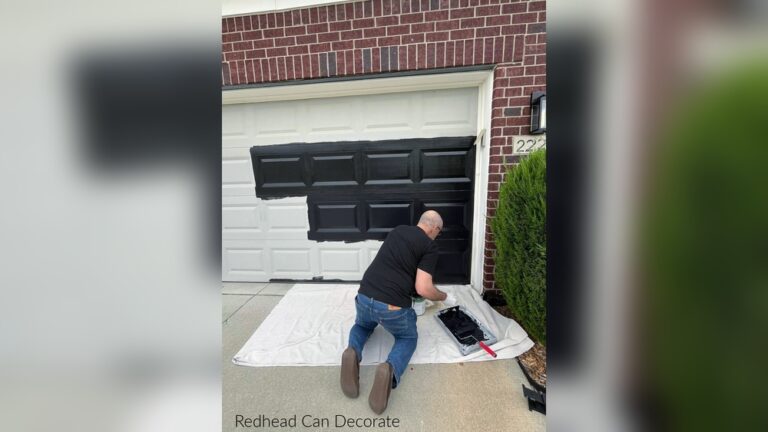
- Color and finish: Some panels are painted or coated. Get a close match, or plan to paint later.
- Model and brand: Garage doors have model numbers on stickers (usually inside the door). Use this number for ordering.
- Panel placement: Some panels are different depending on their position (top, middle, bottom).
If you’re unsure, take a photo and email it to a garage door supplier. Many companies offer free advice.
Step-by-step Guide: Replacing A Garage Door Panel
Replacing a panel is not too difficult, but you must work safely. Here’s a simple process:
- Disconnect the opener: Unplug the automatic opener and pull the release cord. This prevents accidental movement.
- Open the door slightly: Raise the door just enough to relieve tension. Use locking pliers to keep it in place.
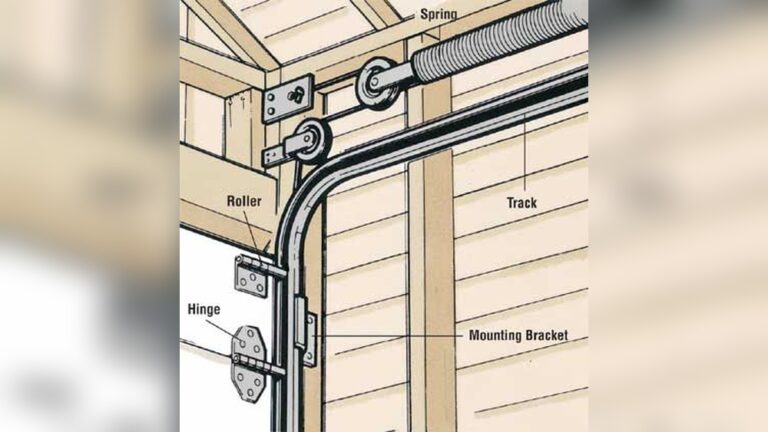
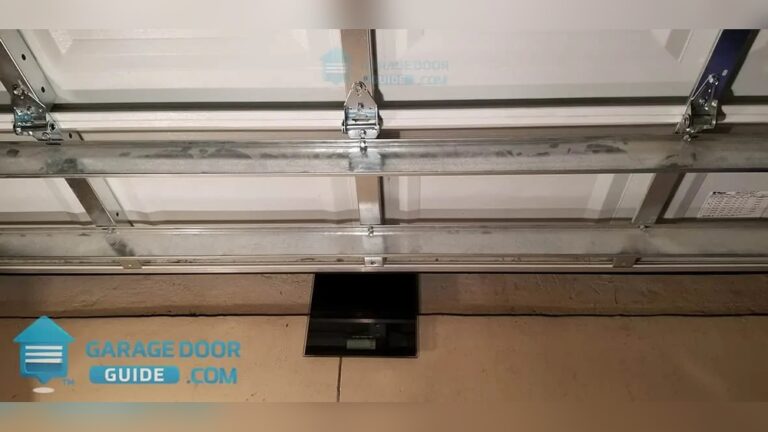
- Remove hinges and hardware: Unscrew hinges, brackets, and rollers attached to the damaged panel. Keep all parts for re-use.
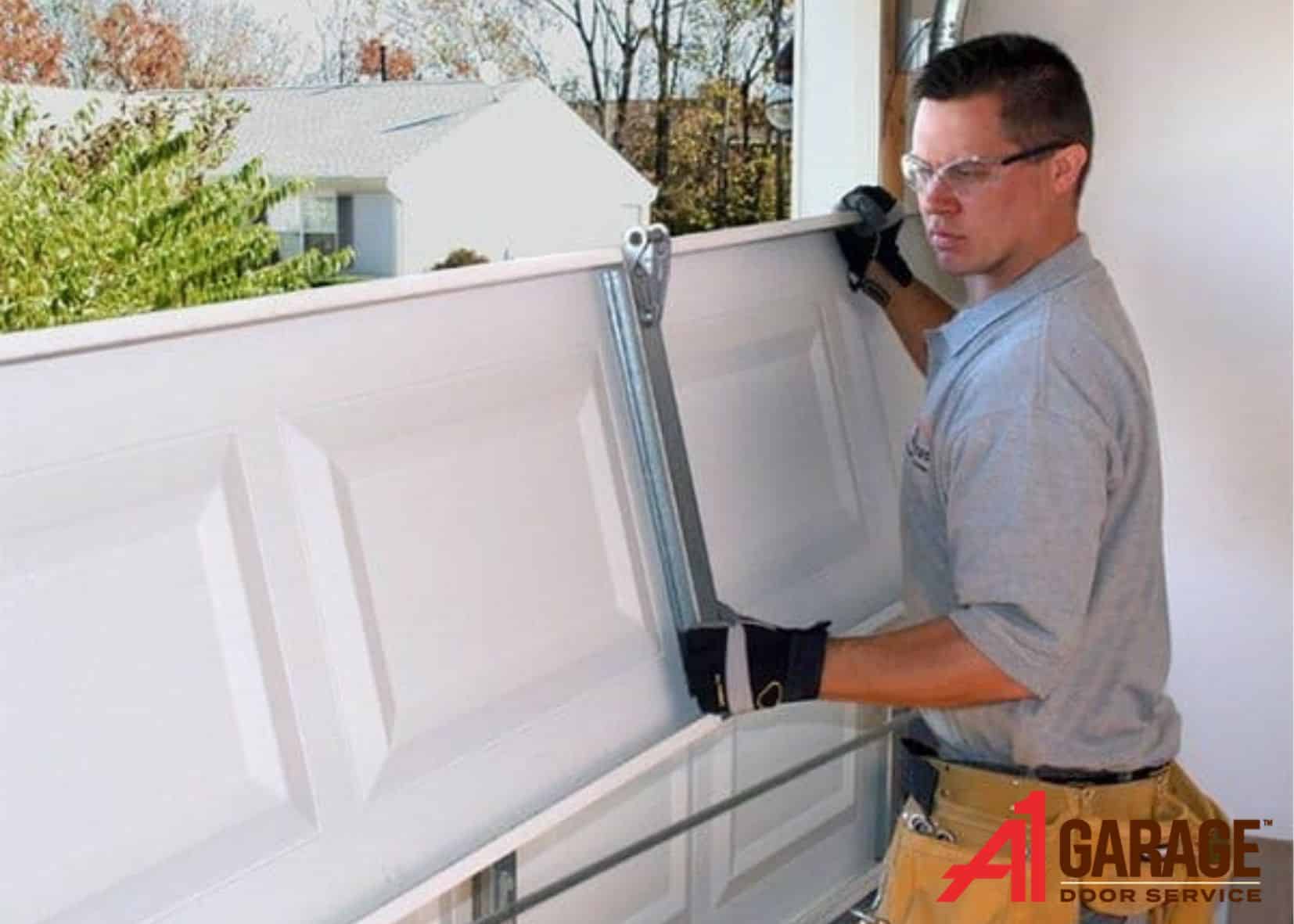
- Slide out the panel: Gently pull the damaged panel out. You may need a friend to help, especially with heavy panels.
- Install the new panel: Slide in the replacement panel, making sure it fits snugly. Attach the hinges, brackets, and rollers.
- Check alignment: Use a level to make sure the panel is straight. Adjust as needed.
- Reconnect opener and test: Plug in the opener, then open and close the door several times to check smooth movement.
- Lubricate moving parts: Use lubricant on hinges and tracks for quieter operation.
Most panel replacements take 1-2 hours. If your door is old or custom, installation may be trickier.
Safety Tips For Beginners
Garage doors are heavy, and springs are under tension. Always keep safety in mind:
- Wear safety gloves and glasses to protect hands and eyes.
- Never remove panels with the door fully closed or open—there may be extra tension.
- Don’t touch the springs. Torsion springs are dangerous and should only be handled by professionals.
- Ask for help. Large panels can be difficult to lift alone.
- Double-check alignment. Misaligned panels can cause jams or damage.
If you feel unsure, call a certified garage door technician.

Credit: parts4garagedoors.com
Cost Of Garage Door Panel Replacement
Panel replacement is much cheaper than buying a new door. Here’s a breakdown:
| Item | DIY Cost (USD) | Pro Cost (USD) |
|---|---|---|
| Panel (Steel) | $150-$350 | Included in service |
| Labor | $0 | $200-$400 |
| Paint/Finish | $20-$50 | $40-$100 |
| Total | $170-$400 | $400-$800 |
- DIY saves money but takes time.
- Hiring a pro is faster and safer, especially for large or custom doors.
Common Mistakes And How To Avoid Them
Beginners often make mistakes that lead to extra costs or safety issues:
- Wrong panel size: Always measure carefully. A ½ inch difference can cause major problems.
- Poor alignment: Misaligned panels can jam the door. Use a level and check movement.
- Forgetting to disconnect opener: This can cause the door to move unexpectedly.
- Losing hardware: Keep screws and brackets in a container.
- Ignoring safety: Never touch springs or cables unless you’re trained.
Non-obvious tip: Some panels are not interchangeable. For example, the bottom panel often has a weather seal, while middle panels do not. Always check your door’s layout.
When To Call A Professional
DIY is possible for simple panel replacement, but some situations require expert help:
- Multiple panels damaged: If more than two panels are broken, the door may be unstable.
- Structural damage: Bent tracks, broken springs, or warped frames.
- Heavy doors: Wooden or double-layered steel doors are very heavy.
- Custom or old doors: Hard to find matching panels or hardware.
A professional can finish the job quickly and safely. They also offer warranties on their work.
How Garage Door Panel Replacement Improves Home Value
Replacing damaged panels can boost your home’s curb appeal. Real estate studies show that homes with well-maintained garage doors sell faster and for higher prices. According to the National Association of Realtors, a new or repaired garage door can return up to 90% of its cost in added home value.
Example: If you spend $500 on panel replacement, your home’s value may increase by $450. Plus, buyers are more attracted to homes that look neat and secure.

Credit: www.youtube.com
Eco-friendly Options
If you care about the environment, choose panels made from recycled steel or sustainable wood. Some brands offer eco-friendly finishes and insulation that help reduce energy bills. Ask suppliers about these options.
Practical Tips For Long-lasting Results
- Clean panels regularly to prevent rust and dirt buildup.
- Lubricate hinges and tracks twice a year.
- Inspect panels every spring and fall for damage.
- Paint steel or wood panels for extra weather protection.
- Avoid slamming or forcing the door when opening/closing.
Non-obvious tip: Weather seals at the bottom of the door keep water and pests out. Check them during panel replacement.
Credit: a1garage.com
Comparing Panel Replacement To Full Door Replacement
Here’s a quick comparison to help decide:
| Factor | Panel Replacement | Full Door Replacement |
|---|---|---|
| Cost | $150-$800 | $800-$2500 |
| Time | 1-2 hours | 4-6 hours |
| DIY Possible? | Yes | Rarely |
| Impact on Home Value | High | Very High |
| Waste Produced | Low | High |
Most homeowners choose panel replacement for small damage. Full door replacement is best for old, unsafe, or outdated doors.
Frequently Asked Questions
How Do I Know If My Garage Door Panel Needs Replacing?
If you see visible damage like dents, cracks, or rust, or if the door won’t open smoothly, it’s time to consider replacing the panel. Compare the damaged area to the rest of the door.
Can I Replace Just One Panel, Or Do I Need To Replace All?
You can replace just one panel if the rest of the door is in good condition. Make sure the new panel matches the others in size, material, and style.
Is It Safe To Replace Panels Myself?
It’s safe if you follow basic safety rules—disconnect the opener, avoid springs, and wear protective gear. For large doors or complex repairs, call a professional.
Where Can I Buy Garage Door Panels?
Buy panels from garage door suppliers, hardware stores, or online. Some brands offer direct sales. Always check your door’s model number before buying. For more details, visit Home Depot.
What’s The Average Lifespan Of A Garage Door Panel?
Most panels last 15-20 years with proper care. Steel panels are more durable, while wood needs regular maintenance.
Replacing a garage door panel is a smart, cost-effective solution for homeowners. With simple tools, clear steps, and careful safety, even beginners can do the job well. Your garage door will look better, work better, and help keep your home safe.
If you’re unsure or the damage is big, don’t hesitate to call a professional. With the right approach, your garage door can last for years and add value to your home.