

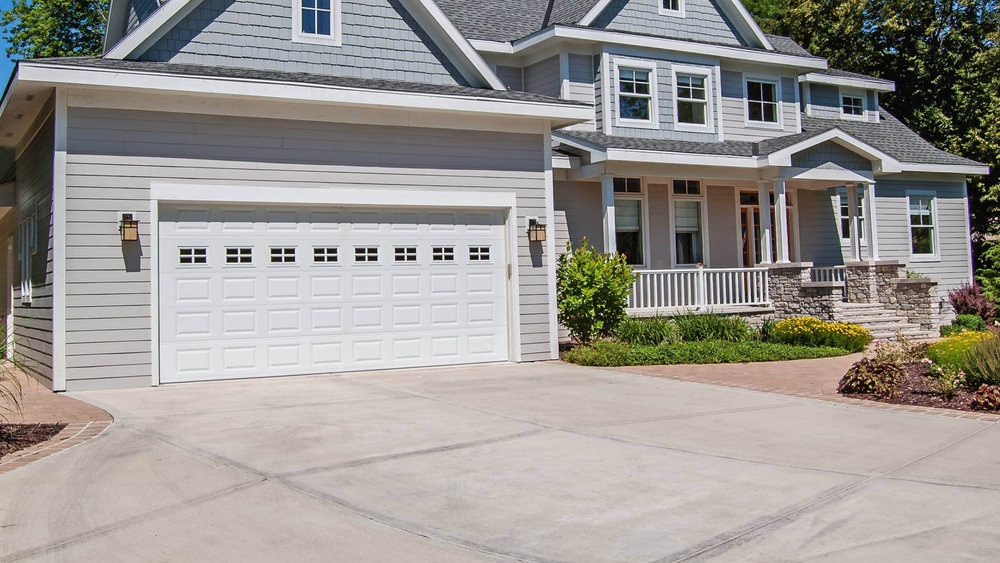
Choosing the right garage door color can transform your home’s look, boost curb appeal, and even impact its value. Many homeowners overlook this detail, but it’s one of the fastest ways to update your property’s style. Picking a color isn’t just about what looks good. It’s about matching your home’s exterior, fitting your climate, and even following local rules. If you’re new to this topic, you’ll find everything you need to make a confident decision, including color trends, practical tips, and common mistakes to avoid.
Why Garage Door Color Matters
Garage doors cover a large part of your home’s front. The color you choose affects:
- Curb appeal: A well-chosen color makes your home look more attractive.
- Resale value: Homes with modern, coordinated garage doors often sell faster.
- Maintenance: Some colors hide dirt and scratches better.
- Heat absorption: Dark colors can make your garage hotter in summer.
According to a 2023 survey by the National Association of Realtors, garage door upgrades ranked among the top five home improvements for return on investment. A simple color change can give your home a fresh look and attract buyers.
Factors To Consider When Choosing Garage Door Colors
Before you pick a color, think about these important points:
- Home exterior: Match your garage door to your house’s siding, trim, and roof.
- Neighborhood style: Look at other homes nearby. Some areas have rules about colors.
- Climate: Light colors reflect heat, while dark colors absorb it.
- Personal taste: Choose a color you enjoy seeing every day.
Matching With Your Home’s Style
Different home styles look best with different colors:
- Traditional homes: Go for classic colors like white, beige, or gray.
- Modern homes: Try bold shades like black, charcoal, or even red.
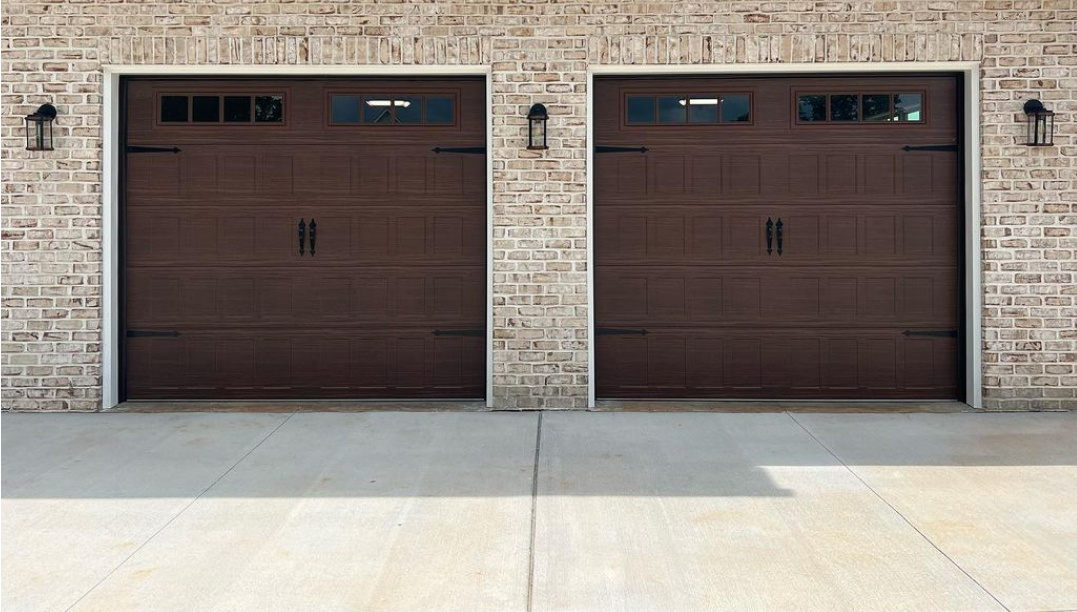
- Rustic homes: Use earthy tones like brown, taupe, or green.
Example: Color Coordination
If your home has red brick and white trim, a white garage door blends in. For a blue house with gray roof, a matching gray garage door creates harmony.
Popular Garage Door Colors In 2024
Today’s homeowners are choosing colors that balance style and practicality. Here are the most popular colors:
- White
- Clean and classic
- Matches most homes
- Easy to maintain
- Gray
- Modern and neutral
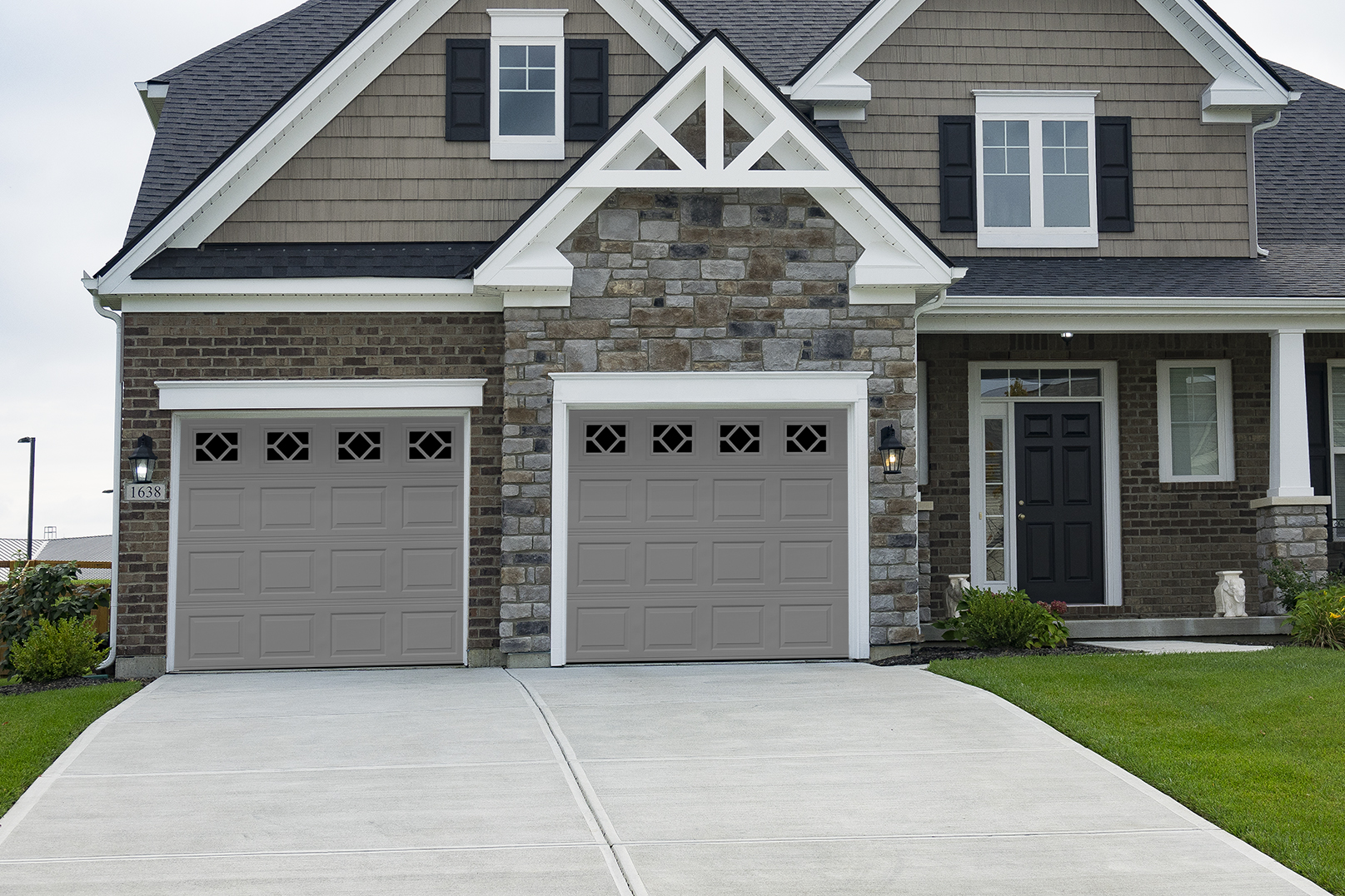
- Works with stone or brick exteriors
- Hides dust well
- Black
- Bold and dramatic
- Makes a statement
- Shows dirt more easily
- Brown
- Natural, warm feel
- Fits rustic or traditional homes
- Less trendy, but always in style
- Beige/Tan
- Soft, subtle look
- Good for blending in
- Doesn’t show marks easily
- Blue
- Unique, eye-catching
- Works well with coastal or modern homes
- Can fade under strong sun
- Green
- Earthy, calming tone
- Matches gardens and landscapes
- Looks best with stone or wood
- Red
- Energetic and vibrant
- Good for farmhouse styles
- Not for every neighborhood
Color Trends Data
A 2024 report from HomeAdvisor showed:
- 42% of homeowners chose neutral colors (white, gray, beige)
- 18% went with dark colors (black, brown)
- 11% picked bold colors (blue, green, red)
- 29% preferred custom colors to match their unique home style
Comparing Garage Door Colors: Maintenance & Durability
Some colors need more care than others. Here’s a quick comparison:
| Color | Maintenance Level | Durability | Fade Resistance |
|---|---|---|---|
| White | Low | High | Moderate |
| Gray | Low | High | High |
| Black | Medium | High | Low |
| Brown | Medium | High | High |
| Blue | Medium | Medium | Low |
Non-obvious insight: Even though black is trendy, it fades faster in direct sunlight. Gray is often chosen because it hides both dirt and fading better.
How To Choose The Right Garage Door Color
Follow these steps to make your choice easier:
- Look at your home in daylight. Colors change in sunlight. Take photos at different times.
- Get color samples. Most manufacturers offer small panels.
- Check local rules. Some neighborhoods have strict color guidelines.
- Think about resale. Neutral colors appeal to more buyers.
- Ask for expert advice. Many paint stores or garage door companies give free consultations.
Mistakes Beginners Make
- Picking a color that clashes with the house exterior.
- Choosing trendy colors that don’t last.
- Not checking for HOA or city restrictions.
- Forgetting to test colors in sunlight and shade.
Practical tip: Place color samples next to your front door and trim. This shows how the garage door will look in real life.
Garage Door Color And Energy Efficiency
Garage door color affects your garage’s temperature. Dark colors absorb sunlight, making the garage hotter. Light colors reflect heat, keeping it cooler.
| Color | Heat Absorption | Best for |
|---|---|---|
| White | Low | Hot climates |
| Gray | Moderate | All climates |
| Black | High | Cool climates |
| Brown | Moderate | Temperate climates |
Non-obvious insight: If your garage is used for storage or as a workspace, choose a light color to prevent overheating.
Credit: www.chiohd.com
Garage Door Color And Material
Different materials show colors differently. Here’s what you need to know:
- Steel doors: Paint sticks well, most colors look smooth.
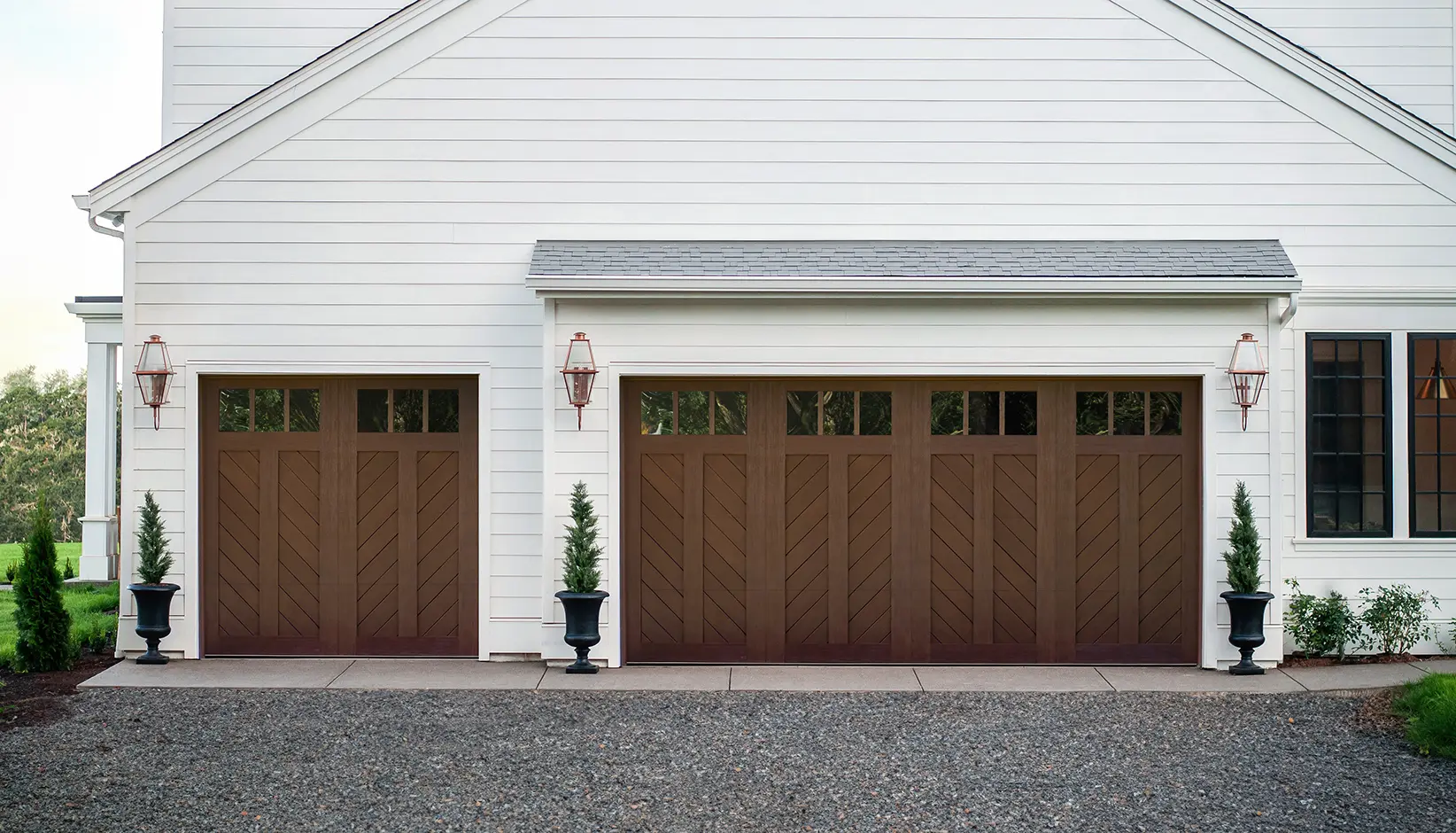
- Wood doors: Natural colors and stains show wood grain. Bright colors can fade faster.
- Aluminum doors: Good for metallic finishes like silver or bronze.
- Fiberglass doors: Accepts many colors, but glossy finishes may show fingerprints.
Example: A brown stain on a wood door highlights the grain. Black paint on steel looks sleek but shows dust.
The Impact Of Garage Door Color On Resale Value
Homes with updated garage doors often sell faster and for more money. According to Zillow, garage door upgrades can boost home value by up to 4%. Neutral colors are safest for resale.
- White, gray, beige: Appeal to most buyers.
- Black: Popular in modern markets, but not everywhere.
- Bold colors: Attract attention but may limit buyer interest.
Practical tip: If you plan to sell soon, pick a color that matches your neighborhood’s trend.
Custom And Accent Garage Door Colors
Some homeowners want a unique look. Custom colors or accent designs (like stripes or panels) can make your home stand out.
- Accent colors: Use a main color, then add trim or panels in a contrasting shade.
- Custom finishes: Metallic, wood grain, or textured paint.
Example: A blue garage door with white trim fits a coastal home style.
Expert advice: Use custom colors only if you’re sure about your long-term taste. They’re harder to change and may affect resale.
Practical Steps: Painting Or Replacing Your Garage Door
If you’re updating your garage door color, here’s how to do it:
- Clean the door. Remove dust, grease, and old paint.
- Choose the right paint. Use exterior-grade paint for durability.
- Apply primer. Helps new paint stick and last longer.
- Paint in layers. Two thin coats work better than one thick coat.
- Check for weather. Paint on dry, mild days.
Painting tip: For steel doors, use latex paint. For wood, use oil-based paint.
If you’re buying a new door:
- Ask for factory-finished colors. These last longer.
- Compare warranties. Some colors come with longer guarantees.
Credit: www.clopaydoor.com
Garage Door Color And Smart Home Trends
Modern homes use smart garage doors with built-in sensors and cameras. These usually come in neutral colors like white, gray, and black to match technology trends.
- Smart features: Color doesn’t affect performance, but matching with home tech looks more modern.
- Market data: 26% of new garage doors in 2024 were smart-enabled, and most were gray or black.
Real-world Examples
Here are examples from US neighborhoods:
- In California, light colors like white and beige keep homes cool.
- In Midwest suburbs, gray and brown are common to match stone and brick.
- In East Coast cities, black garage doors are trendy on modern townhouses.
Non-obvious insight: Homeowners in rainy areas pick darker colors to hide water stains.
Credit: safewaydoor.com
Comparing Garage Door Colors For Different Home Styles
Here’s how color choice fits common US home types:
| Home Style | Recommended Color | Reason |
|---|---|---|
| Colonial | White, navy blue | Classic look matches brick/wood |
| Modern | Black, gray | Bold, sleek style |
| Ranch | Beige, brown | Natural, blends with landscape |
| Craftsman | Green, taupe | Earthy, fits wood accents |
Frequently Asked Questions
What Is The Best Garage Door Color For Resale Value?
Neutral colors like white, gray, and beige are safest. They appeal to most buyers and fit many home styles. Avoid bold colors if you plan to sell soon.
How Do I Know If My Neighborhood Allows Certain Garage Door Colors?
Check your Homeowners Association (HOA) or local city rules. Many neighborhoods have color restrictions. Contact your HOA office or city website for details.
Will A Dark Garage Door Color Make My Garage Hotter?
Yes. Dark colors absorb more sunlight and can raise the temperature inside your garage, especially in summer. If you live in a hot area, choose lighter colors.
How Often Should I Repaint My Garage Door?
Most garage doors need repainting every 5–7 years. If you live in harsh climates or use bold colors, you may need to repaint sooner.
Can I Use Custom Colors Or Patterns On My Garage Door?
Yes, but check with your HOA first. Custom colors and patterns can make your home unique, but may affect resale value. Use accent colors for a balanced look.
For more inspiration and color ideas, visit the Houzz Garage Door Color Guide.
Choosing the right garage door color is easier when you follow these steps and consider your home’s style, climate, and local rules. With careful planning, your garage door will add beauty, value, and comfort to your home for years to come.