

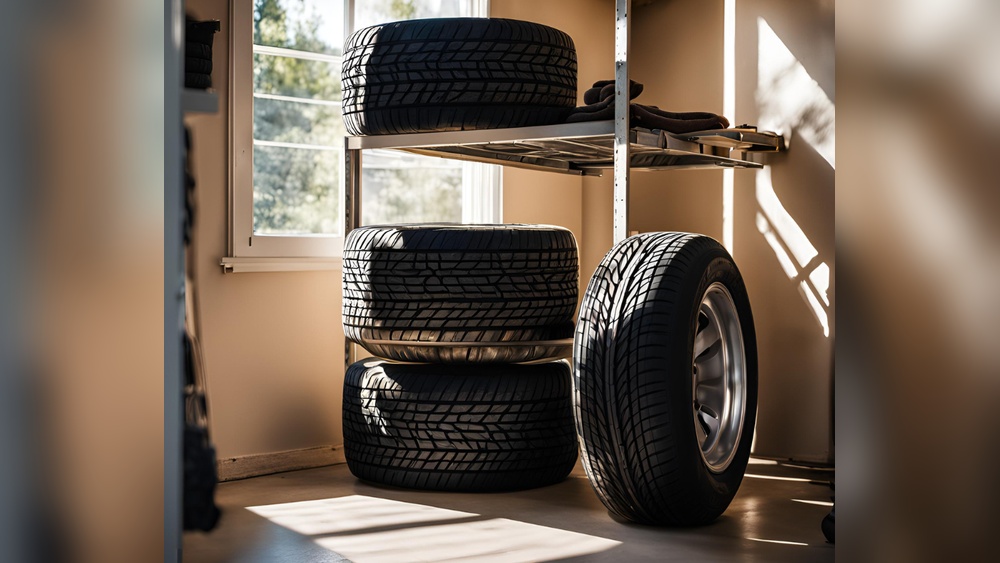
Storing tires in your garage might seem simple, but mistakes can cost you money and even cause safety problems. Whether you have spare tires, seasonal tires, or just want to keep your current set in good shape, knowing the right method is key.
Many car owners don’t realize that improper storage can make tires crack, deform, or lose grip. Let’s explore how to store tires in a garage, step by step, so your tires stay safe and last longer.
Why Tire Storage Matters
Tires are made of rubber compounds that break down if exposed to heat, sunlight, or moisture. Storing them wrong can cause:
- Cracking
- Flat spots
- Loss of flexibility
- Reduced traction
According to tire manufacturers, tires can lose up to 10% of their useful life per year if stored in poor conditions. Over time, this means spending more money and risking your safety.
Preparing Tires For Storage
Before you place your tires in the garage, you need to prepare them. This helps prevent damage and keeps them ready for use.
Clean Your Tires
Dirt, brake dust, and road grime can eat into the rubber. Here’s how to clean:
- Use water and mild soap.
- Scrub with a soft brush.
- Rinse thoroughly.
- Let tires dry completely.
Avoid using harsh chemicals or tire shine products before storage. These can cause rubber to degrade.
Check For Damage
Inspect each tire for:
- Cracks
- Bulges
- Cuts
- Unusual wear patterns
If you notice damage, consider replacing the tire instead of storing it.
Remove Debris
- Remove small stones from treads.
- Check for nails or sharp objects.
Mark Tire Position
If storing a set, mark each tire (e. g. , LF for left front) to remember their position. This helps with proper rotation later.
Choosing The Right Storage Location
Not every garage is ideal for tire storage. The best spot is:
- Cool
- Dry
- Away from direct sunlight
- Free from chemicals and solvents
Most garages meet these requirements, but some get too hot or damp. If your garage has temperature spikes above 100°F or is humid, tires may age faster.
| Garage Feature | Impact on Tire Storage |
|---|---|
| Temperature Controlled | Best for tire longevity |
| Unheated | Acceptable if dry and shaded |
| Direct Sunlight | Causes rubber breakdown |
| High Humidity | Can lead to mold, rubber rot |
Tire Storage Methods
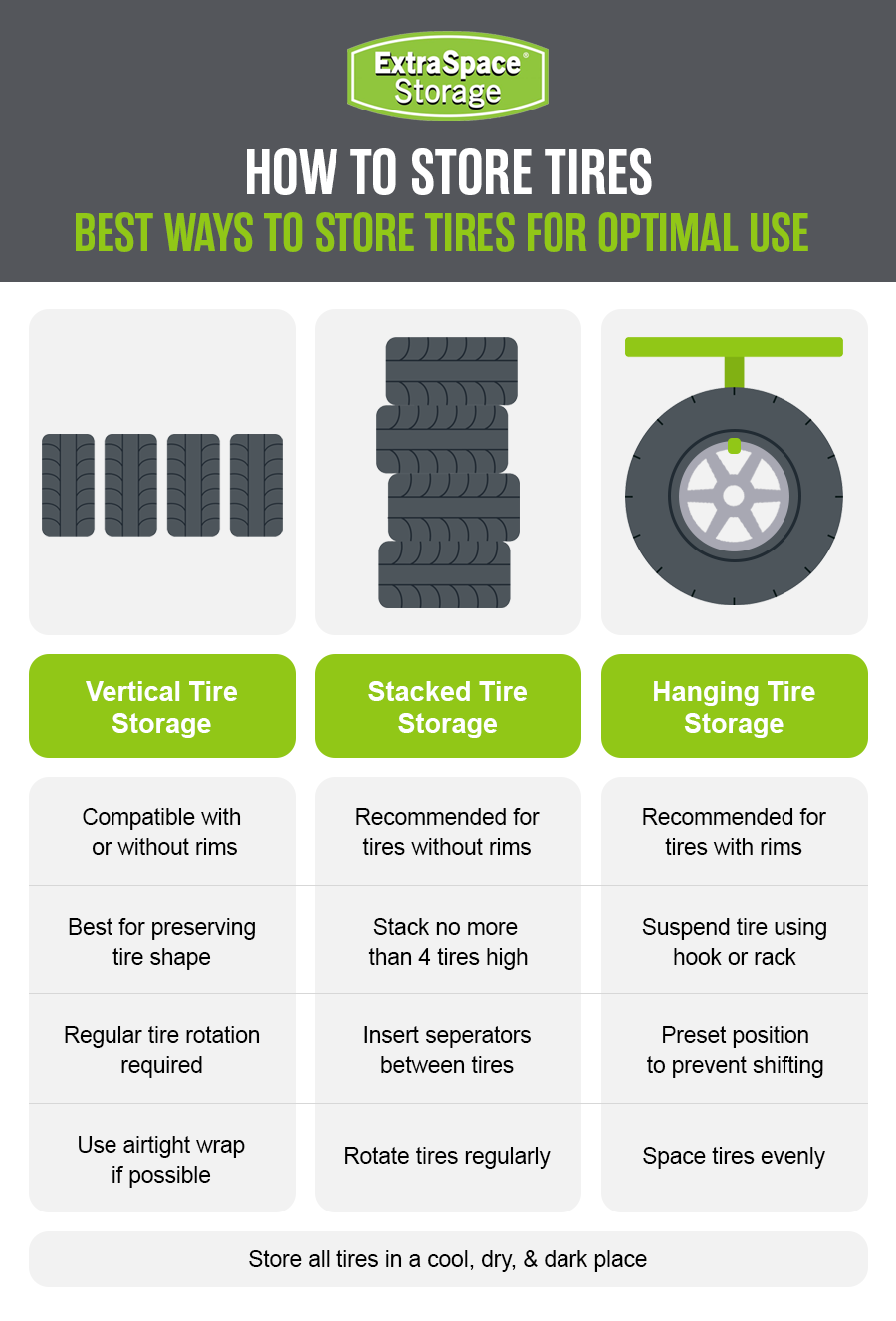
There are three main ways to store tires in your garage. Each method is best for certain situations.
1. Storing Tires With Rims
If your tires are mounted on wheels (rims), follow these steps:
- Store vertically (standing up).
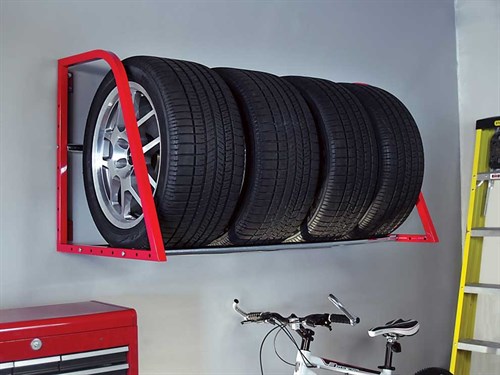
- Hang on wall hooks if possible.
- Avoid stacking to prevent deformation.
Hanging tires on sturdy hooks or racks keeps them off the ground. This reduces flat spots and makes tires easy to access.
2. Storing Tires Without Rims
If tires are not mounted, the rules change:
- Stack tires horizontally (flat, one on top of the other).
- Keep stacks short (no more than 4 tires).
- Rotate the stack every month.
Stacking prevents the bead (inner edge) from bending. If you have extra space, store them upright and rotate monthly.
3. Using Tire Racks And Shelves
Tire racks are specially made for storage. Benefits include:
- Keeps tires off the floor
- Prevents moisture absorption
- Makes organization easier
You can buy racks that hold 4–8 tires for $50–$150. Wall-mounted racks save space and are safer.
| Storage Method | Space Needed | Deformation Risk | Ease of Access |
|---|---|---|---|
| Vertical (with rims) | Minimal | Low | High |
| Horizontal (without rims) | Medium | Low | Medium |
| Tire racks | Variable | Lowest | Highest |
Key Steps For Proper Tire Storage
Follow these steps to ensure your tires stay safe and ready for use.
- Clean and dry tires thoroughly.
- Choose a cool, dry spot in your garage.
- Place tires away from windows, heaters, and chemicals.
- Use tire bags or plastic wrap to keep out moisture and dust.
- If storing with rims, keep tires vertical. If without, stack horizontally.
- Use tire racks if possible for best results.
- Avoid stacking more than 4 tires.
- Rotate tires or stacks every month.
- Keep tires off the bare concrete floor; use wood or cardboard underneath.
- Mark tires for position and check regularly.
Many beginners miss step 9: storing tires on concrete. Concrete absorbs moisture, which can damage tires over time. Using a simple wood board or cardboard solves this problem.
Common Tire Storage Mistakes
Storing tires wrong can ruin them. Watch out for these errors:
- Leaving tires outdoors: Sun and rain cause fast deterioration.
- Stacking tires too high: Causes lower tires to deform.
- Ignoring tire position: Tires stored upright without rims may deform.
- Storing near solvents or gasoline: Chemicals break down rubber.
- Not cleaning before storage: Dirt eats into tire surface.
- Forgetting to rotate stacks: Leads to uneven pressure and flat spots.
Even experienced car owners sometimes make these mistakes. Avoid them for longer tire life.
Seasonal Tire Storage Tips
If you switch between winter and summer tires, proper storage is crucial.
- Store off-season tires in tire bags.
- Keep tires labeled for easy swapping.
- Check air pressure before storing (if mounted).
- Store at moderate temperature (40–80°F).
Most people overlook tire bags. They cost around $10–$20 per set but protect tires from dust, moisture, and ozone.
How Long Can You Store Tires?
Tires have a shelf life, even if unused. Manufacturers recommend:
- 6 years maximum for storage (if conditions are perfect)
- 3–4 years is safer for most garages
Over time, rubber loses strength. If your tires are more than 6 years old, check for signs of aging before use.
Signs Your Stored Tires Are Damaged
Before you put stored tires back on your car, check for:
- Hardening or loss of flexibility
- Cracks in the sidewall or tread
- Flat spots that don’t go away
- Discoloration or fading
If you see any of these, consult a tire professional or replace the tire. Using damaged tires is dangerous.
Real-world Example
Let’s say you have a set of summer tires and a set of winter tires. You switch each season and store the unused set in your garage. You clean, dry, and mark each tire. You use tire racks and bags, and check the tires monthly.
After 3 years, your tires show no signs of aging and perform well. This is the ideal scenario—following proper storage steps keeps your tires safe and saves money.
How Much Space Do You Need?
A set of four standard car tires takes up about:
- 3–5 square feet if stored vertically
- 5–7 square feet if stacked horizontally
If you have an SUV or truck, allow more space. Tire racks can help organize and maximize garage space.
Tire Storage For Different Vehicles
Different vehicles need different tire storage strategies:
- Cars: Standard storage methods work well.
- SUVs/Trucks: Tires are larger; use heavy-duty racks.
- Motorcycles: Store upright, use tire stands.
For specialty tires (like performance or off-road), check manufacturer guidelines. These tires may need extra care.
Credit: www.bemac.ca
Cost Of Tire Storage Solutions
Home tire storage is affordable:
- Tire bags: $10–$20 per set
- Wall racks: $50–$150
- Floor stands: $30–$70
- Wood boards/cardboard: Free or low cost
Professional tire storage (at shops) can cost $50–$100 per season. Home storage saves money and gives you more control.
Extra Tips For Beginners
Many beginners miss these points:
- Check tires for dry rot every few months.
- Avoid stacking tires near garage doors—temperature swings are common.
- Keep tires away from electric motors; ozone can damage rubber.
- If unsure, ask your tire shop for advice.
These details make a big difference in tire life and safety.
Credit: www.extraspace.com
Useful External Resource
For detailed tire care recommendations, the Tire Rack Tire Storage Guide offers expert tips and data.
Frequently Asked Questions
How Do I Prevent Tires From Cracking In The Garage?
To prevent cracking, store tires away from sunlight, heat sources, and ozone-producing items like electric motors. Use tire bags or wrap tires in plastic. Clean tires before storage and keep them dry.
Can I Stack Tires On The Floor?
You can stack tires on the floor, but never directly on concrete. Place a wood board or cardboard underneath to block moisture. Stack no more than 4 tires at a time and rotate stacks monthly.
Should I Inflate Tires Before Storing Them?
If tires are mounted on rims, inflate them to recommended pressure. This helps prevent flat spots. For unmounted tires, inflation isn’t needed, but keep tires in their natural shape.
How Long Can Tires Be Stored Before They Go Bad?
Tires should be used within 6 years of storage for best safety. Most garages are not perfect, so aim for 3–4 years. Always check tires for signs of aging before use.
Is It Safe To Store Tires In Plastic Bags?
Yes, storing tires in plastic bags is safe and helps protect against moisture, dust, and ozone. Remove air from the bag and seal tightly. Make sure tires are clean and dry before bagging.
Proper tire storage in your garage is easy once you know the steps. Clean, dry, and protect your tires, pick the right spot, and check regularly. These simple actions will save money, keep your tires safe, and make sure your car is ready for every season.

Credit: www.noddi.co