
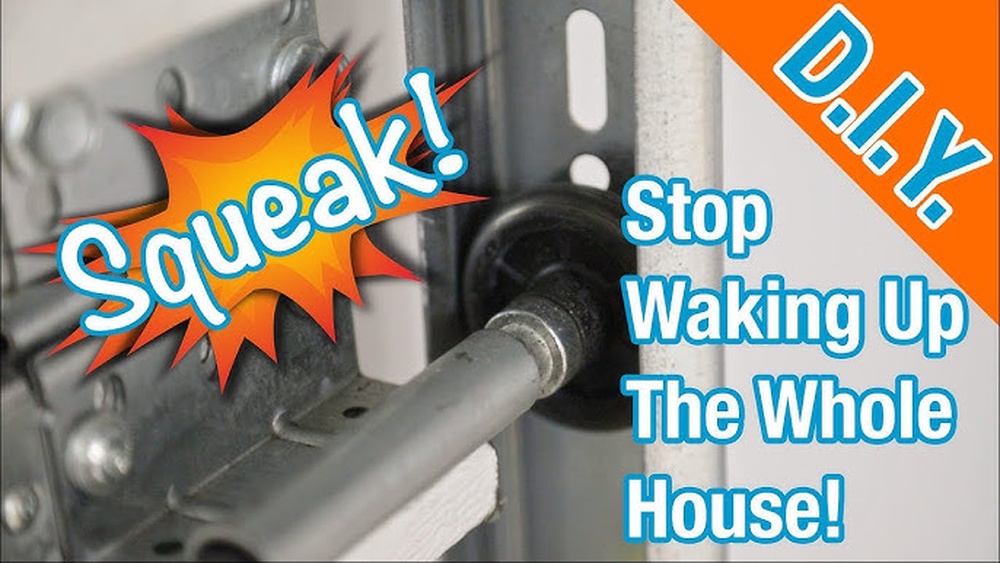
A squeaky garage door can be more than just an annoyance. For many homeowners, that loud screech or rattle every time the door opens or closes is a daily frustration. While it might sound like a serious problem, most squeaks are easy to fix with basic tools and simple steps.
You don’t need to be a professional or have years of experience. With the right guidance, anyone can quiet a noisy garage door and keep it working smoothly.
This guide explains how to fix a squeaky garage door in a way that’s easy to follow, even for beginners. You’ll learn why garage doors squeak, what tools you need, and step-by-step instructions to solve the problem. Whether you use your garage every day or just want to keep things in good condition, these tips will help you get quiet, reliable performance from your door.
Why Garage Doors Squeak
Garage doors are made up of many moving parts. Over time, these parts can rub, become loose, or wear out. Some common reasons for squeaks include:
- Dry rollers or hinges: When these parts lose lubrication, they can scrape or grind.
- Loose hardware: Nuts, bolts, and screws can vibrate loose, causing rattling noises.
- Worn rollers: Old or damaged rollers can make sharp squeaks or grinding sounds.
- Bent tracks: If the metal tracks are not straight, they can cause friction.
- Faulty springs or pulleys: These important parts may squeak if they’re old or need lubrication.
Understanding the cause makes it easier to choose the right fix. Most squeaks come from parts that need cleaning or oiling, but sometimes a simple adjustment is all it takes.
Tools And Materials You’ll Need
Fixing a squeaky garage door doesn’t require special equipment. Here’s what you should have ready:
- Step ladder (to reach high parts safely)
- Socket wrench or adjustable wrench
- Screwdriver (flat or Phillips head)
- Garage door lubricant (silicone-based or white lithium grease; avoid WD-40)
- Clean rag or cloth
- Protective gloves (optional)
- Replacement rollers or hinges (if needed)
Most items are available at any hardware store. For best results, always use a garage door lubricant—never use regular oil, as it attracts dirt and dust.
Safety Precautions
Before you start, keep these safety tips in mind:
- Always unplug the garage door opener or disconnect the power.
- Never try to adjust or remove the torsion springs—these are under high tension and can cause injury.
- Wear gloves and safety glasses to protect your hands and eyes from debris or lubricant spray.
- Make sure the ladder is stable and on a flat surface.
A little caution can prevent accidents and keep your repair process smooth.
Step-by-step Guide To Fixing A Squeaky Garage Door
Follow these steps to silence your garage door:
1. Inspect The Door
Start by opening and closing the door slowly. Listen for the location of the squeak. Pay attention to:
- Hinges (where the panels connect)
- Rollers (small wheels on the side)
- Tracks (metal rails on each side)
- Springs and pulleys (above the door)
Use a flashlight if needed to see better.
2. Tighten Loose Hardware
Over time, vibration can loosen nuts and bolts. Use your socket wrench or screwdriver to:
- Check all visible nuts, bolts, and screws.
- Tighten any that feel loose, but don’t overtighten—they can strip or break.
This simple step often solves rattles and minor squeaks.
3. Clean The Tracks
Dirt and dust can build up in the tracks, causing friction. To clean:
- Wipe inside each track with a clean, dry rag.
- Remove any debris, cobwebs, or grease.
- Avoid adding lubricant to the tracks; it can attract more dirt.
A clean track ensures smooth movement and reduces noise.
4. Lubricate Moving Parts
Proper lubrication is key for a quiet garage door. Use a silicone-based or white lithium spray:
- Lightly spray lubricant on hinges, rollers (except nylon rollers with sealed bearings), and springs.
- Wipe off excess with a rag.
- Do not spray the tracks—focus only on the moving parts.
Apply lubricant every 6 months for best results.
5. Check And Replace Rollers
Worn or damaged rollers are a common cause of squeaks. Inspect each roller:
- Look for cracks, chips, or flat spots.
- If any rollers are damaged, replace them with new ones (nylon rollers are quieter than metal).
- To replace, remove the roller bracket, slide out the old roller, and insert the new one.
If you’re unsure, consult your garage door manual or call a professional.
6. Inspect Hinges
Hinges let the garage door panels bend and move. Over time, they can wear out or rust:
- Check for cracks, rust, or loose pins.
- Lubricate each hinge pin with a small amount of spray.
- Replace any broken or badly rusted hinges.
Quality hinges make a big difference in noise reduction.
7. Examine Springs And Pulleys
Springs and pulleys support the weight of the door. While you should not adjust them yourself, you can:
- Lightly lubricate torsion springs and pulleys.
- Listen for squeaks in these areas.
- If you hear loud bangs or see broken parts, call a professional.
Never attempt to repair or remove springs on your own.
8. Test The Door
After all adjustments and lubrication:
- Open and close the door several times.
- Listen for any remaining squeaks.
- Check that the door moves smoothly and evenly.
If you still hear noise, repeat the steps or call for expert help.
When To Call A Professional
Some garage door problems are best left to experts, especially if you notice:
- Loud banging or popping sounds
- Broken or stretched springs
- Door feels heavy or uneven
- Squeaks remain after lubrication and tightening
Professional technicians have tools and training to handle dangerous repairs. Investing in expert help can save time and prevent injury.
Comparing Lubricants For Garage Doors
Choosing the right lubricant is important. Here’s a comparison of common options:
| Lubricant Type | Best Use | Pros | Cons |
|---|---|---|---|
| Silicone Spray | Hinges, rollers, springs | Repels dirt, long-lasting | Higher cost |
| White Lithium Grease | Rollers, hinges | Thick, durable | Can collect dust |
| WD-40 | Cleaning only | Removes rust | Not a true lubricant, attracts dirt |
For most garage doors, silicone spray or white lithium grease is the best choice.

Credit: www.youtube.com
Cost And Time Estimate
Fixing a squeaky garage door is affordable and quick. Here’s what most homeowners can expect:
| Task | Average Cost | Time Needed |
|---|---|---|
| Lubricating parts | $5–$15 | 10–20 minutes |
| Replacing rollers | $20–$50 (set) | 30–45 minutes |
| Tightening hardware | $0 (DIY) | 10–15 minutes |
| Professional service | $80–$200 | 1–2 hours |
Most squeaks are fixed for less than $20 and in under an hour.
Common Mistakes To Avoid
Beginners often make these errors when trying to fix a squeaky garage door:
- Using the wrong lubricant: Household oil or WD-40 can attract dirt and make squeaks worse.
- Over-tightening bolts: This can damage parts or strip threads.
- Ignoring safety: Working with springs or the opener without caution can be dangerous.
- Skipping regular maintenance: Doors need lubrication and checks at least twice a year.
- Neglecting worn parts: Replacing old rollers or hinges is sometimes the only fix.
Taking time to do the job right prevents repeat problems.
Practical Example: Quieting A Noisy Door
Imagine your garage door squeaks every morning as you leave for work. You notice the sound is loudest near the hinges. Here’s what you do:
- Unplug the opener for safety.
- Use a step ladder to reach the noisy hinge.
- Tighten the screws with a screwdriver.
- Spray silicone lubricant on the hinge pin.
- Wipe off extra lubricant with a rag.
- Open and close the door to check the noise.
In most cases, the squeak is gone. If not, check the roller or repeat the process for other hinges. Many homeowners find that regular lubrication and tightening solve most noise problems.
How Regular Maintenance Prevents Squeaks
Prevention is easier than repair. Add these tasks to your maintenance routine:
- Lubricate hinges, rollers, and springs twice a year.
- Check and tighten hardware every few months.
- Clean tracks and wipe away dirt regularly.
- Replace worn parts before they fail.
A well-maintained door lasts longer and works more quietly.

Credit: smartgarage.ca
Data: Garage Door Noise Levels
Typical garage doors produce about 50–70 decibels of noise when operating normally. Squeaky or poorly maintained doors can reach 80–90 decibels—as loud as a lawnmower. Keeping your door quiet reduces stress and avoids disturbing your neighbors.
Environmental And Health Benefits
A quiet, well-maintained garage door is not just about comfort. It also:
- Reduces noise pollution in your home and neighborhood
- Lowers the risk of injury by preventing sudden failures
- Extends the life of your garage door system, reducing waste
By fixing squeaks early, you make your home safer and more pleasant.

Credit: raynor.com
When Not To Diy
While most squeaky garage doors are easy to fix, there are times when you should not try to repair them yourself:
- If the door is off its tracks
- If the springs are broken or stretched
- If you see frayed cables or bent panels
In these cases, contact a certified garage door technician. For more details on safety and repair, visit the HomeAdvisor Garage Door Repair Guide.
Frequently Asked Questions
Why Does My Garage Door Squeak Only In Cold Weather?
Cold weather causes metal parts to contract and lubricants to thicken, leading to more friction and squeaking. Lubricate your door before winter to prevent this.
Can I Use Wd-40 To Lubricate My Garage Door?
No, WD-40 is a cleaner, not a long-term lubricant. It removes rust but attracts dirt if used as a lubricant. Use silicone spray or white lithium grease instead.
How Often Should I Lubricate My Garage Door?
Lubricate the moving parts at least twice a year—once before winter and once in spring. Regular maintenance keeps the door running quietly.
What Parts Should I Never Try To Repair Myself?
Never try to fix torsion springs, cables, or the opener motor. These parts are dangerous and should be repaired by professionals.
How Do I Know If I Need To Replace My Rollers?
Replace garage door rollers if you notice cracks, flat spots, or if they don’t roll smoothly even after lubrication. Nylon rollers are quieter and last longer than metal ones.
A quiet garage door is within reach for most homeowners. With the steps and data above, you can stop those squeaks and enjoy a more peaceful home. Regular maintenance and the right tools will keep your garage door in top condition for years.