
If you’re working on your garage or planning a renovation, you may hear the term vapor barrier often. Many homeowners wonder, “Do I need a vapor barrier in my garage?” The answer depends on your climate, how you use your garage, and the type of construction materials. Understanding vapor barriers is essential for protecting your garage from moisture, mold, and long-term damage.
What Is A Vapor Barrier?
A vapor barrier is a material that stops moisture from moving through walls, floors, or ceilings. Common vapor barriers include plastic sheeting, special paints, and foil-faced insulation. These barriers are usually placed on the warm side of the wall (inside or outside, depending on your climate) to stop water vapor from condensing inside building materials.
Moisture can enter your garage in several ways:
- Ground vapor: Water moves from the soil into concrete.
- Air leaks: Warm, humid air enters and cools down.
- Rain and snow: Wind-driven rain or melting snow seeps inside.
Without a vapor barrier, this moisture can cause:
- Mold growth
- Rotting wood
- Rust on metal tools or cars
- Peeling paint
Why Moisture Control Matters In Garages
Garages are often seen as simple spaces, but they face unique moisture problems:
- Concrete floors pull water from the ground.
- Garages are rarely heated or cooled, so temperature swings are common.
- People store valuable items—tools, bikes, cars—that can be damaged by dampness.
Moisture inside a garage can lead to:
- Musty smells
- Efflorescence (white, powdery salt stains on concrete)
- Corrosion of car parts
- Mold and mildew on stored items
The cost of fixing moisture damage can be much higher than the cost of installing a vapor barrier during construction.
When Do You Need A Vapor Barrier In Your Garage?
Not every garage needs a vapor barrier. Here are the main factors:
1. Local Climate
- Cold climates: A vapor barrier is usually recommended, especially if your garage is insulated or heated. Moisture from inside can move into cold walls and condense.
- Humid or rainy regions: A barrier under the slab or on exterior walls can block ground moisture.
- Dry climates: You may not need a vapor barrier unless you plan to heat or finish the garage.
2. Garage Use
- Heated garages: A vapor barrier helps control condensation.
- Workshop or living space: If you plan to use your garage for more than parking, moisture control is important.
- Basic storage: If your garage is unheated and not insulated, a vapor barrier is less critical.
3. Type Of Construction
- Slab-on-grade (concrete floor): A plastic vapor barrier under the slab is common.
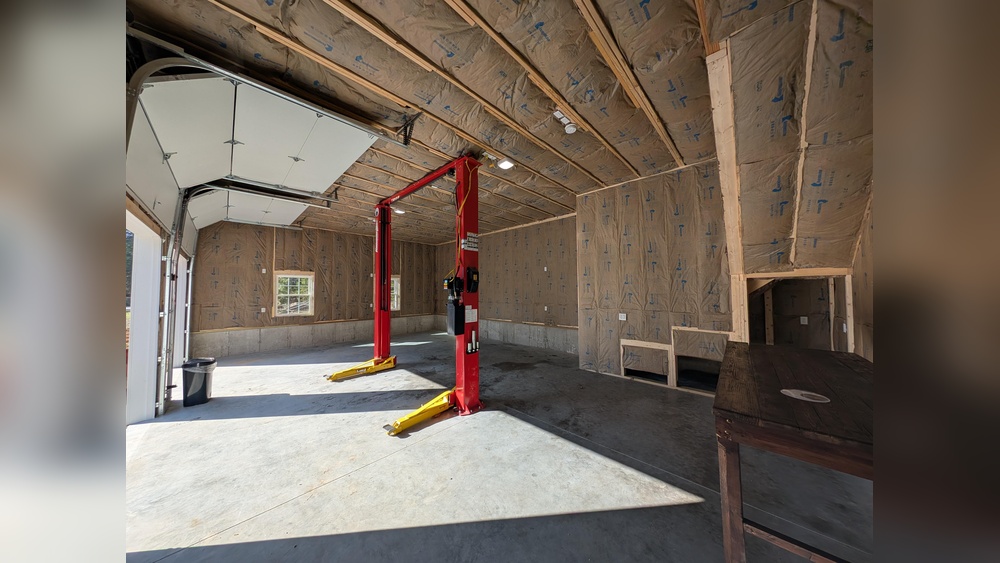
- Insulated walls: If you’re adding insulation, add a vapor barrier on the warm side.
- Metal garages: Moisture can cause rust, so protection is important.
Types Of Vapor Barriers For Garages
There are several options, each with its own strengths:
| Type | Common Materials | Best Use |
|---|---|---|
| Plastic Sheeting | 6-mil or thicker polyethylene | Under concrete slabs, inside walls |
| Foil-Faced Insulation | Foil-backed foam boards | Walls, ceilings |
| Vapor Retarder Paint | Special latex or epoxy paints | Over drywall or masonry |
Plastic sheeting is the most common for garage floors. For walls, you might use foil-faced insulation or a special paint.
Where To Install Vapor Barriers In A Garage
Placement matters for effectiveness. Here’s a quick guide:
1. Under The Concrete Slab
- Place a 6-mil or thicker polyethylene sheet directly on the compacted gravel before pouring concrete.
- Prevents ground moisture from moving up into the slab.
- Required by most modern building codes.
2. On Walls
- If you’re adding insulation and drywall, place the vapor barrier on the warm side (usually the inside in cold climates).
- Staple or tape the barrier to wall studs before installing drywall.
- Use vapor barrier paint as an alternative if you want to avoid plastic sheeting.
3. Ceiling
- For garages with rooms above, use a vapor barrier on the ceiling to protect living spaces from garage moisture.
4. Doors And Windows
- Seal gaps and cracks with caulk or weatherstripping.
- Use insulated doors and double-pane windows for extra protection.
Pros And Cons Of Vapor Barriers In Garages
Vapor barriers offer many benefits, but they’re not always perfect. Let’s compare:
| Pros | Cons |
|---|---|
| Prevents mold, mildew, and rot | Incorrect placement can trap moisture |
| Protects insulation and drywall | Extra installation cost |
| Reduces musty odors | Can make future repairs harder |
| Helps meet building codes | Not needed in every climate |
A common mistake is putting a vapor barrier on both sides of a wall, which traps moisture inside and increases mold risk.

Credit: www.youtube.com
How To Install A Vapor Barrier In Your Garage
Installing a vapor barrier is a beginner-friendly DIY project if you follow the right steps:
- Prepare the surface: Clean and dry the floor or wall.
- Choose the right material: Use 6-mil or thicker polyethylene for floors, special paint or foil-faced insulation for walls.
- Lay the barrier: For floors, overlap the plastic by at least 6 inches and tape the seams. Extend up the wall 3-4 inches.
- Seal the edges: Use tape or sealant to make an airtight fit.
- Finish construction: Pour concrete or install drywall as usual.
Tip: Always check your local building code. Some areas have special rules about vapor barriers.
Cost Of Installing A Vapor Barrier
Costs can vary based on material, garage size, and local labor rates. Here’s a rough estimate:
| Material | Cost per Square Foot | Typical Application |
|---|---|---|
| Polyethylene Sheet (6-mil) | $0.10 – $0.25 | Under slab, walls |
| Vapor Retarder Paint | $0.50 – $1.00 | Walls, ceilings |
| Foil-Faced Insulation | $0.70 – $1.50 | Walls, ceilings |
For a 400-square-foot garage, a basic vapor barrier under the slab costs about $40–$100 for materials. Professional installation adds labor costs.

Credit: www.reddit.com
Common Mistakes And How To Avoid Them
Beginners often make these errors:
- Wrong placement: The vapor barrier must go on the warm side, not the cold side.
- Missing seams: All overlaps and edges must be sealed. Unsealed seams let moisture through.
- Skipping the barrier under the slab: Once the concrete is poured, you can’t add a vapor barrier underneath.
- Double vapor barriers: Never use two vapor barriers on the same wall. Moisture can get trapped.
- Ignoring venting: Good ventilation is still important for garages, even with a vapor barrier.
Non-obvious insight: If your garage already has moisture problems, fix leaks and dry out the space before adding a vapor barrier. Otherwise, you might trap water inside the walls or floor.
Real-world Example
Suppose you live in Minnesota and want to convert your garage into a heated workshop. Winters are long and cold, and snow melts in spring, adding moisture.
- You install a 6-mil polyethylene barrier under the new concrete slab.
- Walls are insulated with fiberglass batts and covered with plastic sheeting before drywall.
- You use vapor barrier paint on the ceiling since a bedroom is above the garage.
This setup keeps moisture out, protects your tools, and avoids mold in the insulation.

Credit: www.youtube.com
Do Building Codes Require Vapor Barriers In Garages?
Most modern building codes do require a vapor barrier under concrete slabs in garages, especially in cold or humid areas. For walls and ceilings, requirements depend on:
- Local climate
- Whether the garage is heated or finished
- Insulation type
Always check with your city or county building department. Rules can vary, and some areas may have stricter rules than others.
You can find more on building codes and vapor barriers from the U.S. Department of Energy.
How Vapor Barriers Affect Garage Comfort And Value
A dry, comfortable garage is a big plus for homeowners. Vapor barriers help in several ways:
- Protects stored items from mold and rust
- Keeps the garage smelling fresh
- Makes it easier to finish the space as a gym, workshop, or office
- Adds value to your home by preventing hidden damage
Buyers look for dry, finished garages. Moisture damage can lower your home’s value and scare off potential buyers.
Frequently Asked Questions
Do I Need A Vapor Barrier If My Garage Is Unheated?
If your garage is unheated, a vapor barrier under the concrete slab is still a good idea, especially in wet or cold climates. For walls, it’s less critical unless you plan to add insulation or finish the space.
Can I Add A Vapor Barrier To An Existing Garage Floor?
You can’t add a vapor barrier under an existing concrete slab. However, you can use vapor-resistant floor coatings or sealers on top of the slab. These reduce, but don’t eliminate, moisture movement.
What Thickness Vapor Barrier Is Best For Garages?
A 6-mil polyethylene sheet is the minimum for most garage floors. Thicker sheets (10–15 mils) offer better durability and protection, especially if you expect heavy use.
Will A Vapor Barrier Stop All Moisture Problems In My Garage?
A vapor barrier is a strong first step, but it can’t solve every moisture issue. Good drainage, sealing cracks, and proper ventilation are also important. Fix leaks and grading problems before installing a barrier.
Is A Vapor Barrier Needed For Metal Garages?
Yes. Metal garages are prone to condensation, which leads to rust. Use a vapor barrier under the floor slab and consider insulated panels or vapor-retarder paint on walls and ceilings.
A vapor barrier is a simple but powerful tool for keeping your garage dry and damage-free. By understanding your climate, garage use, and construction details, you can make the best decision for your home. With the right approach, your garage will stay comfortable, safe, and valuable for years to come.