
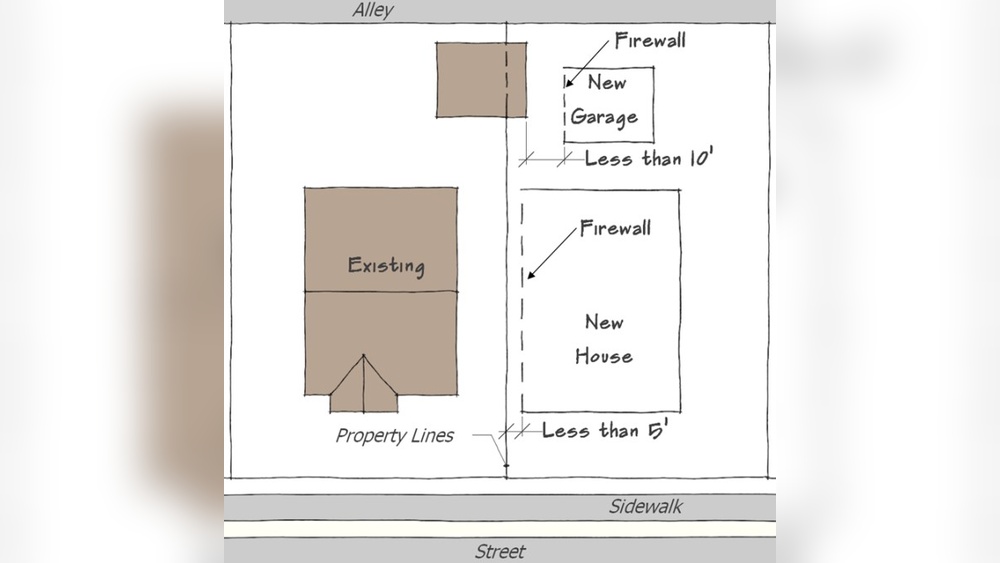
Building a house is an exciting project, but it comes with many rules. One of the first questions people ask is: How far from the property line can I build a house? The answer is not simple. It depends on your location, local zoning laws, and other factors. If you build too close to the edge, you may face fines, have to move your house, or even stop your project. This guide will help you understand the key rules, common requirements, and smart steps for building near property lines, all in clear language.
What Is A Property Line?
A property line is the legal boundary around your land. It shows where your property ends and your neighbor’s begins. You can find property lines in:
- Land surveys
- Deeds from the county office
- Local maps or GIS websites
Knowing your property line is important before you start building. Never guess—get a professional survey if you are not sure.
Why Setbacks Matter
A setback is the minimum distance you must leave between your house and the property line. Cities and towns use setbacks to:
- Keep space between houses for safety and privacy
- Allow emergency vehicles to reach homes
- Protect the environment, like rivers and trees
Building inside a setback area can lead to legal trouble. You may need to pay fines or remove part of your building.
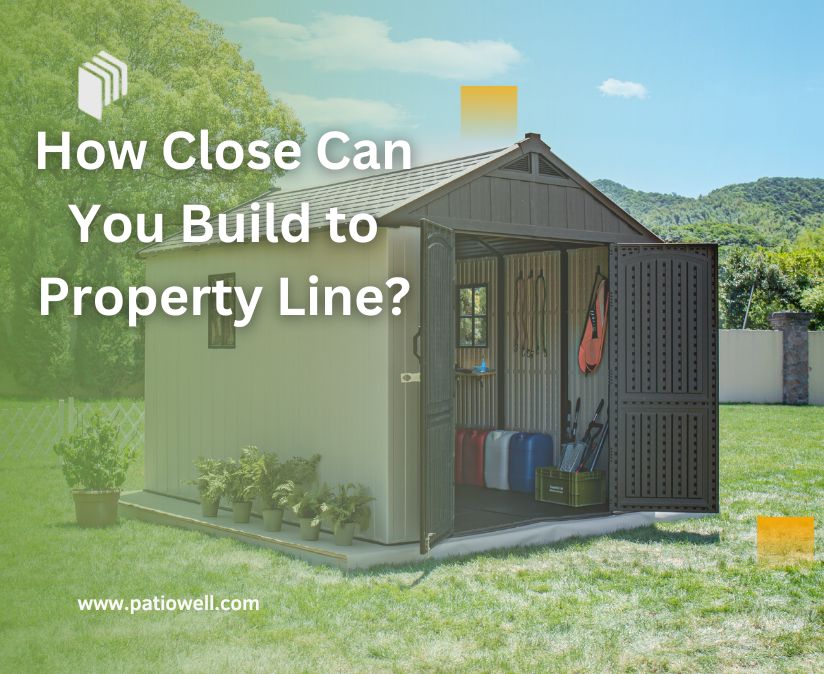
Credit: www.patiowell.com
Common Setback Requirements
Setback distances are not the same everywhere. They depend on your local zoning laws and the type of building. Let’s look at some common examples:
| Location Type | Front Setback | Side Setback | Rear Setback |
|---|---|---|---|
| Urban (City) | 15–25 feet | 5–10 feet | 15–20 feet |
| Suburban | 20–30 feet | 10–15 feet | 20–25 feet |
| Rural | 30–50 feet | 15–30 feet | 25–50 feet |
These numbers are averages. Always check your local rules because some cities have much stricter requirements. For example, in Los Angeles, side setbacks may be only 5 feet, but in rural Texas, they could be 50 feet.
How To Find Your Local Setback Rules
Finding the exact setback for your property is critical. Here are practical steps:
- Visit your city or county building department. Ask for the zoning code or setback chart.
- Search online. Many towns have zoning maps or code documents on their websites.
- Hire a surveyor or architect. They can check the rules and measure your land.
Don’t rely on your neighbors’ houses as a guide. Older houses may not follow current setback codes.
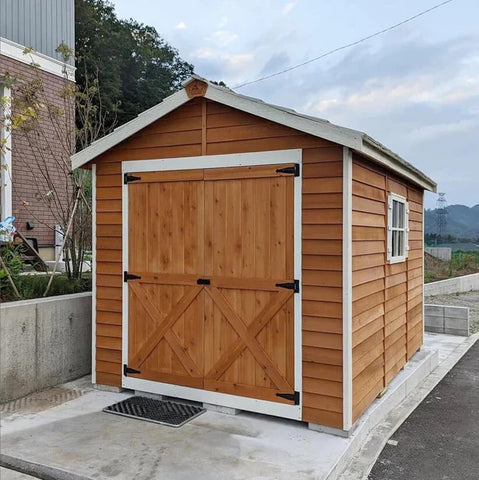
Credit: homesteadsupplier.com
Special Cases: Corner Lots, Small Lots, And Unique Zones
Some properties have unique setback rules. Here are three examples:
- Corner lots: Often need larger setbacks on the street sides for safety and driver visibility.
- Small or narrow lots: Some cities allow smaller setbacks to help you use the land.
- Historic districts or special zones: May have unique rules to protect the look of the neighborhood.
| Lot Type | Possible Setback | Reason |
|---|---|---|
| Corner Lot | 15–25 ft (street sides) | Traffic safety, visibility |
| Small Lot | 3–5 ft (side) | Land use flexibility |
| Historic Zone | May vary | Neighborhood style |
Always ask your local building office if your land has special setback rules.
Other Structures: Garages, Sheds, And Fences
Setbacks do not only apply to houses. They often apply to:
- Garages
- Sheds
- Decks
- Fences
For example:
- Detached garages often need to be 5 feet from the side and rear property lines.
- Sheds under a certain size may be allowed closer, sometimes right on the line.
- Fences usually have the smallest setbacks, often 0–2 feet.
Always check the rules before building anything near your property line.
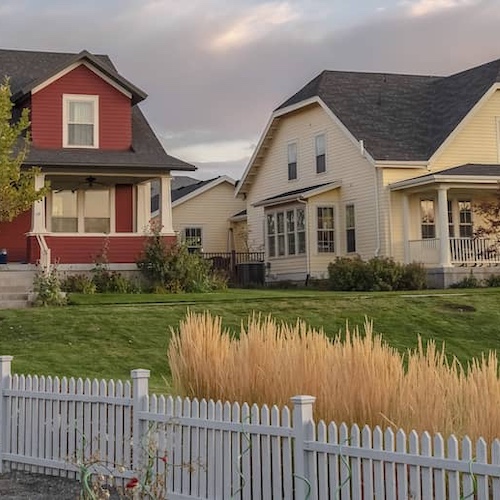
Credit: www.rocketmortgage.com
Variances: When You Need Special Permission
Sometimes, you need to build closer to the line than the law allows. You can ask for a variance—special permission from your city. Variances are not always approved. You must show a good reason, such as:
- Your land is very small or has a strange shape.
- There is a large tree or rock blocking the normal building area.
- You want to match the look of the neighborhood.
Getting a variance can take months and may require public meetings. It is not a guarantee.
Common Mistakes And How To Avoid Them
Many beginners make the same mistakes. Here are the top ones, and how you can avoid them:
- Guessing property lines: Never build based on fences or old markers. Always check with a surveyor.
- Ignoring local codes: Each city and county is different. Always read the current zoning laws.
- Skipping permits: Building without a permit can lead to heavy fines or forced demolition.
- Forgetting about easements: Easements are areas you cannot build on, such as utility lines or shared driveways.
- Not checking for updates: Setback rules can change. Always get the latest information.
Real-world Example: Building A House On A 50×100 Ft Lot
Imagine you have a 50×100 foot city lot. The local setback rules are:
- Front: 20 feet
- Sides: 5 feet each
- Rear: 15 feet
How Much Space Can You Use For Your House?
- Width: 50 ft – 5 ft (left) – 5 ft (right) = 40 ft
- Depth: 100 ft – 20 ft (front) – 15 ft (rear) = 65 ft
Maximum building footprint: 40 ft x 65 ft = 2,600 sq ft
This example shows how much space setbacks can take from your lot. Always plan your house design based on the buildable area, not the total lot size.
How Setbacks Affect Property Value And Usability
Setbacks can:
- Limit the size of your home or garage
- Affect where you can put windows, doors, or driveways
- Make some land unusable, especially on small lots
However, setbacks also protect your privacy and keep neighborhoods safe. If you understand them early, you can design a home that fits well and meets the law.
What Happens If You Build Too Close?
Building inside the setback is risky. Possible outcomes include:
- Stop-work order: The city can stop your project until you fix the problem.
- Fines: You may pay large daily penalties.
- Removal: You could be forced to tear down or move the building.
- Legal disputes: Neighbors can sue you for breaking the rules.
Always get permits and inspections to avoid these problems.
Non-obvious Insights For Homebuilders
Here are two important tips many beginners miss:
- Setbacks can affect future plans. If you want to add a garage or pool later, plan for setbacks now. Don’t use all the space at once.
- Setbacks can change over time. Cities sometimes update codes. If your house is legal now but rules change, you may be “grandfathered in,” but adding new structures may follow new setbacks.
How To Work With Professionals
Working with a licensed architect or experienced builder is smart. They know local codes and will help you:
- Measure setbacks correctly
- Design a house that fits your lot
- File permits and plans with the city
If you want to do it yourself, always double-check the rules with your local zoning office.
Finding Official Information
For the most accurate details, use trusted sources:
- Your local city or county zoning office
- Official zoning maps and codes
- Licensed surveyors or architects
You can also check national guides, like this resource from the National Association of Home Builders, for more information.
Quick Reference: Typical Setback Ranges In The Us
Here’s a quick look at common residential setback ranges:
| Setback Location | Typical Range |
|---|---|
| Front | 15–30 feet |
| Side | 5–15 feet |
| Rear | 15–30 feet |
Check your city’s zoning code for exact numbers.
Frequently Asked Questions
How Close Can I Build A Garage To My Property Line?
Most cities require garages to be at least 5 feet from the side and rear property lines. Some allow closer placement if the garage is small or detached. Always check your city’s rules.
Can I Build A Fence Right On The Property Line?
Usually, fences can be built right on or very close to the property line. However, you may need your neighbor’s agreement, and there are often height limits (such as 6 feet in the backyard). Check local fence codes first.
What If My Neighbor’s House Is Closer To The Line Than The Setback Allows?
Older homes may have been built before current laws. Your neighbor may be “grandfathered in” and allowed to stay. You must follow today’s rules for new construction.
How Do I Get A Variance For A Setback?
To get a variance, apply to your city’s zoning board. You will need a good reason, such as a very small lot or a unique hardship. The process often involves a public hearing.
Do Setbacks Apply To Decks, Patios, Or Pools?
Yes, setbacks also apply to decks, patios, and pools. The required distance may be less than for houses, but always check your local code. Some areas allow small decks closer to the line.
Building a house is a big investment. Understanding how far from the property line you can build helps you avoid costly mistakes and legal trouble. Always check your local setback rules, get a professional survey, and work with experts when needed.
With good planning, you can create a safe, beautiful home that fits your land and meets the law.