
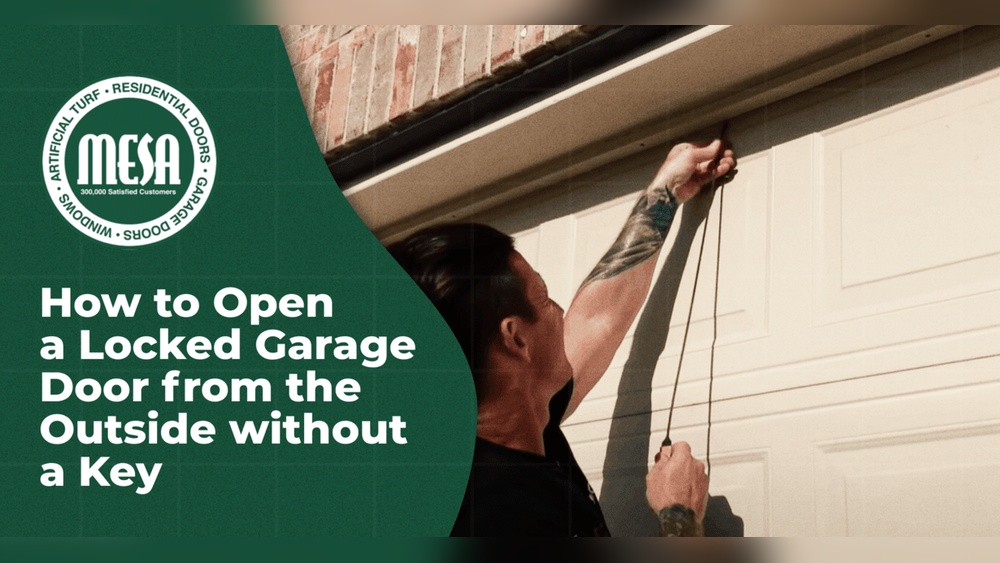
Opening a garage door from outside can be essential in many situations. Maybe the power is out, you lost your remote, or the keypad isn’t working. Sometimes, you just need to let someone in while you’re away. For beginners, the process may sound confusing or even risky.
But with the right steps and safety tips, you can handle this task without damage or stress. This guide will show you everything you need to know to open a garage door from outside—safely, legally, and efficiently.
Why You Might Need To Open A Garage Door From Outside
There are several reasons you may have to open your garage door from the outside:
- Power outage: Automatic openers don’t work during blackouts.
- Lost or broken remote: You can’t access the door through the usual way.
- Malfunctioning keypad: The code panel may stop working due to battery or wiring issues.
- Locked out: You accidentally left your keys inside.
- Routine maintenance: Sometimes, you need to test the manual mechanism.
Understanding these scenarios helps you prepare for emergencies and everyday problems.
Types Of Garage Door Opening Mechanisms
Garage doors come with different opening systems. Knowing your type is the first step to picking the right method.
| Type | How It Works | Common in Homes |
|---|---|---|
| Manual Lift | Opened by hand; uses a handle | Older homes, sheds |
| Automatic Opener | Motor-driven with remote or wall switch | Modern homes |
| Keyed Emergency Release | Key unlocks a cable to disengage opener | Upgrade for security |
| External Keypad | Numeric code opens door | Many new garages |
If you aren’t sure which system you have, check for a handle, keypad, or lock cylinder outside your door.
Tools And Items You May Need
Before starting, gather these items for a smooth process:
- Ladder (if reaching high places)
- Flathead screwdriver (helps with emergency release)
- Flashlight (for nighttime or dark garages)
- Garage door key (if you have a keyed release)
- Phone (to call for help if needed)
Having these ready saves time and avoids frustration, especially during emergencies.
Common Ways To Open A Garage Door From Outside
Several methods are available, depending on your garage type and security features. Here are the most common:
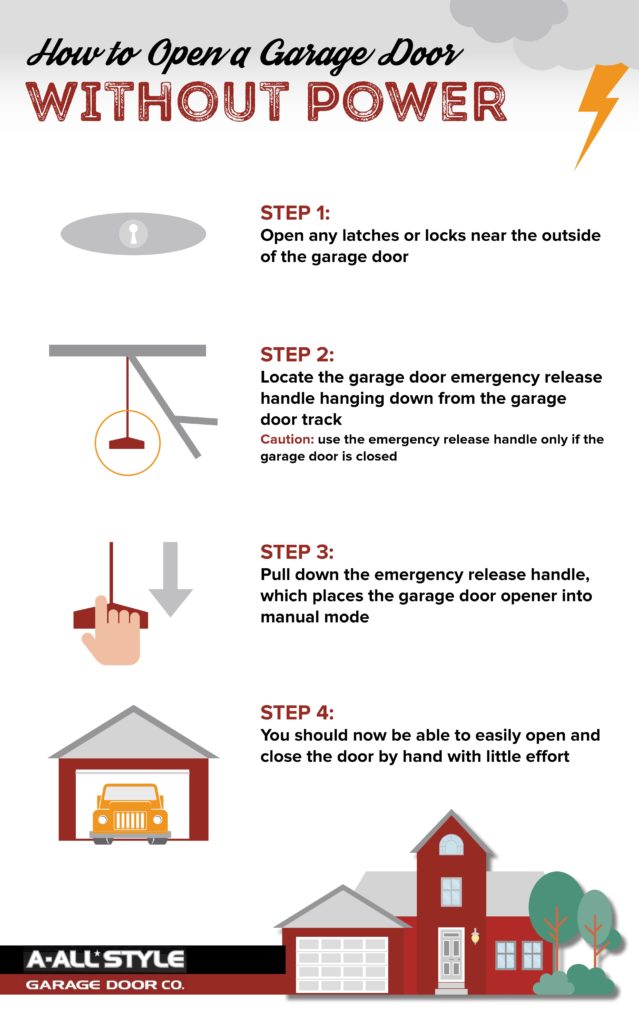
1. Using The Emergency Release Kit
Many garage doors with automatic openers have an emergency release kit. You’ll see a small lock on the door, usually in the center near the top.
Steps:
- Insert the key into the lock and turn to open.
- Pull out the lock cylinder—this brings a cable with it.
- Pull the cable down. This disengages the automatic opener.
- Lift the door manually from the bottom handle.
Pro tip: The door may be heavy. Use both hands and lift carefully.
2. Manual Lifting (for Non-automatic Doors)
If your garage door is older or doesn’t have an automatic opener, you can usually open it by hand.
- Unlock any external lock with your key.
- Grip the handle at the bottom.
- Pull upward in a smooth motion.
Most manual doors have springs to help, but some can be heavy. Don’t force the door if it’s stuck.
3. Using An External Keypad
If your garage door has a keypad installed outside:
- Enter your code on the keypad.
- Wait for the motor to activate and the door to open.
- Replace batteries if the keypad doesn’t light up.
Tip: Change your code regularly to prevent unauthorized entry.
4. Using A Spare Remote
Sometimes, you have a spare garage remote:
- Keep a spare remote in a secure outdoor location (like a lockbox).
- Press the button near the garage to open the door.
Don’t leave remotes in plain sight or in unlocked cars to avoid theft.
5. Calling A Professional
If you’re locked out and none of the above methods work, calling a locksmith or garage door technician is safest. They have tools and experience to open the door without damage.
Cost: Expect to pay $80–$150 for this service, depending on time and location.
Important Safety Tips
Opening a garage door from outside is safe if you follow basic rules:
- Never force a stuck door—it can break the springs or panels.
- Watch your fingers and back—garage doors are heavy.
- Keep children away from the door when opening manually.
- Use the right key or code—never try to pick the lock.
- Check for damage before lifting (loose cables, bent rails).
Non-obvious insight: Many beginners forget to relock the door after opening it manually. Always re-engage the automatic opener or lock the door for safety.
Mistakes To Avoid
Beginners often make these errors:
- Using a screwdriver or coat hanger to reach the emergency release through the top of the door. This method is risky and can damage the door. It’s also a common technique for thieves.
- Leaving the door in manual mode after opening. This makes your garage less secure.
- Trying to open the door with a broken spring. If the door doesn’t lift easily, stop and call a pro.
- Not reading the manual. Every garage door is a bit different—check your owner’s manual for specific instructions.
Example Scenario: Power Outage
Imagine you return home during a storm. The power is out, and your remote won’t work. Here’s what you do:
- Locate the emergency release kit outside your garage.
- Insert the key, pull the cable, and the opener disengages.
- Lift the door manually with both hands.
- Drive your car inside, then close the door and relock it.
This simple process lets you access your garage even with no electricity.
How Secure Is Manual Opening?
Many homeowners worry about security. A common question is: Can burglars use the emergency release to get inside?
| Method | Security Level | Common Risks |
|---|---|---|
| Manual emergency release | Medium | Can be accessed if lock is weak |
| External keypad | High (with strong code) | Code guessing, outdated software |
| Spare remote | Low | Stolen from car or outdoor spot |
Tip: Use a zip tie on the emergency release to prevent “fishing” (when thieves use a hanger to pull the release from outside). Just make sure you can still break the zip tie in a real emergency.

Credit: www.wikihow.com
Installing An Emergency Release Kit
If your garage doesn’t have an emergency release, you can install one. Here’s how:
- Buy a universal garage emergency release kit from a hardware store ($15–$30).
- Drill a hole above your garage door (follow the instructions).
- Insert the lock cylinder and connect the cable to the opener’s release lever.
- Test the system several times to make sure it works.
Note: Most kits come with two keys. Keep one in your car and one inside your home.
Pros And Cons Of Each Method
Not all opening methods are equal. Here’s a quick comparison:
| Method | Pros | Cons |
|---|---|---|
| Emergency release kit | Works in power outage, simple | Moderate security risk |
| Manual lifting | No tools needed, fast | Heavy doors, requires key for lock |
| External keypad | Secure, convenient | Battery can die, needs programming |
| Spare remote | Easy, no setup | Risk of theft |
| Professional help | Safe, no damage | Costs money, may take time |
Choose the method that fits your needs, home, and budget.
Credit: www.allstyledoor.com
Practical Data: How Often Do People Get Locked Out?
You’re not alone if this happens to you. According to industry surveys:
- 1 in 5 homeowners report being locked out of their garage at least once.
- 70% of new garages now include an emergency release kit or keypad.
- Most lockouts happen during storms or after remote battery failure.
Non-obvious insight: Upgrading to a keypad can reduce lockout incidents by almost 40%, based on customer reports.
Maintenance Tips For Easy Access
To avoid future problems, keep your system in good shape:
- Lubricate springs and tracks twice a year.
- Check the emergency release cable for rust or fraying.
- Replace keypad batteries every 12–18 months.
- Test manual operation once a season to ensure everything works.
Regular maintenance prevents breakdowns and ensures you can always open your garage door from outside when needed.
Legal And Ethical Considerations
Always follow the law when opening a garage door from outside. Opening someone else’s door without permission is illegal and can lead to criminal charges. Only use these methods for doors you own or have explicit permission to access.
If you’re renting, ask your landlord for instructions and permission before installing any new hardware.
For more on garage door safety and standards, check resources from the Federal Trade Commission.
Frequently Asked Questions
How Do I Know If My Garage Door Has An Emergency Release?
Look for a small lock and keyhole near the top center of your garage door. It may also be noted in your garage door opener manual. If you don’t see one, check inside the garage for a red cord hanging from the opener rail.
Can I Open My Garage Door If The Spring Is Broken?
You should not try to open the door if the spring is broken. The door can be extremely heavy, and forcing it may cause injury or damage. Always call a professional in this situation.
What If I Forgot My Keypad Code?
Most keypads have a reset process. Check your opener’s manual or manufacturer’s website for steps. You may need to reset the system from the main opener unit inside the garage.
Is It Safe To Leave My Garage In Manual Mode?
No, it’s not safe for long periods. Manual mode can make it easier for someone to lift the door from outside. Always re-engage the automatic opener or lock the door after you’re done.
Should I Install A Keypad Or Emergency Release Kit?
If you want the best mix of convenience and security, both are recommended. A keypad gives you easy access, while an emergency release kit is vital during power outages. Install both for peace of mind.
Opening your garage door from outside doesn’t have to be stressful. With the right knowledge, tools, and preparation, you’ll be ready for almost any situation. Remember to keep your system maintained, review your security regularly, and always put safety first.

Credit: www.youtube.com