
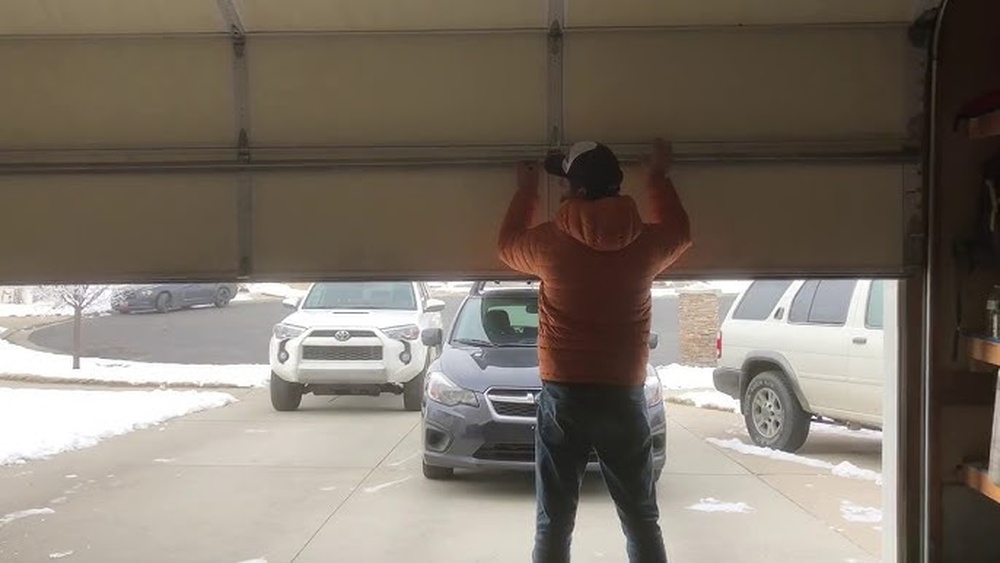
Opening a garage door with a broken spring is a challenge that many homeowners face. It can happen suddenly, leaving you unable to access your car or tools. If you’re new to garage doors, it’s important to understand why springs matter and how to deal with a broken one safely.
This article will guide you step by step, using simple language and clear instructions. You’ll learn what to do, what to avoid, and how to minimize risk while opening your garage door with a broken spring.
Why Garage Door Springs Matter
Garage door springs carry most of the weight when you open or close the door. A typical garage door weighs between 120–200 pounds. The springs help lift this weight, making it easy for you or the opener to move the door.
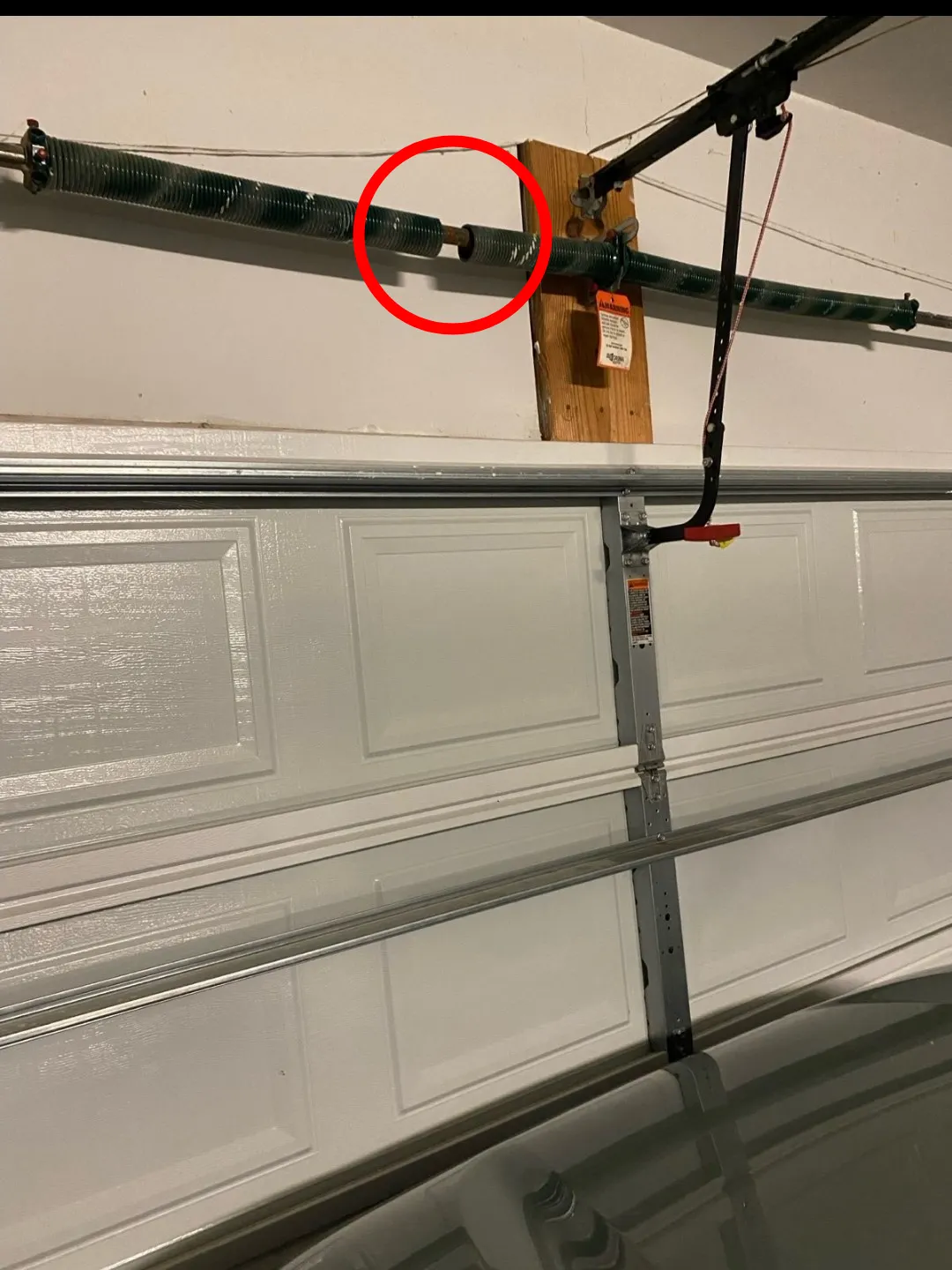
- Types of springs: Most doors use torsion springs (mounted above the door) or extension springs (mounted along the tracks).
- Job of springs: Springs store energy and release it to move the door smoothly.
- When springs break: The door feels much heavier. The opener may not work, and manual lifting becomes hard.
Knowing this helps you understand why a broken spring is not just an inconvenience—it’s also a safety risk.
Signs Your Garage Door Spring Is Broken
Before trying to open the door, check for these signs:
- Loud bang: Broken springs often make a sharp noise.
- Door won’t open: The opener struggles or fails completely.
- Door is crooked: One side may be higher than the other.
- Gaps in the spring: Visible separation in the coil.
If you notice any of these, do not force the door. Trying to open it with a broken spring can cause injury or damage.
Credit: www.youtube.com
Safety First: Risks Of Opening A Garage Door With Broken Spring
Garage doors are heavy and dangerous when springs break. Here are the main risks:
- Injury: Lifting the door can cause back strain or crushed fingers.
- Door damage: Forcing the door may bend the tracks or panels.
- Opener damage: Using the electric opener can burn out the motor.
Always consider your safety before attempting any action. If the door is stuck and you need access, follow these steps carefully.
What You Need Before Attempting To Open
Get these items ready:
- Two strong adults: Never lift alone.
- Sturdy gloves: Protect your hands.
- Step ladder: Useful if you need to reach the emergency release.
- Wood block: To prop the door open.
- Pry bar: Helps lift if the door is heavy.
Having the right tools and help makes the process safer and easier.

Credit: bcsoverheaddoortx.com
Step-by-step Guide To Open Garage Door Manually With Broken Spring
1. Disconnect The Opener
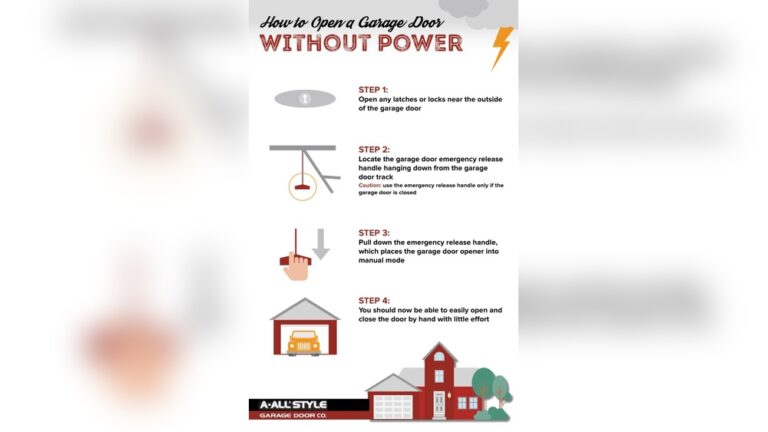
Most garage doors have an emergency release cord—a red handle hanging from the opener.
- Pull the cord: This disconnects the opener from the door.
- Test movement: Try to lift the door a few inches to check if it moves.
2. Lift The Door With Help
Because the spring is broken, the door will be heavy.
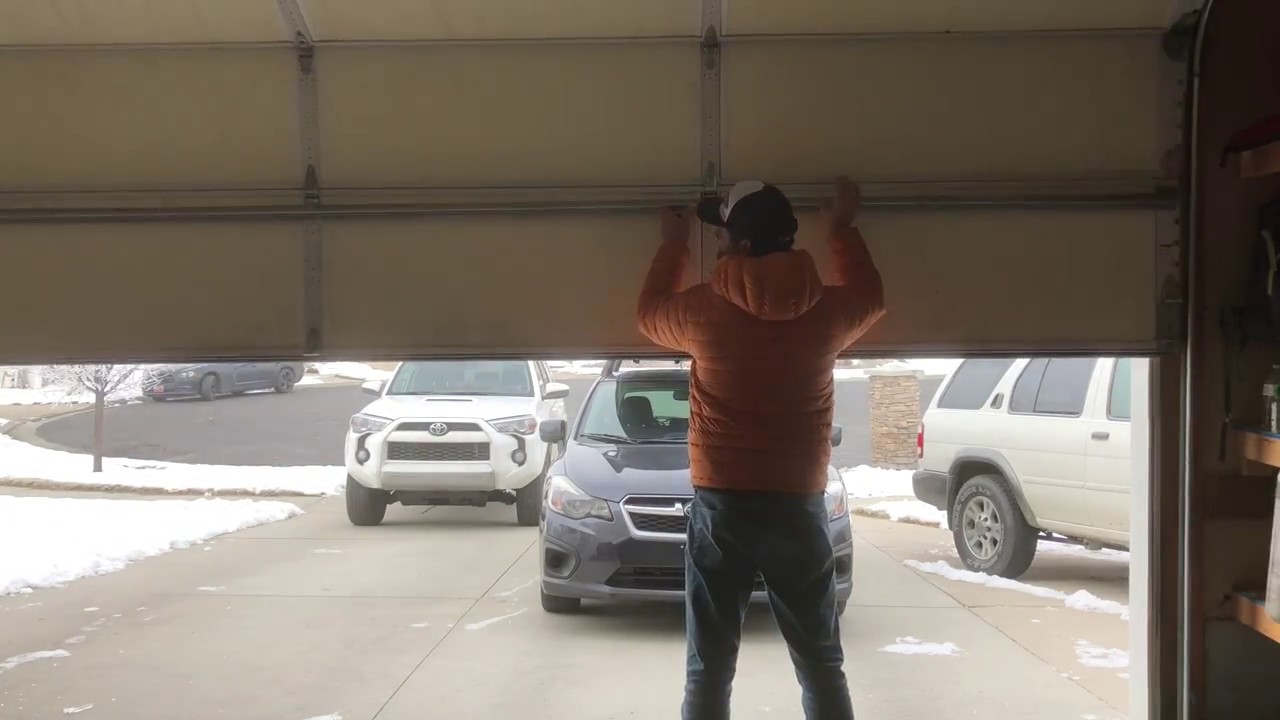
- Stand on each side: Two adults are best.
- Grip firmly: Hold the bottom edge with both hands.
- Lift slowly: Raise the door in a steady motion.
If the door won’t move, stop. Forcing it can be dangerous.
3. Prop Open The Door
Once the door is up, you need to secure it.
- Place a wood block: Put it under the door to keep it open.
- Avoid using objects that can roll or slip.
4. Keep Children And Pets Away
A propped door can fall unexpectedly. Make sure the area is clear.
5. Close Carefully
When finished, lower the door slowly. Remove the wood block and let the door down gently.
Common Mistakes Beginners Make
Many people make mistakes when dealing with a broken garage door spring:
- Trying to open alone: The door is too heavy.
- Using the opener: This can damage the motor.
- Ignoring safety gear: Gloves prevent injury.
- Forgetting to secure the door: Always prop it open.
Avoid these errors to stay safe.
Credit: www.garagedoorspecialist.net
How Much Force Is Needed?
The weight of a garage door depends on its size and material. Let’s compare common types:
| Door Type | Average Weight | Force Needed (lbs) |
|---|---|---|
| Single steel | 120 lbs | 120 lbs |
| Double steel | 200 lbs | 200 lbs |
| Wood | 250 lbs | 250 lbs |
Without springs, you must lift the full weight. If you have back problems or limited strength, do not attempt this.
When To Call A Professional
Some situations require expert help:
- Door is stuck: If you cannot lift it, call a technician.
- Spring type is unclear: Professionals know how to handle both torsion and extension springs.
- You need regular access: If you must open the door daily, get the spring replaced.
Professional repair costs between $150–$350 in the US, depending on the door type and spring. Waiting too long can increase damage and cost.
How To Identify Spring Type
Knowing your spring type helps you explain the problem to a professional.
| Spring Type | Location | Common Signs |
|---|---|---|
| Torsion | Above the door | Coiled, thick metal |
| Extension | Along tracks | Long, thin, stretches when door moves |
Take a photo of your spring and show it to the technician for faster service.
Emergency Alternatives For Access
If you need something urgent from your garage, try these ideas:
- Side door: If your garage has a side entrance, use it instead.
- Remove a panel: Some garages have removable panels or windows.
- Ask a neighbor: They may have tools or experience to help.
Always avoid forcing the main door if possible.
Preventing Spring Breakage In The Future
Garage door springs last 7–9 years with regular use (about 10,000 cycles). You can extend their life with these tips:
- Lubricate springs: Use garage door oil every 6 months.
- Balance the door: A balanced door puts less stress on the springs.
- Inspect regularly: Look for rust, gaps, or stretched coils.
- Don’t overload: Avoid hanging heavy items on the door.
Here’s a quick comparison of maintenance actions and their impact:
| Action | Effect on Spring Life | Time Needed |
|---|---|---|
| Lubrication | +20% longer | 5 mins |
| Balance check | +15% longer | 10 mins |
| Inspection | +10% longer | 5 mins |
Regular care can save you money and prevent accidents.
Real-life Example: How Sarah Opened Her Garage Door With Broken Spring
Sarah, a homeowner in Texas, faced a broken spring one morning. She needed her car for work.
- She checked for safety, put on gloves, and called her neighbor for help.
- They pulled the emergency release cord, lifted the door together, and propped it open with a block.
- Sarah avoided using the opener and scheduled a professional repair the same day.
Sarah’s story shows that teamwork and caution matter most.
When You Should Not Open The Door
Certain situations make opening the door too risky:
- Heavy wood doors: These are often too heavy for manual lifting.
- Damaged tracks: If the tracks are bent, the door can fall.
- Broken cables: If cables are frayed or snapped, the door may collapse.
In these cases, always call a technician. Do not attempt to open the door.
Cost And Repair Data
Here’s what you can expect for repair:
- Spring replacement: $150–$350
- Labor: $75–$150
- Emergency repair: Extra $50–$100
Most repairs take 1–2 hours. Always ask for a written quote before agreeing.
For more data on garage door repairs, visit HomeAdvisor.
Frequently Asked Questions
What Happens If I Use The Opener With A Broken Spring?
The opener will struggle to lift the heavy door. This can burn out the motor or break the opener’s gears. Always disconnect the opener if you suspect a broken spring.
How Dangerous Is It To Open A Garage Door Manually?
It can be very dangerous. The door may weigh over 200 pounds. Without springs, the full weight must be lifted. There is risk of injury or the door falling suddenly.
Can I Replace The Spring Myself?
Most beginners should not try this. Garage door springs are under high tension. Improper handling can cause serious injury. Professionals have the tools and training for safe replacement.
What’s The Most Common Reason Springs Break?
Normal wear is the main reason. Springs last about 10,000 cycles. Rust, cold weather, and poor maintenance can shorten their life.
How Do I Know If My Spring Needs Replacing?
Look for gaps in the coil, stretched metal, or loud noises when opening. If the door feels heavy or moves unevenly, the spring may be broken.
Getting your garage door open with a broken spring is never easy. Always put safety first, use help, and avoid shortcuts. If you need access, follow the steps above, but for a permanent fix, call a professional. Regular maintenance and inspections can prevent future problems.
Remember, your safety is more important than speed.