
Hailstorms are unpredictable and can cause serious damage to your car. For many drivers, the idea of their car getting hit by hail is worrying. Dents, broken windows, and chipped paint are common results. Fixing hail damage can cost thousands of dollars, and insurance claims may raise your premiums.
The good news is, with simple steps and smart habits, you can reduce the risk and protect your car. In this guide, you’ll learn beginner-friendly methods, practical tips, and real-world data to help your car survive hailstorms.
Understanding Hail Damage
Hail forms when strong winds carry rain droplets high into cold areas of a storm, turning them into ice. These ice balls can fall at speeds up to 100 mph. Even small hailstones can dent your car, while larger ones can break glass.
- Average hailstone size: 0.2–1.6 inches (pea to golf ball)
- Hail damage repair cost: $2,000–$10,000 (severe cases)
- Insurance claims spike: After major hail events, claims can rise by 300%
Common Types Of Damage
- Body dents: Most common, especially on hoods and roofs
- Cracked windows: Side and rear windows are more vulnerable
- Paint chips: Hail can strip paint, leading to rust
How To Protect Your Car From Hail
Let’s look at the best ways to shield your car, from simple habits to advanced solutions.
1. Use Covered Parking
The most effective protection is parking your car under a roof.
- Garage: Keeps your car safe from hail, sun, and theft
- Carport: Less expensive, easy to install, blocks hail
- Public covered lots: If you’re away from home, choose parking decks or covered spaces
Example: In Colorado, cars parked in garages had 90% fewer insurance claims after a hailstorm compared to street-parked vehicles.
2. Invest In A Hail Cover
Specialized hail covers are thick, padded sheets designed for cars.
- Material: Heavy-duty foam or multi-layer fabrics
- Setup time: 2–5 minutes
- Cost: $50–$350, depending on quality
Benefits:
- Absorbs impact, preventing dents
- Easy to store in trunk
- Some are waterproof
Tip: A standard car cover won’t protect against hail. Choose one labeled “hail protection.”
3. Portable Shelter Options
If you don’t have a garage, portable shelters can help.
- Pop-up tents: Fast to assemble, but may not withstand strong winds
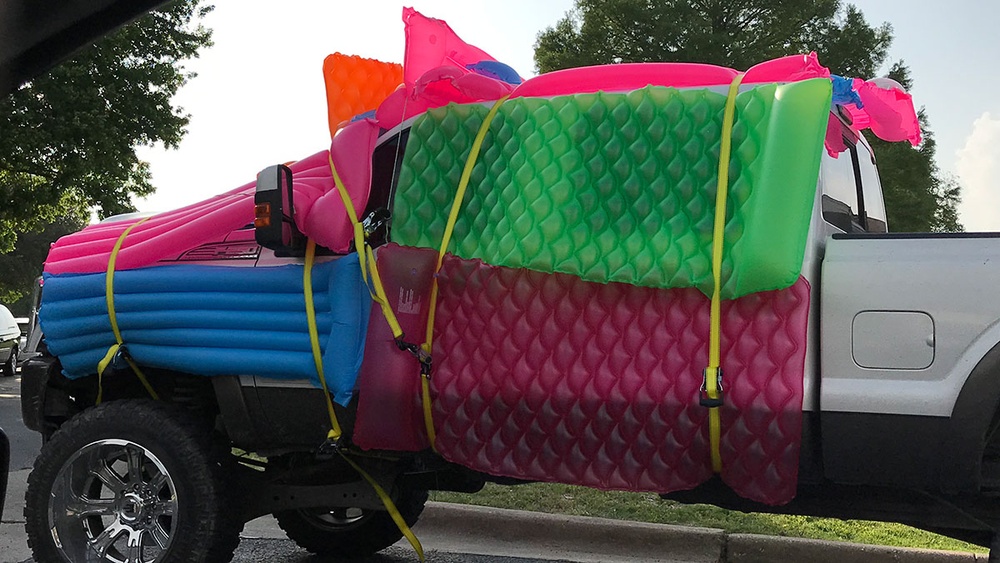
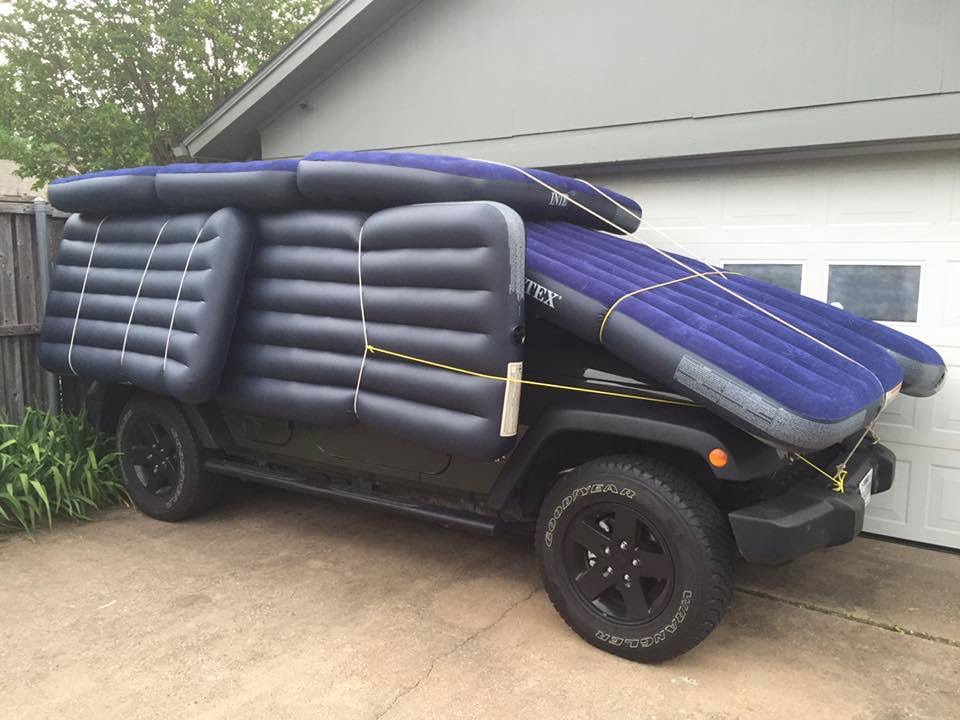
- Inflatable hail shelters: Newer technology, inflates in minutes, acts like a shield
| Type | Setup Time | Protection Level | Cost |
|---|---|---|---|
| Pop-up tent | 10 min | Moderate | $120–$250 |
| Inflatable shelter | 5 min | High | $400–$800 |
Tip: Check wind ratings before buying. Some tents can collapse in strong storms.
4. Plan Ahead With Weather Alerts
Modern weather apps can warn you before hail begins.
- Download a weather app: Choose one that sends push alerts
- Enable location tracking: Receive warnings for your area
- Set custom alerts: For “hail” or “severe storm”
Example: The National Weather Service app can alert you up to 30 minutes before hail strikes.
When you get an alert:
- Move your car to covered parking or use a hail cover
- Avoid driving if possible
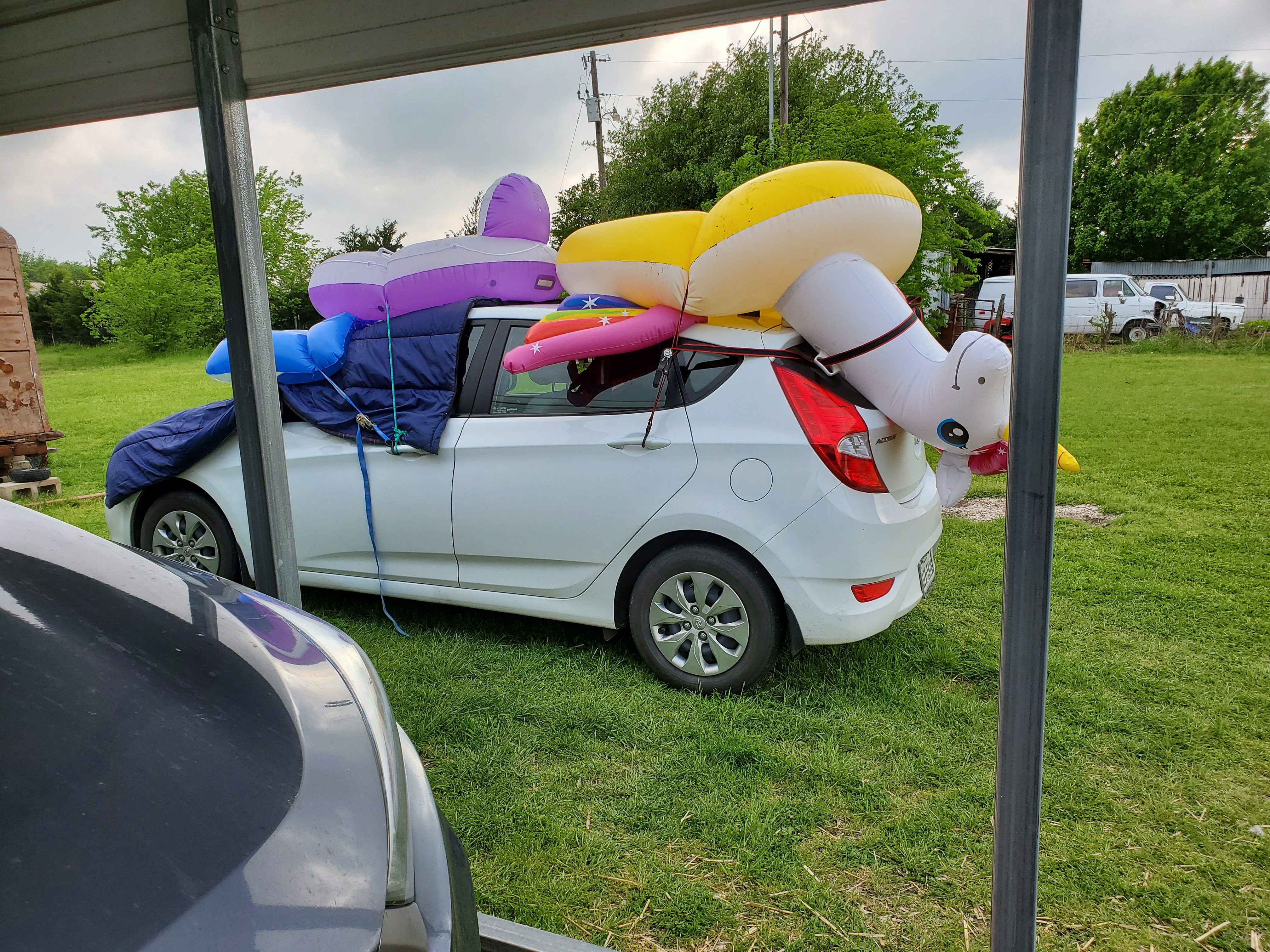
5. Use Blankets Or Mats In Emergency
If you have no cover, thick blankets or floor mats can help reduce damage.
- Place blankets over windows and roof
- Use floor mats to protect glass areas
This is a last resort. Blankets offer minor protection but can prevent shattered glass.
Tip: Secure covers tightly so wind doesn’t blow them away.
6. Avoid Parking Under Trees
It may seem smart to park under a tree for shade, but it’s risky.
- Tree branches can break and fall during hailstorms
- Leaves and debris may scratch paint
Data: In Texas, 18% of hail-damaged cars also had tree-related damage after storms.
7. Consider Hail Insurance Coverage
Standard auto insurance may not cover all hail damage. Check your policy for comprehensive coverage.
- Covers hail, flood, theft, and vandalism
- May require a deductible ($250–$1,000)
- Claims can affect future premiums
Tip: Compare insurance plans yearly. Some companies offer “hail-specific” riders in high-risk areas.
| Coverage Type | Hail Protection | Cost (avg) |
|---|---|---|
| Liability | No | $600/year |
| Comprehensive | Yes | $1,200/year |
8. Protect Windows With Temporary Shields
Plastic sheets or window film can help prevent glass from shattering.
- Available at auto stores
- Easy to apply, peel off after storm
- Useful for side and rear windows
Tip: Don’t use tape directly on paint. It can damage the finish.
9. Store Your Car In Unusual Places
In a severe hailstorm, think outside the box.
- Shopping mall garages: Often open to public during storms
- Car wash bays: Temporary shelter, but don’t block access
- Gas station canopies: Can offer short-term protection
Example: During a hailstorm in Oklahoma, drivers parked in mall garages, avoiding thousands in repair costs.
10. Know The Hail Season In Your Area
Hail is more common in certain months and regions.
- Peak months: April–June in Midwest, May–July in Southwest
- High-risk states: Texas, Colorado, Nebraska, Kansas
Data: Texas sees over 50 hailstorms per year, causing $1.2 billion in auto damage annually.
Tip: If you live in a hail-prone area, prepare in advance.
Real-world Examples
Let’s look at practical cases:
- In Denver, a major hailstorm caused $2.5 billion in damage. Cars parked outdoors suffered heavy dents, while those in covered lots had little or no damage.
- In Dallas, drivers with comprehensive insurance paid only $500–$1,000 for repairs, compared to $3,000–$8,000 for uninsured drivers.
- A family in Nebraska used thick moving blankets and saved their car’s windows, proving that quick action can make a difference.
Comparing Protection Methods
Here’s a simple comparison of popular hail protection options:
| Method | Effectiveness | Cost | Ease of Use |
|---|---|---|---|
| Garage | Excellent | $0–$15,000 (build) | Easy |
| Hail cover | Good | $50–$350 | Easy |
| Portable shelter | Good | $120–$800 | Moderate |
| Blankets/mats | Low | $0–$40 | Easy |
| Window film | Moderate | $10–$60 | Easy |
Credit: www.greatflorida.com
Extra Tips For Beginners
- Act fast: Hailstorms can start with little warning. Don’t wait for visible clouds.
- Practice setup: Try installing hail covers or shelters before a storm so you’re ready.
- Keep essentials in your trunk: Blankets, duct tape, window film, and a flashlight.
- Join local alerts: City or neighborhood alert systems often send faster notifications.
- Document your car: Take photos before hail season. Makes insurance claims easier.
What Not To Do
Avoid these mistakes:
- Don’t drive during hail: Visibility drops, and hail can break your windshield.
- Don’t rely on car alarms: They don’t protect from hail impact.
- Don’t use thin covers: Standard car covers are not thick enough for hail protection.
Credit: www.nbcdfw.com
Getting Repairs After Hail Damage
If your car is damaged:
- Take clear photos of dents and broken glass.
- Contact your insurance company ASAP.
- Choose a reputable repair shop. Ask if they use “paintless dent repair” for faster results.
- Keep receipts for all repairs.
Tip: Some states offer free hail inspections after major storms.
Staying Safe During Hailstorms
Your safety matters more than your car.
- Stay indoors when hail starts
- If you’re driving, pull over under a bridge or covered area
- Wait for the storm to end before checking your car
Data: Hail causes over 6,000 injuries yearly in the US, mostly from broken glass.

Credit: www.kxan.com
Frequently Asked Questions
How Big Does Hail Have To Be To Damage A Car?
Even pea-sized hail (0.2 inches) can cause small dents. Golf ball-sized hail (1.6 inches) can break windows and cause serious body damage.
Will My Insurance Cover Hail Damage?
You need comprehensive coverage for hail protection. Liability-only insurance won’t help. Always check your policy details.
Can I Use A Regular Car Cover For Hail?
Regular covers are too thin. Only hail-specific covers with padding protect against impact. Look for covers labeled “hail protection.”
Is It Safe To Drive During A Hailstorm?
No. Visibility drops fast, and hail can break windshields. If you’re caught while driving, find the nearest covered area and wait.
What’s The Best Quick Fix If Hail Starts Suddenly?
Use thick blankets or mats to cover windows and roof. Secure them with tape or straps. This won’t prevent all damage, but it can stop glass from shattering.
Protecting your car from hail is mostly about planning ahead and acting quickly. Whether you invest in a hail cover, use portable shelters, or rely on weather alerts, each step reduces your risk. Smart habits and a few simple tools make a big difference. Remember, your safety comes first. Make a plan before the next hail season and stay prepared. For detailed weather alerts and hail risk maps, check the National Weather Service website. Stay safe and keep your car protected from the next storm.