
A two car garage is a common feature in many homes. For people who own two vehicles or need extra storage, knowing the right size for a two car garage is important. The size affects how easily you park, move around, and store things like bikes or tools.
Even if you don’t own two cars now, a bigger garage can increase your home’s value and make daily life easier.
Many people think all two car garages are the same size. In reality, the size can vary a lot. Some are just big enough for two small cars, while others have space for large vehicles and extra items. If you plan well, your garage will fit your needs now and in the future.
Let’s break down the sizes, design options, and tips to choose the best two car garage for your home.
What Is The Standard Two Car Garage Size?
Most people want to know, “How big is a standard two car garage?” There is no single answer, but in the US, standard two car garage sizes often fall into a common range.
- Typical Width: 18 to 20 feet (about 5.5 to 6.1 meters)
- Typical Depth: 20 to 24 feet (about 6.1 to 7.3 meters)
- Average Area: 360 to 480 square feet
Here’s a comparison of common two car garage sizes:
| Width (feet) | Depth (feet) | Total Area (sq. ft.) | Fits Full-size SUVs? |
|---|---|---|---|
| 18 | 20 | 360 | No |
| 20 | 20 | 400 | Maybe |
| 22 | 22 | 484 | Yes |
| 24 | 24 | 576 | Yes |
Key insight: The smallest two car garages (18×20 ft) can be tight for two modern vehicles, especially if you want to open doors comfortably.
Minimum Size Vs. Comfortable Size
It’s possible to park two small cars in a garage as little as 18×18 feet. But “minimum” and “comfortable” are not the same.
- Minimum size: Just enough to fit two compact cars, with little room for anything else.
- Comfortable size: Gives extra space for walking, storage, and larger vehicles.
Real-world example: If you have a sedan and an SUV, a 20×20 ft garage may feel cramped. You might have trouble opening both car doors at the same time or storing bicycles.
Pros And Cons Of Minimum Size
Pros:
- Saves building costs
- Fits on small lots
Cons:
- Hard to move around cars
- No space for tools or storage
- Difficult for larger vehicles
Tip: Even if you only have compact cars now, consider a slightly larger garage for flexibility.

Credit: royaloaksdesign.com
Factors That Affect Garage Size
Not every family needs the same size garage. Here are important things to think about before choosing your garage size:
- Type of vehicles: Compact cars, full-size trucks, minivans, or SUVs all need different space.
- Storage needs: Do you want space for bikes, sports equipment, tools, or a workbench?
- Future plans: Planning to buy a bigger car or add storage shelves?
- Garage door size: Two single doors or one double-wide door change how you park.
- Building codes: Some cities require a minimum size for garages.
Example: Parking Two Suvs
Let’s say you own two SUVs that are each 6.5 feet wide and 16 feet long. You’ll need:
- At least 20 feet width to park side by side
- At least 22 feet depth for length plus space to walk around
If you want to add storage at the back or sides, add 2-4 feet extra in those directions.
Garage Door Options
The size and type of garage door affect how easily you can use your space.
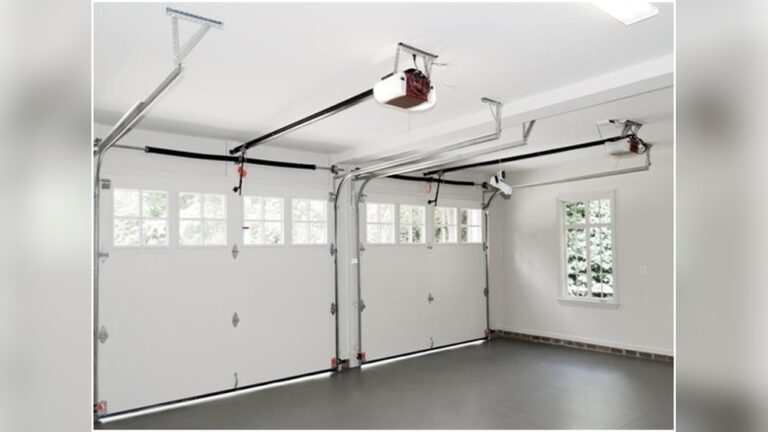
- Double-wide door: Usually 16 feet wide by 7 feet tall
- Two single doors: Each 8 or 9 feet wide, 7 or 8 feet tall
| Garage Door Type | Typical Width (ft) | Pros | Cons |
|---|---|---|---|
| Double-wide | 16 | Easy for wide vehicles, fewer motors | All cars blocked if door is broken |
| Two singles | 8-9 each | One door can open if the other fails, less heat loss | Harder for wide vehicles, more expensive |
Tip: If you have a large truck or SUV, make sure your garage door is wide enough. Some people make the mistake of choosing a door that’s too narrow.
Extra Space For Storage And Activities
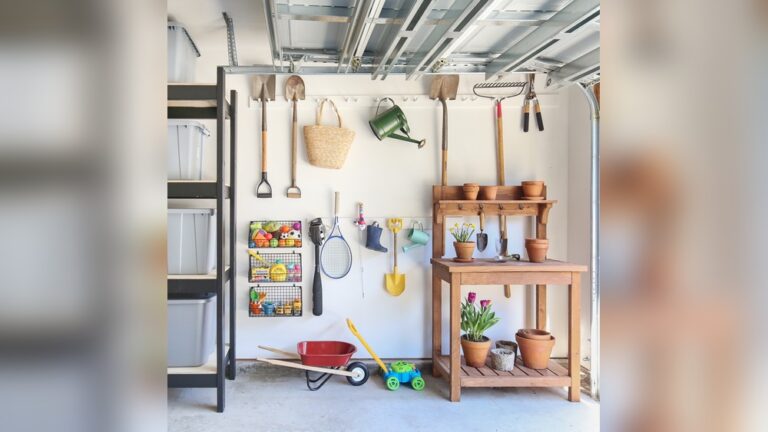
Many people use their garage for more than just parking. Think about what else you might want to keep there:
- Lawn mowers
- Bikes
- Freezer or second fridge
- Workbench
- Seasonal decorations
A good rule: Add 2 to 4 feet to your planned width or depth for extra storage. For example, a 24×24 foot garage gives space for both vehicles plus shelves or a small workshop.
Non-obvious insight: If you plan to store tall items (like kayaks or roof boxes), pay attention to ceiling height as well. Standard garage ceilings are 8 feet, but 9 or 10 feet is better for tall storage racks or overhead lifts.
Driveway And Turning Space
A two car garage is only useful if you can get your cars in and out easily.
- Driveway width: At least 20 to 24 feet wide for two cars to enter and exit at the same time
- Turning radius: If your garage faces a wall or fence, make sure there is enough space to turn both cars
Example: If your garage is at the end of a short driveway, a 24-foot wide driveway helps both cars get in and out without blocking each other.
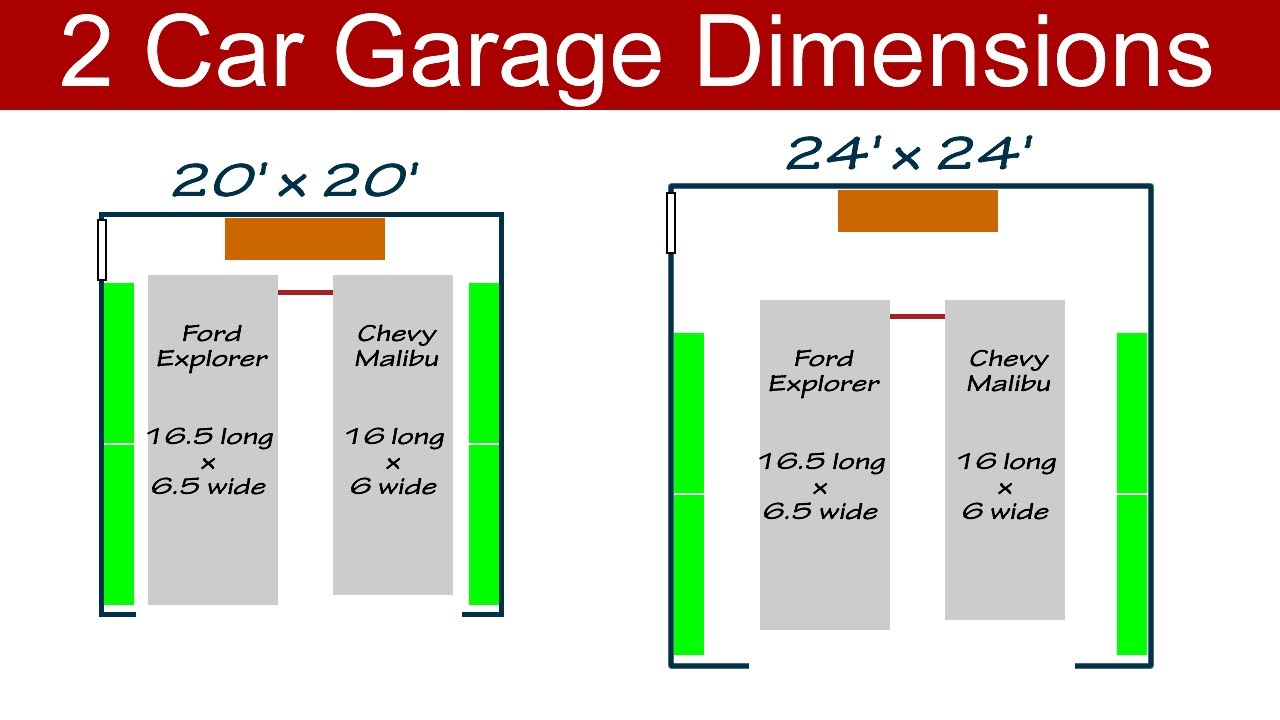
Credit: shedsunlimited.net
Detached Vs. Attached Two Car Garages
You can build your garage as part of your house (attached) or as a separate building (detached). The design affects the size and layout.
Attached Garage
- Easier to access from inside the house
- Often limited by the house’s structure
Detached Garage
- More flexible in size and placement
- Can be built larger or used for hobbies
Expert tip: Detached garages can be set further back for a larger workshop or storage area. But attached garages are more convenient in bad weather.
Building Codes And Permits
Before you build or remodel a garage, check local building codes. Most areas have rules for:
- Minimum width and depth
- Required setbacks from property lines
- Maximum building height
Some neighborhoods or homeowners associations may have extra restrictions.
Mistake to avoid: Skipping permits can lead to fines or trouble selling your home later.

Credit: www.angi.com
Cost To Build A Two Car Garage
The cost depends on size, materials, and location. As a rough guide:
- Basic 20×20 ft garage: $20,000–$30,000 (no extras)
- Larger or finished 24×24 ft garage: $35,000–$50,000+
- Extras: Insulation, electricity, windows, and finished floors add cost
Data point: According to HomeAdvisor, the average cost for a two car garage in the US is about $28,000.
If you want to save money, consider:
- Simple roof design
- Fewer windows and doors
- Unfinished interior
But don’t cut corners on size if you want comfort and future value.
Two Car Garage Size Compared To Other Garage Types
Understanding how a two car garage compares with other sizes can help you plan.
| Garage Type | Typical Size (ft) | Best For |
|---|---|---|
| One car | 12×20 | Single vehicle, small storage |
| Two car | 20×20 to 24×24 | Two vehicles, basic storage |
| Three car | 30×20 to 36×24 | Large families, extra storage |
Non-obvious insight: Even if you only need space for two cars, a three car garage adds big value and flexibility. Some homeowners use the third bay as a workshop or gym.
Mistakes To Avoid When Planning Two Car Garage Size
- Going too small: Many regret building the smallest size. Vehicles and storage needs often grow over time.
- Ignoring height: Low ceilings make it hard to add storage racks or park tall vehicles.
- Forgetting door size: Standard doors may be too narrow for modern SUVs or trucks.
- Overlooking storage: It’s easy to fill a garage with stuff. Plan extra space from the start.
- Not checking codes: Local rules may limit your options.
Pro tip: Mark out your planned garage size with stakes and string in your yard. Park your cars inside the outline to see if it feels right.
Practical Tips For The Perfect Two Car Garage
- Choose at least 20×22 ft if you have mid-size or large vehicles.
- Go up to 24×24 ft for extra storage, workspace, or easier movement.
- Pick a wide door (16 ft) for easy entry and exit.
- Add ceiling height for overhead storage or future car lifts.
- Consider your lifestyle: Do you want a workshop, gym, or laundry area in the garage?
- Think about future buyers: A slightly bigger garage can increase your home’s resale value.
Frequently Asked Questions
What Is The Minimum Size For A Two Car Garage?
The minimum is usually 18×20 feet, but this is tight for most modern cars. For comfort and storage, 20×22 feet or larger is better.
Can Two Suvs Fit In A Standard Two Car Garage?
Two compact SUVs might fit in a 20×20 foot garage, but it will be tight. For larger SUVs or trucks, 22×22 feet or bigger is more practical.
How Tall Should A Two Car Garage Be?
Standard height is 8 feet, but 9 or 10 feet is better for tall vehicles or overhead storage racks.
Should I Build A Detached Or Attached Garage?
Both have pros and cons. Attached garages are convenient, while detached garages offer more flexibility for size and use.
Does Garage Size Affect Home Value?
Yes. A larger, well-designed garage can increase home value and attract more buyers, especially in suburban areas.
A two car garage is more than just a place to park. The right size makes life easier and adds value to your home. Think about your cars, storage needs, and future plans when choosing your garage size. Don’t just pick the minimum—plan for comfort and flexibility.
With careful planning, your garage will fit your life for years to come.