
Organizing a garage can feel like a big challenge. For many people, the garage becomes a space for everything — tools, old furniture, sports gear, holiday decorations, and even things you forgot you owned. Over time, it gets messy and hard to use.
But with a good plan, anyone can turn a cluttered garage into a tidy, useful area. You do not need to be an expert or spend a lot of money. Simple steps and smart choices can make a big difference.
A well-organized garage saves time and reduces stress. You can find what you need quickly, protect your items from damage, and even make space to park your car. In this guide, you will learn the best ways to organize your garage.
Each step uses clear language and practical ideas. Even if you are new to organizing, you can start today and see results soon.
Why Organizing Your Garage Matters
A messy garage is more than just an eyesore. It can cause real problems:
- Lost tools mean wasted time searching.
- Clutter can hide pests or damage, such as mold.
- Overflowing items make it hard to park your car.
- Messy spaces can be unsafe, with tripping hazards or blocked exits.
According to the National Association of Professional Organizers, over 50% of homeowners name the garage as the most disorganized place in the house. Yet, a well-organized garage can add to your home’s value, improve safety, and give you more usable space.
The First Step: Declutter
Before you can organize, you need to know what you have. Decluttering means removing items you do not need. This is a key step for beginners.
How To Declutter Your Garage
1. Take Everything Out
Move all items out of your garage. This lets you see the full space and all your belongings.
2. Sort Into Categories
Group items by type. For example:
- Tools
- Sports gear
- Holiday decorations
- Paint and chemicals
- Old toys
- Decide What to Keep, Donate, or Toss
- Keep only things you use or need.
- Donate items in good condition.
- Recycle or throw away broken or useless items.
- Check for Hazardous Materials
Some things, like old paint or batteries, need special disposal. Contact your local waste center for advice.
Example
Many beginners are surprised by how much they can remove. One homeowner found that after decluttering, only 40% of the original items stayed in the garage. Most of the rest was unused for years.
Planning Your Garage Layout
Once you know what you will keep, plan where everything will go. A clear layout helps you stay organized.
Zones Make Organization Easy
Divide your garage into zones based on activity or item type. For example:
- Tools and Workshop
- Sports Equipment
- Seasonal Storage (holiday items, winter gear)
- Gardening Supplies
Keep similar items together. Place things you use often near the door. Store rarely used items higher up or in harder-to-reach spots.
Measuring Matters
Before you buy shelves or storage, measure your garage. Common garage sizes:
| Garage Type | Typical Size (ft) | Suggested Storage Space (sq ft) |
|---|---|---|
| Single Car | 12 x 20 | 40 – 60 |
| Double Car | 20 x 20 | 80 – 120 |
Knowing your space stops you from buying too many or too few storage units.
Choosing The Right Storage Solutions
Storage is the heart of garage organization. The right solutions keep your items safe, visible, and easy to reach.
Shelving
- Metal shelves: Strong, hold heavy tools or bins.
- Wire shelving: Lets you see what’s stored, good for lighter items.
- Wall-mounted shelves: Save floor space.
Cabinets
- Locking cabinets: Good for chemicals, paint, or dangerous tools.
- Plastic cabinets: Won’t rust, easy to clean.
Hooks And Pegboards
- Hooks: Hang bikes, ladders, or hoses.
- Pegboards: Organize hand tools. You can move hooks as your needs change.
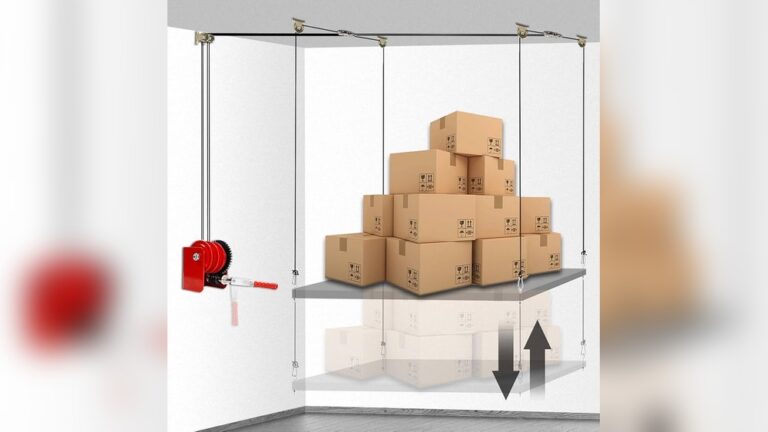
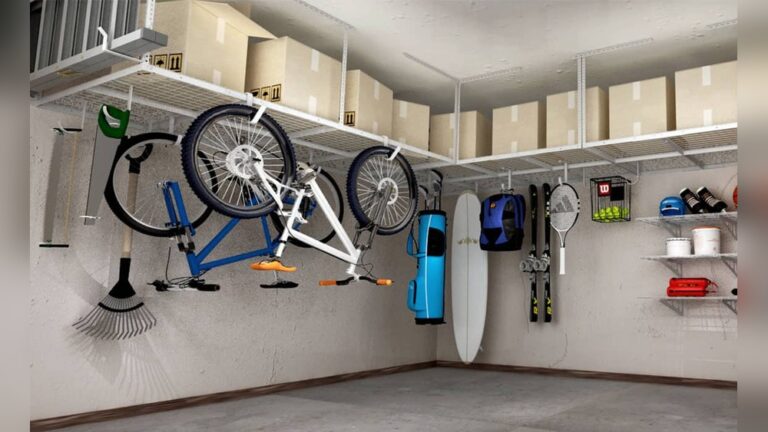
Overhead Storage
- Use ceiling racks for things you use rarely, like holiday decorations.
- Always check weight limits. A typical ceiling rack holds 250–600 lbs.
Clear Bins
- Plastic bins: Keep dust and pests away.
- Clear bins: Help you see what’s inside without opening.
Example Storage Comparison
Here’s a simple comparison of common garage storage options:
| Storage Type | Best For | Average Cost |
|---|---|---|
| Metal Shelves | Heavy tools, bins | $60 – $150 |
| Plastic Cabinets | Chemicals, light gear | $50 – $120 |
| Pegboard | Hand tools | $20 – $70 |
| Ceiling Rack | Seasonal storage | $80 – $250 |
:strip_icc()/organized-garage-bins-paint-strips-3CKIk-xWK53B6sOjGjz5f--2000-c24c1b0d5e9c43edadb38ec109fefde1.jpg)
Credit: www.bhg.com
Smart Organizing Tips For Beginners
If you are new to organizing, these ideas will help you avoid common mistakes and build good habits.
Label Everything
Labels save time. Use a label maker or strong tape and a marker. Label bins, shelves, and drawers so you always know where things belong.
Use Vertical Space
Many people forget about wall and ceiling space. Tall shelves, hooks, and racks let you use the garage’s full height. This gives more floor space and helps you see items better.
Store By Frequency Of Use
- Place things you use every week (like sports gear) at eye level or near the door.
- Put rarely used items (holiday lights, camping gear) higher up or in corners.
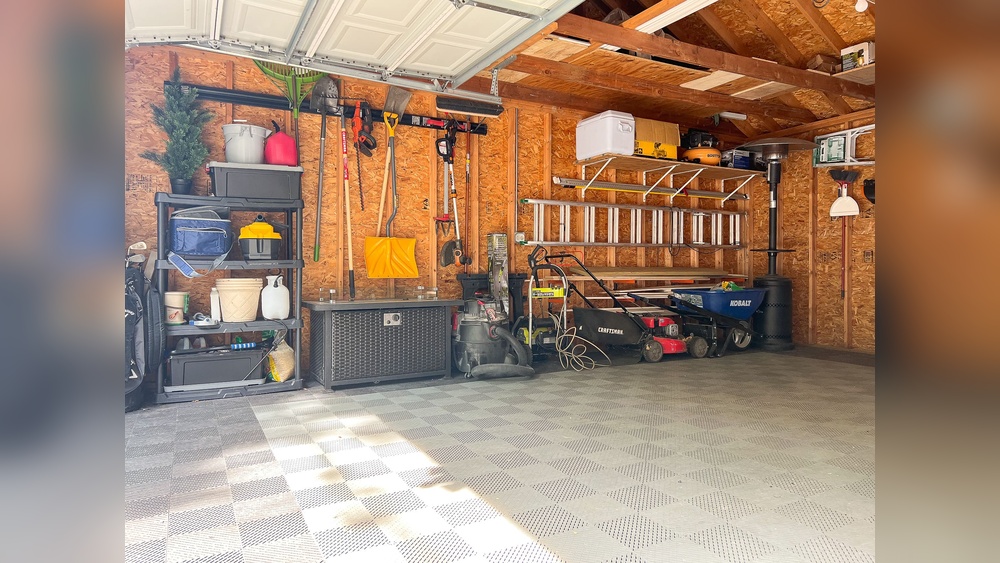
Keep The Floor Clear
Try to avoid storing things directly on the floor. This:
- Makes sweeping or cleaning easier
- Reduces moisture damage
- Prevents pests
Safety First
- Store flammable items (gasoline, paint) in special safety cabinets.
- Hang sharp tools out of children’s reach.
- Keep a clear path to the door in case of emergency.
Maintenance: Staying Organized
Getting organized is one thing. Staying organized is another. Here’s how to keep your garage tidy long-term.
Regular Cleaning
Set a schedule to check and clean your garage. For most people, every 3–6 months works well. During cleaning, look for:
- Items out of place
- Broken or unused things
- Signs of moisture or pests
Return Items After Use
Make it a rule: always put things back in their place. This prevents clutter from building up again.
Update Storage As Needed
As your needs change, adjust your storage. For example, if you start a new hobby or your kids grow, you may need to create new zones or add more shelves.
Involve The Whole Family
If everyone helps, the garage stays organized. Teach children where their bikes or toys go. Let everyone know the system.

Credit: www.youtube.com
Real-life Example: The Taylor Family
The Taylors had a very messy garage. They could not park their car, and finding tools was hard. Here’s how they organized their space:
- Decluttered on a Saturday, filling two carloads to donate.
- Measured the garage and planned four zones: Tools, sports, storage, and garden.
- Bought three metal shelves and a pegboard.
- Labeled all bins and made a rule to put things back.
- Now, they park their car inside and find everything in minutes.
After 6 months, their garage is still tidy. They spend less time searching for things and enjoy more space.
Common Mistakes To Avoid
Many beginners fall into these traps. Knowing them saves time and money.
1. Buying Storage Before Decluttering
You may buy too much or not the right kind.
2. Not Using Labels
Without labels, items get misplaced.
3. Ignoring Vertical Space
Walls and ceilings are valuable for storage.
4. Storing Dangerous Items Carelessly
Chemicals and tools need safe, secure places.
5. Letting Clutter Return
Maintenance is key to staying organized.
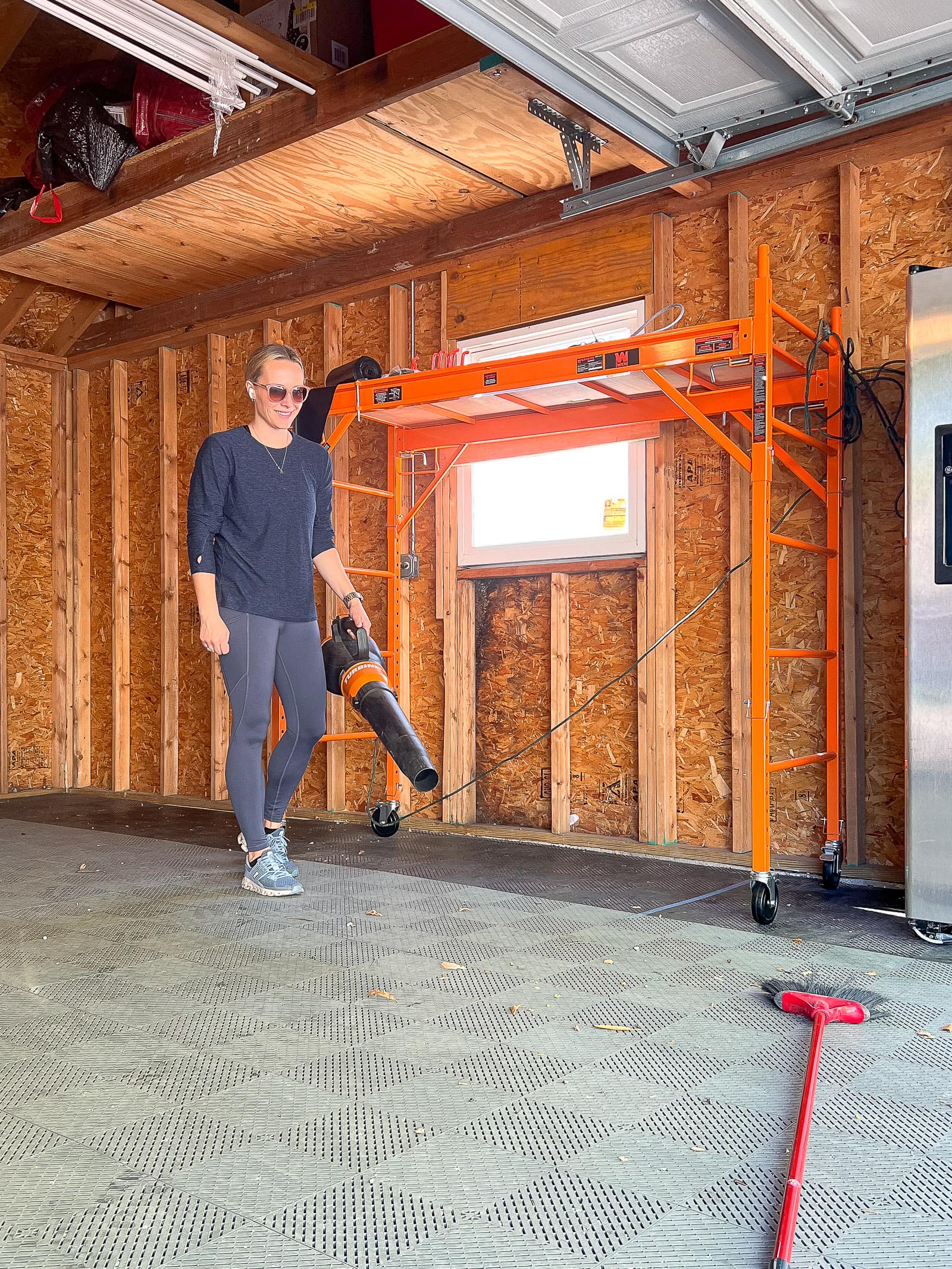
Credit: thediyplaybook.com
How Much Does Garage Organization Cost?
Costs can vary. Here are some average prices:
| Item | Low Cost | High Cost |
|---|---|---|
| Shelves (metal/plastic) | $40 | $200 |
| Cabinets | $60 | $350 |
| Pegboard & hooks | $20 | $100 |
| Clear plastic bins | $5 | $20 each |
| Overhead rack | $80 | $250 |
A full garage makeover often costs $300–$1,000 if you do it yourself. Hiring a professional can cost $1,500–$3,000.
Helpful Resources
Many home improvement stores offer free design tools. You can also find step-by-step guides and storage ideas online. For more details, you may visit the Family Handyman Garage Storage Guide.
Frequently Asked Questions
How Do I Start Organizing My Garage If It Is Very Messy?
Start by removing everything from the garage. Sort items into groups: keep, donate, or throw away. Do not buy storage until you know what you will keep. This first step makes the rest of the job much easier.
What Is The Best Storage For A Small Garage?
Use vertical space: wall shelves, hooks, and ceiling racks. Choose clear bins for small items. Keep the floor as open as possible to make the garage look bigger and easier to clean.
How Often Should I Clean And Organize My Garage?
Check your garage every 3–6 months. This keeps clutter from building up. Regular cleaning also helps you spot damage or pests early.
Can I Organize My Garage On A Low Budget?
Yes. Use simple solutions like recycled boxes, basic hooks, and homemade shelves. You do not need fancy systems. The key is a good plan and regular upkeep.
What Should I Not Store In The Garage?
Avoid keeping food, important papers, or electronics in the garage. Also, store flammable or hazardous items in special cabinets. This keeps your garage safe and your items in good condition.
A clean, organized garage makes life easier and your home more valuable. With a little effort and smart choices, you can enjoy a tidy space that works for your whole family. Start small, keep it simple, and remember: the best system is the one you will use every day.