
The NASCAR Garage 56 Le Mans project brought American stock car racing to the heart of France’s most legendary endurance event: the 24 Hours of Le Mans. This bold mission was more than just a race. It was a bridge between two racing worlds, a showcase of innovation, and a celebration of motorsport history. For many, it raised lots of questions. What is Garage 56? Why did NASCAR go to Le Mans? And what made this project special? This article answers these questions and gives a clear, beginner-friendly look at all 56 key aspects of NASCAR’s Garage 56 entry.
What Is Nascar Garage 56?
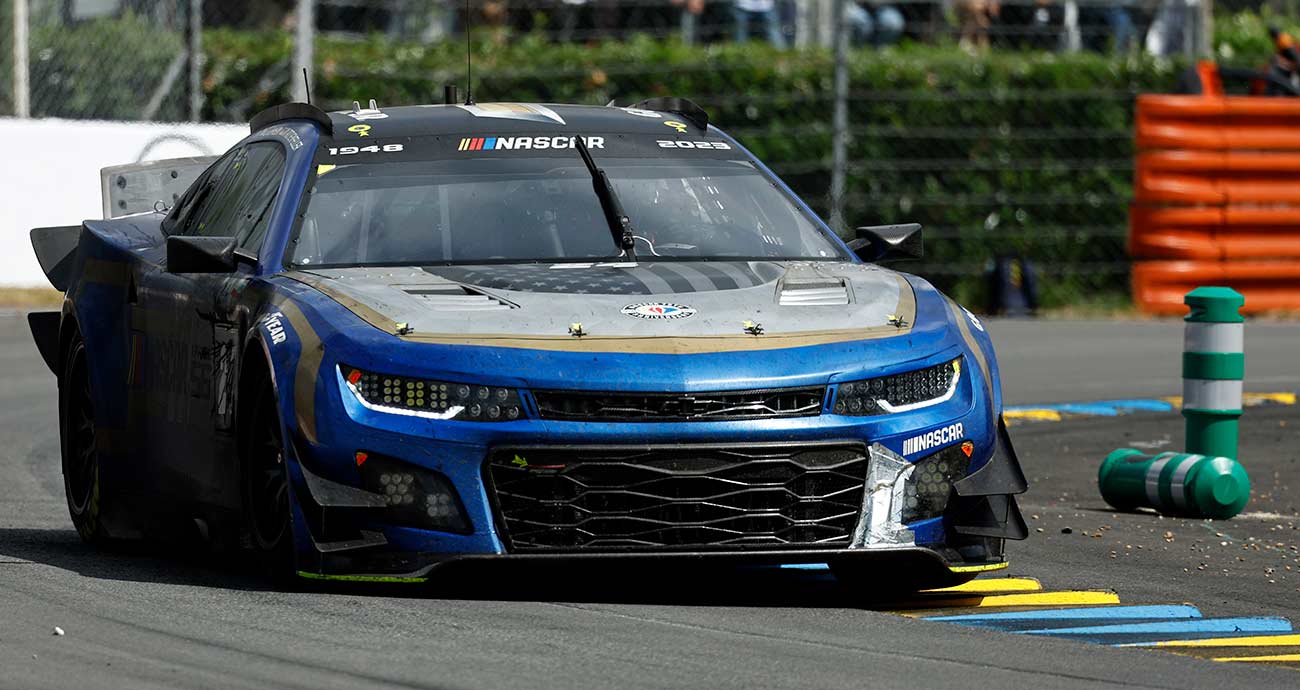
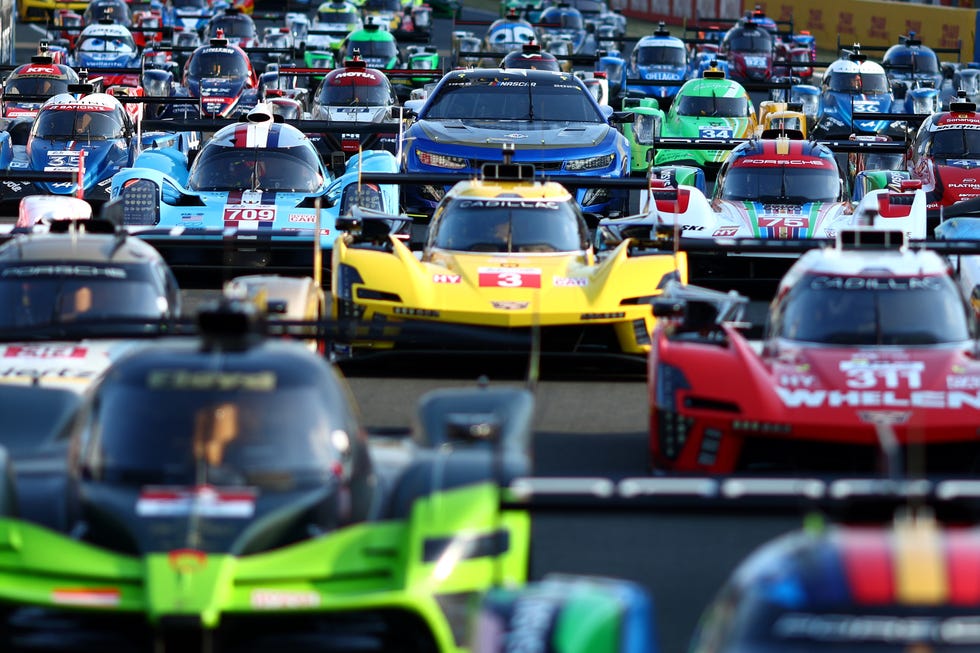
The Garage 56 slot at Le Mans is special. Each year, the Automobile Club de l’Ouest (ACO), which organizes Le Mans, invites one experimental car. This car is outside the usual rules. The goal is to show new technology, creative ideas, or something unique that does not fit in the normal classes.
In 2023, NASCAR was chosen for Garage 56. Their mission: take a modern stock car, make it ready for a 24-hour endurance race, and show what American racing can do on a global stage.
Why Did Nascar Go To Le Mans?
- To celebrate NASCAR’s 75th anniversary.
- To show NASCAR’s technology and racing style.
- To connect with European fans and media.
- To test their cars in one of the world’s toughest races.
- To honor American racing history.
How Was The Garage 56 Car Built?
NASCAR teamed up with Hendrick Motorsports, Chevrolet, Goodyear, and IMSA to create a unique car. It started as a Chevrolet Camaro ZL1 from NASCAR’s Next Gen Cup Series but got many upgrades for Le Mans.
Key Upgrades
- Improved aerodynamics for high speeds.
- Brighter headlights for night racing.
- Stronger brakes for long runs.
- A larger fuel tank for fewer pit stops.
- Lighter materials to reduce weight.
Who Drove The Garage 56 Car?
Three experienced drivers took turns behind the wheel:
- Jimmie Johnson: Seven-time NASCAR Cup champion.
- Jenson Button: Formula 1 World Champion.
- Mike Rockenfeller: Le Mans winner and sports car expert.

Credit: worldofeuronascar.com
56 Key Aspects Of Nascar Garage 56 Le Mans
Below are all 56 major elements that defined the project—from design, team, and race performance, to technology and media impact.
1. Special Invitation
The team did not compete for an official class win. Instead, they joined as an experimental entry.
2. Car Model
A modified Chevrolet Camaro ZL1 Next Gen chassis was used.
3. Team Leadership
Hendrick Motorsports managed the entry, led by Rick Hendrick.
4. Technical Partners
IMSA and Goodyear were key technical partners.
5. Unique Livery
The car wore a special blue, white, and gold livery with Garage 56 logos.
6. Fia Homologation
The car was specially approved for Le Mans, not for regular WEC competition.
7. Aerodynamic Package
A larger rear wing and unique diffuser improved stability.
8. Weight Reduction
Extra parts were removed. The car was about 300 pounds lighter than a regular Cup car.
9. Headlights
Upgraded LED headlights gave better night vision.
10. Suspension
Suspension was adapted for smooth Le Mans tarmac, not bumpy ovals.
11. Brakes
Big carbon brakes were installed for repeated heavy stops.
12. Wheels And Tires
Goodyear developed special tires for the car’s unique weight and power.
13. Transmission
A 5-speed sequential gearbox, different from the Cup Series, helped with endurance.
14. Fuel Tank
Capacity increased to nearly 32 gallons for longer stints.
15. Roll Cage
A reinforced cage met Le Mans safety rules.
16. Data Systems
Advanced telemetry sent real-time data to engineers.
17. Onboard Cameras
Multiple cameras gave fans and officials live views.
18. Pit Equipment
NASCAR-style pit guns were used, but with endurance tweaks.
19. Driver Changes
Quick-release seat belts and steering wheel sped up driver swaps.
20. Cooling System
A larger radiator and extra air ducts kept the engine cool.
21. Steering
Power steering was tuned for long stints and comfort.
22. Rearview Cameras
Digital rearview screens replaced mirrors for better visibility.
23. Engine
A naturally aspirated V8 produced about 750 horsepower.
24. Exhaust
A quieter exhaust system met ACO noise rules.
25. Differential
A special differential improved cornering on mixed tracks.
26. Fuel Type
98-octane racing gasoline was used, matching WEC standards.
27. Fire Safety
Upgraded fire suppression met strict Le Mans standards.
28. Refueling Rig
A fast-fill rig was built for Le Mans fuel flow rates.
29. Logistics
A full support team handled transport, food, and supplies for 24 hours.
30. Spare Parts
Extra gearboxes, engines, and body panels were on hand.
31. Practice Sessions
The team ran multiple test days at US tracks before shipping to France.
32. Balance Of Performance
ACO set special “BoP” limits on power and weight.
33. Rain Tires
Goodyear brought special rain tires for Le Mans weather.
34. Night Driving
Drivers practiced night runs to adjust to long dark stints.
35. Cooling Suits
Drivers wore special suits with water cooling for comfort.
36. Nutrition Planning
A sports nutritionist designed meal plans for drivers during the race.
37. Pit Crew
A mix of NASCAR and sports car experts staffed the pit box.
38. Spotters
Spotters worked in the grandstands, not just on pit road.
39. Communication
A dual-radio system allowed instant talk between drivers and crew.
40. Race Control
An extra engineer monitored the car’s data for early warning of problems.
41. Tire Sensors
Wireless tire temperature and pressure sensors sent data to the pit wall.
42. Lap Times
The car’s fastest lap in qualifying was close to some GTE cars.
43. Top Speed
The Camaro reached about 190 mph (305 km/h) on the Mulsanne Straight.
44. Driver Rotation
Each driver did triple stints (about 3 hours at a time).
45. Pit Stop Time
A typical stop for fuel and tires was around 55 seconds.
46. Race Position
The car ran ahead of most GTE-Am cars for much of the race.
47. Reliability
Despite minor issues, the Camaro finished the race, a big achievement.
48. Crowd Reaction
Fans cheered the loud V8 sound and unique look.
49. Media Coverage
Global news outlets covered the project, boosting NASCAR’s global profile.
50. Social Media
Highlights and behind-the-scenes content reached millions.
51. Technical Learning
Engineers gathered new data on durability and performance.
52. International Partnerships
The project strengthened ties between US and European racing.
53. Future Technology
Some lessons may shape future NASCAR Cup cars.
54. American Pride
The entry carried the US flag and celebrated American racing heritage.
55. Rule Adaptation
The team learned to mix NASCAR and Le Mans rulebooks.
56. Legacy
Garage 56 inspired talk about future crossovers and global races.
Performance Data Comparison
To see how the NASCAR Garage 56 car stacked up against other Le Mans entries, here’s a comparison:
| Car | Class | Top Speed (mph) | Fastest Lap (minutes:seconds) |
|---|---|---|---|
| Garage 56 Camaro | Experimental | 190 | 3:50.5 |
| Ferrari 488 GTE | GTE-Am | 184 | 3:51.0 |
| Toyota GR010 | Hypercar | 210 | 3:24.0 |
The Camaro was faster than some GTE cars and impressed many experts.
Credit: www.nascar.com
Race Stint And Driver Data
A look at how long each driver spent in the car and their average pace:
| Driver | Total Drive Time (hrs) | Average Lap Time (min:sec) |
|---|---|---|
| Jimmie Johnson | 8 | 3:52.2 |
| Jenson Button | 8 | 3:51.8 |
| Mike Rockenfeller | 8 | 3:51.6 |
All three drivers kept a steady, competitive pace over the 24-hour race.
What Made Garage 56 Unique?
- The car was much heavier and louder than most Le Mans cars.
- It raced outside the usual classes, so its main goal was to finish, not to win.
- The mix of NASCAR and sports car engineers created new solutions.
- Fans from the US and Europe cheered together for the same car.
Two Insights Beginners Often Miss
- Garage 56 is not about winning. Many think every car at Le Mans fights for a trophy. Garage 56 is about testing ideas, not chasing class wins. Finishing the race is a victory.
- Endurance racing requires teamwork. NASCAR is famous for short races and fast pit stops. Le Mans is about long-term strategy, driver health, and car survival. This project taught both sides new lessons.
Practical Tips For Fans
- Watch onboard videos to see how drivers handle long stints at night.
- Follow official Le Mans and NASCAR social accounts for updates on future Garage 56 projects.
- Visit Wikipedia for a deeper history of Garage 56 experiments.
Credit: www.roadandtrack.com
Frequently Asked Questions
What Is Garage 56 At Le Mans?
Garage 56 is a special entry at the 24 Hours of Le Mans for experimental cars. These cars use new technology or unique designs that do not fit the regular classes.
Why Did Nascar Enter Le Mans In 2023?
NASCAR wanted to celebrate its 75th anniversary and show American racing at an international event. Le Mans is the world’s most famous endurance race, making it the perfect stage.
How Did The Garage 56 Camaro Perform In The Race?
The Camaro completed the race and finished ahead of most GTE-Am cars for many hours. It had a few small repairs but proved very reliable.
Who Drove The Garage 56 Car?
Jimmie Johnson, Jenson Button, and Mike Rockenfeller drove the car. Each has won in different racing types, bringing a mix of skills.
Will Nascar Return To Le Mans In The Future?
There is no official plan yet, but the project’s success has started talks about more Garage 56 or international events for NASCAR.
The Garage 56 Le Mans project was a bold experiment that brought fresh energy and excitement to both NASCAR and global motorsport. It proved that with teamwork, innovation, and a love for racing, new challenges can create unforgettable moments. This was not just a race; it was a story of what’s possible when traditions meet new ideas.