
What Is Automatic Garage Door Lock
For many homeowners, the garage is more than just a place to park a car. It stores tools, bikes, and sometimes even acts as a main entrance. With so much at stake, garage security is a real concern. That’s where the automatic garage door lock comes in. This clever device adds another layer of protection, making it harder for thieves to break in. But what exactly is it, how does it work, and why is it becoming so popular? Let’s break it all down in clear, simple language.
Understanding The Basics: What Is An Automatic Garage Door Lock?
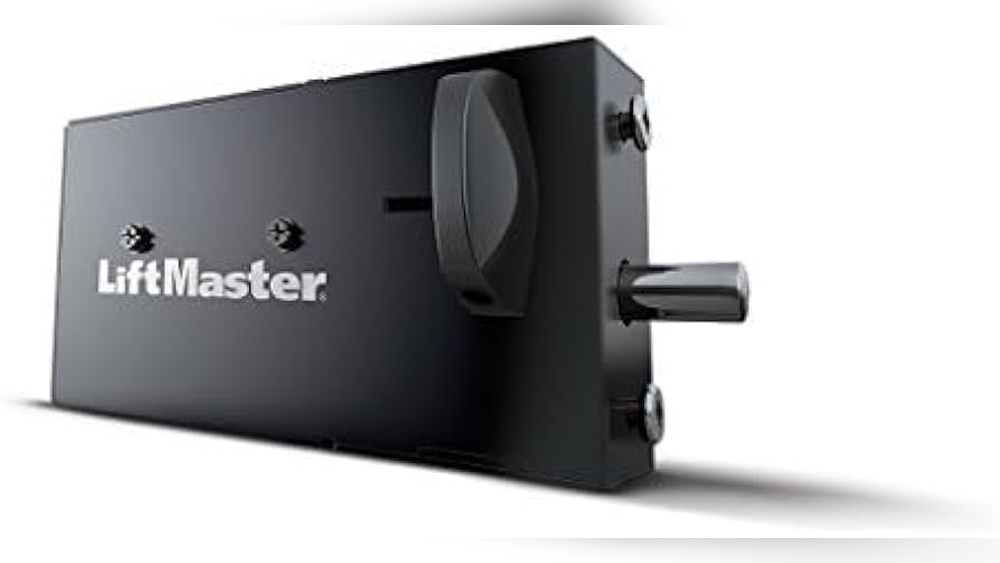
An automatic garage door lock is a security device that works with your garage door opener. It automatically locks the door every time you close it, and unlocks when you open it. Unlike manual locks, you don’t need to remember to secure your garage—it’s done for you.
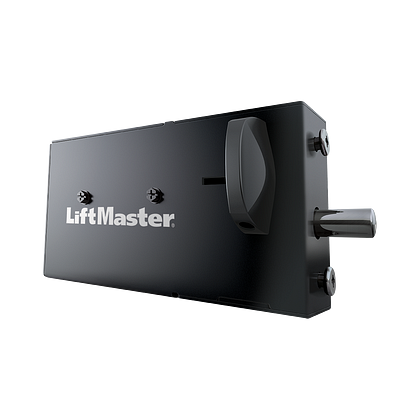
Most modern automatic locks use a deadbolt mechanism. This means a strong metal bar slides into place, making it very difficult to force the door open from outside. Some newer locks even use smart technology, letting you control them with your phone or check their status remotely.
How Does It Differ From A Manual Lock?
- Manual locks require you to lock and unlock them by hand.
- Automatic locks work with the door opener. They lock and unlock every time you use the opener, so you don’t need to do anything extra.
- Automatic locks are usually stronger and more secure than basic manual slide locks.
Why Homeowners Are Choosing Automatic Garage Door Locks
Security is the main reason. But there are other benefits too:
- Peace of mind: No need to wonder if you forgot to lock the garage.
- Convenience: Everything is automatic. You don’t have to remember extra steps.
- Stronger protection: Many break-ins happen through the garage. Automatic locks make forced entry much harder.
- Smart features: Some locks send alerts to your phone or work with home automation systems.
Credit: www.cnet.com
How Does An Automatic Garage Door Lock Work?
The process is simple, but effective:
- When you close your garage door with the opener, the lock automatically activates.
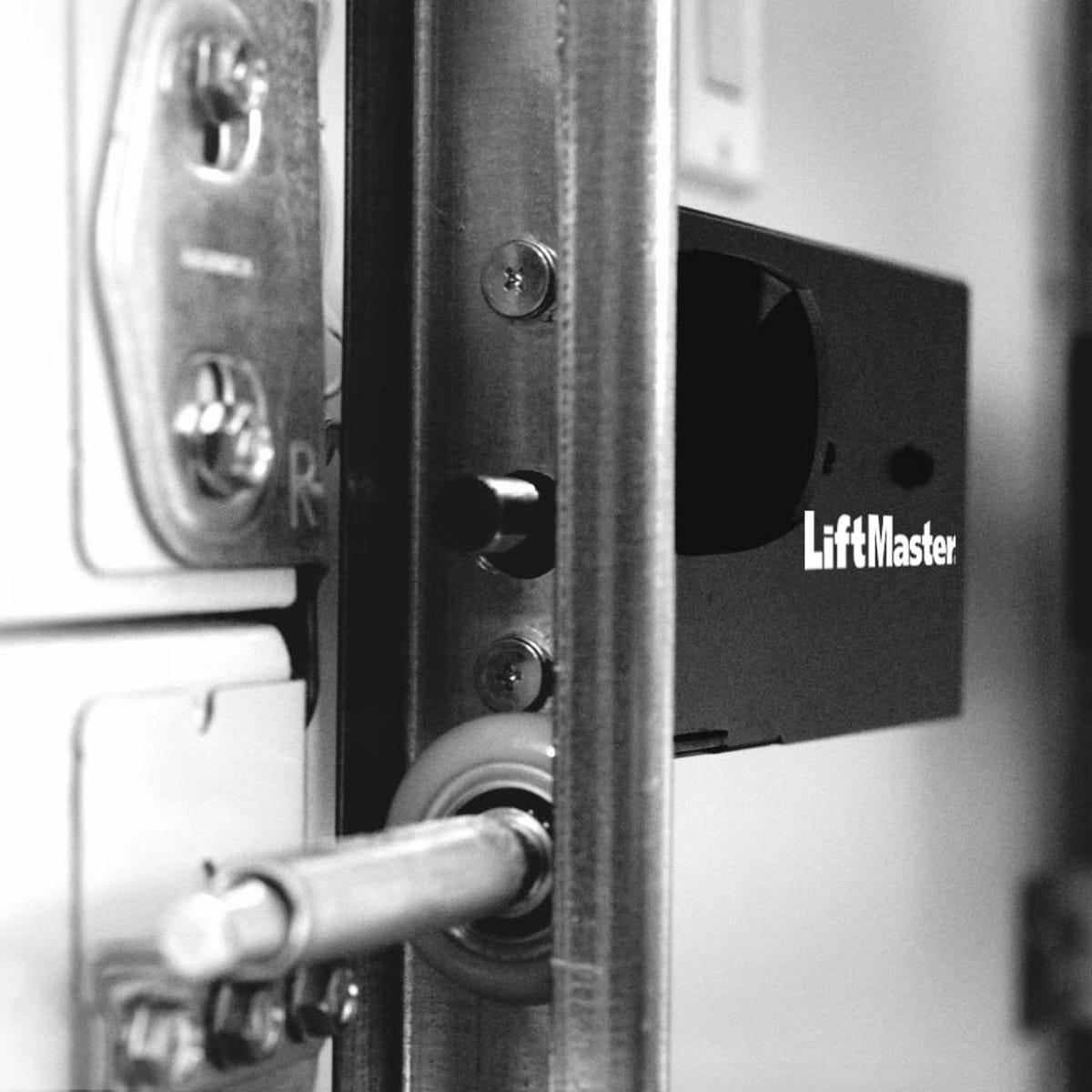
- A heavy-duty deadbolt or latch slides into a reinforced part of the door track or frame.
- When you open the door, the lock disengages so the door can lift.
- Many systems have sensors to make sure the door is fully closed before the lock engages.
Here’s a typical sequence:
- You press the garage door remote.
- The door closes.
- The system checks if the door is closed all the way.
- The lock activates.
- When you open the door, the lock releases.
Key Features Of Automatic Garage Door Locks
Not every automatic lock is the same. Here are the most important features to look for:
- Compatibility: Works with your current garage door opener.
- Strong materials: Usually made from steel or other tough metals.
- Smart connectivity: Some locks connect to Wi-Fi or Bluetooth.
- Safety sensors: Prevent the lock from engaging if something is in the way.
- Battery backup: Keeps working during a power outage.
Types Of Automatic Garage Door Locks
Automatic locks come in a few main types. Here’s a comparison:
| Type | Main Mechanism | Best For | Smart Features |
|---|---|---|---|
| Deadbolt Lock | Slides a steel bolt into frame | Maximum security | Some models |
| Latching Lock | Latches onto the door rail | Standard protection | Few models |
| Smart Lock | Deadbolt or latch, plus app control | Tech-savvy users | Yes |
Deadbolt locks are the most secure. Smart locks add convenience, but may cost more.
Are Automatic Garage Door Locks Worth It?
For many people, the answer is yes. Here’s why:
- About 9% of burglars enter through the garage, according to FBI crime data.
- Many standard garage doors can be forced open in less than 10 seconds with basic tools.
- Automatic locks resist this type of attack by adding a physical barrier.
For homes with attached garages, the lock also protects the door into the house. Insurance companies sometimes even offer discounts for extra security features like automatic garage locks.

Credit: www.amazon.com
Pros And Cons At A Glance
Here’s a quick look at the main advantages and possible drawbacks:
| Pros | Cons |
|---|---|
| Automatic locking every time | Extra installation cost |
| Harder to break in | Needs compatible opener |
| Works with smart home | Possible tech issues |
| Peace of mind | May need power backup |
Installation: What To Expect
Most automatic locks are designed for DIY installation if you’re handy, but many people prefer to hire a professional. Here’s what’s involved:
- Mounting the lock on the inside of the garage door.
- Connecting wires to the garage door opener (if required).
- Setting up smart features, if the lock is app-enabled.
- Testing to make sure the lock and opener work together smoothly.
Typical installation time is about 1–2 hours. Costs can range from $80 to $200 for the lock, plus installation fees if you hire someone.
Common Mistakes To Avoid
- Buying a lock that’s not compatible with your garage door opener.
- Skipping the safety sensor setup, which can damage the door.
- Forgetting to test the lock after installation.
Automatic Garage Door Lock Vs. Traditional Locks
You may wonder if an automatic lock is really better than a manual lock. Here’s a direct comparison:
| Feature | Manual Lock | Automatic Lock |
|---|---|---|
| Ease of Use | Manual, easy to forget | Fully automatic |
| Security Level | Basic to moderate | High |
| Smart Home Integration | No | Yes (some models) |
| Price | Low | Medium to high |
The main insight: automatic locks add security without extra effort, making them ideal for busy families.
Real-world Example
Imagine Jane, who uses her garage as the main entry to her house. She sometimes forgets to lock the door at night. With an automatic garage door lock, the door locks every time she closes it. Even if she’s in a rush or her hands are full, her garage stays secure.
She can also check the lock status from her smartphone, so she never has to worry while she’s away.
What To Consider Before Buying
Not all garages need the same lock. Here’s how to choose:
- Type of garage door opener: Some locks only work with specific brands.
- Garage door material: Heavier doors may need a stronger lock.
- Smart home needs: If you want to use your phone to control the lock, choose a smart model.
- Budget: Prices vary. Basic locks are affordable; smart locks cost more.
Tip: Check your garage door opener’s model number before shopping. Many manufacturers list compatible locks on their websites.
Maintenance And Troubleshooting
Automatic locks are reliable, but you should:
- Check the lock regularly for dust or debris.
- Listen for unusual noises when the lock engages.
- Test the battery (if your lock has one) every 6 months.
- If the lock stops working, check the power supply and opener connections.
If you have a smart lock, update the app and firmware as needed.
Safety And Emergency Use
A good automatic garage door lock has a manual release. This lets you open the door from inside if there’s a power outage or emergency. Always know where this release is and make sure all family members can use it.
Important: Never disconnect the lock while the door is open, as this can cause damage.
Integration With Smart Home Systems
Many new locks connect with popular smart home platforms like Amazon Alexa, Google Home, or Apple HomeKit. This allows you to:
- Lock or unlock the garage door from your phone.
- Get alerts if the door is left open.
- Set up routines (like locking the door at night automatically).
These features make life easier, but always use strong passwords and secure your Wi-Fi.
Environmental Impact And Energy Use
Automatic locks use very little electricity. Most models use less than 5 watts on standby. Battery-powered models are efficient and need battery changes only once a year.
Extra Insights Beginners Often Miss
- Garage door openers alone do not “lock” the door—they just keep it closed. Without an extra lock, the door can be forced open.
- Insurance savings: Some providers lower premiums if you add certified security devices, including automatic locks. Always ask your agent.
For more technical details about how garage doors work, you can visit the Garage Door Opener Wikipedia page.
Credit: www.liftmaster.com
Frequently Asked Questions
What Happens If There Is A Power Outage?
Most automatic garage door locks have a manual release feature. This lets you unlock the door from inside, even if there’s no power. For smart locks, some models have battery backups to keep working during outages.
Are Automatic Garage Door Locks Safe For Children?
Yes, as long as the lock is installed properly and includes safety sensors. These sensors prevent the lock from engaging if something is blocking the door. Always explain the manual release function to your family.
Will An Automatic Lock Fit My Old Garage Door?
Many locks are designed to fit most standard garage doors, but it’s important to check compatibility with your opener model. Some older doors may need small modifications.
Can I Install An Automatic Garage Door Lock Myself?
If you’re comfortable with basic tools and following instructions, DIY installation is possible. However, if your lock integrates with smart home systems or wiring, consider hiring a professional.
Does An Automatic Garage Door Lock Really Stop Break-ins?
No lock can stop every break-in, but a deadbolt-style automatic lock adds a strong layer of protection. It makes forced entry much harder and is a real deterrent for most thieves.
—
Adding an automatic garage door lock is a smart way to boost your home’s security and convenience. With easy operation, strong protection, and smart features, it’s a simple upgrade that brings lasting benefits. Whether you’re looking for peace of mind or integrating with your smart home, this device can make a real difference in how you protect your garage and home.