
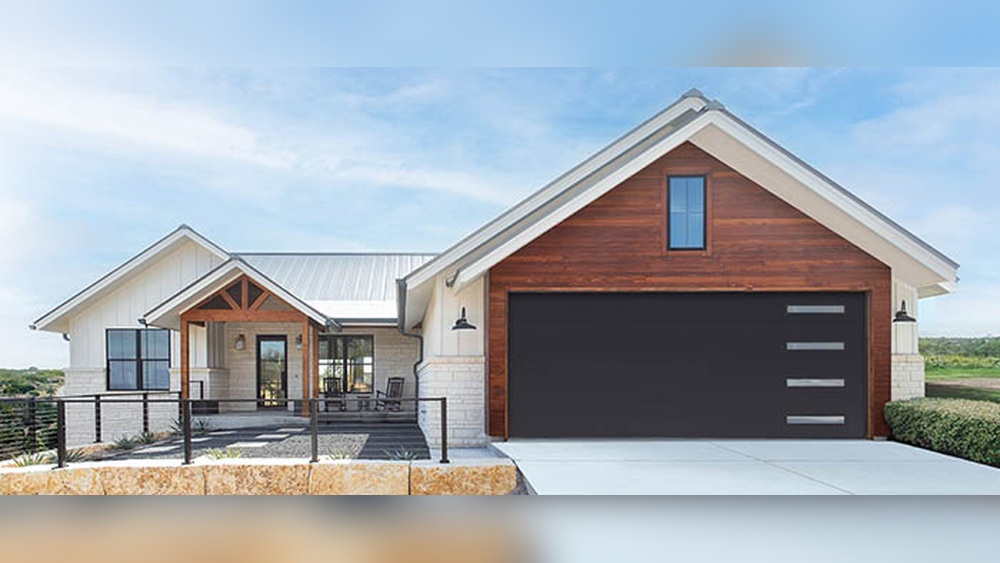
A new garage door is more than just an upgrade for your home’s appearance. It can improve security, boost energy efficiency, and even increase your property value. But how much does a new garage door really cost? For many homeowners, the price can be confusing because there are so many options and factors. In this article, you’ll learn what affects the price, real-world price ranges, and how to budget for your next garage door—explained simply, step by step.
Average Cost Of A New Garage Door
When people ask, “How much is a new garage door?” the answer varies. On average in the US, a new garage door (including basic installation) costs between $600 and $2,500. However, high-end or custom doors can reach $10,000 or more. Most homeowners spend about $1,200 to $1,800 for a standard, installed door.
The final price depends on:
- Size of the door
- Material
- Style
- Insulation
- Labor and installation
- Extra features
Let’s break down what each factor means for your budget.
Key Factors That Affect Garage Door Cost
1. Garage Door Size
Garage doors come in several sizes. The most common sizes are:
- Single car: 8-9 feet wide by 7-8 feet high
- Double car: 16 feet wide by 7-8 feet high
Bigger doors cost more. For example:
- Single door: $600 – $1,500 installed
- Double door: $1,200 – $2,800 installed
If you need a special size (extra tall for an RV, or custom width), expect to pay more.
2. Material Type
Garage doors are made from different materials. Each has a different price and look.
| Material | Typical Price Range (Installed) | Pros | Cons |
|---|---|---|---|
| Steel | $700 – $2,000 | Durable, low maintenance | Can rust if not coated |
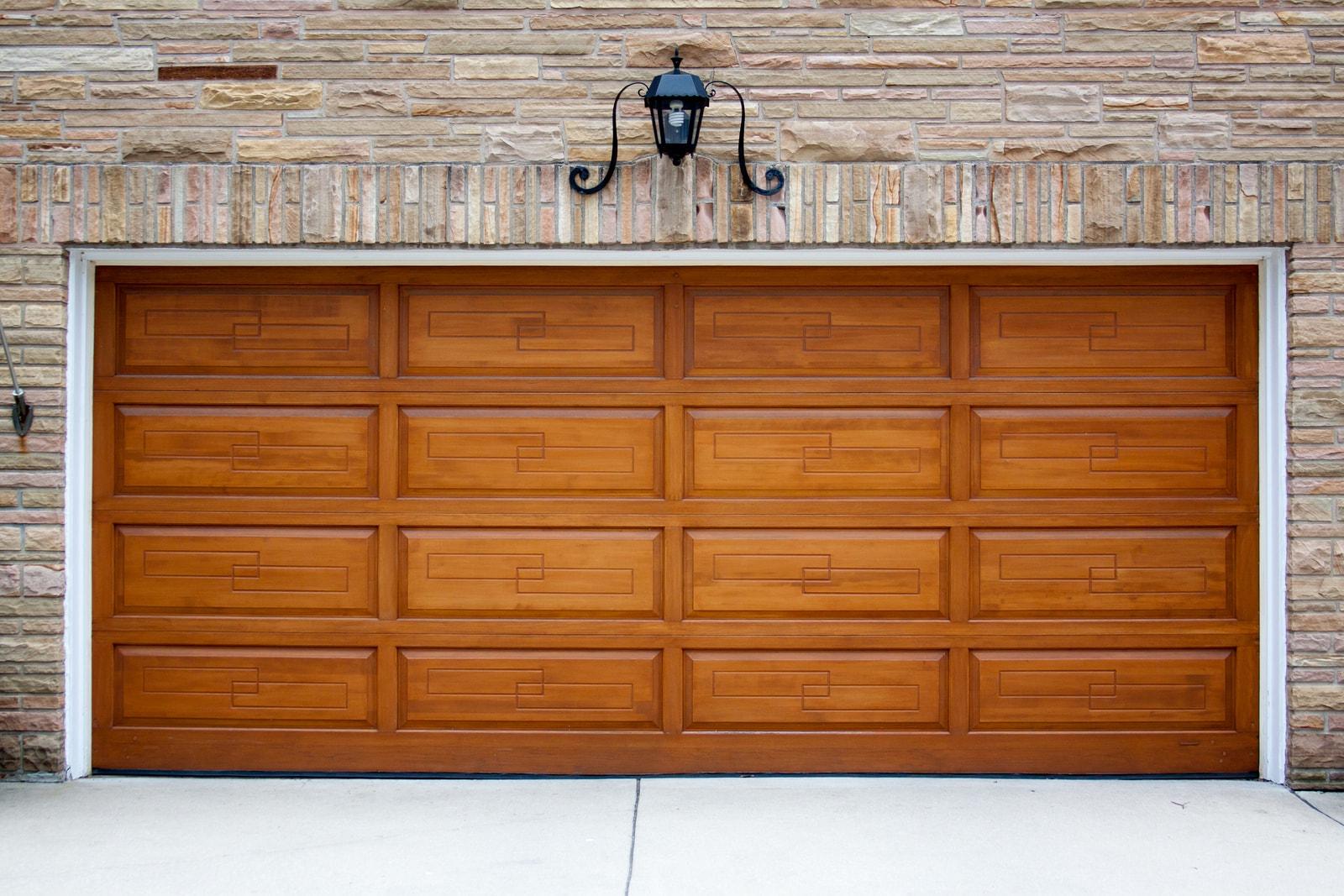
| Wood | $1,200 – $4,000 | Beautiful, classic look | Needs regular upkeep |
| Aluminum | $800 – $2,500 | Lightweight, resists rust | Can dent easily |
| Fiberglass | $1,000 – $2,100 | Resists salt-air, won’t warp | Can crack in cold weather |
| Vinyl | $900 – $1,500 | Low maintenance, durable | Limited styles, color fades |
Steel is the most popular choice for US homeowners because it balances price and durability.
3. Style And Design
The design you pick affects your budget:
- Traditional raised-panel: Most affordable, standard look
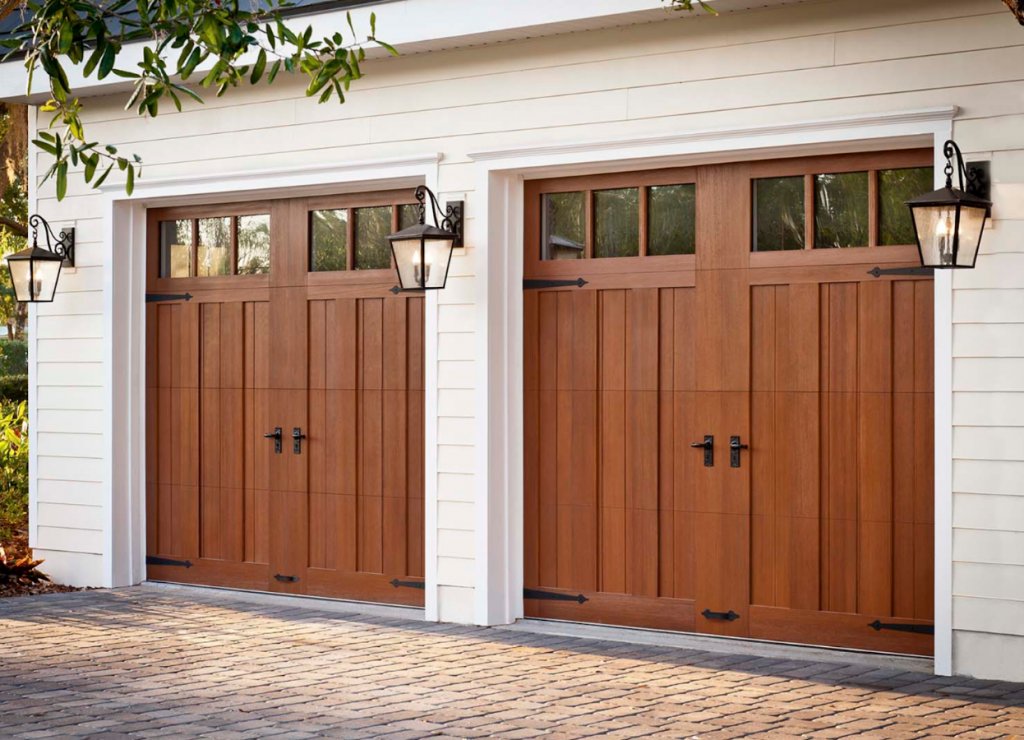
- Carriage house: Classic, decorative, more expensive
- Modern/Contemporary: Sleek lines, glass panels, often costs more
- Custom designs: Highest price tag, made to fit your taste
Decorative windows, special hardware, or paint colors can increase costs by $200–$800 extra.
4. Insulation
An insulated garage door helps keep your garage warmer in winter and cooler in summer. It can also make your home quieter and save energy. Insulation adds $150–$600 to the price, but may lower your energy bills.
There are two main insulation types:
- Polystyrene panels (basic, less expensive)
- Polyurethane foam (better insulation, higher cost)
5. Installation And Labor
Professional installation is recommended for most homeowners. Labor costs are usually $200–$500, depending on complexity. If your old door needs to be removed, or if new tracks or openers are required, costs will be higher.
Pro tip: Sometimes, companies offer “installation included” deals, but check what’s really included—removal of the old door and disposal may cost extra.
6. Additional Features
You can add extras to your garage door, such as:
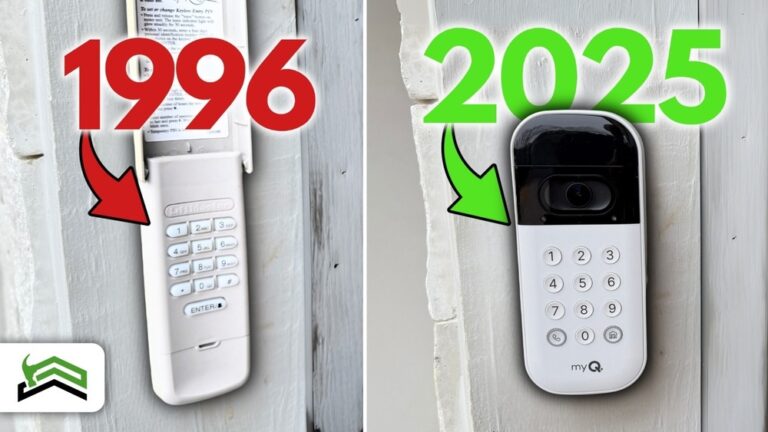
- Smart openers (Wi-Fi or smartphone control): $200–$500
- Keypads and remotes: $50–$100
- Heavy-duty springs: $50–$150
- High-wind reinforcement: $100–$500
Every add-on increases the total price. Decide what features you really need.
Price Examples: Real-world Scenarios
To make things clearer, here are examples of what different budgets can buy:
- Budget Option
- 9’ x 7’ steel, uninsulated, no windows
- Basic opener, standard install
- Total: $700 – $1,000
- Mid-Range Option
- 16’ x 7’ insulated steel, with windows
- Smart opener, professional install
- Total: $1,800 – $2,500
- Premium Option
- Custom wood or glass, fully insulated, decorative hardware
- Smart features, custom paint
- Total: $3,500 – $7,000+
These examples show how the price can change a lot, depending on your choices.
Common Mistakes When Budgeting For A New Garage Door
Many homeowners make errors when planning for a new garage door. Here are mistakes to avoid:
- Ignoring installation costs: The door itself is only part of the price.
- Overlooking removal fees: Disposing of your old door can cost $50–$200.
- Not considering opener compatibility: New doors sometimes need new openers or tracks.
- Choosing the cheapest option: This can mean lower quality, less security, and more repairs.
- Skipping insulation: Saving money now could mean higher energy bills later.
Always ask for a full estimate, including all labor and extra fees, before you decide.
How To Choose The Right Garage Door For Your Budget
Selecting the right garage door isn’t just about price. Here’s how to get the best value:
- Assess your needs: Do you use your garage as a workshop? Consider insulation.
- Pick the right material: Steel is affordable and strong for most homes.
- Think about style: Will a basic door fit your home’s look?
- Set a realistic budget: Factor in all possible costs, not just the door.
- Get quotes: Ask at least three companies for a detailed estimate.
Non-obvious insight: Sometimes, mid-range doors offer better long-term value than the cheapest or most expensive options. For example, a well-insulated steel door may last longer and save on energy, while costing less than wood.
Comparing Garage Door Types And Costs
To help you compare, here’s a simple look at what you get with different doors:
| Type | Appearance | Maintenance | Durability |
|---|---|---|---|
| Steel | Modern, many finishes | Low | High |
| Wood | Classic, elegant | High | Medium |
| Aluminum | Sleek, modern | Low | Medium |
| Vinyl | Simple, clean | Low | High |
Experience-based tip: If you live in a coastal area, aluminum and fiberglass resist salt damage better than steel or wood.
Do Garage Doors Add Value To Your Home?
A new garage door offers one of the best returns on investment (ROI) for home improvements. According to the “Cost vs. Value” report, a new garage door can return up to 102% of its cost in home value when selling. That means it can actually pay for itself.
Plus, a new door:
- Improves curb appeal
- Boosts security
- Cuts heating and cooling costs (if insulated)
- Reduces noise
So, while the upfront price may seem high, the benefits often outweigh the cost.
How To Save Money On A New Garage Door
If you want to spend less, try these tips:
- Buy during the off-season: Prices are often lower in winter or late fall.
- Skip unneeded extras: Focus on features you’ll really use.
- Look for rebates: Some energy-efficient doors qualify for rebates.
- Ask about warranties: Good warranties can reduce long-term costs.
- Consider simple designs: Standard styles are less expensive.
Hidden insight: Some companies offer discounts if you buy a new opener and door together. Always ask.
Credit: a1garage.com
Diy Vs. Professional Installation
Some people wonder if they can install a garage door themselves to save money. For most, professional installation is safer and more reliable. Garage doors are heavy and have strong springs that can be dangerous.
However, if you have experience and the right tools, you might save $200–$500 on labor by doing it yourself. Be honest about your skills and check your local safety codes before starting.
How To Get An Accurate Price Quote
To get a true price for your garage door, here’s what to do:
- Measure your opening: Know the exact width and height.
- Decide what material and style you want.
- Pick insulation level and features.
- Get quotes from at least 3 local companies.
- Ask for itemized breakdowns (door, labor, extras).
- Check reviews and references.
Non-obvious tip: Some companies offer free in-home estimates. Take advantage of this to get the most precise quote.
Credit: precisiondoorfresno.com
Quick Cost Comparison: Popular Us Garage Door Brands
Here’s a snapshot of what some well-known brands charge for standard doors (without installation):
| Brand | Material | Price Range |
|---|---|---|
| Clopay | Steel, Wood, Composite | $700 – $4,500 |
| Amarr | Steel, Wood | $800 – $3,800 |
| Wayne Dalton | Steel, Aluminum, Wood | $750 – $4,200 |
| Overhead Door | Steel, Aluminum | $700 – $3,000 |
Remember, these prices do not include installation, insulation, or extras.
Frequently Asked Questions
How Long Does It Take To Install A New Garage Door?
Most installations take 4 to 6 hours for a professional team. If extra work is needed (like removing the old door or fixing tracks), it can take a full day.
Is It Cheaper To Repair Or Replace A Garage Door?
If your door is only slightly damaged, repairs (like fixing springs or panels) often cost $150–$400. But if the door is old, warped, or has many problems, replacement is usually smarter and safer.
Do I Need A Permit To Install A New Garage Door?
In most US cities, you’ll need a permit for a new garage door, especially if you change the size or structure. Check your local building codes before starting.
Can I Use My Old Opener With A New Garage Door?
Sometimes yes, but not always. If your opener is old or not compatible with newer doors, you may need to upgrade. Always ask the installer before buying.
Where Can I Find More Information On Garage Door Options?
For more technical details and in-depth guides, visit the HomeAdvisor garage door cost guide.
A new garage door is a smart investment in your home’s safety, comfort, and value. With the right information, you can choose a door that fits your needs and your budget. Take your time, compare options, and don’t hesitate to ask for professional advice if you’re not sure.
Your garage door is more important than many people realize—make sure you choose wisely.
Credit: www.danddgaragedoors.com