
A 16 foot garage door is one of the most popular choices for homeowners who need wide, reliable access to their garage. If you have a two-car garage or want to store larger vehicles like trucks or SUVs, this door size offers the right balance of space, convenience, and curb appeal. Choosing the right 16 foot garage door involves more than just picking a size—it’s about understanding materials, insulation, cost, and features to make the best decision for your home.
This article gives you a clear, beginner-friendly guide to everything you need to know about 16 foot garage doors. You’ll learn about size, materials, insulation, security, design options, and more. Whether you’re replacing an old door or buying for new construction, you’ll find practical advice and data to help you make a smart choice.
1. Standard Size And Fit
A 16 foot garage door is designed to fit most two-car garages. The standard height is usually 7 or 8 feet, making it tall enough for most vehicles.
- Width: 16 feet
- Height: 7 or 8 feet (most common)
- Fits: Two average cars side by side
If you have an SUV, van, or truck, this door size gives enough room to park and open doors comfortably. Measure your garage opening before ordering to be sure, as older homes may have slightly different dimensions.
2. Material Choices
Different materials affect the look, strength, and price of your garage door. The four main options are:
- Steel: The most popular for durability and low maintenance.
- Aluminum: Lightweight and rust-resistant but can dent easily.
- Wood: Classic look but needs regular painting or staining.
- Fiberglass: Resists salt and moisture; good for coastal areas.
If you want a door that lasts and needs little care, steel is often the top pick. Wood adds charm but costs more over time due to upkeep.

Credit: www.amazon.com
3. Insulation Options
Insulation helps control your garage’s temperature and saves energy. There are three main insulation levels:
- No insulation: Cheapest, but garage gets hot or cold easily.
- Single layer (polystyrene): Basic temperature control, quieter than no insulation.
- Double or triple layer (polyurethane): Best for energy savings, noise reduction, and strength.
If you use your garage as a workshop or live in a place with extreme weather, choose a double or triple-insulated door. It will keep your garage more comfortable year-round.
4. Price Range
The cost of a 16 foot garage door depends on material, insulation, and design. Here is a comparison of typical prices:
| Material | Basic Price | Insulated Price |
|---|---|---|
| Steel | $900 – $1,400 | $1,500 – $2,500 |
| Aluminum | $1,000 – $1,700 | $1,700 – $2,700 |
| Wood | $1,500 – $3,000 | $2,500 – $4,500 |
| Fiberglass | $1,200 – $2,000 | $2,000 – $3,000 |
Tip: Installation usually adds $250–$600 to the total cost.
5. Installation Process
Installing a 16 foot garage door is not a DIY job for beginners. The door is heavy and needs special tools and knowledge.
- Professional installers measure, assemble, and fit the door.
- Springs and tracks are set up for smooth operation.
- Safety checks are done to prevent accidents.
If you’re replacing an old door, the installer will remove it and dispose of it for you. Always ask for a full estimate before starting.
6. Security Features
Garage doors are a common entry point for break-ins. Modern 16 foot garage doors offer:
- Strong locks and reinforced panels
- Automatic openers with rolling code technology (changes the code every time)
- Manual release in case of power failure
For added protection, choose a door with smart controls that let you check or close the door from your phone.
Credit: www.homedepot.com
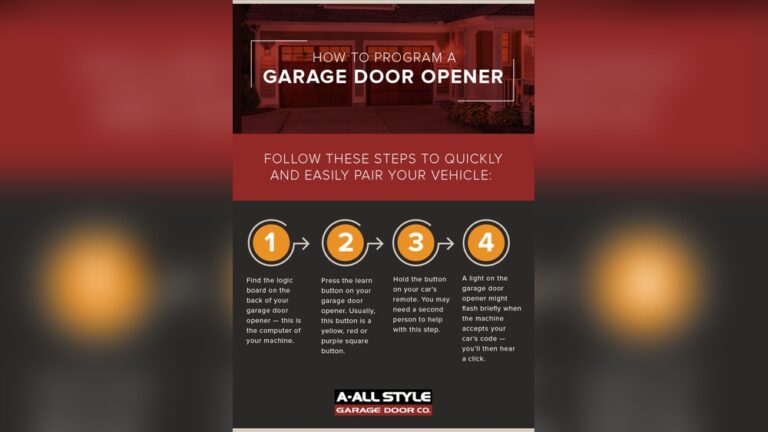
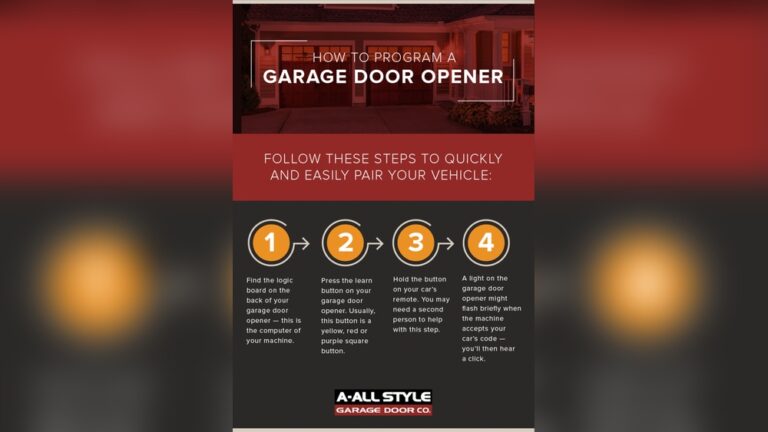
7. Opener Compatibility
A 16 foot garage door needs a powerful opener. Most openers are rated by horsepower (HP):
- 1/2 HP: May work for uninsulated doors, but often too weak
- 3/4 HP or higher: Best for insulated or heavy doors
Popular types include:
- Chain drive: Strong but noisy
- Belt drive: Quiet and smooth
- Screw drive: Good for heavy doors, needs less maintenance
If your garage is under a bedroom, choose a belt drive opener for less noise.
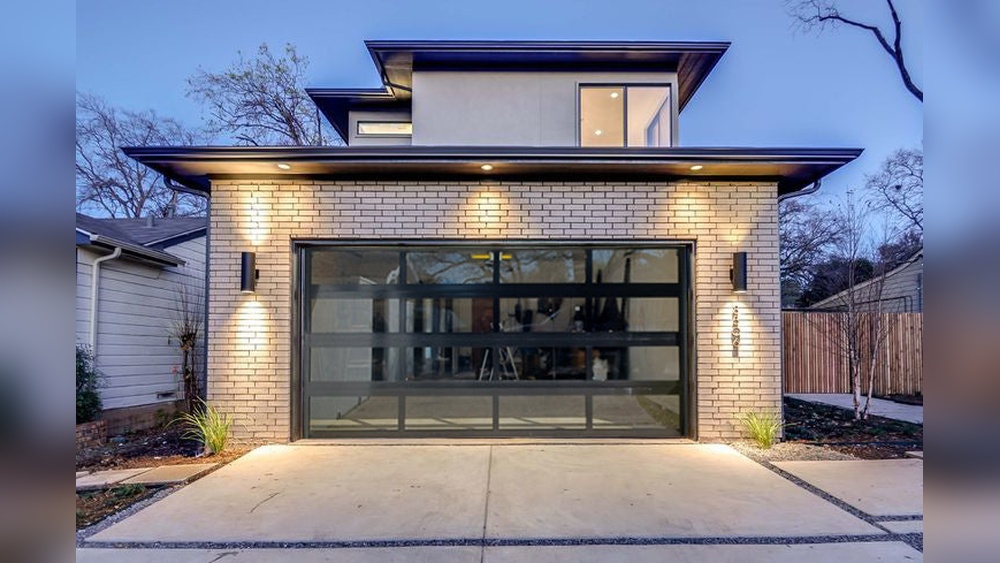
8. Design And Style Choices
A wide garage door is a big part of your home’s look. Style options include:
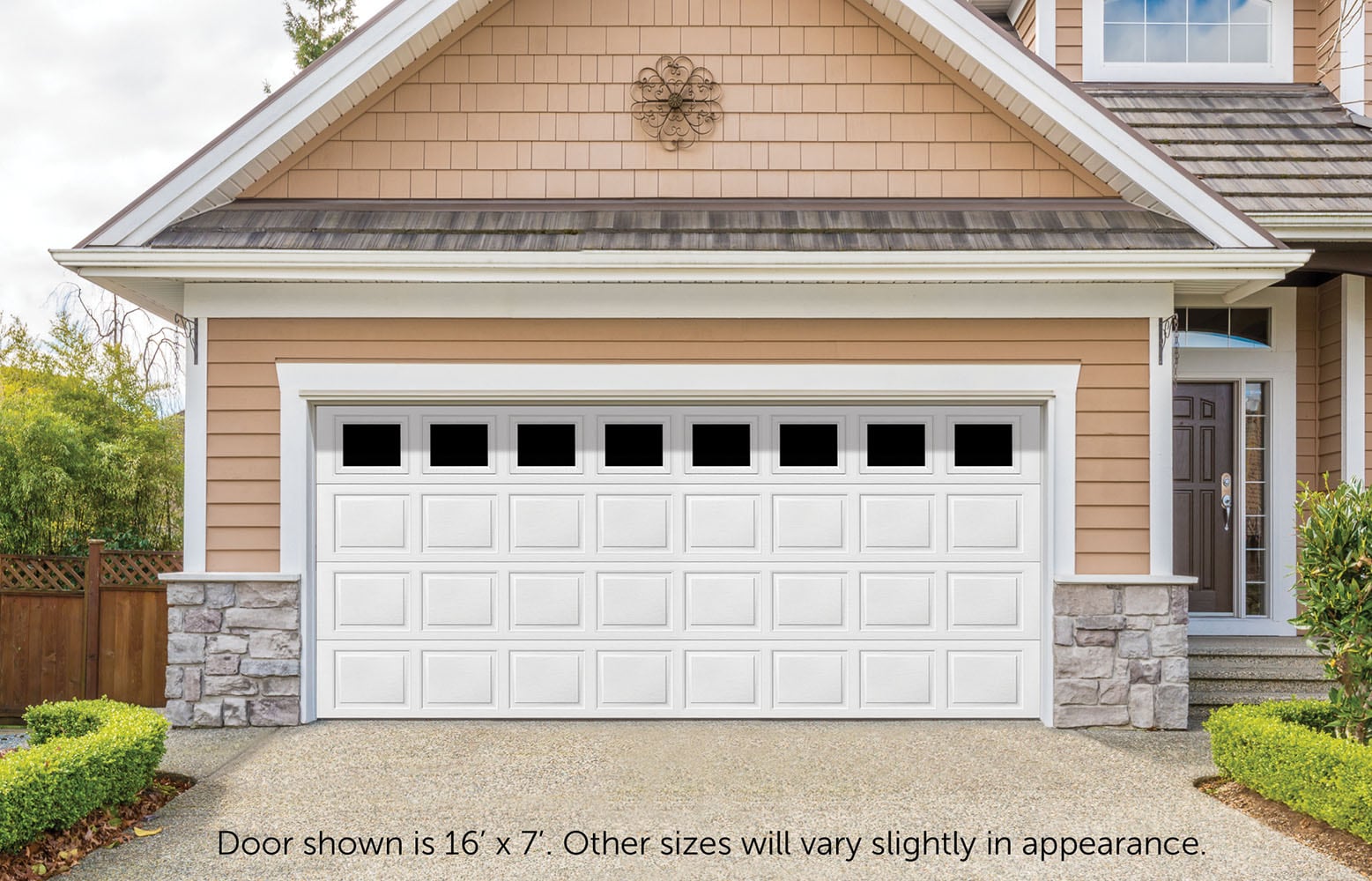
- Raised panel: Most common, simple square panels
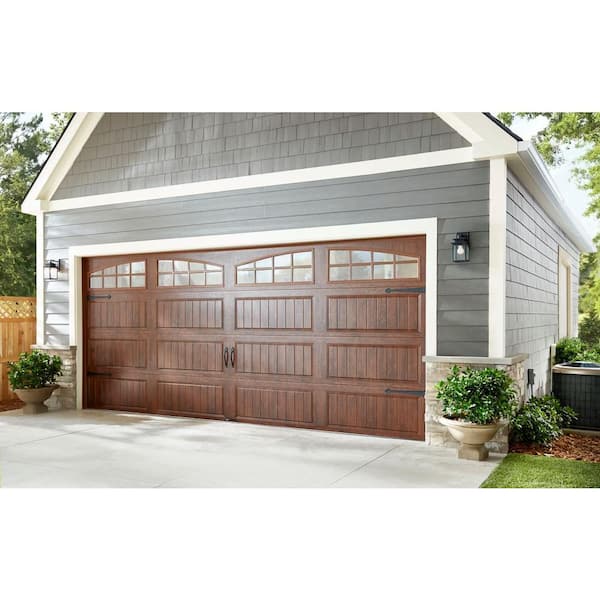
- Carriage house: Looks like old barn doors, adds charm
- Flush panel: Flat, modern look
- Windows: Add light and style
Many brands let you customize colors and hardware. Choose a style that fits your home’s design for better curb appeal.
9. Color And Finish Options
Most 16 foot garage doors come in classic colors like:
- White
- Brown
- Gray
- Beige
Some brands offer custom colors or wood-look finishes. This lets you match your door to your house or trim. Paintable doors are also available if you want a unique color.
Tip: Lighter colors hide dust and small scratches better than dark colors.
10. Weather Resistance
A large garage door faces sun, rain, and sometimes snow or hail. Good weather resistance includes:
- Rust-proof materials (steel with powder coating, aluminum, fiberglass)
- Bottom seals to block water and drafts
- Wind load reinforcement for storm areas
For homes near the coast, choose fiberglass or aluminum to avoid rust from salt air. Ask about wind-rated doors if you live in a hurricane zone.
11. Maintenance Needs
Maintenance depends on the material:
- Steel and aluminum: Wash with soap and water, check for dents
- Wood: Paint or stain every 2–3 years, look for rot
- Fiberglass: Rinse with water, check for cracks
All doors need their tracks, springs, and openers checked once a year by a pro. Lubricate moving parts twice a year for smooth operation.
12. Energy Efficiency
A 16 foot garage door can affect your home’s energy use. Insulated doors help keep hot or cold air out, which can lower your energy bills.
- Look for high R-value (insulation rating). R-12 or higher is good for cold climates.
- Seals and weatherstripping prevent air leaks.
If your garage is attached to your home or has a room above, a well-insulated door is worth the extra cost.
13. Noise Level
Wide doors can be noisy if not designed well. For a quieter door:
- Choose insulated panels (they absorb sound)
- Pick a belt drive opener
- Keep rollers and tracks well lubricated
If your garage is near bedrooms or a living room, noise control is important for comfort.
14. Safety Features
Modern garage doors include safety features to prevent accidents:
- Auto-reverse: Door goes up if it hits something
- Photo-eye sensors: Stop the door if something crosses the beam
- Manual release handle: Lets you open the door during a power cut
Test these features every few months to make sure they work. This keeps your family and pets safe.
15. Lifespan And Durability
A quality 16 foot garage door can last 15–30 years, depending on:
- Material: Steel and fiberglass last longer than wood
- Care: Regular maintenance extends life
- Usage: More cycles (up and down) means more wear
Springs and openers may need replacement sooner (every 7–10 years for springs). Choose a door with a good warranty—many offer 10 years or more on parts.
16. Resale Value And Curb Appeal
Garage doors are a top home improvement for return on investment. According to the Remodeling 2023 Cost vs. Value Report, replacing your garage door can return up to 102% of the cost when selling.
- New doors make your house look modern and well-cared for
- Custom designs and windows attract buyers
- Insulated doors are a selling point in cold or hot climates
A new 16 foot garage door is one of the best upgrades for both function and style.
Credit: www.lowes.com
Comparison: Insulation And Energy Savings
To show how insulation affects energy use, see the example below:
| Garage Door Type | Estimated Energy Savings | Best For |
|---|---|---|
| No insulation | 0% | Detached garages, mild climates |
| Single-layer insulation | 10-15% | Standard garages, most climates |
| Double-layer insulation | 20-25% | Workshops, attached garages |
Real-world Example
Suppose a family in Chicago installs a new insulated 16 foot steel garage door with windows. Their garage is attached, and the old door had no insulation. After the upgrade, they notice:
- The garage is warmer in winter and cooler in summer
- Noise from the street is reduced
- The new door needs less maintenance
They also find their heating bill drops by about 8% each winter—small, but adds up over time.
Common Mistakes To Avoid
- Choosing the wrong material: Pick based on your climate and maintenance ability.
- Skipping insulation: Saves money up front but costs more in energy and comfort.
- Under-sizing the opener: A weak opener struggles with a wide, heavy door.
- Ignoring professional installation: DIY mistakes can cause injury or damage.
- Neglecting maintenance: Simple checks prevent expensive repairs.
Frequently Asked Questions
What Is The Standard Height For A 16 Foot Garage Door?
Most 16 foot garage doors are 7 or 8 feet high. Check your garage opening before buying, as custom heights are possible but cost more.
How Much Does A 16 Foot Garage Door Weigh?
A basic uninsulated steel door weighs about 200–250 pounds. Insulated or wood doors can weigh up to 350 pounds or more. Always use the right opener and springs for safety.
Can I Install A 16 Foot Garage Door Myself?
It’s not recommended unless you have experience. The door is heavy, and incorrect installation can cause injury or damage. Hire a professional installer for best results.
How Long Does A 16 Foot Garage Door Last?
With proper care, most doors last 15–30 years. Material, usage, and maintenance affect lifespan. Springs and openers need replacing sooner.
Where Can I Find More Information About Garage Doors?
A good resource is the National Association of Home Builders. They offer guides and research on home improvements.
A 16 foot garage door is a smart upgrade for most homes with two-car garages. It brings better access, safety, and style while adding to your home’s value. By understanding materials, insulation, and proper installation, you’ll avoid common mistakes and enjoy years of trouble-free use. Choose features that fit your needs, and don’t be afraid to invest a little more for energy savings and security. The right garage door does more than open and close—it makes your life easier every day.