
Many people think of a garage as just a space for parking cars. But a garage can be much more. It can be a workshop, a storage area, or even a place to start a small business. For homeowners, understanding the different uses, designs, and maintenance of garages can add value to a house and make life easier. This article explains everything beginners need to know about garages, from their main features to practical tips for making the most of this often-overlooked space.
What Is A Garage?
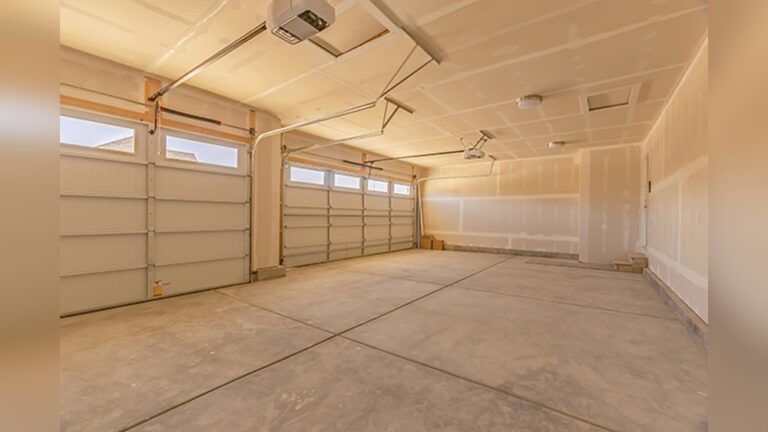
A garage is an enclosed space, usually attached or close to a house, designed mainly to store vehicles. Garages protect cars from weather, theft, and damage. But in many homes, garages also serve as storage rooms, work areas, and even social spaces.
Common Types Of Garages
- Attached garage: Connected to the main house, easy to access in bad weather.
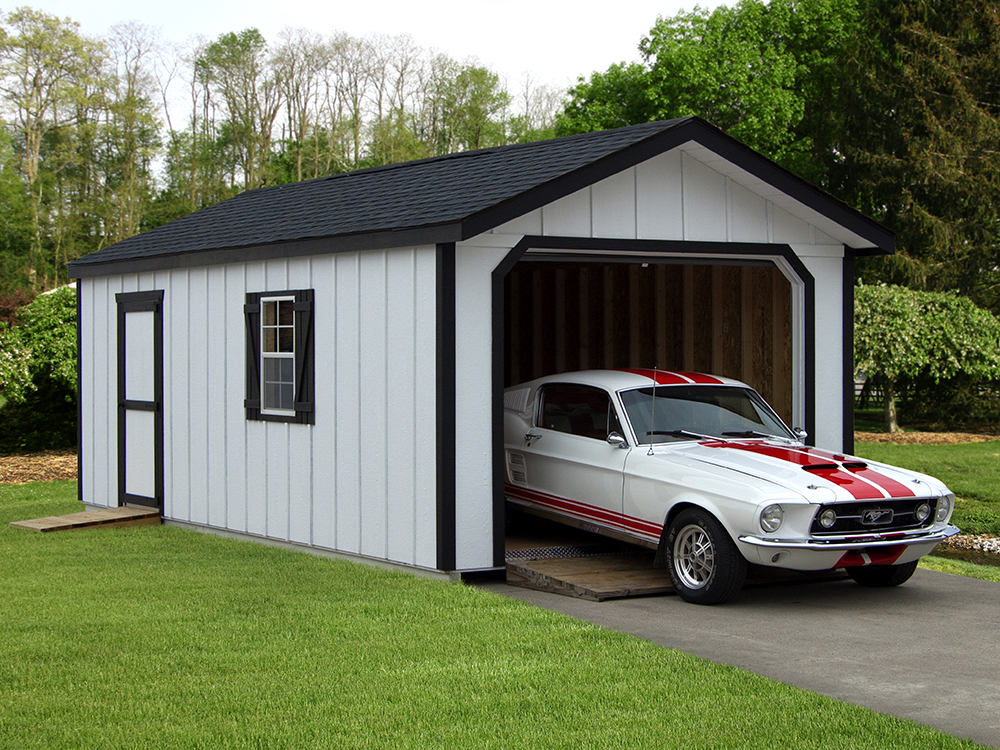
- Detached garage: A separate building, often used for workshops or extra storage.
- Carport: Open-sided with a roof, less protection but cheaper to build.
- Underground garage: Located under apartments or buildings, often used in cities.
Each type has its own benefits and challenges. For example, attached garages are convenient, but detached garages may offer more privacy and less noise for the house.
Main Functions Of A Garage
Most people think a garage is only for cars, but it can have many uses:
- Vehicle storage: Protects cars, bikes, and motorcycles from rain, sun, and theft.
- Tool storage: Keeps tools and garden equipment organized.
- Workspace: Many people use their garage as a place to work on hobbies like woodworking or car repairs.
- Extra storage: Stores seasonal items, sports gear, or holiday decorations.
- Laundry area: Some homes have washers and dryers in the garage.
- Home gym: Turning a garage into a gym is popular for people with limited space.
Key Features To Consider
When setting up or upgrading a garage, certain features make a big difference:
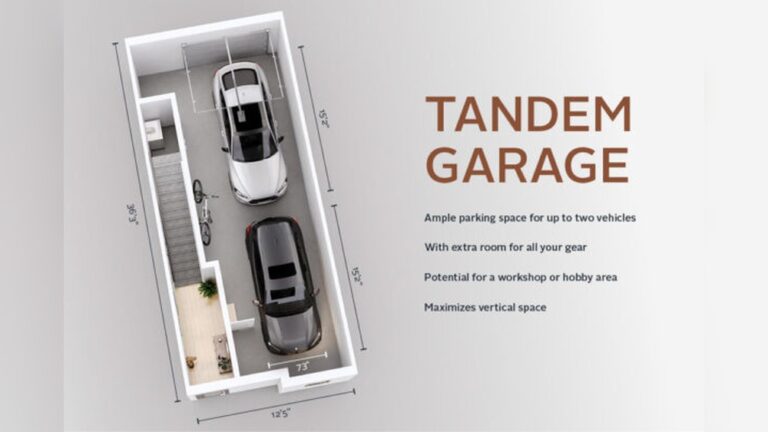
- Size: Common sizes are single-car (about 12 x 20 feet) and double-car (about 20 x 20 feet).
- Door type: Options include manual, automatic, roll-up, or sectional doors.
- Flooring: Concrete is most common, but you can add epoxy coating for durability.
- Lighting: Good lighting helps with safety and makes work easier.
- Ventilation: Important for workshops to remove fumes and moisture.
- Security: Locks, cameras, and alarms keep your garage safe.
Average Garage Sizes (in Feet)
| Garage Type | Width | Length | Fits |
|---|---|---|---|
| Single Car | 12 | 20 | 1 Car |
| Double Car | 20 | 20 | 2 Cars |
| Three-Car | 30 | 20 | 3 Cars |
How To Organize Your Garage
A messy garage is common, but organization can make it much more useful. Here’s how to get started:
- Sort everything: Separate items into groups—keep, donate, throw away.
- Use shelves and racks: Vertical storage saves floor space.
- Label boxes: Easy to find things later.
- Pegboards for tools: Hang tools where you can see them.
- Overhead storage: Great for seasonal or rarely used items.
- Clear the floor: The less on the floor, the easier it is to park and clean.
Non-obvious tip: Use clear plastic bins for storage. You can quickly see what’s inside without opening them.
Garage Safety Tips
Garages can be dangerous if not managed well. Here are important safety steps:
- Keep chemicals out of reach: Store paints, fuels, and cleaners in high cabinets.
- Install smoke detectors: Fires can start in garages, so alarms are important.
- Lock doors and windows: Prevent theft and unauthorized entry.
- Check for carbon monoxide: If you run engines inside, ventilate well to avoid poisoning.
- Organize cords and wires: Prevent trips and falls.
Beginner insight: Don’t store propane tanks inside the garage. It’s a fire risk. Always keep them outdoors.
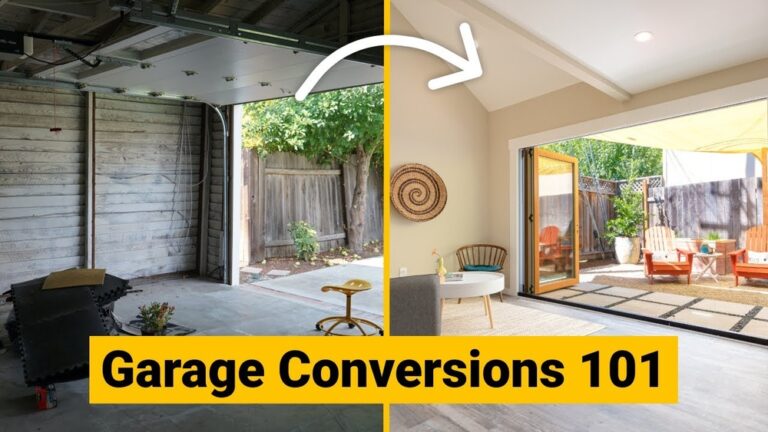
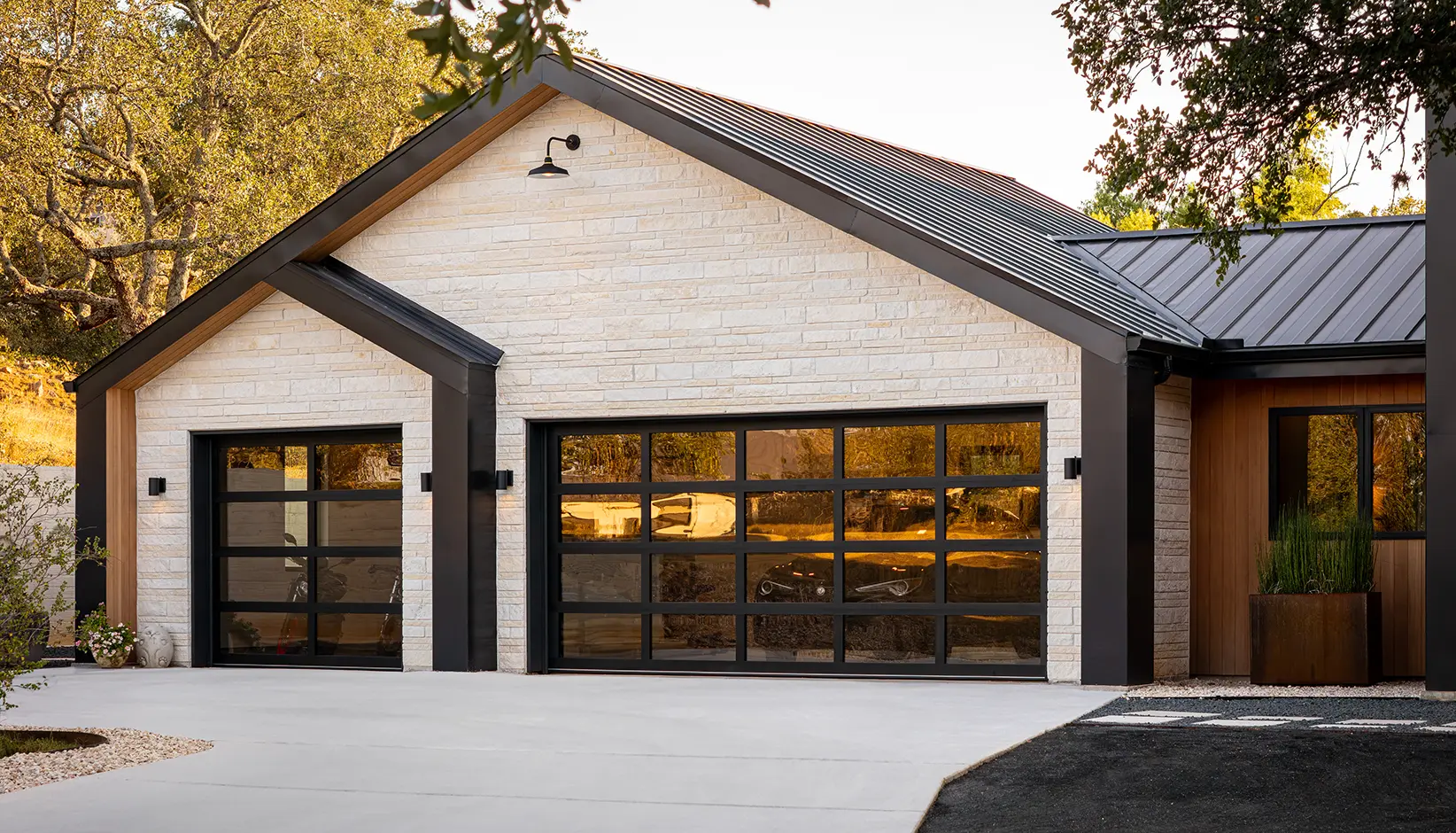
Converting A Garage To A Living Space
Some people turn their garage into a bedroom, office, or gym. This can add value to your home, but you must plan carefully:
- Check local laws: You might need permission (a permit) to change how the garage is used.
- Insulation: Garages are often not well insulated. Add walls and ceiling insulation for comfort.
- Flooring: Consider carpet, tile, or laminate instead of bare concrete.
- Heating and cooling: Add vents, heaters, or air conditioners.
- Windows and lighting: More windows make the space feel like part of the house.
Practical example: A survey from HomeAdvisor found that converting a garage to a living space costs on average $13,000–$30,000 in the US. But homes with finished garages often sell faster.
Credit: www.clopaydoor.com
Common Garage Door Problems And Solutions
Garage doors have moving parts that can break or wear out. Here are frequent problems and how to fix them:
- Door won’t open/close: Check the power source, remote battery, and manual lock.
- Loud noises: Lubricate springs and rollers.
- Door off track: Stop using immediately and call a professional.
- Sensor issues: Clean and align safety sensors at the base.
- Broken springs: Don’t try to fix high-tension springs yourself. It’s dangerous.
Beginner mistake: Ignoring small problems. Small issues can quickly get worse and cost more to repair.
Garage Storage Solutions Comparison
There are many ways to store things in a garage. Here’s a simple comparison:
| Storage Type | Best For | Cost (Approx.) | Ease of Install |
|---|---|---|---|
| Shelves | Boxes, bins | $50–$200 | Easy |
| Pegboard | Tools, small items | $30–$100 | Easy |
| Cabinets | Chemicals, valuables | $100–$600 | Medium |
| Overhead racks | Seasonal items | $100–$400 | Medium |
| Wall hooks | Bikes, ladders | $10–$50 | Easy |
Garage Maintenance Tips
Keeping a garage in good shape saves money and trouble. Here are simple tips:
- Clean regularly: Sweep dust and leaves. Clean spills quickly.
- Check the door: Inspect springs, rollers, and openers twice a year.
- Keep pests out: Seal cracks and use traps for mice or insects.
- Test safety features: Garage doors have safety sensors—test them monthly.
- Inspect weather seals: Replace rubber seals if you see cracks or leaks.
Non-obvious insight: Add a dehumidifier in humid areas. This stops mold and rust from damaging your belongings.
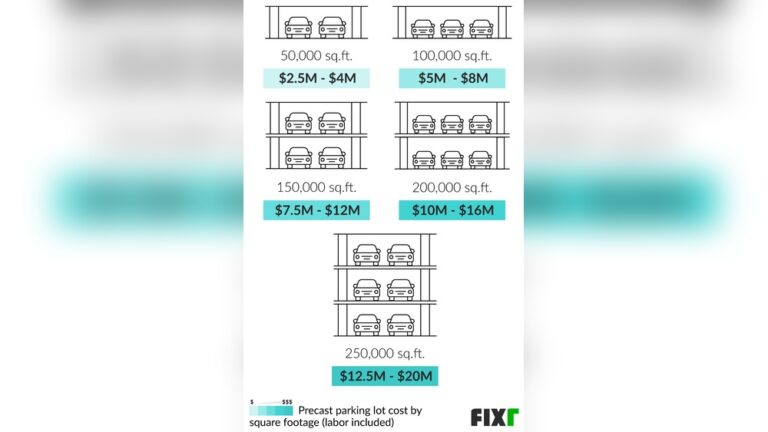
Cost Of Building A Garage
Building a new garage is a big project. Costs can change based on size, materials, and location.
Average Costs In The Us
| Garage Type | Average Cost | Main Features |
|---|---|---|
| Single Car | $10,000–$18,000 | Basic storage |
| Double Car | $20,000–$35,000 | More space, work area |
| Custom/Workshop | $30,000–$50,000+ | Upgrades, insulation, power |
Tip: Get at least three quotes from local builders before starting. Prices can vary a lot, even in the same area.
Environmental Impact Of Garages
Garages can affect the environment, especially if used for chemicals, cars, and energy use.
- Runoff: Oil or chemicals on garage floors can wash into drains—use spill mats.
- Insulation: Poorly insulated garages waste energy. Add insulation to walls and doors.
- Lighting: Switch to LED bulbs to save power.
- Recycling: Store recycling bins in the garage to make sorting easy.
Beginner insight: Never pour old oil, paint, or chemicals down the drain. Take them to a proper recycling center.
Smart Technology In Garages
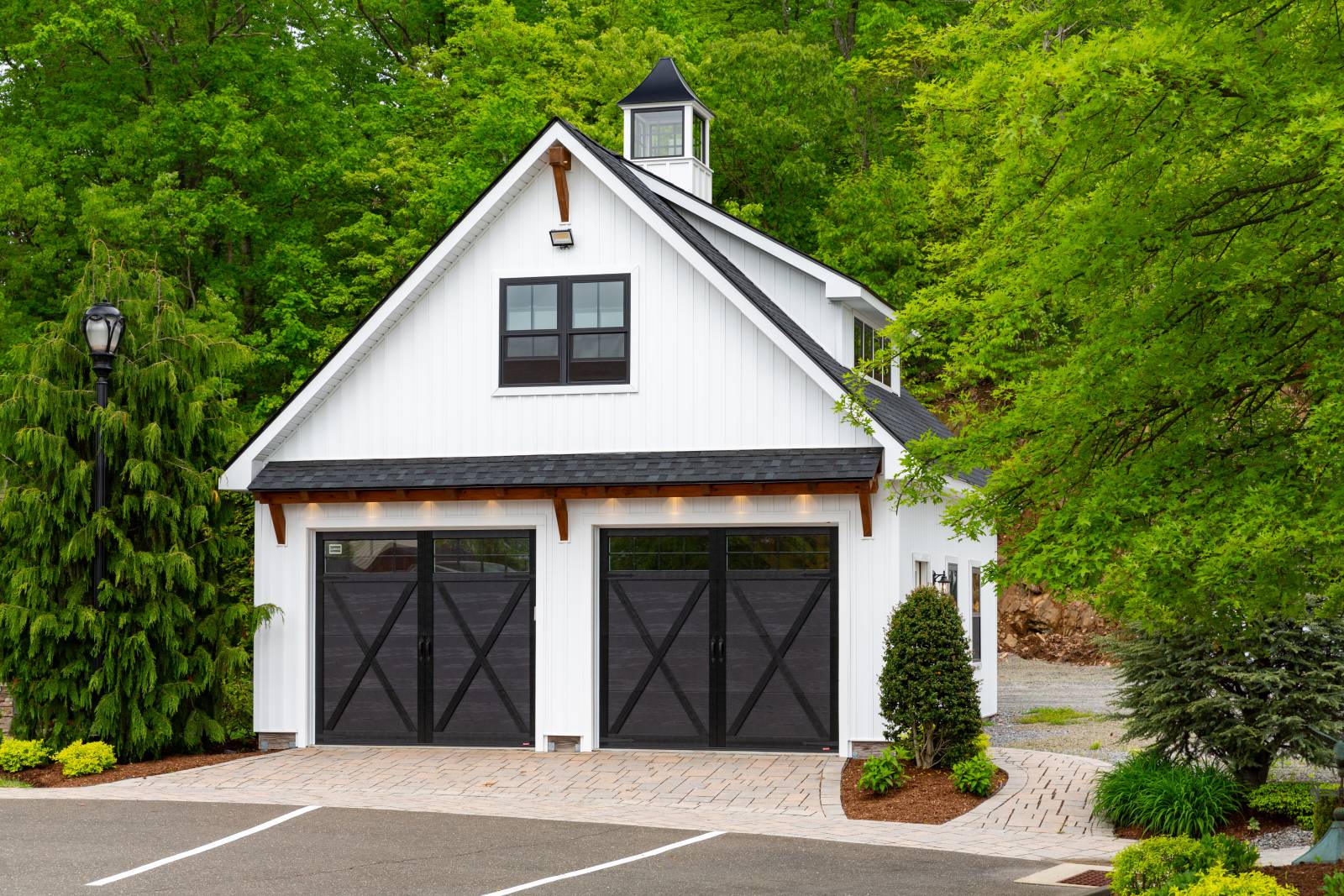
Modern garages can use technology to make life easier and safer.
- Smart garage door openers: Control your garage door from your phone.
- Security cameras: Watch your garage from anywhere.
- Motion lighting: Lights turn on when someone enters.
- Temperature sensors: Get alerts if the garage gets too hot or cold.
Practical example: According to a 2023 survey, over 35% of new homes in the US include smart garage features.
Credit: www.barnyard.com
Garages Around The World
Garages look different in every country:
- In the US and Canada, garages are common in most homes and often attached.
- In Europe, garages are sometimes smaller or detached due to older cities and less space.
- In Asia, underground or shared garages are common in large cities.
- In Australia, carports are popular because of mild weather.
Some cities are moving toward eco-friendly garages with solar panels or green roofs.
For more about different garage types worldwide, visit the Wikipedia Garage page.
Frequently Asked Questions
What Is The Difference Between A Garage And A Carport?
A garage is an enclosed room, usually with doors and sometimes windows, used for storing cars and other items. A carport is open-sided, with only a roof. Garages give better protection from weather and theft, while carports are cheaper and easier to build.
How Long Does It Take To Build A Garage?
Building a basic single-car garage usually takes 2–4 weeks. Larger or custom garages with extra features may take 6–8 weeks. Weather, permits, and builder schedules can affect timing.
Can I Build A Garage Myself?
Yes, many people build their own garages if they have construction experience. For beginners, it’s safer to hire a professional. Building codes and permits are important, and mistakes can be expensive.
What Is The Best Way To Keep A Garage Organized?
- Use shelves and pegboards for tools and bins.
- Store seasonal items overhead.
- Keep the floor clear for cars and easy cleaning.
- Label everything.
This keeps your garage tidy and makes things easy to find.
Is A Garage A Good Investment For My Home?
Yes, adding or improving a garage often increases home value. According to the National Association of Realtors, homes with garages sell faster and for more money in many areas.
A garage is more than just a place for your car. It can be a workshop, storage center, or even a new living space. With smart planning and care, your garage can add comfort, safety, and value to your home.
Whether you want to organize, upgrade, or just keep your garage clean, the steps are simple and the benefits are big.
Credit: www.pinecreekstructures.com