
Sometimes, your garage door stops working and you don’t know why. Many people don’t realize that a broken garage door spring is one of the most common reasons. Springs do most of the heavy lifting. If they break, your door will not open properly—or at all. Knowing how to spot a broken spring can save time, money, and stress. This guide will help you understand the signs, check safely, and know what to do next.
Why Garage Door Springs Matter
Garage doors are heavy, often weighing 100–400 pounds. The garage door spring makes lifting easy, whether you use a motor or your hand. When the spring breaks, the entire system struggles. Two types are common:
- Torsion springs: Mounted above the door, coil tightly to store energy.
- Extension springs: Located on both sides, stretch and contract.
Without working springs, the opener and tracks can’t handle the weight. Trying to force the door can damage other parts, or cause injury.
Clear Signs Your Garage Door Spring Is Broken
Recognizing a broken spring can prevent bigger problems. Look for these signs:
- Door won’t open: If the opener runs but the door doesn’t move, the spring may be broken.
- Loud bang: Springs snap with force, often making a sudden, sharp noise.
- Door feels heavy: If you try to lift the door manually and it’s much heavier, the spring is likely broken.
- Door opens only a few inches: Openers have safety sensors. If the spring fails, the door may move slightly and stop.
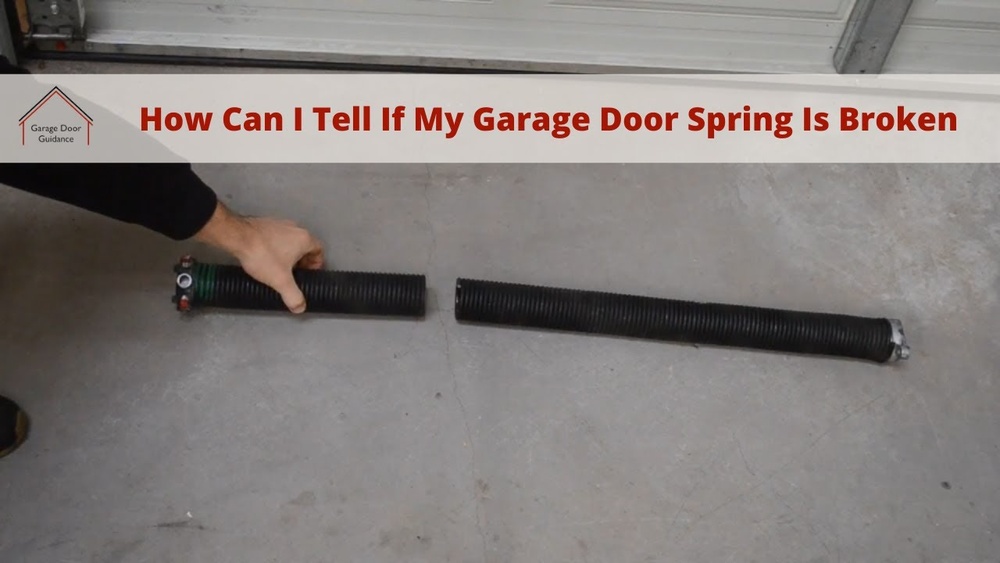
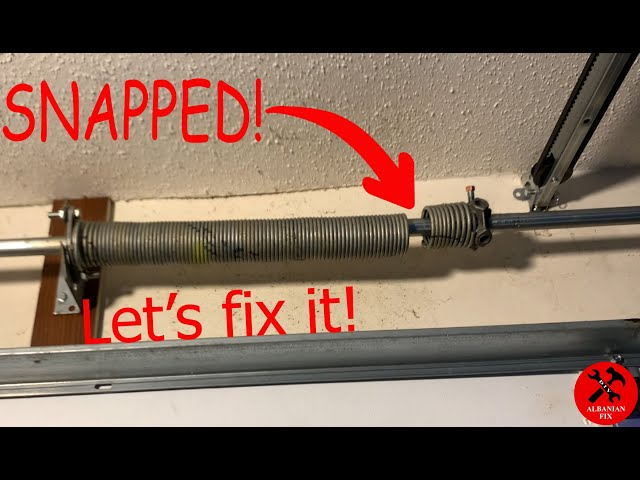
- Visible gap in spring: For torsion springs, a clear separation or gap means it’s broken.
- Crooked door: Extension springs work in pairs. If one breaks, the door may tilt or look uneven.
- Cables are loose or dangling: Broken springs can cause the lifting cables to lose tension or hang.
Credit: www.youtube.com
How To Check Your Garage Door Spring Safely
Before you start, remember: springs are under high tension. Do not touch them unless you know what you’re doing. Here’s how to check safely:
- Turn off the opener: Unplug the motor or switch it off.
- Try manual lift: Pull the red emergency release cord. Attempt to lift the door. If it’s much heavier than usual, the spring may be broken.
- Look for a gap: For torsion springs, inspect the spring above the door. A 2–3 inch gap usually means the spring has snapped.
- Check extension springs: Look along the sides of the door. If a spring is stretched out or broken in two, it’s failed.
- Inspect cables: Loose or slack cables can signal a broken spring.
Never attempt repairs yourself. Springs can cause serious injury. Always call a professional.
Common Mistakes Beginners Make
Many homeowners miss key signs or make errors that lead to extra damage:
- Trying to open the door repeatedly: This can burn out your opener.
- Ignoring loud noises: A bang often means a snapped spring. Don’t dismiss it.
- Forcing the door: Lifting a heavy door can cause back injury or damage other parts.
- Not checking both springs: Extension systems have two springs. Both must work for safe movement.
- Touching the spring: Even broken springs have tension. Never try to fix or move them yourself.
Real-life Example
John from Houston noticed his garage door opener made noise, but the door wouldn’t budge. He tried to lift it manually and found it was much heavier than before. On inspection, John saw a visible gap in the torsion spring above the door.
He avoided touching the spring and called a professional. The technician replaced the spring, and the door worked smoothly again. John’s story shows why careful checking is important.
Comparison: Torsion Vs Extension Springs
Understanding the spring types helps identify issues faster. Here’s how they differ:
| Feature | Torsion Springs | Extension Springs |
|---|---|---|
| Location | Above door, horizontally | On both sides, parallel to tracks |
| Typical lifespan | 15,000–20,000 cycles | 10,000–15,000 cycles |
| Signs of breakage | Visible gap, loud bang, door won’t open | Door uneven, spring stretched or broken |
| Safety | More controlled movement | Can cause door to tilt |
| Replacement difficulty | Needs professional | Can be easier, but still risky |

Credit: rhinogaragedoorsct.com
How Long Do Garage Door Springs Last?
Springs have a life measured in cycles. One cycle is opening and closing the door once. Average homes use the garage door 2–4 times a day, or about 1,000–1,500 cycles per year. Here’s the typical lifespan:
- Torsion springs: 15,000–20,000 cycles (10–14 years)
- Extension springs: 10,000–15,000 cycles (7–10 years)
Factors that can shorten lifespan:
- Cold weather: Metal contracts, making springs brittle.
- Rust: Corrosion weakens springs.
- Heavy door use: Frequent cycles wear springs faster.
What Happens If You Ignore A Broken Spring?
Delaying repairs can lead to:
- Motor damage: Openers are not designed to lift the full weight.
- Cable failure: Springs control tension. Without them, cables can snap.
- Safety risk: Doors can fall or slam shut, causing injury.
- Costlier repairs: Extra damage means higher bills.
A single broken spring can quickly affect the whole system.

Credit: smartgarage.ca
Step-by-step: What To Do If You Suspect Broken Spring
Follow these steps to stay safe and avoid extra problems:
- Stop using the opener: Prevent motor burnout.
- Secure the door: If it’s stuck open or closed, block access.
- Don’t force the door: Avoid manual lifting.
- Check for visible signs: Look for gaps, tilted door, or loose cables.
- Call a professional: Search for a certified garage door technician.
- Explain symptoms: Tell the technician what you observed.
Data: Garage Door Spring Failure Statistics
Garage door springs are one of the most replaced parts. According to the International Door Association:
- 70% of garage door service calls relate to spring issues.
- About 12,000 injuries occur yearly in the US due to garage doors, often linked to spring failure.
- Most springs fail after 7–10 years in average homes.
These numbers highlight why quick identification is important.
Garage Door Opener Vs Broken Spring
Many people think their opener is broken when the spring fails. Here’s how to tell the difference:
| Issue | Spring Problem | Opener Problem |
|---|---|---|
| Door won’t open | Motor runs, door stays shut | Motor silent, no movement |
| Heavy manual lift | Much heavier than normal | No change in weight |
| Loud bang heard | Yes, when spring snaps | No loud noise |
| Door opens a few inches | Opener struggles, door moves slightly | Door does not move at all |
When To Call A Professional
If you see any signs of a broken spring, call a certified garage door repair service. Attempting DIY repairs can cause severe injury. Experts have the tools and training to handle high-tension springs safely. Look for:
- Same-day service
- Warranty on repair
- Experience with your door type
You can find reliable technicians through the International Door Association or local listings. For more details on garage door safety, visit Idaho Garage Door Association.
Tips To Prevent Garage Door Spring Failure
While springs wear out naturally, you can extend their life:
- Lubricate springs every 6 months: Use silicone-based lubricant.
- Keep springs dry: Prevent rust by wiping moisture.
- Balance the door: Have a pro check door balance yearly.
- Reduce usage: Open and close only when needed.
- Inspect regularly: Look for rust, stretching, or damage.
These simple steps can delay costly repairs.
Frequently Asked Questions
How Much Does It Cost To Replace A Garage Door Spring?
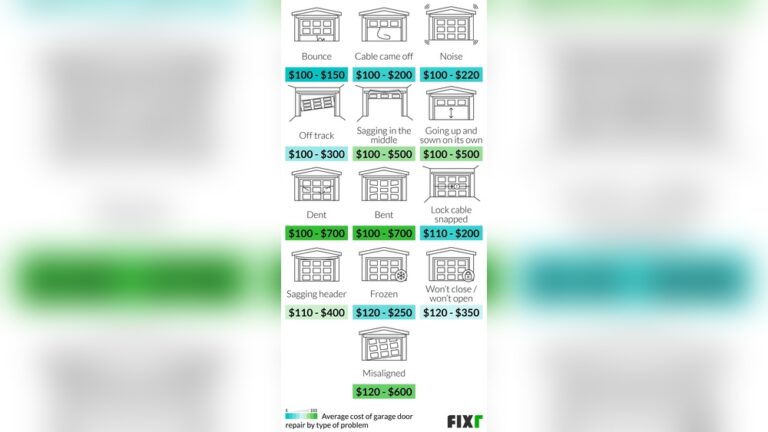
On average, garage door spring replacement costs $150–$350 per spring. Prices depend on type, size, and labor rates. Torsion springs cost more than extension springs.
Can I Use The Garage Door Opener If The Spring Is Broken?
No. Using the opener with a broken spring can damage the motor and cables. Stop using immediately and call a professional.
How Dangerous Are Garage Door Springs?
Very dangerous. Springs store heavy energy and can cause injury if handled wrong. Always let trained technicians do the repair.
How Do I Know Which Spring Is Broken?
Look for visible gaps in torsion springs or stretched/broken extension springs. If the door is uneven or cables are loose, check the side springs first.
How Often Should I Maintain Garage Door Springs?
Lubricate springs every six months and have a technician check them yearly. Regular maintenance prevents rust and extends lifespan.
Spotting a broken garage door spring early saves money and keeps your home safe. If your door shows any warning signs, don’t wait. Follow these steps, avoid common mistakes, and call a professional for help. Knowing what to look for and acting quickly can prevent bigger repairs and injuries.
Your garage door will thank you for it.