
Cladding your garage door with wood is a popular way to upgrade your home’s exterior. It adds warmth, character, and can boost curb appeal. Many homeowners choose wood cladding to match new siding or simply to stand out in the neighborhood.
The process is straightforward if you plan carefully and use the right materials. Even beginners can achieve a professional look with some patience and basic tools. This article explains how to clad a garage door with wood, step by step, using simple language and clear guidance.
Why Wood Cladding For Your Garage Door?
Wood cladding offers several advantages for garage doors:
- Aesthetic appeal: Wood creates a classic or modern look, depending on the style.
- Customizable: You can paint, stain, or seal wood to fit your home’s color scheme.
- Insulation: Wood can help with temperature control, reducing heat loss.
- Durability: With proper treatment, wood lasts for many years.
According to the National Association of Realtors, improving your garage door can add up to 4% to your home’s value.
Planning Your Garage Door Cladding Project
Before starting, measure your garage door and decide on the wood type. Planning helps avoid mistakes and saves time.
Measuring The Door
- Use a tape measure for height and width.
- Include the depth, especially if the door has panels or grooves.
- Double-check measurements to ensure accuracy.
Choosing Wood Type
Select wood based on budget, climate, and style:
- Cedar: Resists moisture, light, and insects. Easy to work with.
- Redwood: Durable, has natural resistance to decay.
- Pine: Affordable, but needs extra sealing.
- Oak: Strong, but heavier and expensive.
Here’s a quick comparison for common wood types:
| Wood Type | Cost (per sq ft) | Durability | Maintenance |
|---|---|---|---|
| Cedar | $2.50 | High | Low |
| Redwood | $4.00 | High | Low |
| Pine | $1.75 | Medium | Medium |
| Oak | $5.00 | Very High | High |
Tools And Materials Needed
- Wood planks (pre-cut or cut to size)
- Wood screws or construction adhesive
- Drill and drill bits
- Saw (circular or hand saw)
- Measuring tape
- Level
- Sandpaper
- Wood stain or paint
- Sealant
- Safety gear (gloves, goggles)
Step-by-step Guide: Cladding Your Garage Door
Follow these steps for a successful project. Short sentences and clear instructions help beginners avoid mistakes.
1. Prepare The Garage Door
- Clean the surface with soap and water.
- Remove dirt, oil, or old paint.
- Check for rust or damage. Repair before continuing.
2. Plan Your Design
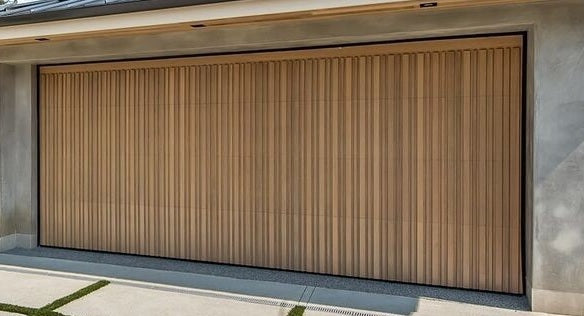
- Decide if you want horizontal, vertical, or diagonal planks.
- Sketch your design on paper.
- Mark plank placement with a pencil on the door.
3. Cut And Prepare The Wood
- Measure each plank according to your door’s size.
- Cut planks using a saw. Wear safety gear.
- Sand edges for a smooth finish.
- Apply stain or paint before attaching. Let dry fully.
4. Attach Wood To The Door
- Start at the top. Align the first plank using a level.
- Attach with wood screws or adhesive:
- For screws, drill pilot holes to avoid splitting.
- For adhesive, follow manufacturer instructions.
- Space planks evenly. Use spacers for uniform gaps.
- Work downwards, checking alignment after each plank.
5. Finish Edges And Details
- Trim excess wood with a saw.
- Sand rough edges.
- Fill gaps with wood filler if needed.
6. Seal And Protect
- Apply a wood sealant to protect from moisture and sun.
- Let sealant dry according to instructions (usually 24 hours).
- Reapply sealant every 2-3 years for best results.
7. Test Door Operation
- Open and close the door several times.
- Ensure wood does not block hinges or tracks.
- Adjust any planks if the door sticks.
Practical Tips For Beginners
Beginners often miss small details that make a big difference. Here are some helpful tips:
- Check door weight: Wood adds weight. Make sure your garage door opener can handle it.
- Weatherproofing: Use sealant and paint rated for outdoor use.
- Fastener choice: Stainless steel screws resist rust.
- Wood grain direction: For strength, align planks with the door’s movement.
- Adhesive vs. screws: Adhesive gives a cleaner look, but screws offer more security.
If your door is old or weak, consult a pro before adding wood. Safety is important.
Credit: luxgaragedoors.com
Common Mistakes To Avoid
Many beginners make errors that can ruin the project. Be aware of these:
- Ignoring measurements: Mistakes here lead to wasted wood and uneven finish.
- Skipping sanding: Rough edges can cause splinters and look unprofessional.
- Not sealing wood: Moisture causes rot and warping.
- Attaching wood too tightly: Allow for expansion and contraction, especially in changing weather.
- Using wrong fasteners: Regular steel screws can rust and stain wood.
- Overloading door: Too much wood can damage the opener mechanism.
Check your work after each step to avoid problems later.
How Much Does It Cost?
Costs can vary, but here’s a general breakdown:
- Wood planks: $60–$300 (depends on door size and wood type)
- Screws/adhesive: $20–$40
- Stain/paint/sealant: $30–$80
- Tools (if needed): $100–$200
Total average: $200–$600 for most single doors.
Compare cost by wood type for a standard 8×7 ft door:
| Wood Type | Material Cost | Installation Difficulty |
|---|---|---|
| Cedar | $200 | Easy |
| Redwood | $320 | Medium |
| Pine | $140 | Easy |
| Oak | $400 | Hard |

Credit: armrlite.com
Wood Cladding Vs. Other Garage Door Upgrades
Is wood cladding the best choice? Compare with other popular upgrades:
| Upgrade Type | Cost | Longevity | Maintenance | Aesthetic Impact |
|---|---|---|---|---|
| Wood Cladding | $200–$600 | 10–20 years | Medium | High |
| Vinyl Wrap | $100–$300 | 5–10 years | Low | Medium |
| Metal Upgrade | $250–$800 | 15–30 years | Low | Medium |
| Paint Only | $40–$100 | 3–5 years | Medium | Low |
Wood cladding is a great choice if you want a unique look and are ready for regular maintenance.
Safety Considerations
Adding wood to a garage door changes its weight and balance. Always consider safety:
- Test the door after installation. If it feels heavy, adjust springs or opener.
- Wear safety gloves and goggles when cutting or drilling wood.
- Keep children and pets away during work.
- If unsure, ask for help from a professional or neighbor.
A Simple Mistake Can Cause Injury Or Damage. Safety First!
Maintenance And Long-term Care
Wood garage doors need regular care:
- Inspect every 6 months for cracks or rot.
- Reapply sealant every 2–3 years.
- Clean with mild soap and water; avoid harsh chemicals.
- Repair damaged planks quickly to prevent bigger problems.
Proper maintenance keeps your door looking good and working well.
Real-life Example: Beginner Success Story
Sarah, a homeowner in Texas, decided to clad her garage door with cedar. She had no experience but followed step-by-step instructions. Her project took 2 days, cost $250, and she used only basic tools. The result was a beautiful, weather-resistant door that matched her house siding.
Sarah reported that the hardest part was measuring and cutting planks evenly, but sanding and sealing were easy. This shows that even beginners can achieve great results with careful planning.
Where To Find More Information
For deeper details, consult guides from trusted sources like Family Handyman. They offer expert tips and photos to help visualize the process.
Frequently Asked Questions
How Long Does Wood Cladding Last On A Garage Door?
With proper sealing and maintenance, wood cladding can last 10–20 years. The exact lifespan depends on wood type and weather conditions.
Can I Clad Any Garage Door With Wood?
Most garage doors can be clad, but make sure the structure is strong enough. Avoid cladding very old or damaged doors.
Is Wood Cladding Expensive Compared To Other Upgrades?
Wood cladding is mid-range in cost. It is more expensive than painting but cheaper than full door replacement or high-end metal upgrades.
Will My Garage Door Opener Handle The Extra Weight?
If you add too much wood, your opener may struggle. Light woods like cedar are best. Always test the door after installation.
Do I Need Professional Help For Wood Cladding?
Many beginners do it themselves. If unsure, or if your door is large or heavy, consider hiring a pro for safety.
Cladding a garage door with wood is an effective way to improve your home’s look and value. With careful planning, the right materials, and attention to detail, even beginners can succeed. Regular maintenance will keep your door beautiful for years.
By following these steps and tips, you’ll enjoy a stylish garage door that stands out in your neighborhood.
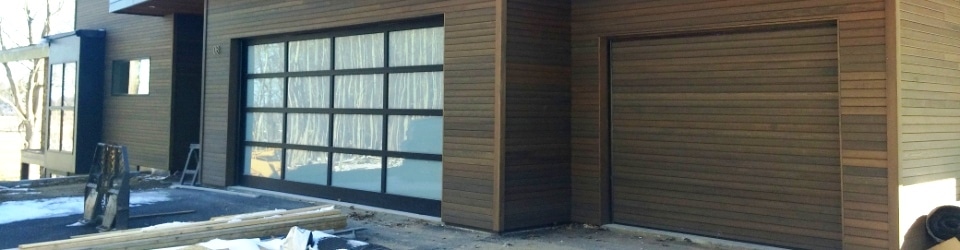
Credit: armrlite.com