
If you have a garage with no windows, keeping it cool can be a real challenge. Garages often trap heat, making them uncomfortable and sometimes even dangerous for storage or working. Without windows, you lose natural airflow and sunlight control. But you don’t need to give up! There are practical, affordable ways to cool your windowless garage and make it comfortable year-round.
This guide explains the best strategies for cooling a garage with no windows. You’ll learn easy-to-understand solutions, from insulation to smart ventilation and the best cooling devices. Each method is explained simply, so even beginners can follow. Let’s turn your hot garage into a cool, usable space.
Why Does A Windowless Garage Get So Hot?
A garage with no windows heats up for a few key reasons:
- No airflow: Without windows, fresh air can’t move in or out easily.
- Sun exposure: The roof and walls absorb sunlight all day.
- Heat from inside: Cars, tools, and appliances release heat.
- Poor insulation: Most garages have little or no insulation.
Research shows that, on a hot day, a garage without windows can reach 10-20°F (5-11°C) higher than the outside temperature. This trapped heat can damage items, make working uncomfortable, and even raise energy bills if your garage is attached to your house.
Insulation: Your First Line Of Defense
Insulating your garage slows down heat transfer. This means less hot air gets in during summer, and less cold escapes in winter.
Where To Insulate
- Garage door: Often the biggest source of heat gain.
- Walls: Especially if they face the sun.
- Ceiling/roof: Stops heat rising in or out.
Types Of Insulation
Here is a quick comparison of common insulation materials:
| Material | R-Value (per inch) | Cost | Ease of Installation |
|---|---|---|---|
| Fiberglass Batts | 2.9–3.8 | Low | Easy |
| Rigid Foam Board | 4–6.5 | Medium | Moderate |
| Spray Foam | 6–7 | High | Professional |
- R-value: Higher means better insulation.
- For beginners, fiberglass batts or foam boards are easiest to install.
- Insulating the garage door can lower inside temperature by up to 10°F (5.5°C).
Practical Tips
- Seal all cracks and gaps before insulating.
- Use weatherstripping on the door.
- Don’t forget the ceiling if you have an attic above.
Improve Air Circulation Without Windows
No windows? No problem. You can still move air and push hot air out.
Install A Garage Exhaust Fan
- Exhaust fans pull hot air out through a wall or roof vent.
- Look for fans rated for garages (400–800 CFM for a 1-car garage).
- Place the fan high up—hot air rises.
Use The Main Garage Door
- Open the main door at cooler times (morning, evening).
- Add a screen or bug barrier if needed.
Create Cross-ventilation
- Install a vent near the floor on one wall and an exhaust fan high on the opposite wall or ceiling.
- This setup moves cool air in and hot air out, even without windows.
Circulating Fans
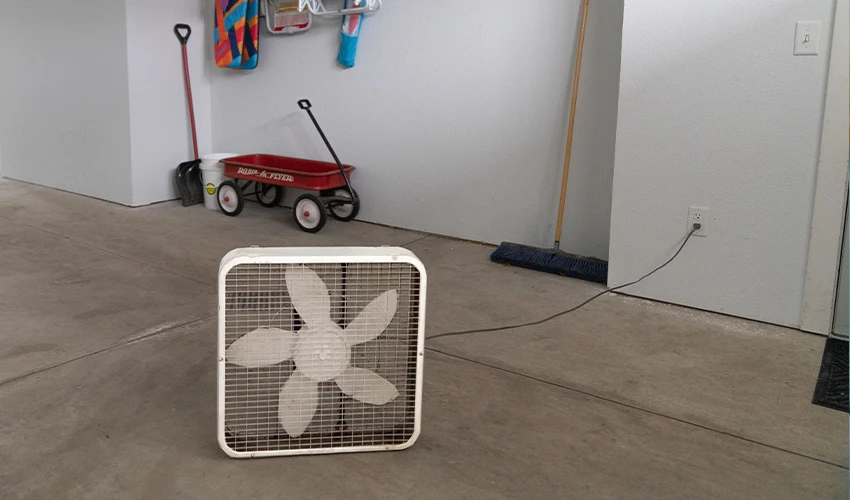
- Place floor fans or box fans to keep air moving.
- Aim fans toward open doors or vents for best effect.
Data Point
A good garage exhaust fan can reduce temperature by 5–10°F in a few hours.
Cooling Devices: From Low-tech To Advanced
Not all cooling devices are equal for garages. Here’s what works best:
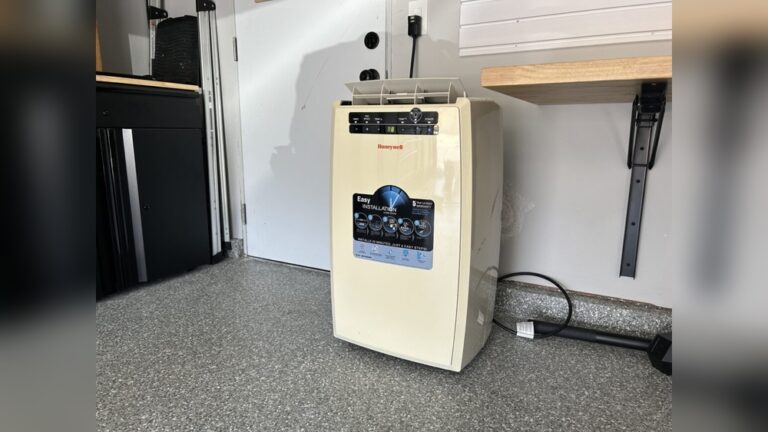
Portable Air Conditioners
- No windows? Use a portable AC with a vent kit through the wall or garage door.
- BTU rating: For a 400 sq. Ft. garage, look for 10,000–14,000 BTU.
- Needs a way to vent hot air outside (cut a vent hole or use the main door).
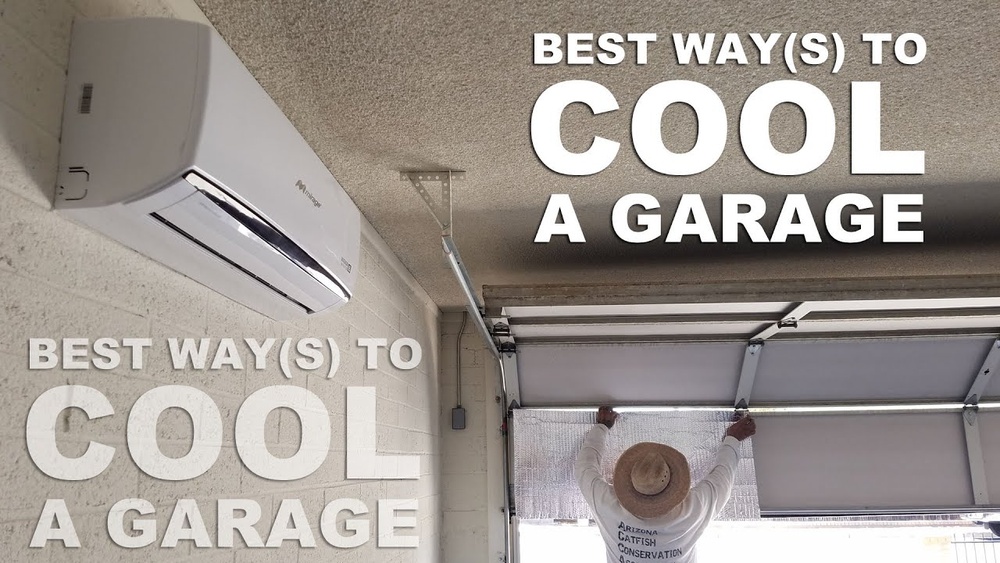
Mini Split Air Conditioners
- Most efficient long-term option.
- No ducts required—just a small hole for the refrigerant line.
- Cool or heat as needed.
- Higher cost, but lowers temperature 15–20°F even on the hottest days.
Evaporative Coolers (swamp Coolers)
- Work best in dry climates (humidity below 50%).
- Use water to cool air, no venting needed.
- Less effective in humid regions.
Comparison Of Cooling Devices
| Device | Cooling Power | Energy Use | Cost | Best For |
|---|---|---|---|---|
| Portable AC | High | Medium | $$ | Temporary use |
| Mini Split AC | Very High | Low | $$$$ | Permanent solution |
| Evaporative Cooler | Medium | Low | $ | Dry climates |
Smart Thermostats And Timers
- Use a programmable thermostat to run your cooling only when needed.
- Plug fans or AC units into timers to avoid wasting energy.
Reflective Barriers And Roof Solutions
Heat often enters through the roof, especially on sunny days. Reflective barriers can help:
- Radiant barriers reflect up to 97% of radiant heat.
- Install under the roof or on garage door panels.
- Metal roofs and light-colored paint also reflect heat.
Roof Ventilation
- Add ridge vents or gable vents to let hot air escape from the attic above the garage.
- This lowers the temperature below by several degrees.
Example
A light-colored roof can keep a garage 5–10°F cooler compared to a dark roof.
Organize For Better Cooling
How you organize your garage affects airflow and heat build-up.
- Keep items off the floor: Use shelves or wall hooks.
- Do not block vents or fans with boxes or equipment.
- Store heat-sensitive items in insulated cabinets or away from direct sunlight.
Practical Insight
Many beginners forget that clutter blocks air movement. A simple clean-up can lower temperatures and make cooling devices work better.
Dehumidifiers: Reduce Humidity, Feel Cooler
Humidity makes hot air feel worse. A dehumidifier pulls moisture out of the air, making the garage feel cooler.
- For a 1-car garage, a 30-pint unit is usually enough.
- Set humidity to 50–60% for best comfort.
- Lower humidity also protects tools and electronics from rust.
Energy Tip
Dehumidifiers use less energy than air conditioners and can be run alongside fans for improved comfort.
Seal And Shade: Block Heat Before It Enters
Small changes can have a big impact:
- Weatherstripping: Seal around doors and any wall cracks.
- Garage door seals: Block hot air and dust.
- Exterior shade: Plant trees or install an awning to shade the garage wall or door.
Example
A simple awning can reduce wall temperature by up to 20°F in direct sunlight.
Common Mistakes To Avoid
Many beginners waste time or money by making these errors:
- Using a window AC without a window: It won’t work properly and can leak water inside.
- Ignoring insulation: Fans and ACs will struggle if heat keeps coming in.
- Blocking vents or fans: Clutter stops air movement.
- Not venting portable ACs: Hot air must go outside, or it will just recirculate.
- Choosing the wrong device for the climate: Swamp coolers don’t work in humid areas.
Cost Vs. Effectiveness: What To Expect
Here’s a practical look at what you might spend and the cooling you get:
| Solution | Approximate Cost | Temperature Drop |
|---|---|---|
| Insulation (DIY) | $200–$500 | 8–12°F |
| Portable AC | $300–$700 | 10–15°F |
| Mini Split AC | $1,500–$3,000 | 15–20°F |
| Exhaust Fan | $100–$300 | 5–10°F |
| Dehumidifier | $150–$300 | Lower humidity, not temp |

Credit: www.youtube.com
Real-world Example: Step-by-step For Beginners
If you’re just starting, here’s a simple plan:
- Seal and insulate the garage door and any cracks.
- Add a garage exhaust fan for basic ventilation.
- Try a dehumidifier if your area is humid.
- If more cooling is needed, use a portable AC with proper venting.
- For long-term use, consider upgrading to a mini split AC.
Each step will make your garage more comfortable. Even just sealing and adding a fan can bring big improvements.
Non-obvious Insights
- Garage color matters: Painting the garage a light color outside reflects sunlight, reducing heat gain.
- Use the house air: If your garage is attached, you can sometimes install a small vent or transfer fan between the house and garage—just check building codes and safety first.
- Smart placement: Place cooling devices away from workbenches or large objects for better air distribution.
Credit: www.aireserv.com
When To Call A Professional
- Installing a mini split AC or roof vents may need an expert.
- If you notice mold, electrical problems, or structural heat damage, get help.
- For major insulation upgrades, a pro can check for hidden air leaks.
Additional Resources
For more details on insulation and garage cooling, see the U.S. Department of Energy.

Credit: atkinsoninspection.com
Frequently Asked Questions
How Do I Vent A Portable Air Conditioner In A Garage With No Windows?
You can vent a portable AC by cutting a small hole in the wall, using a dryer vent kit, or running the exhaust hose under or through the main garage door with a foam seal. Always make sure the hot air is going outside, not into another room.
Is It Safe To Run An Air Conditioner In A Closed Garage?
Yes, if you vent the exhaust properly. Don’t run gasoline engines or generators inside, as they produce dangerous carbon monoxide. Electric devices are safe.
What Is The Cheapest Way To Cool A Windowless Garage?
The most affordable methods are insulation, adding a garage exhaust fan, and using floor fans. These solutions can lower the temperature for less than $500.
Will A Dehumidifier Cool My Garage?
A dehumidifier does not lower the air temperature, but by reducing humidity, it makes the space feel cooler and more comfortable. It also helps prevent mold and rust.
Can I Use A Swamp Cooler In A Humid Area?
Swamp coolers (evaporative coolers) work best in dry climates. If your area is humid, they will not be effective, and you should use a regular air conditioner instead.
Turning a hot, windowless garage into a cool retreat is possible with the right plan. Start with insulation and airflow, add cooling devices as your budget allows, and remember that small changes—like sealing gaps and reducing clutter—make a big difference.
With these steps, you’ll have a garage that’s comfortable and useful all year round.