
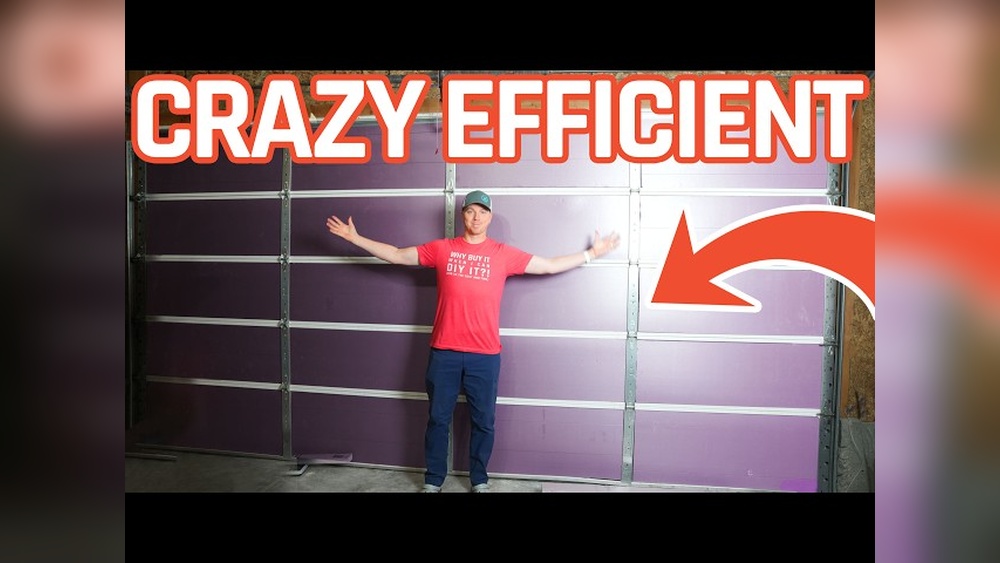
If your garage feels cold in winter or hot in summer, the garage door could be the main reason. Most garage doors are made from thin metal or wood. They let heat escape easily, making your garage uncomfortable and costing you more in energy bills. Insulating your garage door is a smart, affordable fix. It keeps the temperature stable, protects your car, and can even increase your home’s value. Many homeowners skip this step, but with a little effort, you can get big results.
Why Insulate Your Garage Door?
Insulation is not just for walls and ceilings. A garage door is a large surface, so it affects your garage temperature a lot. Here are the main reasons to insulate:
- Energy savings: According to the U.S. Department of Energy, insulated garages can cut energy loss by up to 20% compared to non-insulated spaces.
- Comfort: Insulation keeps your garage warmer in winter and cooler in summer.
- Protection: Your car, tools, and storage items last longer when they are not exposed to extreme temperatures.
- Noise reduction: Insulated doors block outside sounds, making your garage quieter.
- Home value: Upgraded garage doors are attractive to buyers and appraisers.
Many homeowners forget the garage door when thinking about energy efficiency. This simple upgrade can make a big difference.
Types Of Garage Door Insulation Materials
Choosing the right insulation is important. The material you use affects the results and the installation process. Here are the most common types:
| Material | R-Value (Insulation) | Cost (per sq. ft.) | Ease of Installation |
|---|---|---|---|
| Foam Board | 4 – 8 | $0.50 – $2.00 | Easy |
| Reflective Insulation | 1 – 3 | $0.40 – $1.50 | Very Easy |
| Fiberglass Batts | 2 – 4 | $0.70 – $1.20 | Moderate |
| Spray Foam | 6 – 8 | $1.50 – $3.00 | Difficult |
- Foam board: Rigid panels, good for flat doors. They give high insulation and are easy to cut and fit.
- Reflective insulation: Made from foil and plastic. Best for hot climates because it reflects heat.
- Fiberglass batts: Like wall insulation. Good for panel doors but messy and needs a cover.
- Spray foam: Highest insulation but usually requires professional installation.
For most beginners, foam board or reflective insulation is easiest and safest.

Credit: www.homedepot.com
Preparing To Insulate: What You Need
Before you start, gather these items:
- Insulation material (foam board or reflective sheets)
- Utility knife or scissors
- Tape measure
- Straight edge (for cutting)
- Adhesive (double-sided tape or construction adhesive)
- Safety gear (gloves, mask)
- Garage door cleaning supplies
Measure your garage door panels carefully. Write down the sizes for each panel. Clean your door to remove dust, oil, and debris. This helps insulation stick better.
Example Panel Measurement
A standard single garage door has four panels, each about 21″ x 54″. If your door is different, measure each panel separately.
Step-by-step: How To Insulate Your Garage Door
Insulating your garage door is simple if you follow clear steps. Here is a practical guide for beginners.
1. Measure Each Panel
- Use your tape measure to get the height and width of every panel.
- Write these measurements down. Panels may vary in size.
2. Cut The Insulation
- Lay the insulation flat.
- Use your straight edge and utility knife to cut pieces for each panel.
- Make each piece about 1 inch smaller than the panel size. This helps it fit snugly.
3. Attach The Insulation
- Apply adhesive to the back of each insulation piece.
- Press the insulation into the panel, starting at one edge and smoothing it out.
- For foam board, use double-sided tape or construction adhesive.
- For reflective insulation, tape works well.
4. Seal Edges
- Use tape to seal the edges of each insulation piece.
- This prevents air leaks and keeps insulation in place.
5. Repeat For Every Panel
- Work your way across the door, panel by panel.
- Take your time; a good fit means better insulation.
6. Check Door Movement
- Open and close your garage door a few times.
- Make sure insulation does not block hinges or moving parts.
7. Clean Up
- Remove scraps and dust.
- Enjoy your newly insulated garage door!
Comparing Insulation Kits Vs. Diy Materials
You can buy pre-made garage door insulation kits or buy materials separately. Here’s a quick comparison to help you decide:
| Option | Cost | Installation Time | Ease | Best For |
|---|---|---|---|---|
| Insulation Kit | $50 – $100 | 1 – 2 hours | Beginner | Standard doors |
| DIY Materials | $30 – $80 | 2 – 3 hours | Intermediate | Odd-shaped doors |
- Kits include pre-cut panels, tape, and instructions. They save time but cost a bit more.
- DIY materials let you customize for unique doors and save money.
- For most beginners, a kit is easier and less stressful.
Common Mistakes Beginners Make
Learning from others can help you avoid frustration.
- Wrong measurements: Double-check panel sizes before cutting.
- Using the wrong adhesive: Cheap glue does not hold well. Use tape or construction adhesive.
- Blocking door hardware: Insulation should not block hinges or tracks.
- Skipping edge sealing: Air leaks lower the insulation value.
- Ignoring safety: Wear gloves and mask, especially with fiberglass.
One non-obvious tip: If your garage door moves slowly after insulating, check for extra weight. Foam board is light, but too much insulation can strain the opener.
How Insulation Improves Garage Door Performance
Insulated garage doors are more than comfortable—they are stronger and quieter. Here’s how:
- Reduces drafts: Insulation fills gaps, blocking cold air.
- Minimizes condensation: Warmer door surfaces prevent moisture buildup.
- Dampens noise: Thick insulation absorbs sound, making your garage quieter.
- Strengthens door panels: Foam board adds structure, making doors harder to dent.
According to a study by the Insulation Institute, homes with insulated garage doors saw a 15% drop in garage temperature swings, making garages more usable.
Maintenance Tips For Insulated Garage Doors
After insulating, keep your garage door in top shape:
- Check insulation once a year: Look for loose panels or damage.
- Clean insulation with a dry cloth: Moisture can ruin foam and fiberglass.
- Lubricate door hardware: Insulation can add weight, so hinges and rollers need extra care.
- Replace damaged insulation: Small holes can lower performance.
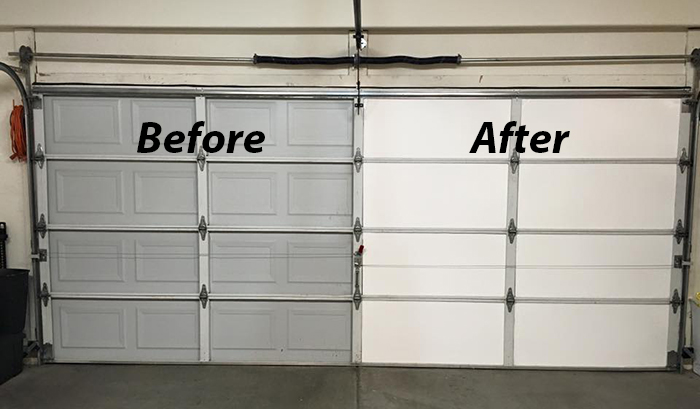
Most insulation lasts 5–10 years with basic care.
Credit: www.abettergaragedoorinc.com
Is Professional Installation Worth It?
Most beginners can insulate their own garage door. But if your door is unusual or you want maximum efficiency, consider hiring a pro.
- Pros use spray foam or custom-fit panels
- Installation costs: $200–$500
- Results: Higher R-value, perfect fit, longer life
A professional install is best for large, custom, or commercial garage doors. For standard home doors, DIY is safe and affordable.
Extra Benefits: Security And Value
Insulated garage doors are harder to break into. The thick panels make it tough for thieves to cut or bend. If you plan to sell your home, insulated doors can add $500–$1500 to your property value, according to real estate agents.
Another hidden benefit: Insulated doors reduce street noise, making your garage a better workspace or laundry area.
Real-life Example: Sarah’s Garage Upgrade
Sarah, a homeowner in Ohio, insulated her garage door using a kit. Her garage temperature improved by 10°F in winter. Her energy bill dropped $15 per month. She also noticed less dust and noise from the street. This small project made a big difference.
Environmental Impact Of Insulating Garage Doors
Insulating your garage door helps the planet too. Less energy use means fewer greenhouse gases. According to the EPA, home insulation projects can cut carbon emissions by 10%–15%. If everyone in the US insulated their garage doors, it would save enough energy to power 1 million homes for a year.
For more data, visit the U.S. Department of Energy.

Credit: www.theawesomeorange.com
Frequently Asked Questions
What Is The Best Insulation For A Garage Door?
The best insulation depends on your climate and door type. For most beginners, foam board or reflective insulation works well. Foam board is best for cold areas; reflective insulation is good for hot climates.
How Much Does It Cost To Insulate A Garage Door?
DIY insulation costs $30–$100, depending on materials and door size. Kits are more expensive but easier to install. Professional installation can cost $200–$500.
Does Insulating The Garage Door Really Save Money?
Yes. Insulated garage doors can cut your energy bill by 10%–20%. You save even more if your garage is attached to your house.
Can I Still Use My Garage Door Opener After Insulating?
Usually, yes. Foam board and reflective insulation are light. If your opener struggles, check for blocked tracks or add more lubricant.
How Long Does Garage Door Insulation Last?
With proper care, insulation lasts 5–10 years. Check yearly for damage or loose panels.
Insulating your garage door is a smart project for beginners. It improves comfort, saves money, and adds value to your home. With the right materials and careful installation, you can finish in just a few hours and enjoy lasting benefits.