
Garage doors are part of daily life for many homeowners, but most people rarely think about what makes them work smoothly. One of the most important parts is the garage door torsion spring. This simple but powerful device does the hard work of lifting and lowering your heavy door each time you use it. If you want your garage door to last longer and work safely, learning about torsion springs is a smart first step.
Many beginners are surprised by how important the right spring is. Choosing the wrong type or size can lead to expensive repairs or even dangerous accidents. In this article, you’ll learn what torsion springs are, how they work, how to pick the right one, warning signs of problems, and what to do when things go wrong.
We’ll keep things simple and practical, so you can make better decisions about your garage door.
What Is A Garage Door Torsion Spring?
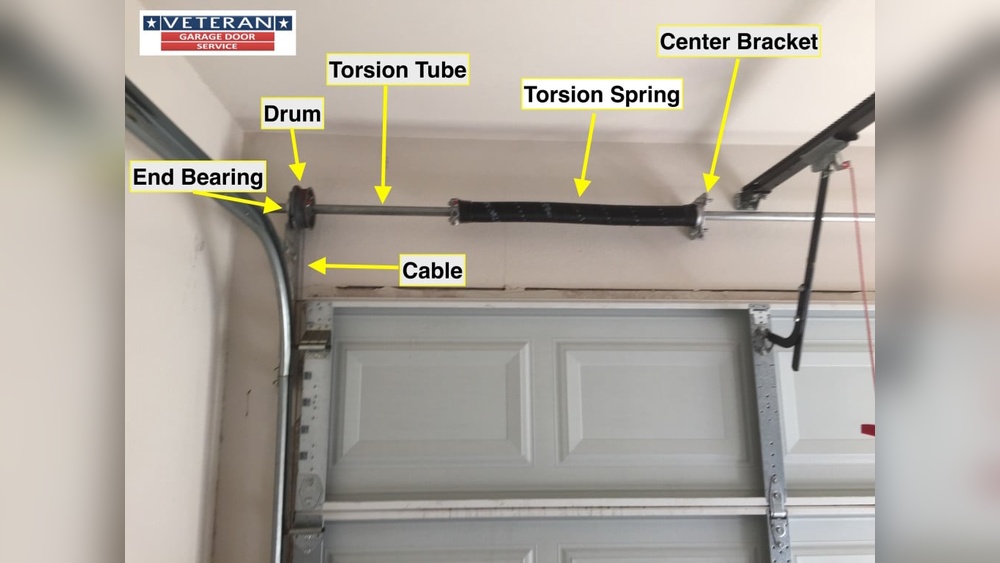
A torsion spring is a strong metal coil mounted above the garage door opening. It stores energy when you close the door and releases it to help lift the door when you open it. This simple idea makes it possible for a person—or an electric opener—to move a heavy garage door with little effort.
Torsion springs are different from extension springs, which stretch along the sides of the door. Torsion springs twist to store energy. This design gives better balance, control, and safety.
Key facts:
- Location: Above the door, mounted on a metal shaft
- Material: Usually high-strength steel
- Main job: Balances the door’s weight, making it easy to open and close
How Torsion Springs Work
When the garage door is closed, the springs twist and store energy. When you open the door, the energy is released, turning the shaft and helping lift the door. This means the opener or your hand only needs to supply a small force.
Basic process:
- Door closes: Springs twist, storing energy.
- Door opens: Springs unwind, releasing energy.
- The cycle repeats every time you use the door.
Non-obvious insight: The number of cycles (open/close actions) a spring is rated for is a key factor in how long it will last. Most standard springs are rated for about 10,000 cycles, which equals 7-10 years for an average family.
Types Of Garage Door Torsion Springs
Not all torsion springs are the same. There are several types, and picking the right one matters for safety and performance.
| Type | Where Used | Main Benefit |
|---|---|---|
| Standard torsion spring | Most residential doors | Reliable and cost-effective |
| Early set torsion spring | Special mounting situations | Fits limited spaces |
| Steel rolling door spring | Commercial/industrial doors | Handles heavy loads |
| Torque master spring | Wayne Dalton doors | Enclosed for extra safety |
Most homeowners will only need to know about the standard torsion spring. But if you have a custom or commercial door, check your manual or ask a pro.
Key Features And Specifications
Before buying a replacement or new spring, you need to know these important measurements:
- Wire size: The thickness of the wire. Common sizes are .207″, .218″, .225″, and .250″.
- Inside diameter: The width inside the coil. Standard sizes are 1.75″ and 2″.
- Spring length: How long the coil is when not stretched.
- Wind direction: Left-wound or right-wound. (This does NOT match the side of the door—check carefully.)
Why this matters: If you install the wrong size or wind direction, the door may not balance or could be unsafe.
Practical example: A typical 16’ x 7’ double garage door weighing 150 lbs usually needs a pair of .207″ wire, 2″ inside diameter, 24″ length springs. But doors can vary, so always measure.
Credit: garagedoors4you.com
Advantages Of Torsion Springs
Why Do Experts Recommend Torsion Springs Over Other Types?
- Smoother operation: Less jerking, better balance.
- Longer life: Torsion springs last 2-3 times longer than extension springs.
- Safer: If they break, they usually stay on the shaft, reducing the risk of injury.
- Less wear on opener: Balanced doors put less strain on your garage door opener.
These points make torsion springs the top choice for most modern garages.
How To Identify A Broken Or Failing Torsion Spring
A broken torsion spring is a common garage door problem, but not everyone recognizes the signs right away. Here are clear warning signs:
- Door won’t open: The opener hums, but the door stays shut.
- Loud bang: The spring snaps and hits the shaft or wall.
- Door is heavy: Hard to lift manually, even with two hands.
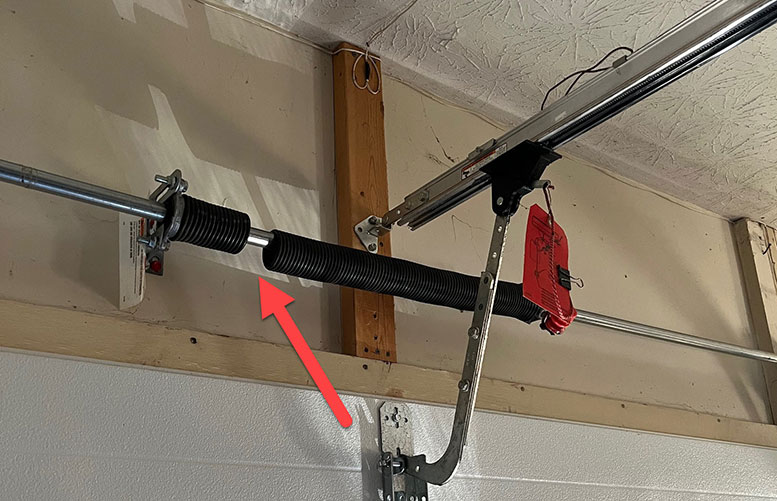
- Gap in the spring: A visible break or separation in the coil.
- Door moves unevenly: Jerks or tilts as it moves.
Non-obvious insight: If you notice rust, stretched coils, or the door moving slower than normal, the spring may be close to failure. Fixing it before it breaks will save money and trouble.

Credit: www.amazon.com
How Long Do Torsion Springs Last?
The life of a torsion spring is measured in cycles (one open and close = one cycle). Most standard residential springs last about 10,000 cycles.
Here’s what that means in real time:
- Once daily: 27 years
- Twice daily: 13-14 years
- Four times daily: 6-7 years
If your family uses the garage door a lot, your springs will wear out faster. Some heavy-duty springs are rated for 20,000 or even 50,000 cycles. Consider upgrading if you want longer life.
Safety Tips For Garage Door Torsion Springs
Torsion springs are under extreme tension. Even small mistakes can cause serious injury. Here’s how to stay safe:
- Never try to adjust or replace the spring yourself unless you have proper tools and training.
- Keep children and pets away from the area if you suspect a problem.
- Call a professional if the door doesn’t work smoothly.
- Check springs twice a year for rust, gaps, or wear.
- Lubricate springs with a light oil to prevent rust and noise.
Example: The torque stored in a wound spring for a standard two-car garage door can be over 100 lbs of force. If released suddenly, it can cause broken bones or worse.
Cost Of Replacing Garage Door Torsion Springs
The price of replacing a torsion spring depends on several factors:
- Type of spring
- Door size and weight
- Labor costs in your area
- Number of springs replaced
Typical cost breakdown (US, 2024):
| Service | Low | High |
|---|---|---|
| Single spring (parts + labor) | $150 | $250 |
| Double spring set (parts + labor) | $200 | $400 |
| Heavy-duty or custom spring | $300 | $600 |
Pro tip: If one spring breaks, it’s smart to replace both, since the other is likely to fail soon.
Choosing The Right Torsion Spring
Picking the correct spring is important for safety and long-term performance. Here’s how to make a good choice:
- Check your door weight: You can do this by disconnecting the opener and lifting the door. If it’s too heavy, you may need a stronger spring.
- Measure old spring: Note wire size, inside diameter, and length.
- Choose the right cycle rating: If you use the door often, consider a high-cycle spring.
- Confirm wind direction: Left or right wind—this is critical.
- Consult a professional: If unsure, get expert help.
Common mistake: Many people buy springs based only on length, ignoring wire size or diameter. This leads to poor balance and short life.
Credit: www.habprogaragedoors.com
Maintenance Tips For Garage Door Torsion Springs
Regular care can extend spring life and prevent sudden failures. Here’s what you should do:
- Lubricate the springs with garage door spray lube every 6 months.
- Check for rust and wipe with a dry cloth.
- Listen for squeaks or grinding noises.
- Watch for slow operation or doors that stop partway.
- Test the door balance: With the door halfway open, it should stay in place. If it drops, springs may need adjustment.
These simple steps add years to your system and reduce repair costs.
Torsion Springs Vs. Extension Springs
Some older garages use extension springs. Here’s how torsion springs compare:
| Feature | Torsion Spring | Extension Spring |
|---|---|---|
| Location | Above door | Along door sides |
| Balance | Excellent | Good |
| Safety | Safer if breaks | Can fly off |
| Cycle life | 10,000-50,000+ | 5,000-15,000 |
| Cost | Higher | Lower |
Insight: Torsion springs may cost more at first but give better performance and safety for most homes.
When To Call A Professional
While some minor garage door maintenance is safe for homeowners, anything involving torsion springs should be left to trained techs. Reasons to call a pro:
- Spring is broken or stretched
- Door is out of balance
- You hear a loud bang
- You see a gap in the spring
- Unusual noises or slow movement
Attempting DIY replacement without training can be very dangerous. Professionals have the right tools and experience to fix the problem safely and quickly.
Frequently Asked Questions
What Does A Garage Door Torsion Spring Do?
A garage door torsion spring lifts and lowers your garage door by balancing its weight. It stores energy as you close the door and releases it to help open the door, making it easy to move even heavy doors.
How Do I Know If My Torsion Spring Is Broken?
Typical signs of a broken spring include a door that won’t open, a loud bang from the garage, or a visible gap in the spring coil. If the door feels much heavier than usual, the spring may have failed.
How Long Do Garage Door Torsion Springs Last?
Most standard springs last about 10,000 cycles (open and close actions). For a family using the garage door four times a day, this equals about 6-7 years. High-cycle springs last longer.
Can I Replace A Garage Door Torsion Spring Myself?
It’s not recommended for beginners. Torsion springs are under high tension and can cause serious injury or death if handled incorrectly. Always call a professional for repairs or replacement.
How Much Does It Cost To Replace A Garage Door Torsion Spring?
The cost usually ranges from $150 to $400 for standard residential doors, including parts and labor. Prices are higher for custom or heavy-duty springs. Get a quote from a licensed technician for your specific door.
Garage door torsion springs may look simple, but they play a critical role in your home’s safety and comfort. A well-chosen, properly maintained spring helps your door work smoothly for years. Understanding the basics gives you confidence to spot problems early and make smart choices. For more in-depth technical details, visit the Wikipedia page on garage door openers. Always put safety first, and call a professional when in doubt.