
Should You Use A 1 Hp Garage Door Opener
Choosing the right garage door opener can feel confusing, especially if you’re new to home upgrades. You might see models with different horsepower (HP) ratings, and wonder: is a 1 HP garage door opener the right choice for you? In this guide, we’ll break down everything you need to know in simple terms. You’ll learn what a 1 HP opener can do, when you actually need one, and what to consider before buying. By the end, you’ll feel confident making the best choice for your garage.
Understanding Garage Door Opener Horsepower
Horsepower (HP) measures the motor’s strength. In garage door openers, common ratings are:
- 1/3 HP
- 1/2 HP
- 3/4 HP
- 1 HP
A higher HP means the motor can handle heavier doors with less effort. But bigger isn’t always better. Using a 1 HP opener on a light door can be wasteful, just as using a weak opener on a heavy door can lead to problems.
1 HP garage door openers are the most powerful residential models. They are designed for specific situations, not for every home.
What Makes A 1 Hp Garage Door Opener Special?
A 1 HP opener delivers:
- Strong lifting power: Can open the heaviest residential garage doors.
- Smooth operation: Less strain on the motor, even for oversized or insulated doors.
- Longer motor life: Handles heavy loads without burning out.
Here’s a quick look at how 1 HP compares to other options:
| HP Rating | Door Type Supported | Typical Use |
|---|---|---|
| 1/3 HP | Lightweight, single car | Small homes, detached garages |
| 1/2 HP | Standard, double car | Most homes |
| 3/4 HP | Heavier, insulated doors | Large garages, frequent use |
| 1 HP | Very heavy, oversized, custom doors | Extra-large, commercial-style garages |
When Should You Use A 1 Hp Garage Door Opener?
Not every garage needs this much power. Here’s when a 1 HP opener makes sense:
- Oversized or custom doors: Taller or wider than standard, often found in RV garages.
- Solid wood doors: Heavier than steel or aluminum.
- Heavily insulated doors: Thicker and weigh more.
- Frequent use: Multiple open/close cycles per day, such as shared garages or workshops.
- Wind-load doors: Built to handle strong winds, often heavier due to reinforcements.
Example
If your garage door is a double-wide, 10 feet tall, made from solid wood, or is an insulated commercial door, a 1 HP opener is often the best fit.
Pros Of Using A 1 Hp Garage Door Opener
There are real benefits to going with extra power:
- Handles any residential door: No worries about weight or size.
- Lasts longer under stress: Motor doesn’t struggle, so it wears out slower.
- Faster, smoother operation: Opens heavy doors without hesitation.
- Future-proof: If you upgrade to a heavier door later, you won’t need a new opener.
Here’s a simple data comparison for motor life:
| HP Rating | Expected Motor Life (Cycles) | Best Use Case |
|---|---|---|
| 1/2 HP | ~10,000 | Standard double car |
| 3/4 HP | ~15,000 | Large, frequent use |
| 1 HP | ~20,000+ | Heavy, oversized doors |
Cons Of Using A 1 Hp Garage Door Opener
But more power isn’t always perfect. Consider these drawbacks:
- Higher cost: Both the opener and installation are more expensive.
- Louder operation: Bigger motors can be noisier, unless you choose a quiet drive type.
- Uses more electricity: Not a big difference, but can add up.
- May be overkill: For light or standard doors, it’s unnecessary.
Practical Insight
Many beginners think “stronger is always better. ” In reality, using a 1 HP opener on a light door can make the door open too fast, causing safety concerns and more wear on the hardware.
How To Know If You Need 1 Hp
Don’t guess—measure your door and check the specs. Here’s how:
- Measure door size: Height, width, and thickness.
- Find the material: Wood, steel, aluminum, or composite.
- Check insulation: Insulated doors weigh more.
- Count daily cycles: More use needs more power.
If your door is over 16 feet wide, over 8 feet tall, made of solid wood, or weighs over 350 pounds, a 1 HP opener is usually a smart choice.

Credit: allsecurityequipment.com
Comparing 1 Hp To Lower Hp Openers
If you’re not sure, let’s break down some common situations:
- Single car, standard steel door: 1/2 HP is enough.
- Double car, insulated door: 3/4 HP works well.
- RV, oversized, or custom wood door: 1 HP is best.
Here’s a quick comparison:
| Situation | Recommended HP | Why? |
|---|---|---|
| Standard, uninsulated door | 1/2 HP | Lightweight, low stress |
| Wide, insulated steel door | 3/4 HP | Heavier, moderate stress |
| Oversized, wood, or wind-load door | 1 HP | Maximum strength needed |
Common Mistakes Beginners Make
Many first-time buyers choose a 1 HP opener because they think “more power means less trouble.” But that’s not always true. Here are some mistakes to avoid:
- Ignoring door weight: The opener needs to match the actual door, not just look strong.
- Not checking door balance: A poorly balanced door strains even a 1 HP opener.
- Choosing based on price: A bigger motor costs more to buy and run.
- Forgetting noise level: Chain drives are noisier, especially with powerful motors.
- Overlooking warranty: Stronger motors often have better warranties, but not always.
Installation And Maintenance
A 1 HP garage door opener is heavier and sometimes more complex to install. Here’s what you should know:
- Professional installation recommended: Especially for large doors.
- Stronger mounts needed: The ceiling mount and door hardware must handle the extra force.
- Regular maintenance: Lubricate tracks and check alignment to avoid damage.
- Check safety systems: Bigger motors can move doors faster—make sure sensors work well.
Example
If you switch from a 1/2 HP to a 1 HP, your old mounting brackets may not be strong enough. Installers often upgrade these parts for safety.
Drive Types For 1 Hp Openers
The drive type affects noise, speed, and smoothness. Common options:
- Chain drive: Most affordable, but loudest.
- Belt drive: Quieter, good for attached garages.
- Screw drive: Fast and strong, but needs more maintenance.
- Direct drive: Quietest and smoothest, but pricier.
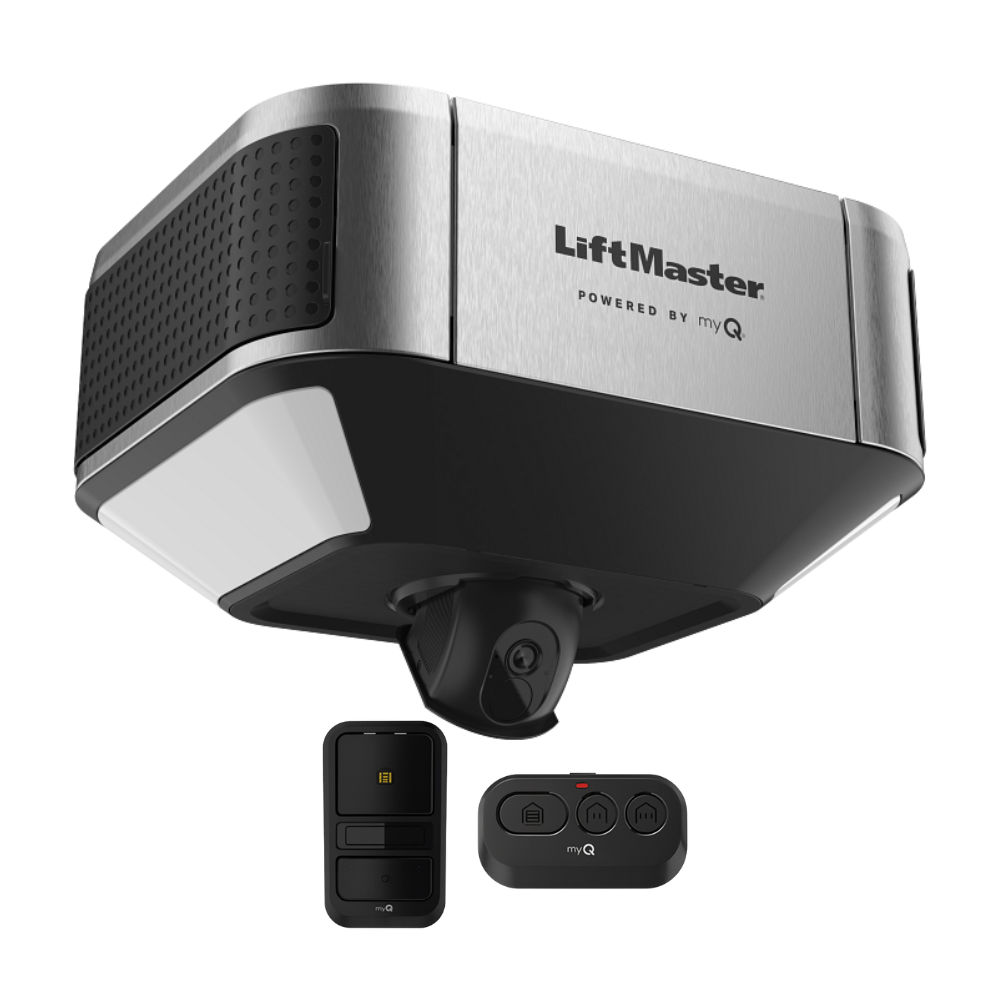
For a 1 HP motor, belt or direct drive is often best for homes. They handle the power well and keep noise down.
Credit: allsecurityequipment.com
Real-world Example
Let’s say you own a large double garage with an 18-foot-wide, 9-foot-tall insulated steel door. The door weighs around 300 pounds. A 1/2 HP opener would struggle, likely failing after a couple of years. A 3/4 HP might work, but would be under stress.
A 1 HP opener, on the other hand, lifts the door easily, lasts longer, and handles frequent use.
Cost Breakdown
Expect to pay more for a 1 HP opener:
- Unit cost: $250–$500 for the opener itself.
- Installation: $150–$300, more if upgrades are needed.
- Total: $400–$800+
Compare this to 1/2 HP models, which often cost $150–$350 installed.
Energy Use
A 1 HP opener draws more power—about 550–750 watts while operating. Most people use their garage door 4-6 times per day, so the extra energy cost is small. Still, if you’re energy-conscious, a smaller motor is a better fit unless you need the extra power.
Should You Upgrade To A 1 Hp Opener?
Upgrade if:
- Your current opener strains or makes grinding noises.
- The door is heavier than average or custom-built.
- You plan to use your garage as a workshop with frequent open/close cycles.
- Your area has strong winds and your door is reinforced.
Stick with a lower HP model if:
- Your door is standard size and material.
- You only use the garage for cars and storage.
- Noise is a top concern and you want the quietest option.
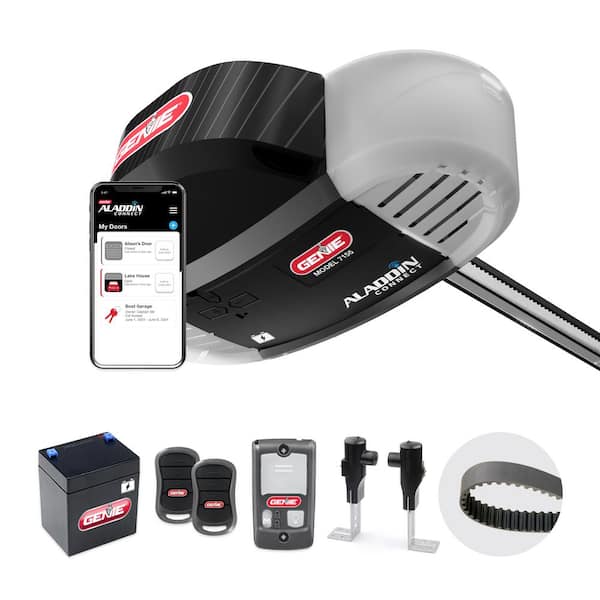
Credit: www.homedepot.com
Where To Buy And What To Look For
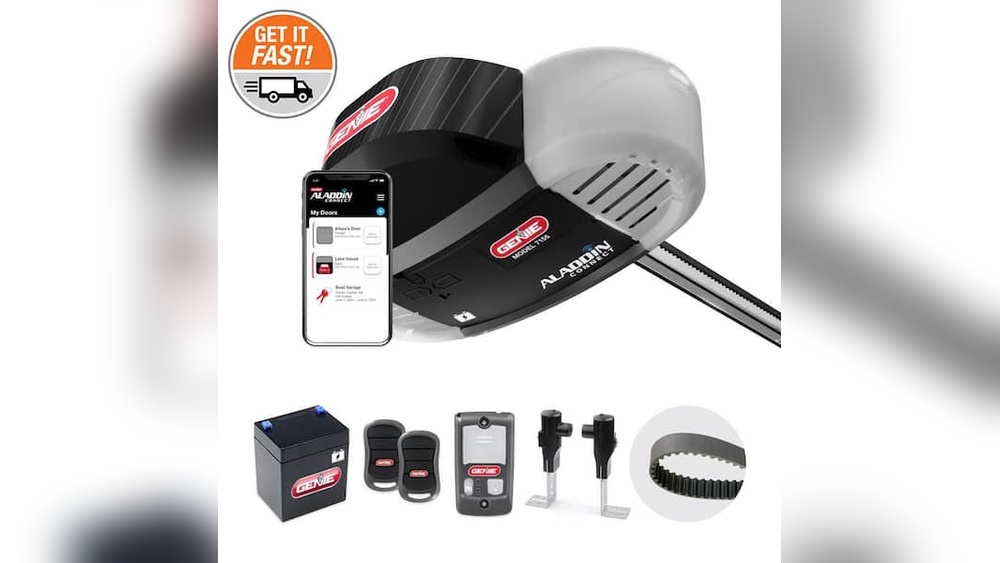
Choose a reputable brand like Chamberlain, LiftMaster, or Genie. Look for these features:
- Safety sensors: Required by law in most states.
- Battery backup: Opens door during power outages.
- Smart controls: Control from your phone.
- Warranty: At least 5 years on the motor.
Check user reviews for real-world reliability. For more technical info, see Wikipedia.
Practical Tips For First-time Buyers
- Don’t overbuy: Match opener HP to your door’s weight and size.
- Ask for help: If unsure, get advice from a local installer.
- Think long-term: If you plan to add insulation or upgrade your door, consider a stronger motor now.
- Test door balance: A well-balanced door lifts easily by hand—if not, fix this before installing any opener.
- Check garage wiring: 1 HP openers sometimes need dedicated circuits.
Frequently Asked Questions
Is A 1 Hp Garage Door Opener Too Strong For My Home?
If your door is standard size and material, yes—it’s more power than needed. Use 1 HP only for heavy, oversized, or custom doors.
Will A 1 Hp Opener Make My Garage Door Open Faster?
Not always. Opener speed depends on both motor power and the drive system. Too much speed can be dangerous; many openers limit speed for safety.
Is A 1 Hp Opener Noisier Than Smaller Models?
It can be, especially with a chain drive. Choose a belt or direct drive for quieter operation.
How Long Does A 1 Hp Garage Door Opener Last?
With proper maintenance, expect 15–20 years or more. They are built for heavy use.
Can I Install A 1 Hp Garage Door Opener Myself?
It’s possible, but not recommended for beginners. The heavy motor and strong force require careful installation for safety.
A 1 HP garage door opener is powerful and reliable—but only necessary for specific garage doors. For most homes, a smaller motor does the job well, saving you money and noise. Match the opener to your actual needs, not just the biggest number you see.
That’s the best way to get years of smooth, safe garage door operation.