
Garage Door Weight: What You Need To Know
Many homeowners don’t think about the weight of their garage door until there’s a problem. Yet, understanding garage door weight can save you from costly mistakes, improve safety, and help you choose the right opener or springs. This topic might sound technical, but with simple explanations and real-life examples, you’ll see why garage door weight matters for every home.
Why Garage Door Weight Matters
The weight of your garage door affects almost every part of its operation. Here’s why it’s important:
- Safety: Heavy doors can fall with great force if springs fail.
- Opener selection: Not all openers can lift heavy doors.
- Spring and cable sizing: The right balance depends on knowing the true weight.
- Manual operation: Lighter doors are easier to lift by hand.
If you choose the wrong components, your door might stop working or become dangerous.
Common Garage Door Types And Their Weights
Garage doors come in several materials and styles. Each type has a typical weight range. See the table below for a quick comparison.
| Garage Door Material | Single Door (8×7 ft) | Double Door (16×7 ft) | Insulated? |
|---|---|---|---|
| Steel (non-insulated) | 80–120 lbs | 150–210 lbs | No |
| Steel (insulated) | 95–150 lbs | 170–250 lbs | Yes |
| Wood | 130–180 lbs | 300–400 lbs | Optional |
| Aluminum | 60–90 lbs | 120–180 lbs | Rare |
| Fiberglass | 80–120 lbs | 150–210 lbs | Optional |
Single doors are lighter and easier to lift, while double doors can be very heavy, especially in wood. Adding insulation increases weight.
Factors That Affect Garage Door Weight
Not every door of the same size weighs the same. Here’s what changes the weight:
- Material: Wood is much heavier than steel or aluminum.
- Size: Bigger doors always weigh more.
- Insulation: Foam panels or layers add extra pounds.
- Windows: Glass inserts add weight, especially if large or double-pane.
- Hardware: Tracks, hinges, and handles also add a few pounds.
- Age and Water Damage: Old wood doors can absorb moisture and become heavier.
For example, a standard 16×7 ft double wood door with windows and insulation can weigh over 400 lbs, while an uninsulated aluminum door of the same size might be under 150 lbs.
How To Estimate Your Garage Door’s Weight
Many homeowners wonder how to find out their door’s weight. Here are some simple ways:
1. Check The Manufacturer’s Label
Most newer doors have a label on the edge or bottom with weight and model information. Look for:
- Serial or model number
- Size and material
- Exact weight (in pounds)
If you find this label, use the listed weight for any repairs or upgrades.
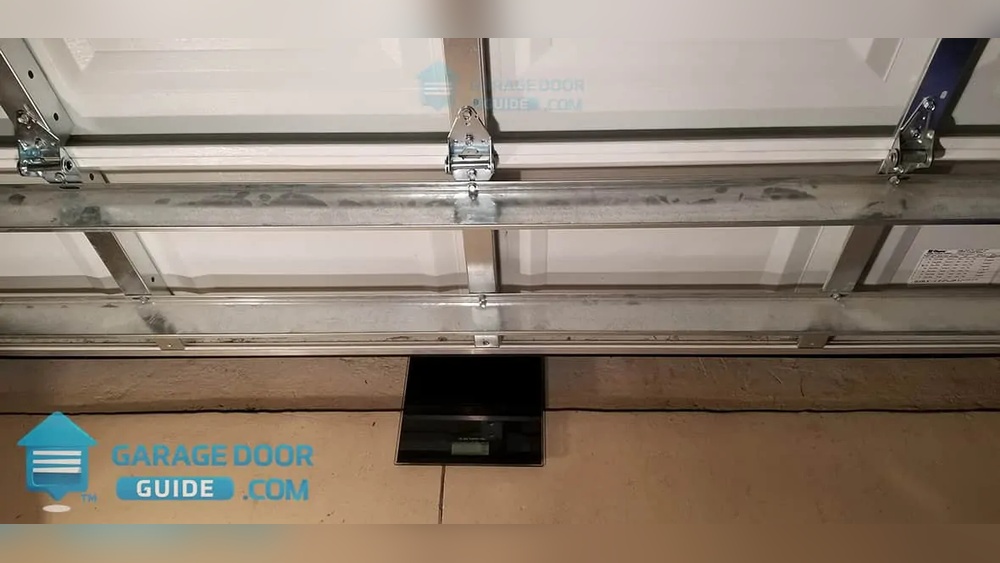
2. Use A Bathroom Scale And Clamp
If there’s no label, you can estimate the weight with a helper:
- Disconnect the opener and release the door from the track.
- Place a sturdy bathroom scale under one side.
- Carefully lower the door onto the scale, then repeat on the other side.
- Add both readings together.
*Pro tip:* Only do this if you’re comfortable, and the springs are not under tension.
3. Calculate Based On Material And Size
If you can’t weigh the door, use average weights:
- Steel (single, non-insulated): 100 lbs
- Steel (double, insulated): 200 lbs
- Wood (double): 350 lbs
Always round up for safety.
4. Ask A Professional
Garage door technicians have special tools and experience. For precise results, let a pro weigh your door during maintenance.

Credit: help.idealinc.com
The Role Of Springs And Openers
The weight of your garage door decides what kind of springs and openers you need. If the weight is wrong, the door might not open, or the system could fail.
Springs
Two main types of springs are used:
- Torsion springs: Mounted above the door, last longer, handle heavier doors.
- Extension springs: On the sides, used for lighter doors.
If the spring is too weak, the door will feel heavy or may not stay open. Too strong, and the door might not close fully.
Openers
Not all garage door openers are built for heavy doors. Check the horsepower rating:
- 1/2 HP: For single, non-insulated steel or aluminum doors (up to 150 lbs)
- 3/4 HP: For double, insulated, or wood doors (150–350 lbs)
- 1 HP: For very heavy or commercial doors (over 350 lbs)
Using an undersized opener will wear out the motor quickly.
Real-life Examples: Why Weight Surprises Homeowners
Let’s look at common situations:
- Upgrading to insulation: Homeowner adds insulation panels to a basic steel door. The weight goes from 100 lbs to 160 lbs. The old opener now struggles.
- Switching from aluminum to wood: New wood door is double the weight. The existing springs and opener are no longer suitable.
- Waterlogged wood: After years, a wood door absorbs water and becomes heavier. The springs can’t hold it open, making the door unsafe.
In all these cases, knowing the new weight saves money and prevents accidents.
Dangers Of Ignoring Garage Door Weight
Not understanding your garage door weight can cause:
- Spring failure: Springs break or snap, leading to sudden drops.
- Opener burnout: Motor overheats and fails.
- Cable snapping: Cables under too much tension may fray or break.
- Injury: Heavy doors can fall unexpectedly.
One overlooked point: sometimes, the door feels “light” because the springs are helping. If springs break, the true weight is suddenly obvious and dangerous.
How To Balance A Garage Door
A well-balanced door should:
- Stay in place if you lift it halfway and let go (with opener disconnected).
- Feel about 10–20 lbs heavy at most.
If the door slams down or shoots up, the springs are not matched to the weight. Adjusting springs is risky and should be done by a professional.
Maintenance And Weight Changes Over Time
Garage doors don’t stay the same weight forever. Here’s what can change:
- Weather: Wood absorbs water and gets heavier.
- Upgrades: Adding windows or insulation panels.
- Rust or debris: Can add weight or make lifting harder.
Regular maintenance should include checking balance and looking for signs of strain (loud noises, slow opening, cables fraying).
Practical Tips For Homeowners
- Know your door’s weight before buying a new opener or springs.
- Keep the label with weight and model in a safe place.
- Check balance every 6 months.
- Don’t overload: Avoid hanging heavy items on the door.
- Call a pro if anything feels unusually heavy or the door doesn’t move smoothly.
Garage Door Weight And Energy Efficiency
Insulated garage doors are heavier, but they help keep your garage warmer in winter and cooler in summer. This can save money on energy bills. However, always check if your opener and springs can handle the extra weight before upgrading.
Garage Door Weight: Data At A Glance
Here’s a quick look at how different factors add to the weight:
| Factor | Weight Added (lbs) |
|---|---|
| Insulation panels (single door) | +20–40 |
| Large glass windows | +10–30 |
| Steel hardware upgrade | +5–15 |
| Water damage (wood) | +20–50 |
This shows how quickly a basic door can become much heavier over time.
How To Choose The Right Opener And Springs
Making the right choice is easier if you know your door’s weight:
- Find the weight: Use a scale, label, or estimate based on type and size.
- Check opener specs: Match the weight to the manufacturer’s recommended horsepower.
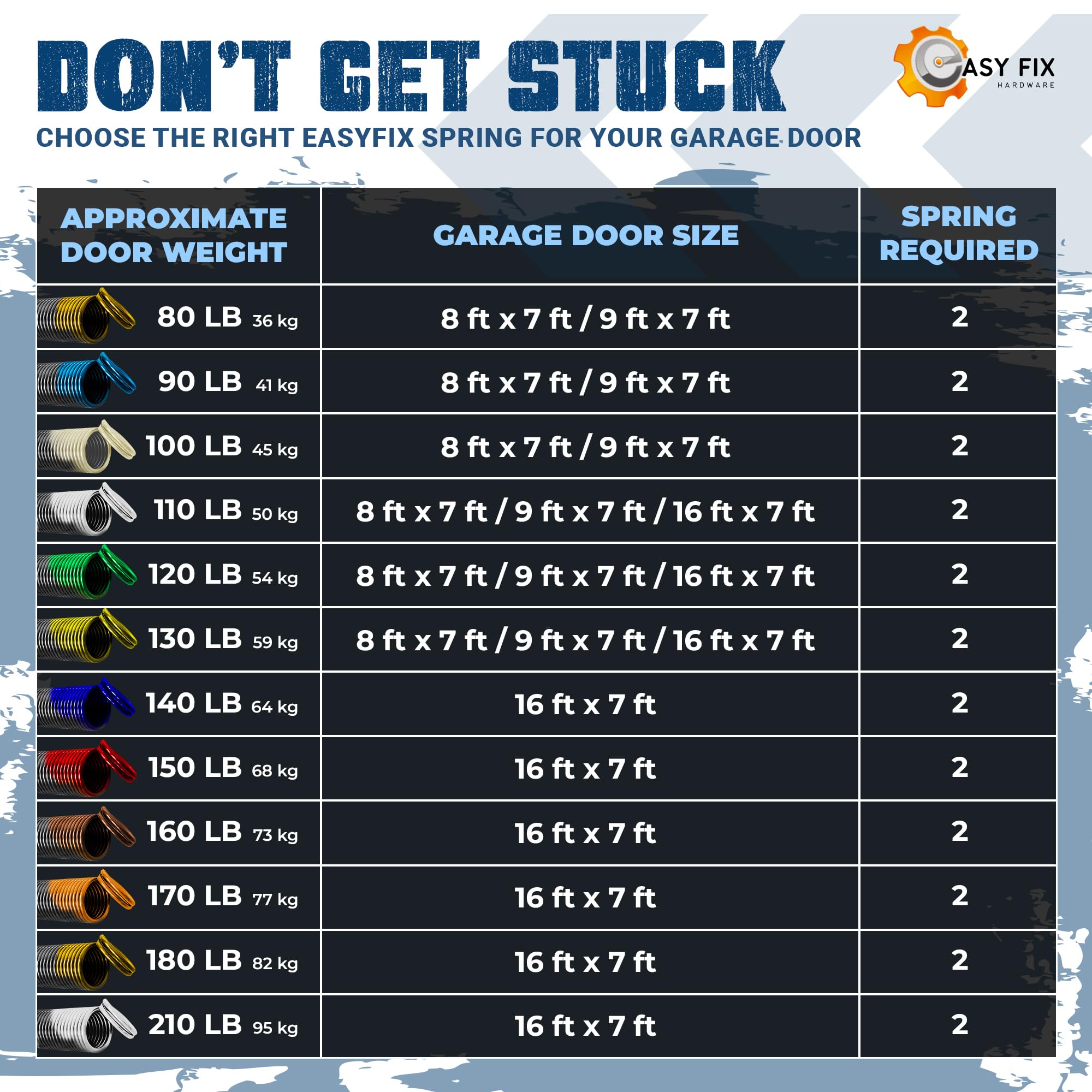
- Choose springs: Use a spring size chart or ask a pro. Never guess.
- Plan for upgrades: If you’ll add insulation or windows later, choose stronger parts now.
Many people overlook the future. If you might add insulation, buy a stronger opener and springs now.
Common Myths About Garage Door Weight
- Myth: “All garage doors weigh about the same.”
Fact: They can range from 60 lbs to over 400 lbs.
- Myth: “If my opener lifts it, the springs must be right.”
Fact: Openers can work overtime, hiding weak springs until failure.
- Myth: “Light doors don’t need maintenance.”
Fact: All doors need regular checks, regardless of weight.

Credit: veterangaragedoor.com
When To Call A Professional
There are times when DIY is not safe:
- Spring replacement: Springs are under high tension.
- Door feels much heavier: Indicates spring failure or cable problem.
- Adding insulation or windows: Increases weight, may need new springs or opener.
A professional can measure, balance, and adjust everything safely.
Environmental Impact Of Garage Door Weight
Heavier, insulated doors use more material, but they often last longer and save energy. Lighter doors use less material but may not insulate as well. Choose what fits your climate and needs.
For a deeper look at garage door construction and materials, see this Wikipedia page.
Credit: linearcollider.org
Frequently Asked Questions
How Do I Know If My Garage Door Is Too Heavy For My Opener?
If your opener struggles, makes grinding noises, or the door moves slowly, it may be overloaded. Always check the opener’s horsepower rating and compare it to your door’s weight.
Can I Add Insulation To My Existing Garage Door?
Yes, but adding insulation will increase the door’s weight by 20–40 lbs for a single door. You may need to upgrade springs or the opener to handle the extra weight.
What Happens If My Springs Are Not Matched To The Door Weight?
If springs are too weak, the door will be hard to lift and may not stay open. If too strong, the door might not close fully or could move too quickly, which is dangerous.
Is It Safe To Replace Garage Door Springs Myself?
No. Springs are under high tension and can cause injury. Always hire a professional for spring replacement or adjustment.
How Often Should I Check My Garage Door’s Balance And Weight?
Test your garage door’s balance every 6–12 months, especially after adding insulation or windows. Regular checks can prevent accidents and extend the life of your opener and springs.
Garage door weight is not just a number—it affects your safety, your wallet, and your peace of mind. Whether you’re buying a new door, upgrading your opener, or just curious, knowing the basics helps you make smart choices. By understanding the true weight and how it changes, you’ll keep your garage door working smoothly for years to come.