
If you’ve pulled the red cord on your garage door opener, you might find the door stuck in manual mode. Many homeowners worry something is broken or need professional help. The truth is, resetting your garage door opener after pulling the red emergency release cord is simple if you know what to do. This guide explains every step in plain English, with practical tips and answers to common questions.
Why The Red Cord Matters
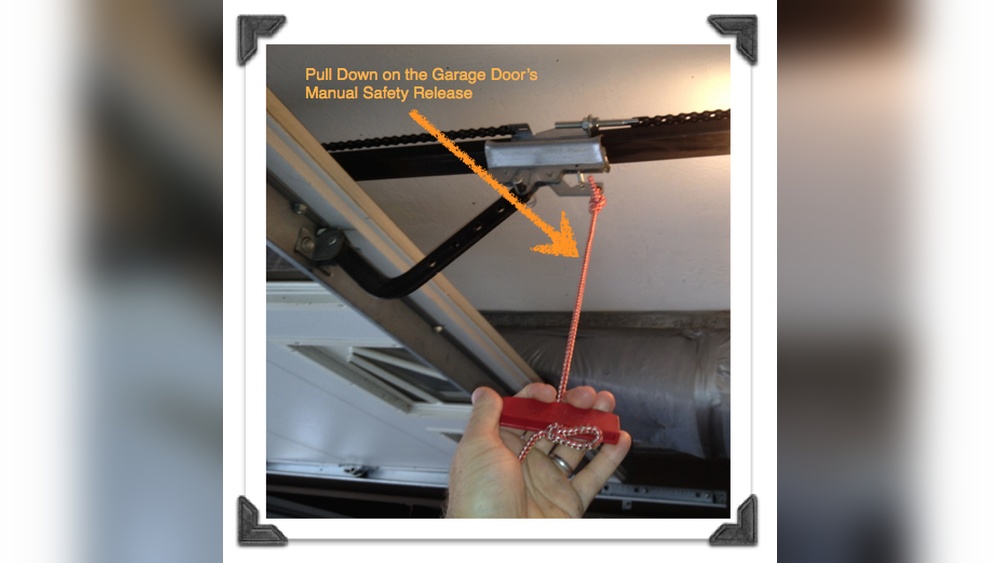
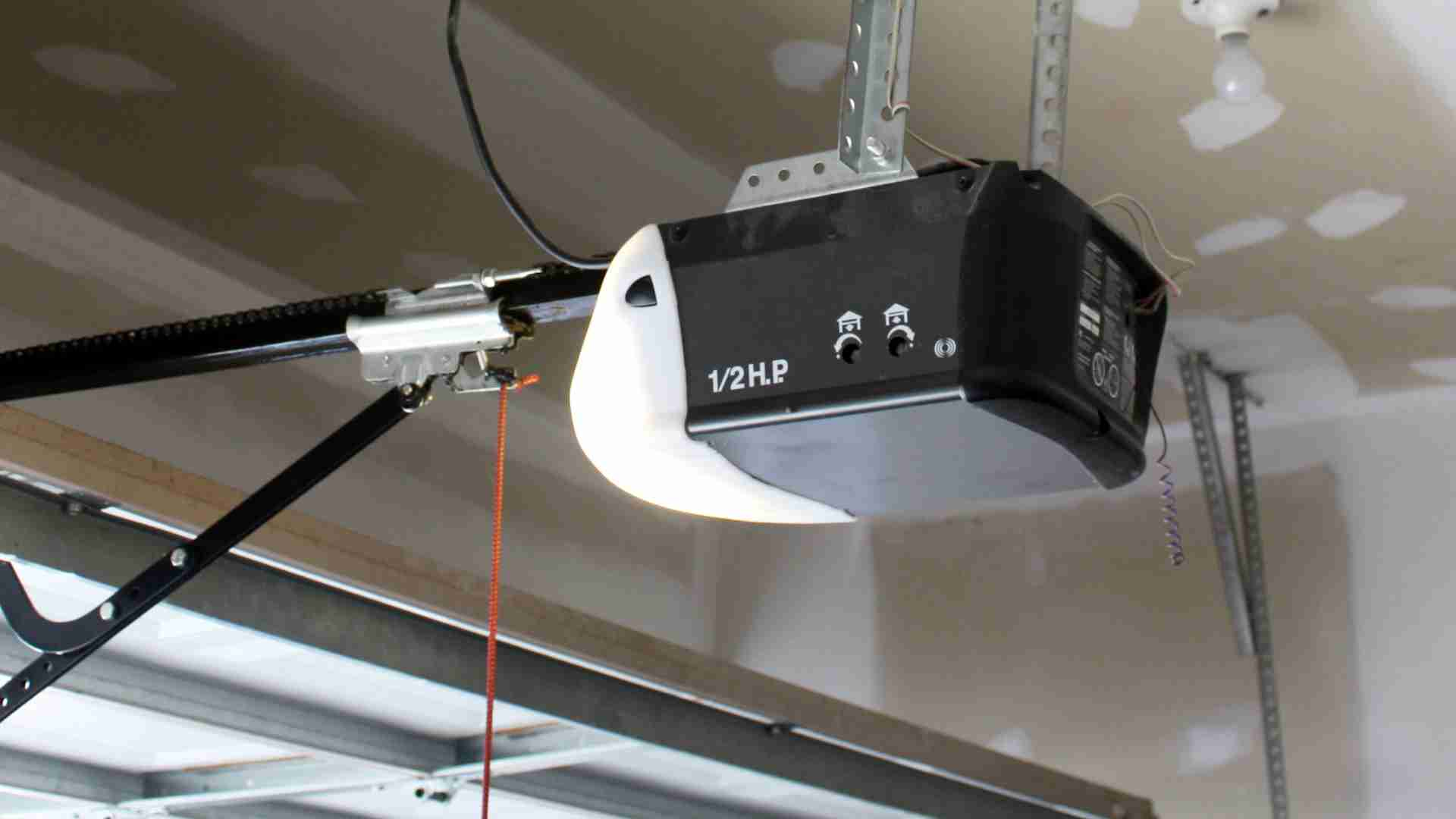
Every automatic garage door opener has a red emergency release cord. This cord disconnects the door from the motor, letting you open or close it by hand. People pull it during a power outage, when a car is stuck inside, or if the opener isn’t working.
After pulling the cord, the opener stays in manual mode. The motor will run, but the door won’t move. Many people get confused at this stage.
Common reasons to pull the red cord:
- Power outage or dead opener
- Something blocks the door’s path
- Testing the door’s balance
- Repairs or maintenance
Key fact: Pulling the red cord is safe and normal. The problem comes when you want to return to automatic mode and aren’t sure how.
What Happens When You Pull The Red Cord
Understanding how the release mechanism works makes it easier to reset. When you pull the cord:
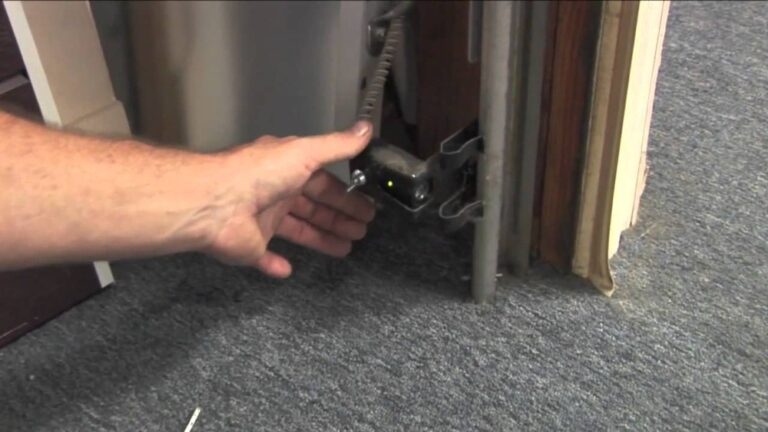
- The trolley (the part connecting the opener arm to the door) disconnects from the opener carriage.
- The door is now independent. You can lift or lower it by hand.
- The opener motor still works, but it’s not connected to the door.
It’s easy to forget the motor is fine—the opener simply isn’t attached. No need to panic or call for repairs yet.
Non-obvious insight: If the door feels heavy or sticks when moved by hand, the springs may need adjustment. Don’t force it—this can be dangerous.
Credit: www.garagedoorrepair.com
Resetting Your Garage Door Opener: Step-by-step
Most garage doors use a similar reset process, but check your owner’s manual for details. Here’s the basic method for reconnecting after the red cord is pulled.
1. Ensure Safety First
- Check the area around the door.
- Make sure nobody is standing under the door.
- Confirm the door’s path is clear.
Never reset a door that’s off its tracks or looks damaged. Call a professional if you see bent rails, loose cables, or broken springs.
2. Close The Door Completely
- Lower the garage door all the way by hand if possible.
- Align the bottom with the floor.
- This step is important for the trolley to reconnect smoothly.
Pro tip: Doors not fully closed may not reconnect. If your door is too heavy, ask for help.
3. Locate The Trolley And Red Cord
- Find the trolley on the opener rail (the bar running from the motor to the door).
- The red cord hangs from the trolley’s release lever.
Note: The cord may swing freely after being pulled.
4. Re-engage The Trolley
There are two common ways to reset, depending on your opener:
Automatic Reconnection (most Modern Openers)
- Press the wall button or remote to open the door.
- The trolley will automatically slide and re-engage with the opener’s carriage.
- You’ll hear a loud “click” when it locks back in.
Tip: If the door doesn’t move but the motor runs, stop and check alignment.
Manual Reconnection (some Older Models)
- Pull the red cord down and toward the door (not straight down) to reset the lever.
- Move the door by hand until you hear the trolley snap into place.
Most openers use automatic reconnection, but some require this manual push.
5. Test The Opener
- Press the wall button or remote.
- Watch the door go up and down.
- Listen for smooth movement and a firm “click” where the trolley locks.
If the door moves normally, you’re done. If not, check:
- Is the opener light flashing? (This may signal a problem.)
- Is the door stuck or off balance?
- Is the trolley firmly reconnected?
Address any issues before repeated use.
6. Reset The Remote (if Needed)
Usually, you don’t need to reset the remote after the red cord is pulled. If the opener doesn’t respond:
- Replace the remote battery.
- Reprogram the remote (follow your brand’s instructions).
- Check the opener’s lock feature (sometimes a wall button disables remote use).
Real-world Example
Let’s say Maria pulls her red cord during a power outage. Once power returns, her opener runs, but the door won’t move. She follows these steps:
- Maria closes the door by hand.
- She presses her wall button.
- The trolley slides and reconnects with a click.
- Her door now opens and closes with the remote.
Common mistake: Forgetting to close the door fully before pressing the opener. This can prevent reconnection.
Common Problems And Solutions
Many homeowners face the same issues after pulling the red cord. Here’s how to fix them:
Door Doesn’t Reconnect
- Make sure the door is fully closed.
- Try moving the door by hand to align the trolley.
- Listen for the click that means it’s reconnected.
Opener Runs But Door Doesn’t Move
- The trolley is still disconnected.
- Repeat the reconnection steps.
- Check for obstructions or broken parts.
Door Is Heavy Or Hard To Move
- Springs may be weak or broken—do not force the door.
- Call a garage door technician for help.
Remote Doesn’t Work
- Check the wall button first.
- Replace the remote battery.
- Reprogram if needed.
Pro insight: If you hear grinding noises or the opener moves but the door stays put, the trolley is probably not reconnected.
Comparison Of Automatic Vs. Manual Reconnection
Understanding the difference can help you troubleshoot:
| Feature | Automatic Reconnection | Manual Reconnection |
|---|---|---|
| Action Needed | Press opener button | Move door by hand |
| Typical Openers | Most modern brands | Older or basic models |
| Common Mistake | Door not fully closed | Trolley not aligned |
| Sound When Connected | Loud click | Snap or click |
Safety Considerations
Garage doors are heavy and contain strong springs. Resetting the trolley is safe, but always use caution.
- Keep children and pets away.
- Never force the door if it’s stuck.
- If you see frayed cables or broken springs, stop and call a pro.
Important: Serious injuries can happen if you try to repair springs yourself.
Types Of Garage Door Openers And Their Reset Methods
Different openers may have small differences in how to reset after using the red cord.
| Brand/Type | Typical Reset Method | Special Notes |
|---|---|---|
| Chamberlain/LiftMaster | Automatic reconnection | Close door, press button |
| Genie | Manual or automatic | Sometimes needs hand alignment |
| Craftsman | Automatic reconnection | Easy for beginners |
| Older Brands | Manual only | May lack click sound |

Credit: www.garagedoortrack.com
Practical Tips For Easy Reset
- Label the red cord with a tag: “Pull for manual, reconnect by closing door and pressing opener.”
- Keep a flashlight in the garage in case you need to reset during a power outage.
- Test the door balance once a year by lifting it halfway. If it moves up or down, springs may need service.
- Watch for warning signs: Jerky movement, loud noises, or uneven closing.
Beginner’s insight: Many people don’t realize the opener’s light or blinking codes can show what’s wrong. Check your manual for error codes.
When To Call A Professional
Some problems need expert help:
- The door is crooked or off its tracks.
- You see broken springs or loose cables.
- The door won’t move even after following all steps.
- The opener makes grinding or banging noises.
Never try to repair springs or cables yourself. These parts are under high tension and can cause injury.
Resetting After A Power Outage
Power outages are the most common reason people use the red cord. Here’s what to do once power returns:
- Make sure the door is closed.
- Reconnect the trolley (automatic or manual).
- Test with the wall button or remote.
- If the opener needs to be reset, unplug it for 30 seconds, then plug back in.
Extra tip: Some openers have battery backup. If yours does, you may never need to pull the red cord during outages.
Key Data: How Often People Use The Red Cord
Research shows about 40% of homeowners pull the red cord at least once every two years, usually during power outages or opener failures. About 1 in 5 calls to garage door services are related to reconnecting after using the emergency release.
Insight: Most of these calls could be avoided with clear instructions.
Troubleshooting Quick Reference
Here’s a quick lookup for common issues:
| Problem | Likely Cause | What to Do |
|---|---|---|
| Opener runs, door doesn’t move | Trolley not reconnected | Close door, press wall button |
| Door is hard to move by hand | Spring or track problem | Call a professional |
| Remote doesn’t work | Battery, lock mode, or not reconnected | Check wall button, replace battery |
| Loud bang or grinding noise | Mechanical problem | Stop and seek help |
Frequently Asked Questions
How Do I Know If The Trolley Is Reconnected?
Listen for a loud click when the opener runs. The door should move up and down smoothly with the remote or wall button. If the opener runs but the door stays still, the trolley is not reconnected.
Why Is My Garage Door Opener Running But The Door Doesn’t Move After Pulling The Red Cord?
This usually means the trolley is disconnected. Follow the steps to close the door fully and press the opener button to reconnect. If it still doesn’t work, check for obstructions or mechanical problems.
Is It Safe To Pull The Red Cord With The Door Open?
It’s safer to pull the red cord when the door is fully closed. If you pull it while open, the door may drop suddenly. Always hold the door firmly if you must disconnect it while open.
Do I Need To Reset My Remote Or Keypad After Using The Red Cord?
Usually, you do not need to reset the remote or keypad. If the door opener does not respond, check batteries, reprogram, or check if the wall control is in lock mode.
What If The Garage Door Still Doesn’t Work After Resetting?
If the door remains stuck, moves unevenly, or the opener makes loud noises, stop and call a professional. Do not force the door—this can cause injury or more damage.
For more information about garage door safety and opener models, see the Consumer Reports Garage Door Opener Guide.
Resetting your garage door opener after pulling the red cord doesn’t have to be stressful. With clear steps and a bit of caution, most people can do it in a few minutes. Always put safety first, and ask for help if something doesn’t feel right.
This way, your garage will be secure, and your opener will work smoothly for years to come.

Credit: bcsoverheaddoortx.com