
Securing your garage door is one of the smartest steps you can take to protect your home and belongings. Many people don’t realize that a garage is often the weakest point in home security. Burglars know this, so making your garage door strong and locked is essential—even more so if your garage connects directly to your house.
In this guide, you’ll discover simple, practical methods to lock a garage door, learn about different types of locks, and understand what really keeps your property safe.
Why Locking Your Garage Door Matters
A garage door is more than just an entrance for cars. It’s a main access point for tools, bikes, storage, and sometimes even your house. Here’s why you should focus on locking it:
- Home Security: About 9% of burglars enter through a garage, according to the FBI.
- Protect Valuables: Garages often store expensive equipment, vehicles, or personal items.
- Prevent Easy Entry: Many garages connect to the main house. If the garage is unlocked, intruders can reach inside easily.
- Insurance Requirements: Some policies may require secure garages for full coverage.
Most break-ins happen when homeowners forget to lock their garage or use weak locks. Even small steps can make a big difference.
Types Of Garage Door Locks
Understanding your options helps you pick the best lock for your needs. Here are the most common types:
| Lock Type | Best For | Pros | Cons |
|---|---|---|---|
| Side Bolt | Manual doors | Easy to install, strong | Manual operation only |
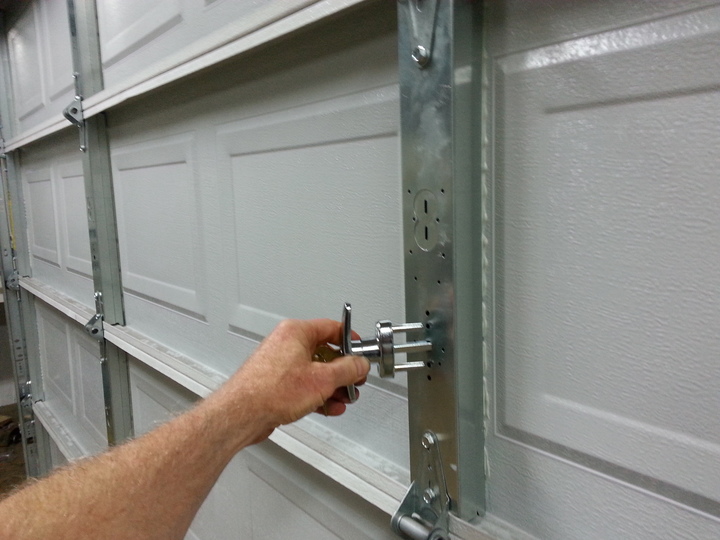
| T-Handle Lock | Older doors | Replaces old locks, affordable | Can be picked |
| Electronic Lock | Automatic doors | Remote control, modern | Needs power, costlier |
| Padlock with Hasps | Detached garages | Very secure, visible | Needs drilling |
If you’re unsure, look at your garage door’s age, material, and daily use. For manual doors, side bolts or padlocks work best. For automatic doors, electronic locks add convenience and security.
How To Lock A Manual Garage Door
Most manual garage doors are made of steel or wood. They usually swing up or roll. Here’s how to lock them:
Step 1: Check Existing Lock
- Look for a built-in lock or handle. Many manual doors already have a lock that needs a key.
- Test the lock to see if it works smoothly.
Step 2: Install A Side Bolt Lock
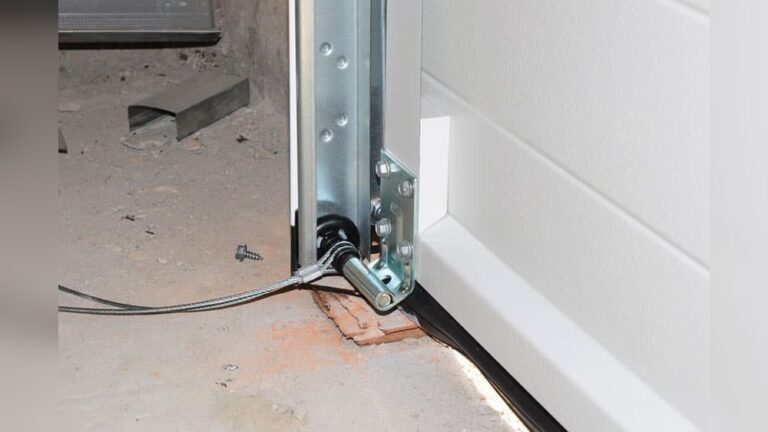
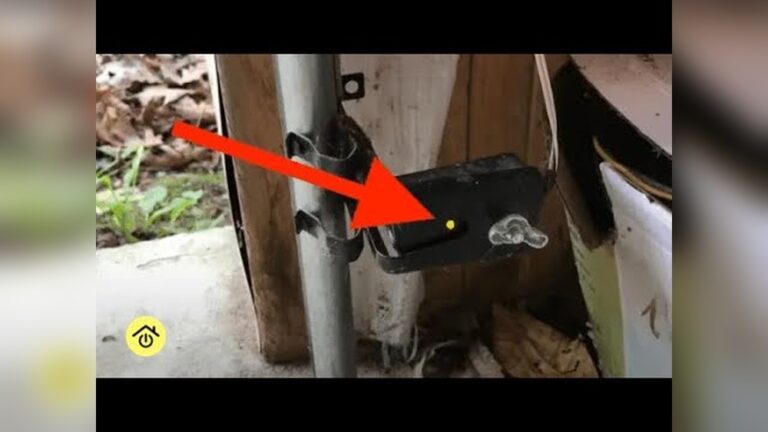
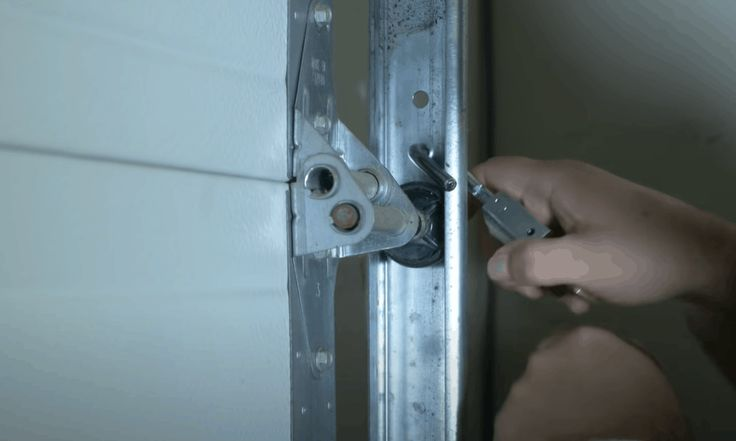
A side bolt lock is simple and strong. It slides a metal bar into the track, stopping the door from moving.
- Buy a side bolt kit. Most cost $15–$30.
- Place the bolt inside the garage, near the door track.
- Drill holes and mount the lock using included screws.
- Slide the bolt to lock. To unlock, slide it back.
Most beginners overlook the need to align the bolt perfectly with the track. If the bolt isn’t straight, the door may jam.
Step 3: Add A Padlock For Extra Security
- Attach hasps (metal loops) to the door and frame.
- Place a padlock through the hasps.
- Choose a padlock with a thick shackle—at least 8mm—for strength.
This method is very visible, which can scare off thieves. But avoid cheap padlocks; they break easily.
Step 4: Test The Lock
- Open and close the door several times.
- Make sure the lock does not block movement.
- If the door sticks, adjust the lock position.
How To Lock An Automatic Garage Door
Automatic garage doors are common in newer homes. They open with a remote or wall button. Locking them is different.
Step 1: Use The Automatic Lock Feature
Many modern garage door openers have a lock button or “vacation mode.”
- Find the lock button on your wall control panel.
- Press it to disable remote access.
- This prevents the door from opening with any remote until you turn the lock off.
Step 2: Install An Electronic Lock
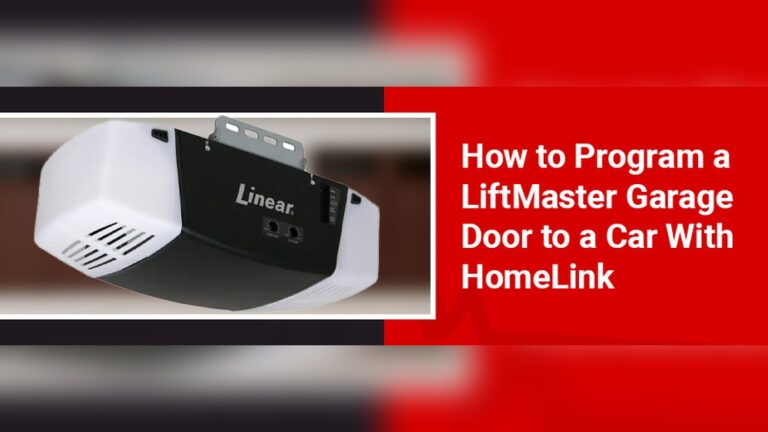
Electronic locks are built into some openers, like LiftMaster. They use a deadbolt that slides into the track.
- Buy a compatible electronic lock (usually $40–$60).
- Attach the lock to the door’s frame and connect it to the opener motor.
- Follow the manufacturer’s instructions to activate the lock.
Step 3: Add Manual Locks For Double Security
Even with automatic locks, manual backup is smart:
- Install a side bolt or padlock.
- Make sure to unlock manual locks before using the opener—otherwise, the motor may break.
Many beginners forget to remove manual locks when using the opener. This can damage the motor or the door.
Step 4: Disconnect The Emergency Release
Automatic doors have a red cord for emergencies. Burglars sometimes use a coat hanger to pull this cord from outside.
- Add a zip tie to the emergency release lever. Make sure you can still break the tie if needed.
- Cover the small window above the garage door to block access.
This extra step is often missed, but it can stop one of the most common break-in tricks.
Credit: ddmgaragedoors.com
Choosing The Right Garage Door Lock
Picking a lock depends on your garage type, budget, and security needs. Here’s a comparison to help decide:
| Garage Type | Lock Recommendation | Estimated Cost | Ease of Installation |
|---|---|---|---|
| Detached manual | Padlock with hasps | $25–$50 | Moderate |
| Attached manual | Side bolt lock | $15–$30 | Easy |
| Automatic | Electronic lock | $40–$60 | Hard |
| Older doors | T-handle lock | $20–$35 | Moderate |
If you’re unsure, start with a manual lock—side bolts and padlocks are simple and effective.
Common Mistakes To Avoid
Beginners often make these errors when locking garage doors:
- Using cheap locks: Weak locks break or get picked easily.
- Ignoring backup locks: Relying only on automatic locks leaves you vulnerable.
- Forgetting to test: Always check the lock after installation.
- Leaving emergency release unprotected: Burglars know how to pull it.
- Not locking the door to the house: Secure the door between garage and home as well.
Investing a little more time and money can boost security and peace of mind.
Credit: www.allaboutdoors.net
Extra Tips For Strong Garage Security
Here are some advanced tips that most homeowners miss:
- Install security cameras: Place a camera facing the garage door. Even a visible dummy camera can deter thieves.
- Use motion sensor lights: Bright lights scare off intruders at night.
- Reinforce windows: Cover garage windows with frosted film or bars.
- Hide valuables: Don’t leave expensive items in plain view.
- Upgrade door material: Steel doors are harder to break than wood or aluminum.
These steps add layers of protection. Remember, burglars look for easy targets.
Real-world Example
Let’s look at a practical case. Jane, a homeowner in Texas, installed a side bolt lock after her neighbor’s garage was burglarized. She spent $25 on the lock and took 30 minutes to install it. After adding a padlock and a camera, her insurance premium decreased by 5% because her garage was now considered “secure.
” The locks worked well, and Jane felt safer leaving her car and tools inside.
This shows that small changes can make a big difference—and even save money.

Credit: bdkdoor.com
Garage Door Lock Maintenance
Locking your garage is not enough. You must keep the locks in good shape:
- Lubricate bolts and padlocks every 6 months.
- Check for rust or wear.
- Test electronic locks after power outages.
- Replace keys if lost or stolen.
Proper maintenance keeps locks working and avoids unexpected failures.
When To Upgrade Your Garage Lock
Sometimes, a simple lock is not enough. Consider upgrading if:
- You have valuable items in the garage.
- Your area has high burglary rates.
- Your lock is older than 5 years.
- The garage connects to your home.
Upgrading may cost more, but it boosts security and can lower insurance costs.
Frequently Asked Questions
How Can I Lock My Garage Door From The Outside?
You can use a padlock and hasp or a T-handle lock. Attach the hasp to the outside of the door, place the padlock through it, and turn the key to lock. Make sure the hasp is solid metal and attached with strong screws.
Can Automatic Garage Doors Be Locked Manually?
Yes. You can install a side bolt lock or padlock on automatic doors for extra security. Always unlock the manual lock before using the opener to avoid damage.
Is It Safe To Use Electronic Locks?
Electronic locks are safe and convenient, especially for automatic doors. Choose models from trusted brands like LiftMaster or Chamberlain. Test the lock regularly and keep backup keys.
How Do I Protect The Emergency Release Cord?
Tie the emergency release lever with a zip tie. Cover any small windows above the garage door to prevent access. Check the tie often to make sure you can break it if needed.
What Is The Best Lock For A Detached Garage?
For detached garages, a padlock with hasps is best. It’s visible and strong, making it harder for thieves to break in. For added safety, combine with motion lights and a camera.
Locking your garage door does not have to be complicated. With the right lock, regular maintenance, and a few extra tips, you can make your garage much safer. Don’t wait until after a break-in—take action today. For more in-depth security advice, visit the Consumer Reports guide. Your peace of mind starts with a secure garage.