
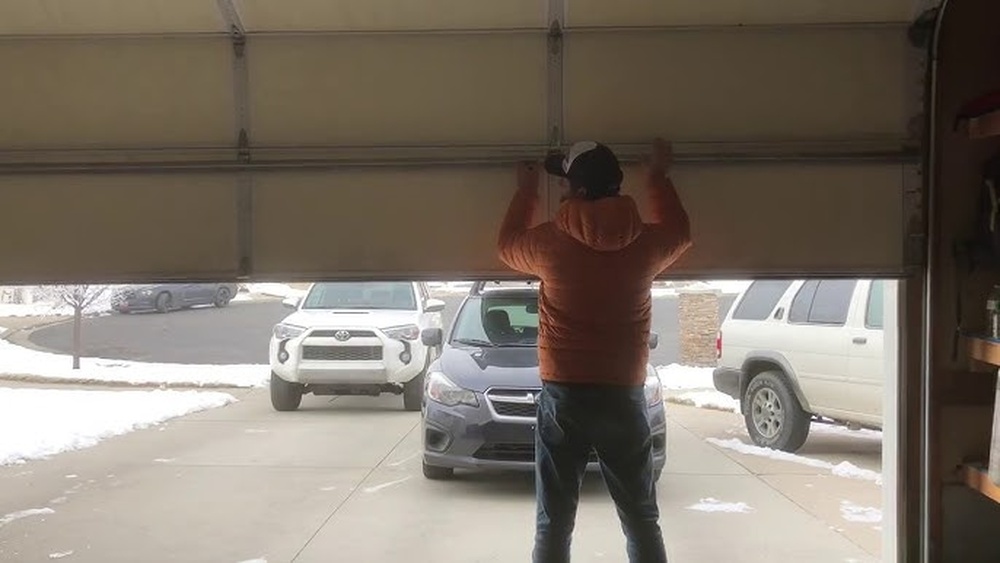
If you’ve ever tried to open your garage door and heard a loud snap, you may be facing a broken spring. This is a common issue, especially in older doors or those used many times a day. The garage door spring does most of the heavy lifting. When it breaks, the door can become extremely heavy—sometimes over 200 pounds. For homeowners, this creates a sudden problem: your car might be trapped, and you need to open the door for access or safety.
Knowing how to safely open a garage door with a broken spring can save you time and reduce stress. But it’s important to understand the risks. Springs are under tension and can be dangerous. This guide gives you step-by-step instructions, safety tips, and important advice for handling this situation, especially if you’re new to home repairs.
Understanding Garage Door Springs
Before you take action, it’s helpful to know how garage door springs work.
- Torsion springs are mounted horizontally above the door. They use torque to lift the door smoothly.
- Extension springs are found on either side of the door. They stretch and contract to help with lifting.
A broken spring means the door loses its counterbalance. It’s now much heavier and the opener, if you have one, may not be strong enough to lift the door. For most residential doors, each spring is rated for 10,000 to 20,000 cycles (one cycle = open and close).
Example: If you use your garage 4 times a day, a 10,000-cycle spring lasts about 7 years. When it breaks, you’ll likely hear a loud bang.
Why Opening A Door With A Broken Spring Is Difficult
When the spring breaks, almost all the lifting force is gone. A typical double garage door weighs between 150 and 250 pounds. Even a single door can be over 100 pounds. Without the spring, you are lifting all that weight manually.
Risks include:
- Back injury from lifting too much
- Door slamming shut if dropped
- Damage to the opener if you try to use it
Safety Precautions Before You Start
Dealing with a broken garage door spring isn’t just hard—it can be dangerous. Before you try anything, follow these safety steps:
- Unplug the opener: Disconnect the power to the automatic opener. This prevents it from trying to move the door and possibly burning out.
- Clear the area: Make sure no children, pets, or bystanders are nearby.
- Wear gloves and sturdy shoes: This protects your hands and feet from pinches or drops.
- Check for additional damage: Look for any bent tracks, frayed cables, or loose rollers. Do not proceed if you see major damage.
- Do not force anything: If the door sticks or won’t move, stop. Forcing it can cause further damage or injury.
Pro Tip: If you’re unsure about any step, call a professional. Springs store a lot of energy and are not a DIY project for most homeowners.
How To Identify A Broken Spring
Sometimes, the problem isn’t obvious. Here’s how to check:
- Listen for a loud noise: Springs often break with a bang.
- See if the door is crooked: One side higher than the other can mean one spring snapped.
- Look above the door: A gap in the torsion spring or a hanging, loose extension spring is a clear sign.
- Door feels much heavier: If you can barely lift it, the spring is likely broken.
Step-by-step: Manually Opening The Garage Door
If you must open the garage door to get your car out or for emergency access, follow these steps carefully. Never try to open it alone if possible.
1. Release The Door From The Opener
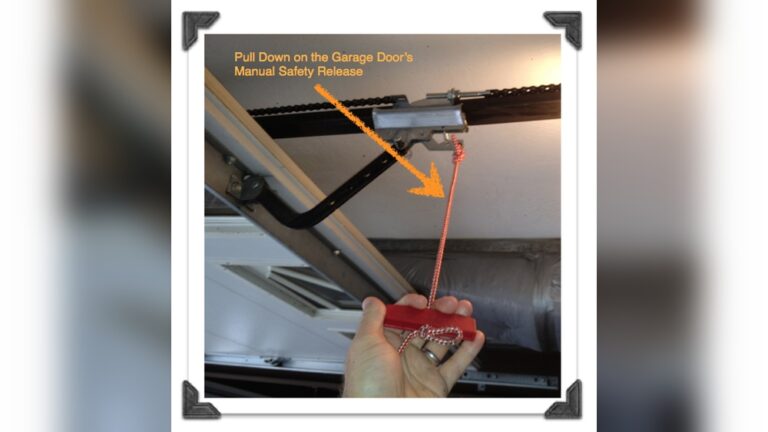
Most garage doors have an emergency release cord—a red rope hanging from the opener rail.
- Pull the cord down and away from the door. This disconnects the door from the opener trolley.
2. Get Help
The door is now very heavy. Ask at least one other adult to help you lift. Two people are safer for double doors.
3. Position Yourself Safely
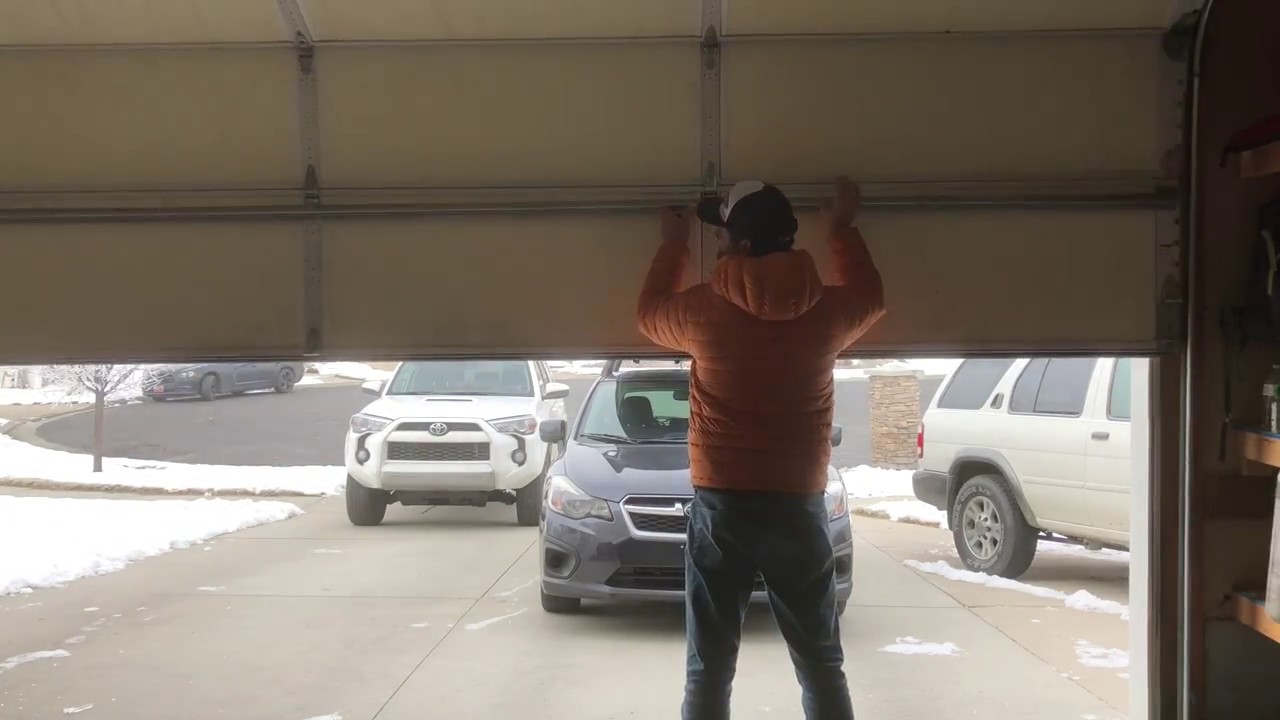
- Stand with your feet apart, knees bent, and back straight.
- Grasp the door at the bottom, near the handles.
- Make sure fingers are clear of pinch points between panels.
4. Lift The Door
- Lift slowly and evenly.
- Keep your body close to the door for better leverage.
- If the door sticks or won’t move, stop. Do not force it.
5. Prop The Door Open
Once the door is up, it will not stay open by itself. Use a solid object like a locking vice grip, heavy-duty ladder, or sturdy 2×4 to prop it open.
Example: For an 8-foot door, use a 6-8 foot wooden beam wedged under the center or both sides.
6. Move Your Vehicle Or Get What You Need
- Quickly drive out or collect your items.
- Do not leave the door propped open unattended.
7. Lower The Door Carefully
- Remove the prop.
- Lower the door slowly, keeping hands away from the edges.
- Make sure it closes gently and does not slam.
Important: Do not try to reconnect the opener until the spring is replaced. Using the opener with a broken spring can destroy the motor or gears.
Should You Try To Open It Alone?
It’s technically possible to open a single, lightweight door alone, but it’s risky. Here’s a quick comparison:
| Situation | Risk Level | Recommended? |
|---|---|---|
| Single door, wood, 90 lbs | Medium | Only if urgent |
| Double door, steel, 180 lbs | High | No, get help |
| Damaged or off-track door | Very High | Do not attempt |
Key insight: Even if you are strong, the risk of injury is significant. Always ask for help if you can.
Common Mistakes Beginners Make
Many people try to solve this problem quickly and make mistakes. Avoid these errors:
- Using the opener: This can burn out the motor, costing $200-$500 to replace.
- Forcing the door: Can bend tracks or panels, leading to expensive repairs.
- Wrong props: Using broomsticks or unstable objects can cause the door to fall.
- Ignoring safety gear: Gloves and shoes prevent painful accidents.
- Not checking cables: If a cable is frayed or off the drum, the door can fall unexpectedly.
Non-obvious tip: If your door has two springs and only one is broken, the other may break soon. Replace both at the same time.
What To Do After Opening The Door
Once you get your car out, don’t just leave the door open or unlocked.
- Call a professional technician to replace the spring. Most repairs cost between $150 and $350 for parts and labor.
- Lock the door: Many garage doors have a manual lock. If yours doesn’t, secure it with a clamp or padlock.
- Leave the door disconnected from the opener until it’s fixed.
- Inform family members that the door is unsafe to use.
Pro Insight: Some home insurance policies cover spring repair. Check your policy or ask your provider.
Credit: www.youtube.com
Should You Replace The Spring Yourself?
Replacing a garage door spring is not a typical DIY job. Here’s why:
| Factor | DIY | Professional |
|---|---|---|
| Cost | $50-$100 (parts only) | $150-$350 (parts + labor) |
| Time | 2-4 hours (with experience) | 30-60 minutes |
| Safety risk | High | Low |
| Warranty | None | 1+ years (usually) |
Key insight: The cost savings are not worth the risk for most homeowners. Springs are under extreme tension and can cause injury or death if handled incorrectly.
How To Prevent Future Spring Breaks
You can’t stop springs from wearing out, but you can extend their life.
- Lubricate springs every six months with garage door lubricant.
- Balance the door yearly: Disconnect the opener and lift the door halfway. If it stays, it’s balanced. If it falls, call a pro.
- Replace both springs together, even if only one breaks.
- Limit opener use: Use the garage for cars, not as the main entry.
- Get annual inspections: A technician can spot wear before failure.
Example: Lubrication can add 1-2 years to your spring life. A balanced door reduces strain on the opener and springs.

Credit: www.garagedoorspecialist.net
How Long Does It Take To Fix A Broken Spring?
A professional can usually replace a spring in 30 to 60 minutes. If the door is off track or damaged, it may take longer. Most companies offer same-day or next-day service.
Pro tip: Ask about the warranty. Most quality springs come with a 3-5 year guarantee.
Why You Should Never Ignore A Broken Spring
Some homeowners continue using the garage door opener with a broken spring. This is a mistake. The opener is not designed to lift the full weight of the door. Continuing to use it can:
- Burn out the opener motor
- Strip the gears
- Break the chain or belt
This can turn a $200 spring repair into a $600+ opener and door repair.
Comparing Extension Vs. Torsion Springs
Not sure which type your door has? Here’s a quick reference:
| Spring Type | Location | Cycle Life | Cost to Replace |
|---|---|---|---|
| Torsion | Above door, center | 10,000-20,000 | $150-$350 |
| Extension | Alongside door, above track | 5,000-10,000 | $120-$250 |
Non-obvious insight: Torsion springs are safer and last longer, but cost a bit more to replace.
When To Call A Professional Immediately
Some situations require urgent help:
- Door is stuck halfway open
- Door is off the tracks or crooked
- Multiple parts look damaged
- You hear grinding or popping sounds
In these cases, do not try to open or close the door. Call a garage door technician as soon as possible.
For more about garage door safety and repair, you can visit the Family Handyman website.
Credit: www.expressgaragedoors.com
Frequently Asked Questions
What Causes Garage Door Springs To Break?
Springs break from metal fatigue after thousands of open/close cycles. Rust, lack of lubrication, and extreme temperature changes also make springs fail sooner.
Can I Open The Garage Door Automatically With A Broken Spring?
No. The opener is not designed to lift the full weight of the door. Using it with a broken spring can cause serious damage to the opener and possibly the door.
How Do I Know If My Spring Is About To Break?
Watch for gaps in the spring, squeaking noises, or a door that feels heavier than normal. If your door slams shut or you see stretched coils, the spring may be near failure.
Is It Safe To Leave The Garage Door Open Until The Spring Is Fixed?
Not for long periods. The door can fall if the prop slips or the wind blows. If you must leave it open, use a sturdy prop and keep people and pets away.
How Much Does It Cost To Replace A Garage Door Spring?
Most homeowners pay between $150 and $350 for professional replacement, depending on door size, spring type, and location.
Opening a garage door with a broken spring is possible but risky. Always put safety first and get help if you need it. For most people, the best solution is to call a professional and avoid injury or extra repair costs.
With these steps, you’ll know what to do in an emergency and how to prevent future problems.