
If you are thinking about upgrading your garage door opener, you might wonder: “Can a garage door opener be too powerful?” At first, it seems like more power is always better. But when it comes to garage doors, choosing a motor that is much stronger than you need is not always the best idea. In fact, picking an opener that is too powerful can lead to problems, wasted money, and even safety concerns.
Let’s explore why the right size matters, what happens if you go too big, and how to make the best choice for your home.
Understanding Garage Door Opener Power
A garage door opener’s “power” is measured in horsepower (HP). Most residential openers come in three common sizes:
- 1/3 HP – suitable for lightweight, single-car garage doors
- 1/2 HP – works for most standard two-car garage doors
- 3/4 HP or higher – designed for heavy, oversized, or custom doors
Each step up in horsepower means a stronger motor. But before choosing the highest one, it’s important to understand what that power actually does.
How Power Affects Performance
A garage door opener’s job is to lift and lower the door smoothly and safely. The motor works with the door’s spring system, which handles most of the weight. The opener provides just enough force to move the door along the tracks.
If your door is balanced and the springs are working well:
- A higher HP motor will not make the door open faster.
- It won’t make the door safer or quieter by itself.
- It may, however, last longer if the door is heavy.
But if you buy a much stronger opener than you need, it might not work as you expect.
What Happens If Your Opener Is Too Powerful?
Many people think that buying the most powerful opener is a safe bet. In reality, using a garage door opener that is too powerful for your door can lead to several issues:
1. Unnecessary Wear And Tear
A powerful motor can put extra force on the door’s parts, such as:
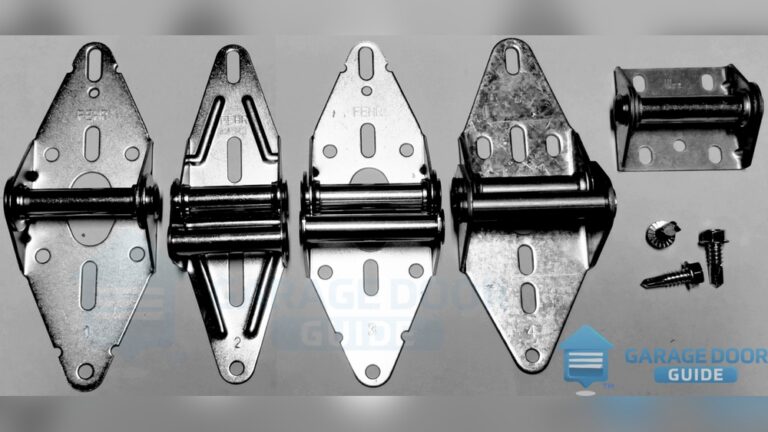
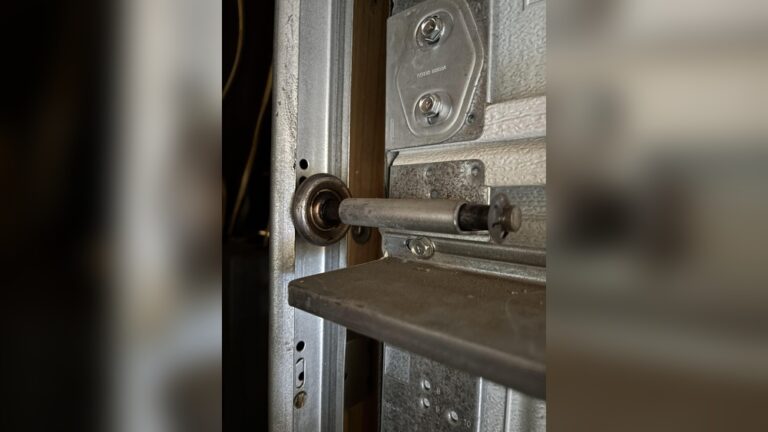
- Hinges
- Springs
- Tracks
- Rollers
This added stress can make these parts wear out faster than normal, leading to more frequent repairs.
2. Increased Safety Risks
When an opener is too strong, it may:
- Pull the door up or push it down too forcefully
- Make it harder for safety sensors to stop the door in an emergency
- Be less sensitive to objects or people in the door’s path
This can increase the risk of injury or damage.
3. Higher Energy Use And Cost
Stronger motors use more electricity, even if you don’t need all that power. You may pay more up front and in ongoing energy bills.
4. More Noise And Vibration
High-powered motors can create extra noise and vibration, especially if your door is light. This can be annoying, especially if bedrooms are above the garage.
5. Wasted Money
Bigger motors cost more. If you don’t need the extra power, you are simply spending more for no real benefit.
How To Pick The Right Garage Door Opener Power
Choosing the right opener is all about matching the motor size to your door’s size, weight, and construction. Here’s a simple way to decide:
Step 1: Measure And Weigh Your Door
Most standard doors fit into these groups:
- Single-car (8-10 feet wide, non-insulated): 1/3 HP is often enough
- Double-car (16 feet wide, non-insulated or lightly insulated): 1/2 HP is usually best
- Oversized, heavy, insulated, or solid wood: 3/4 HP or more may be needed
If you’re not sure about your door’s weight, check your manual or ask a professional.
Step 2: Check The Door’s Balance
Disconnect the opener and try to lift the door by hand:
- If it lifts easily and stays up halfway, your springs are balanced.
- If it feels heavy or slams shut, get the springs checked before buying a new opener.
Step 3: Pick The Right Opener Based On Your Needs
Use the following as a quick reference:
| Door Type | Recommended HP | Notes |
|---|---|---|
| Single-car, non-insulated | 1/3 HP | Lightweight, basic use |
| Double-car, non-insulated | 1/2 HP | Standard for most homes |
| Double-car, insulated or heavy | 3/4 HP | For heavier or larger doors |
| Custom, solid wood, oversized | 1 HP or more | Rare for residential use |
Common Mistakes When Choosing Garage Door Opener Power
Many beginners make the same errors when selecting an opener. Avoid these to save money and trouble:
1. Overestimating Door Weight
People often think their door is heavier than it is. In reality, most doors under 16 feet wide and made of steel or aluminum do not need more than 1/2 HP.
2. Ignoring Insulation
Insulated doors are heavier. If you upgrade from a thin metal door to a thick, insulated one, you may need a stronger motor.
3. Forgetting About Door Balance
If your springs are weak, it will feel like you need a larger motor. But the real fix is to repair the springs, not just upgrade the opener.
4. Not Considering Noise
Higher HP does not always mean quieter. In fact, an overpowered opener can cause more noise and vibration.
5. Choosing Based On Price Alone
The most expensive or powerful model is not always the best. Match the opener to your needs, not just your budget.
Real-world Example: Too Much Power For A Small Door
Let’s say you have a single-car garage with a lightweight aluminum door. You install a 1 HP opener, thinking it’s a good upgrade.
What Happens?
- The door flies open and shuts with force.
- The opener is much noisier than your old one.
- The door shakes, and the hardware starts to loosen.
- You paid more for energy and installation.
In this case, a 1/3 HP or 1/2 HP opener would have been a better fit. More power did not equal better performance—in fact, it caused problems.
The Myth: More Power Means Faster Opening
Many people believe that a stronger opener will open the door faster. However, opening speed is usually limited by the opener’s design, not the motor’s power. Most openers move the door at about 7-8 inches per second, no matter how much horsepower they have.
If you want a faster opener, look for models with higher speed ratings, not just higher HP.
The Role Of Modern Features
When shopping for a garage door opener, you might see features like:
- Smartphone connectivity
- Battery backup
- Soft start/stop motors
- Quiet belt drives
These features can improve your experience more than simply upgrading to a bigger motor. For example, soft start/stop helps reduce wear and noise, making the opener last longer.
Practical Tips For Choosing The Right Opener
Here are a few key steps to make sure you pick the right size:
- Check your door’s material and weight. Heavier materials (wood, insulated steel) need more power.
- Assess the condition of your springs. Good springs mean you need less power from the opener.
- Think about the number of uses per day. For frequent use, a slightly higher HP may last longer.
- Consider noise sensitivity. If your garage is under a bedroom, avoid high HP unless needed.
- Match opener type and features to your needs. Chain drives are strong but noisy; belt drives are quieter.

Credit: www.angi.com
Comparing Garage Door Opener Power Ratings
To help you understand which opener might be right for you, here’s a comparison of common horsepower options:
| Horsepower | Typical Use | Pros | Cons |
|---|---|---|---|
| 1/3 HP | Single, lightweight doors | Low cost, energy-efficient | Not for heavy doors |
| 1/2 HP | Most standard double doors | Versatile, reliable | May struggle with heavy, insulated doors |
| 3/4 HP | Heavy, insulated, or larger doors | Handles tough jobs, durable | Higher price, more noise if door is light |
| 1 HP+ | Commercial or custom doors | Maximum lifting, long life for heavy doors | Overkill for most homes, costly |
Expert Insight: When Is More Power Better?
There are times when a higher HP opener is the right choice:
- Heavily insulated doors (especially in cold climates)
- Oversized garage doors (wider than 16 feet)
- Solid wood doors (much heavier than steel)
- Frequent use (more than 8-10 times per day)
If your home fits these cases, a 3/4 HP or 1 HP opener can help your system last longer and work more reliably. Otherwise, extra power is rarely needed.
Credit: www.precisiondoor.net
Long-term Costs And Efficiency
Choosing the right size opener does more than save money at purchase. It also affects your costs over time:
- Lower HP models use less electricity.
- Properly sized motors last longer because they’re not overworked.
- Less stress on hardware means fewer repairs and replacements.
You don’t just save money—you reduce headaches.
How To Tell If Your Opener Is Too Powerful
If you already installed a new opener and worry it might be too strong, watch for these signs:
- The door opens or closes too quickly or forcefully.
- You hear loud bangs or rattles during operation.
- The door’s hardware (hinges, brackets) comes loose often.
- The safety sensors seem less responsive.
If you notice these, ask a professional to inspect your system. In some cases, you can adjust the force settings on the opener to make it safer.
Industry Guidance And Safety Standards
Modern garage door openers must follow safety standards set by organizations like UL (Underwriters Laboratories). These standards require:
- Automatic reversal if the door hits an object
- Safety sensors to detect people or pets
- Limits on the force the motor applies
But these safety systems work best when the opener is matched to the door size. Overpowered motors can sometimes override these features, making them less effective.
For more on garage door safety standards, you can visit the UL official website.
Frequently Asked Questions
Can An Overpowered Garage Door Opener Damage My Door?
Yes, using a motor that is too strong can place extra stress on your door’s hardware, leading to faster wear, loose parts, or even bending the door panels over time.
Will A Stronger Opener Make My Garage Door Open Faster?
No, most openers have built-in speed limits for safety. The horsepower affects lifting ability, not speed. If you want faster operation, look for openers with “high-speed” features.
Are Higher Horsepower Openers Always Noisier?
Not always, but a high HP motor on a light door can make more noise or vibration. The opener’s drive type (belt, chain, screw) and installation quality also affect noise.
Is It Dangerous To Have An Opener That’s Too Powerful?
It can be. Overpowered openers may not respond as well to safety sensors and can close the door with too much force, raising the risk of injury or damage.
What Is The Best Horsepower For Most Homes?
For most standard double garage doors, 1/2 HP is the best balance of power, price, and longevity. Only choose higher HP if your door is unusually heavy or large.
Choosing the right garage door opener doesn’t have to be confusing. Don’t fall for the myth that “more is always better. ” By matching the opener’s power to your actual needs, you’ll enjoy safe, smooth, and reliable performance for years to come.

Credit: londongaragedoorrepair.com