
If your garage door closes then opens again, it’s more than just annoying. It can leave your home exposed, cause stress, and may signal a problem that needs fixing soon. Many people face this issue, but few know the real reasons behind it. Understanding why your garage door behaves this way can help you solve the problem quickly and keep your house safe.
Common Causes Of Garage Door Closing Then Reopening
Garage doors are complex systems. When a garage door closes, then opens by itself, it usually means something is wrong with the sensors, settings, or hardware. Here are the most common causes:
- Safety Sensors Misaligned
- Every modern garage door has photo-eye sensors near the ground on each side.
- If these sensors are misaligned or dirty, the door thinks something is blocking its path and reopens.
- Example: Even spider webs or dust can trigger the sensors.
- Obstruction on the Floor
- Small objects, debris, or uneven surfaces under the door can trigger the safety system.
- The door detects the obstacle and reverses as a safety measure.
- Faulty Limit Settings
- Limit settings tell the door how far to move when closing or opening.
- If these are set wrong, the door may think it hasn’t closed fully and reopen.
- Data: According to Chamberlain, over 30% of garage door issues are due to incorrect limit settings.
- Broken or Damaged Tracks
- Bent or misaligned tracks can prevent smooth movement.
- The door may close unevenly, causing the system to reverse.
- Worn Out Rollers or Hinges
- Old or damaged rollers can make the door jerk or stop.
- This can trigger the auto-reverse function.
- Electrical Problems
- Faulty wiring or power surges can confuse the door opener.
- Example: After a thunderstorm, some homeowners notice their doors behaving erratically.
- Remote Control Interference
- Other devices or nearby garage doors may interfere with your remote’s signal.
- This can cause the door to open or close unexpectedly.
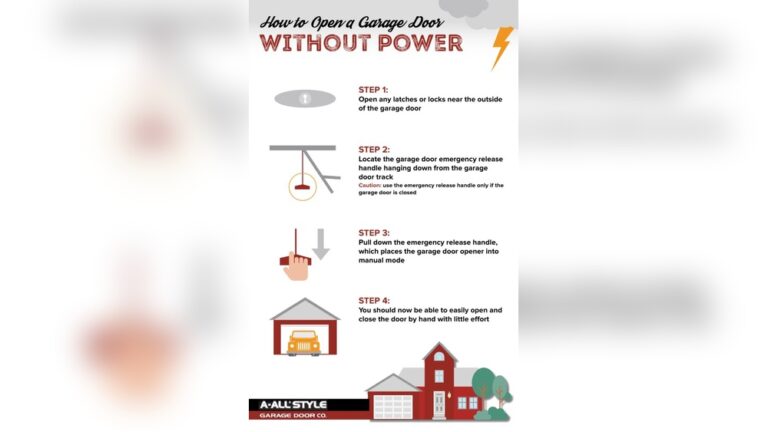
- Manual Release Engaged
- If the manual release lever has been pulled, the door may not operate normally.
- Always check if the lever is in the right position.
How Garage Door Safety Sensors Work
Safety sensors are a key part of garage door systems. They prevent injuries and damage by stopping the door if something is in the way. Here’s how they work:
- Photo-eye sensors send an invisible beam across the base of the door.
- If the beam is broken (by an object, person, or pet), the door stops closing and reopens.
- Sensors must be aligned and clean for the system to work properly.
Common Sensor Problems
- Dirty lenses: Wipe sensors regularly.
- Loose wires: Check connections.
- Sunlight interference: Direct sunlight can confuse sensors.
- Physical misalignment: Adjust sensors so they point directly at each other.
Example Scenario
Imagine you park your bike under the garage door. The sensors detect the bike and reopen the door, even if the bike is only partly in the way.

Credit: cagaragedoors.com
Adjusting Garage Door Limit Settings
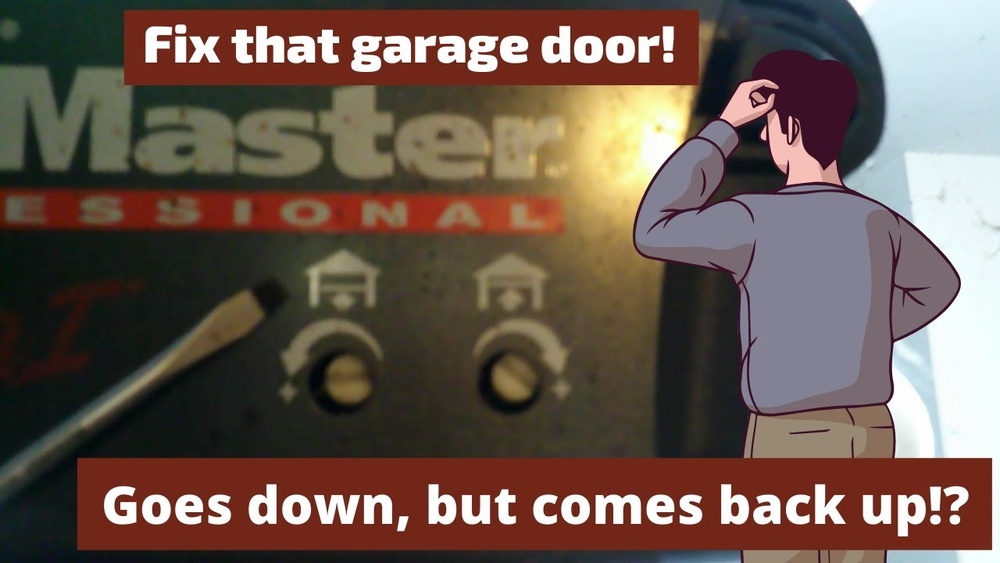
Limit settings control how far the door travels. If set incorrectly, the door may close too far or not enough, leading to reopening.
Step-by-step Limit Adjustment
- Locate the limit switch on your opener (usually screws or dials labeled “up” and “down”).
- Test the door: Close it and see if it stops flush with the ground.
- Adjust the “down” limit: Turn the dial or screw a small amount.
- Retest the door: Repeat until it closes and stays closed.
Data Table: Common Limit Setting Problems
| Problem | Possible Cause | Solution |
|---|---|---|
| Door reopens after closing | Down limit set too far | Decrease down limit |
| Door doesn’t close fully | Down limit not far enough | Increase down limit |
| Door slams shut | Limit too loose | Fine-tune adjustment |
Diagnosing Track And Roller Issues
Garage doors run on tracks with rollers. If these parts are damaged, the door may not move smoothly, causing the opener to reverse.
- Visual Inspection: Look for bends, gaps, or rust on tracks.
- Listen for Noise: Grinding or squeaking means rollers may need lubrication or replacement.
- Check Movement: The door should move up and down without jerking.
Repair Or Replace?
| Condition | Repair | Replace |
|---|---|---|
| Slightly bent track | Bend back gently | No |
| Severely damaged track | No | Yes |
| Noisy rollers | Lubricate | If worn out |
| Broken roller | No | Yes |
Electrical And Remote Control Issues
Garage doors rely on electricity and remote signals. If something goes wrong, the door may close then reopen.
- Power Outages: The opener may reset itself after a blackout.
- Wiring Problems: Loose or frayed wires can send false signals.
- Remote Interference: Other devices on the same frequency can trigger your door.
Example Data
- According to LiftMaster, about 15% of garage door malfunctions are due to electrical issues.
- In neighborhoods with many garage doors, remote interference is common.
How To Fix Garage Door Closing Then Reopening
If your garage door closes then opens, you can often fix it without calling a professional. Here’s what to try:
- Clean and align the sensors
- Use a soft cloth to clean the lenses.
- Make sure both sensors are pointing at each other.
- Remove obstructions
- Check for small objects or debris where the door closes.
- Adjust limit settings
- Follow the steps above to fine-tune the opener’s controls.
- Inspect tracks and rollers
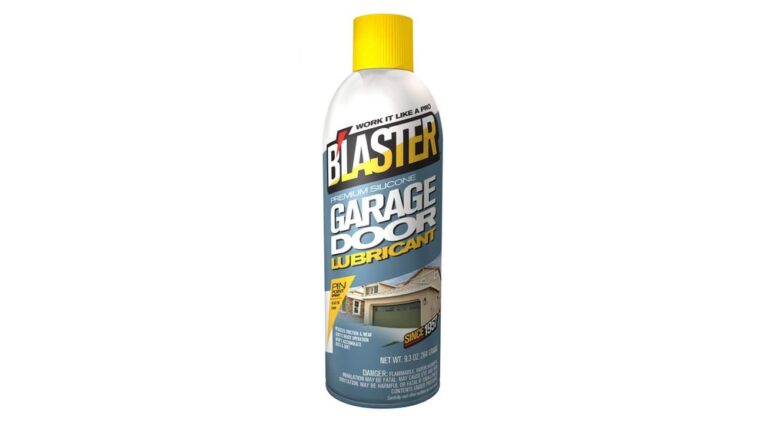
- Lubricate moving parts and check for damage.
- Check the manual release lever
- Make sure it is in the locked position.
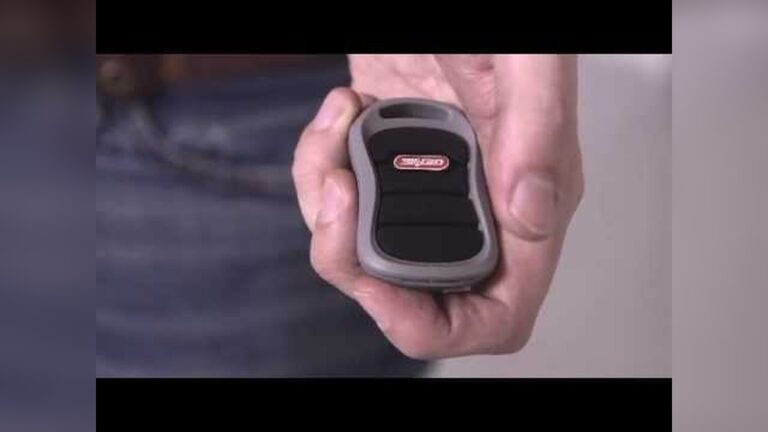
- Test the remote
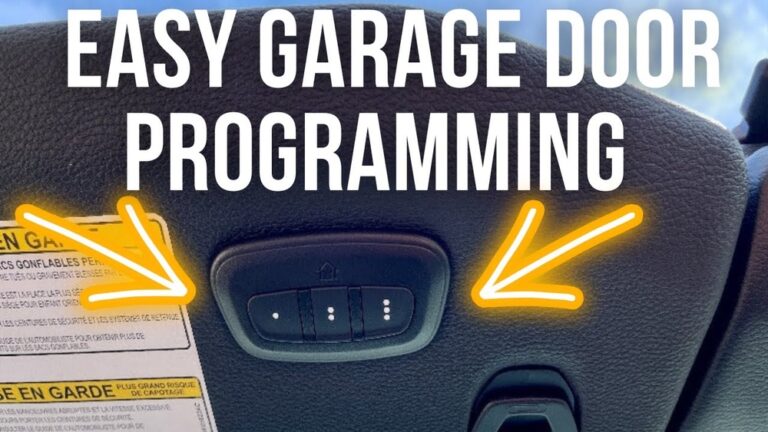
- Replace batteries and watch for interference.
When To Call A Professional
If you’ve tried everything and the problem remains, it’s time to call a garage door technician. Major electrical issues or broken hardware need expert help.
Preventing Garage Door Problems
Regular maintenance can keep your garage door working smoothly. Here are simple steps:
- Clean sensors monthly
- Lubricate rollers and tracks twice a year
- Check limit settings annually
- Inspect for loose wires or parts
- Test the door’s balance (disconnect opener and lift by hand; it should stay open halfway)
Practical Tips
- Don’t store items near the sensor area.
- Use only recommended lubricants.
- Keep remotes out of reach of children.
Data Table: Garage Door Problem Frequency
Here’s a look at how often homeowners report garage door issues:
| Problem Type | Frequency (%) | Most Common Cause |
|---|---|---|
| Door closes then opens | 27 | Sensor misalignment |
| Door won’t open | 18 | Broken spring |
| Noisy operation | 22 | Worn rollers |
| Remote issues | 12 | Interference |

Credit: www.youtube.com
Non-obvious Insights For Beginners
- Sunlight can affect sensors: If sunlight hits your photo-eye sensors directly, it may cause the door to reopen. Try shading the sensors or moving them slightly.
- Garage door openers have memory: After power outages, some openers reset their settings, which can change limit positions or sensor calibration. Always check settings after a blackout.
- Humidity changes can move sensors: During wet seasons, the sensors’ brackets can shift, causing misalignment. Check sensors after heavy rain.
Real World Example
A homeowner noticed their garage door always reopened in the morning. After checking, they found sunlight was hitting the sensor, causing false alarms. Installing a small shield solved the issue.
Another case involved a door reopening after closing, only when the weather was humid. Water droplets on the sensor lens triggered the safety system. Cleaning the lens fixed the problem.
Frequently Asked Questions
What Causes My Garage Door To Close Then Reopen?
The most common cause is misaligned safety sensors. Other reasons include obstacles, faulty limit settings, damaged tracks, electrical issues, and remote interference.
How Do I Fix Garage Door Sensors?
Clean the sensors with a soft cloth. Adjust them so they are level and pointing at each other. Check for loose wires and remove any debris near the sensor area.
Can Sunlight Make My Garage Door Reopen?
Yes. Direct sunlight can interfere with photo-eye sensors, causing the door to think something is blocking it and reopen. Try shading the sensors if sunlight is a problem.
Should I Call A Professional For Garage Door Issues?
If simple fixes like cleaning sensors and adjusting limits don’t work, call a professional. Major repairs like replacing tracks, rollers, or fixing electrical problems need expert help.
How Often Should I Maintain My Garage Door?
Clean sensors monthly, lubricate moving parts twice a year, and check settings annually. Regular maintenance prevents most problems.
Keeping your garage door working well is important for safety and convenience. If your garage door closes then opens, start with the simple fixes. Clean the sensors, check for obstacles, and adjust the settings. Regular maintenance can prevent most issues. For complex problems, don’t hesitate to call a professional. With the right approach, you can keep your garage secure and reliable. For more details on garage door safety, visit Home Depot.

Credit: valleylockanddoor.com