
How To Reengage Garage Door
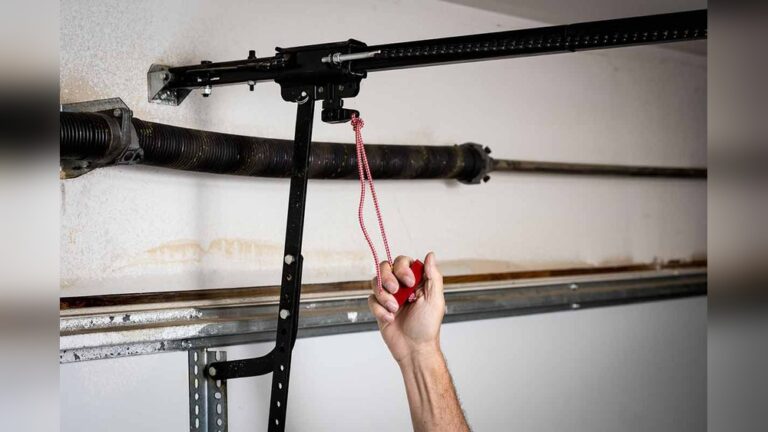
A garage door that won’t open or close with the automatic opener can cause stress. Sometimes, the problem is not the opener itself. The garage door may have been disengaged. This happens when you pull the emergency release cord, often a red handle hanging from the opener rail. Disengaging lets you open or close the door manually in a power outage or if there’s a problem. But after, you must reengage the door for automatic use.
Many homeowners feel nervous about reengaging their garage door. This guide explains the process step-by-step, using simple words. It covers different garage door systems, safety tips, common mistakes, and troubleshooting advice.
Why Garage Doors Become Disengaged
Most garage doors use an opener with a trolley and a release mechanism. Here’s why a door gets disengaged:
- Power Outage: You pulled the red cord to open the door manually.
- Obstruction or Jam: The opener stopped, and you released the door to close it.
- Maintenance: A technician disengaged the opener for repairs.
- Accidental Pull: Someone pulled the cord by mistake.
When disengaged, the automatic opener moves, but the door stays still. You need to reengage for automatic opening.
How To Tell If Your Garage Door Is Disengaged
Signs that your door is disengaged include:
- The opener motor runs, but the door doesn’t move.
- You can lift and lower the door by hand.
- The red emergency release cord is hanging down.
Before reengaging, make sure there are no obstructions or damage.

Credit: support.geniecompany.com
Safety Precautions Before Reengaging
Safety comes first. A garage door is heavy and can cause injury.
- Check for children and pets. Make sure they are not nearby.
- Inspect the door. Look for broken springs, cables, or rollers.
- Do not force the door. If it feels stuck, stop and seek help.
- Disconnect power. If you need to check the opener, unplug it first.
Step-by-step Guide: How To Reengage Garage Door
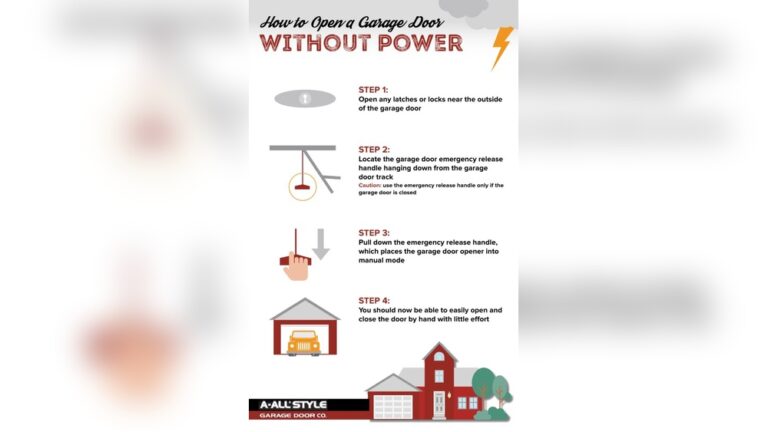
1. Close The Garage Door Completely
- Always start with the door in the down (closed) position.
- If the door is open, manually lower it slowly using the handle.
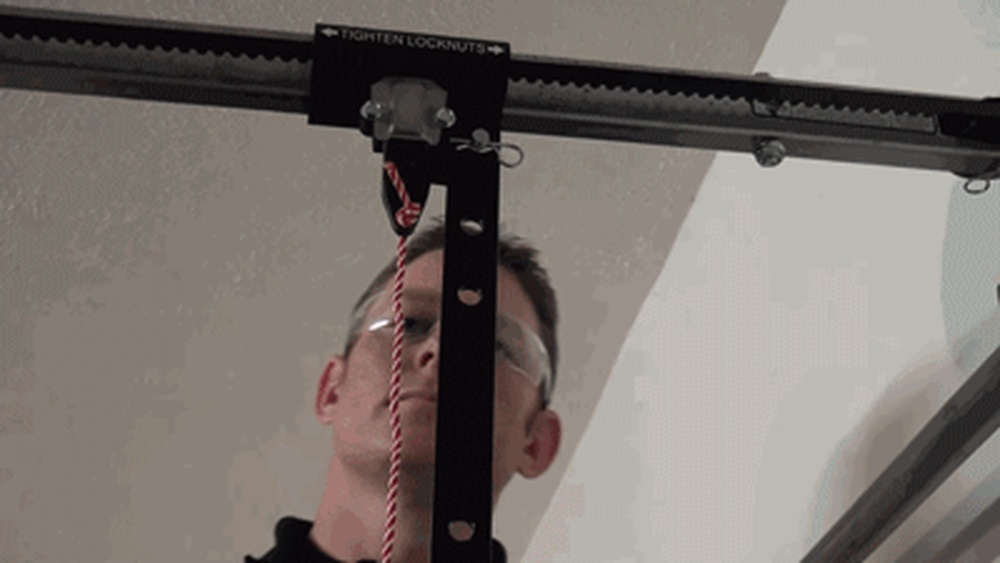
2. Locate The Emergency Release Cord
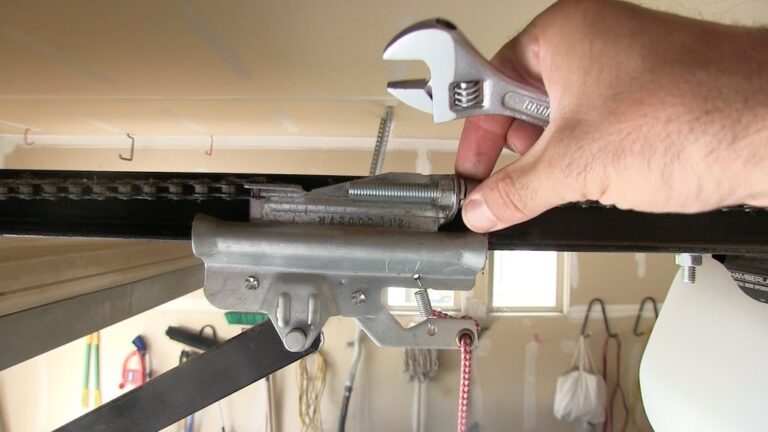
- Find the red cord hanging from the opener trolley.
- This cord is often near the center rail, above your head.
3. Pull The Cord Toward The Door (engage Position)
- Gently pull the cord toward the door, not straight down.
- You may hear a click as the trolley locks back onto the opener carriage.
- In most systems, the opener has a spring latch that automatically clicks into place.
4. Test The Connection
- Press your garage door opener remote or wall button.
- If you did it right, the opener should lift the door.
- Watch for smooth movement.
- If the door does not move, repeat the process or check for jams.
5. Reset After Power Outage (if Needed)
Some openers need you to press the remote while the door is closed, so the trolley reconnects as the opener moves.
- Hold down the button for a few seconds.
- The trolley should move and catch the carriage.
Practical Example
You return home after a storm. The power was out, and you used the emergency cord to open the garage manually. When power returns, the door opener runs, but the door stays put. You follow the steps above: close the door, pull the cord toward the door, and press the remote. The system reengages, and the door opens with the motor.

Credit: www.youtube.com
Common Types Of Garage Door Opener Systems
Different openers have slightly different methods. Here’s a quick comparison:
| Opener Type | Release Cord Location | Reengagement Method |
|---|---|---|
| Chain Drive | Center rail, near motor | Pull cord toward door, press remote |
| Belt Drive | Center rail, quieter mechanism | Pull cord, press remote |
| Screw Drive | Along screw rail | Pull cord, sometimes manual slide |
| Jackshaft | Side of door (no center rail) | Side lever, follow manual |
Always check your opener’s manual for system-specific steps.
What To Do If The Door Won’t Reengage
Sometimes, the door won’t reconnect easily. Here’s what to check:
- Misaligned Trolley: The trolley may be out of line. Move the door to the closed position and try again.
- Broken Spring or Cable: If the door feels too heavy, stop. Call a professional.
- Damaged Release Mechanism: The latch may be stuck. Lubricate with a garage door spray.
- Manual Lock Engaged: Some doors have a side lock. Make sure it’s unlocked.
If the problem continues, don’t force it. Forcing can damage the opener or the door.
Table: Common Problems When Reengaging
Here’s a quick reference for troubleshooting:
| Problem | Possible Cause | Solution |
|---|---|---|
| Door won’t move | Not fully engaged | Repeat cord pull, test remote |
| Door moves but is jerky | Dirty rail or misaligned trolley | Clean rail, realign trolley |
| Opener clicks but nothing happens | Broken spring/cable | Call a professional |
| Remote won’t work | Batteries or signal problem | Replace batteries, re-sync remote |
Maintenance Tips To Avoid Future Problems
Regular maintenance keeps your garage door working safely.
- Lubricate moving parts: Use a silicone-based spray on rails, rollers, and hinges every six months.
- Check balance: Lift the door halfway. If it stays in place, it’s balanced.
- Inspect springs: Look for gaps or rust.
- Clean tracks: Dirt can cause the trolley to misalign.
- Test the safety sensors: Make sure nothing blocks them.
These steps reduce the need to disengage or reengage the door.
Real-world Data: Garage Door Opener Issues
Studies show that over 70% of garage door opener problems are related to power interruption, misaligned tracks, or manual disengagement. Most homeowners can fix these with basic steps.
- The average garage door opens and closes 1,500 times per year.
- A well-maintained opener can last 10 to 15 years.
Regular checks can prevent most reengagement issues.
Mistakes Beginners Make When Reengaging
- Pulling the cord in the wrong direction: Always pull toward the door, not straight down.
- Trying to engage with the door open: The opener may jam or skip. Always engage with the door closed.
- Ignoring strange noises: Loud grinding or popping is a sign of trouble. Stop and inspect.
- Not checking for obstructions: Small objects in the track can block reengagement.
- Forgetting to test the remote: Make sure the remote or wall button works after reengaging.

Credit: www.youtube.com
When To Call A Professional
Some problems are best left to experts:
- Broken springs or cables: These are dangerous and under high tension.
- Opener motor issues: If the motor hums but nothing moves, it may need repair.
- Repeated disengagements: If the system keeps disengaging, a professional can check for deeper issues.
A professional can also help with newer smart garage door systems.
Cost Comparison: Diy Vs Professional Help
Let’s compare basic DIY reengagement with professional service:
| Method | Average Cost | Time Needed | Risk Level |
|---|---|---|---|
| DIY (manual reengagement) | $0 (just time) | 5-10 minutes | Low if safety steps followed |
| Professional repair | $75 – $200 | 30-60 minutes | Very low; expert handles risks |
For basic reengagement, DIY is safe for most people. For repairs, invest in a professional.
Extra Insights Beginners Miss
- The emergency release is for safety. Don’t use it for daily opening and closing.
- Lubricate the trolley area. Many skip this, but it helps smooth reengagement.
- Power cycle the opener if it acts up. Unplug for 30 seconds, then plug back in.
How Smart Garage Door Openers Change Things
Modern smart openers can reengage automatically or send alerts if the door is disengaged. If you have a Wi-Fi-enabled opener, check the app for troubleshooting tips.
Some systems require you to reset the opener in the app after manual operation.
Environmental And Security Notes
- Don’t leave the door disengaged overnight. Manual mode is less secure.
- If you travel, reengage before you leave. This prevents unauthorized entry.
Frequently Asked Questions
How Do I Know If My Garage Door Is Reengaged?
If the opener motor moves the door when you press the remote or wall button, the door is reengaged. If you can still lift the door by hand easily, it may still be in manual mode.
What If The Emergency Release Cord Is Stuck?
Try gently moving the door back and forth while pulling the cord. If it’s still stuck, the release mechanism may need lubrication or repair. Call a technician if you cannot free it.
Can I Reengage My Garage Door With The Door Open?
No. Always close the door fully before trying to reengage. Doing it with the door open can cause misalignment or damage.
Is It Dangerous To Reengage The Door Myself?
It is safe if you follow precautions. Make sure the door is balanced and check for broken springs or cables. If the door is very heavy or does not move smoothly, call a professional.
Where Can I Find More Detailed Instructions For My Opener Model?
Check your opener’s manual or visit the manufacturer’s website. For example, you can find detailed guides at the Chamberlain support page.
Reengaging your garage door is a task most homeowners can handle with care. Following the steps above will save time and restore your door to automatic operation quickly. Regular checks and proper use will keep your garage door opener running for years.