
Garage Door Emergency Release: A Complete Guide
Many people use garage doors every day, but few think about what happens when the power goes out or the opener stops working. Imagine your car stuck inside, or needing quick access during an emergency. The garage door emergency release is a simple safety feature that can help you open the door manually. If you’re new to garage door systems, this guide will help you understand how it works, why it matters, and how to use it safely.
What Is A Garage Door Emergency Release?
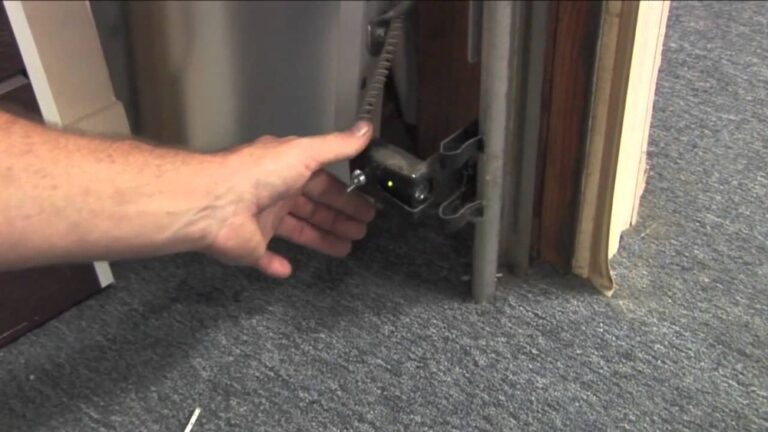
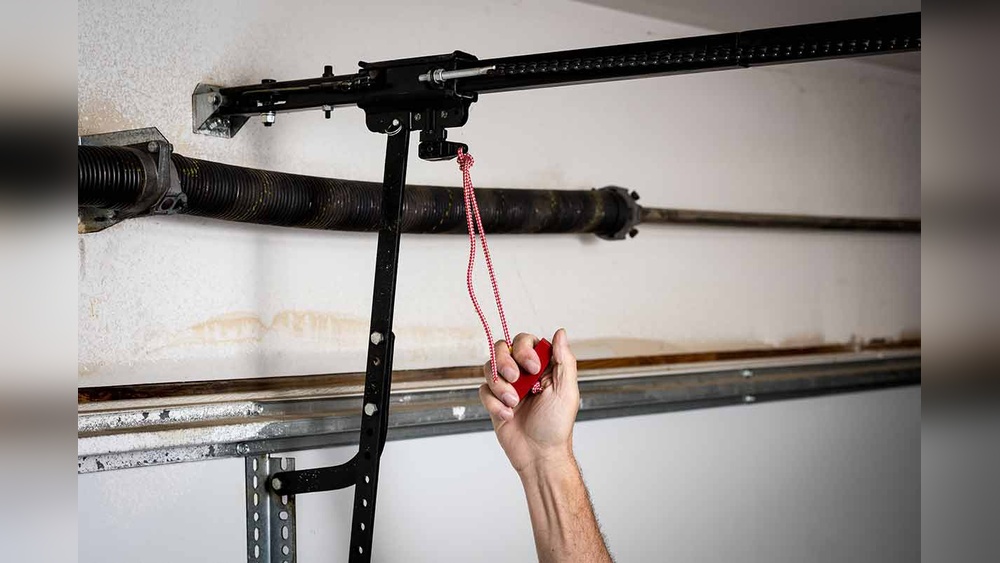
The emergency release mechanism is designed for situations where you cannot operate the garage door with the remote or wall switch. Most garage doors have a cord, usually red, hanging from the opener track inside the garage. Pulling this cord disconnects the door from the opener, allowing you to lift the door by hand.
Key features:
- Usually a red cord or handle.
- Located near the center of the garage door track.
- Allows manual operation of the door.
Why is it important?
- Power outages: You can open the door if the electricity fails.
- Mechanical failure: If the opener breaks, you still have access.
- Safety: Quick escape in emergencies like fire or earthquake.
How Does The Emergency Release Work?
Understanding the mechanism is simple. The garage door opener uses a trolley to move the door along a track. The emergency release disconnects the trolley from the opener.
Step-by-step Function
- Locate the cord: Find the hanging red cord near the door opener track.
- Pull the cord: This disconnects the door from the opener’s motor.
- Lift the door: The door is now free and can be moved manually.
Data Example:
- Most US homes use automatic garage door openers. According to the International Door Association, over 70% of new homes have automatic openers installed.
- Emergency release cords are standard in nearly all systems since 1993, after safety regulations increased.
When Should You Use It?
- Power outage: If your opener won’t work, pull the cord to release.
- Opener malfunction: If the motor fails, disconnect and lift manually.
- Safety emergencies: Use for fast exits or entry.

Credit: firstudt.com
How To Use The Garage Door Emergency Release
Beginners often worry about damaging their door or opener. Here’s a simple guide:
Preparation
- Make sure the door is fully closed before pulling the cord. If the door is open, it may fall quickly.
- Keep hands and feet clear of the door.
Steps
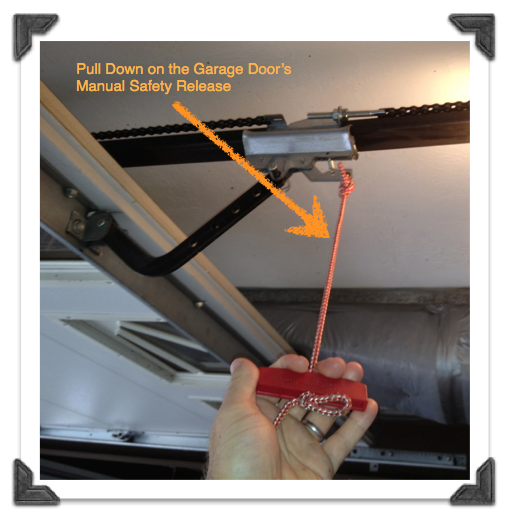
- Pull down the emergency release cord firmly.
- Lift the door slowly. It may be heavy, but most doors are spring-loaded to help.
- Do not force if the door is stuck.
Example Scenario
Suppose there’s a storm, and your power goes out. You need to leave for work. You:
- Find the red cord.
- Pull it down until you hear a click.
- Lift the door by hand and drive out.
Common Mistakes
- Pulling the cord when the door is open can cause it to slam shut.
- Forgetting to re-engage the opener after use (see below).
How To Reconnect The Garage Door Opener
After using the emergency release, you’ll want your opener to work again. Many beginners forget this step.
Simple Reconnection Steps
- Close the door manually if it’s not closed.
- Push the trolley toward the opener until it clicks back into place.
- Press the remote or wall switch. The opener should reconnect automatically.
Tip: Some openers require you to pull the cord again to re-engage.
Safety Tips For Using The Emergency Release
Many people worry about safety. Here are proven tips:
- Always pull the release when the door is closed to avoid injury.
- Keep children away from the cord.
- If the door is too heavy or stuck, do not force it. Contact a professional.
- Test the emergency release every six months to make sure it works.
Data Point: Over 20,000 garage door injuries occur annually in the US, often due to improper manual operation. Always use caution.
Garage Door Types And Emergency Release Differences
Not all garage doors are the same. Understanding your door type helps.
Main Garage Door Types
| Door Type | Emergency Release Location | Manual Operation Difficulty |
|---|---|---|
| Sectional | Center track, overhead | Easy (spring-assisted) |
| Single Panel | Side or center | Medium (less spring help) |
| Roll-up | Near motor unit | Varies (often heavier) |
Most US homes use sectional doors, which are easiest to operate manually.
Emergency Release Vs. Other Garage Door Features
You might wonder how the emergency release compares to other safety features.
| Feature | Purpose | Manual Override |
|---|---|---|
| Emergency Release | Manual opening/disconnection | Yes |
| Photo Eye Sensors | Detect objects, prevent closing | No |
| Auto-Reverse | Reverse door if blocked | No |
Only the emergency release lets you control the door by hand.
How Often Should You Test The Emergency Release?
Regular testing is important. Many homeowners forget until it’s too late.
- Test every 6 months.
- Check for smooth operation.
- Lubricate tracks and hinges if needed.
Example: Set a reminder twice a year—before winter and before summer.
Credit: www.garagedoorspokane.com
Emergency Release In Apartments And Commercial Buildings
Garage doors in apartments or commercial spaces often have more complex mechanisms. If you live in an apartment, check with your building manager. In commercial spaces, emergency releases may be locked or require special keys.
Tip: Always ask about emergency access when moving into a new building.
Real-life Data: Emergency Release Usage
According to the National Safety Council, less than 30% of homeowners know how to use their garage door emergency release. Most learn during emergencies, which is risky.
Case Example:
- In California wildfires, some residents escaped through garages using the emergency release when power failed. Knowing this feature can be life-saving.

Credit: www.mesagaragedoors.com
Common Problems With Garage Door Emergency Release
Sometimes, the emergency release doesn’t work as expected. Here are issues and solutions:
Problems
- Cord stuck or broken
- Door won’t lift
- Spring tension lost
- Opener won’t reconnect
Solutions
- Replace the cord if frayed.
- Lubricate tracks and hinges.
- If springs are broken, call a professional.
- Follow reconnection steps carefully.
Extra Insight: Door springs carry most of the weight. If the door is hard to lift, springs may be failing.
Choosing A Garage Door Opener With Reliable Emergency Release
If you’re buying a new opener, check these features:
- Easy-to-find cord: Bright red, reachable.
- Clear instructions: Look for models with clear labels.
- Spring-assisted doors: Easier for manual operation.
- Lock-out prevention: Some advanced models prevent accidental lock-outs.
Data Table: Popular US Garage Door Opener Brands
| Brand | Emergency Release Quality | Spring Assistance | Price Range |
|---|---|---|---|
| Chamberlain | Excellent | Strong | $200–$400 |
| LiftMaster | Good | Medium | $250–$500 |
| Genie | Good | Medium | $180–$350 |
Practical Tips For Beginners
- Read your manual: Every opener is different.
- Label the cord: If you have guests or tenants, label the emergency release cord.
- Store a flashlight: Power outages are common. Keep a light handy.
- Teach family members: Everyone should know how to use the emergency release.
Extra Insight: If your garage is attached to your home, consider installing a secondary exit for added safety.
Frequently Asked Questions
What Is The Garage Door Emergency Release And Why Is It Important?
The emergency release lets you open your garage door manually if the opener fails or power is lost. It’s crucial for safety, providing an exit during emergencies like fires or power outages.
Can I Use The Emergency Release If My Garage Door Is Stuck Open?
It’s not recommended. If the door is open, pulling the cord can cause it to fall quickly. Always try to close the door before activating the release.
How Do I Reconnect The Garage Door Opener After Using The Emergency Release?
Manually close the door, then push the trolley toward the opener until it clicks. Use your remote or wall switch to test. Some models need you to pull the cord again to re-engage.
Is It Safe For Children To Use The Emergency Release?
No. The door can be heavy and dangerous. Only adults should use the emergency release. Keep children away from the cord.
What Should I Do If The Emergency Release Doesn’t Work?
Check for a broken or stuck cord. Lubricate tracks and hinges. If the problem persists, call a professional technician. Do not force the door.
A garage door emergency release is a small feature, but it can make a big difference in safety and convenience. Taking a few minutes to learn how it works can save time and trouble during emergencies. For more information, visit the International Door Association. Always stay prepared and keep your garage door system in good condition.